

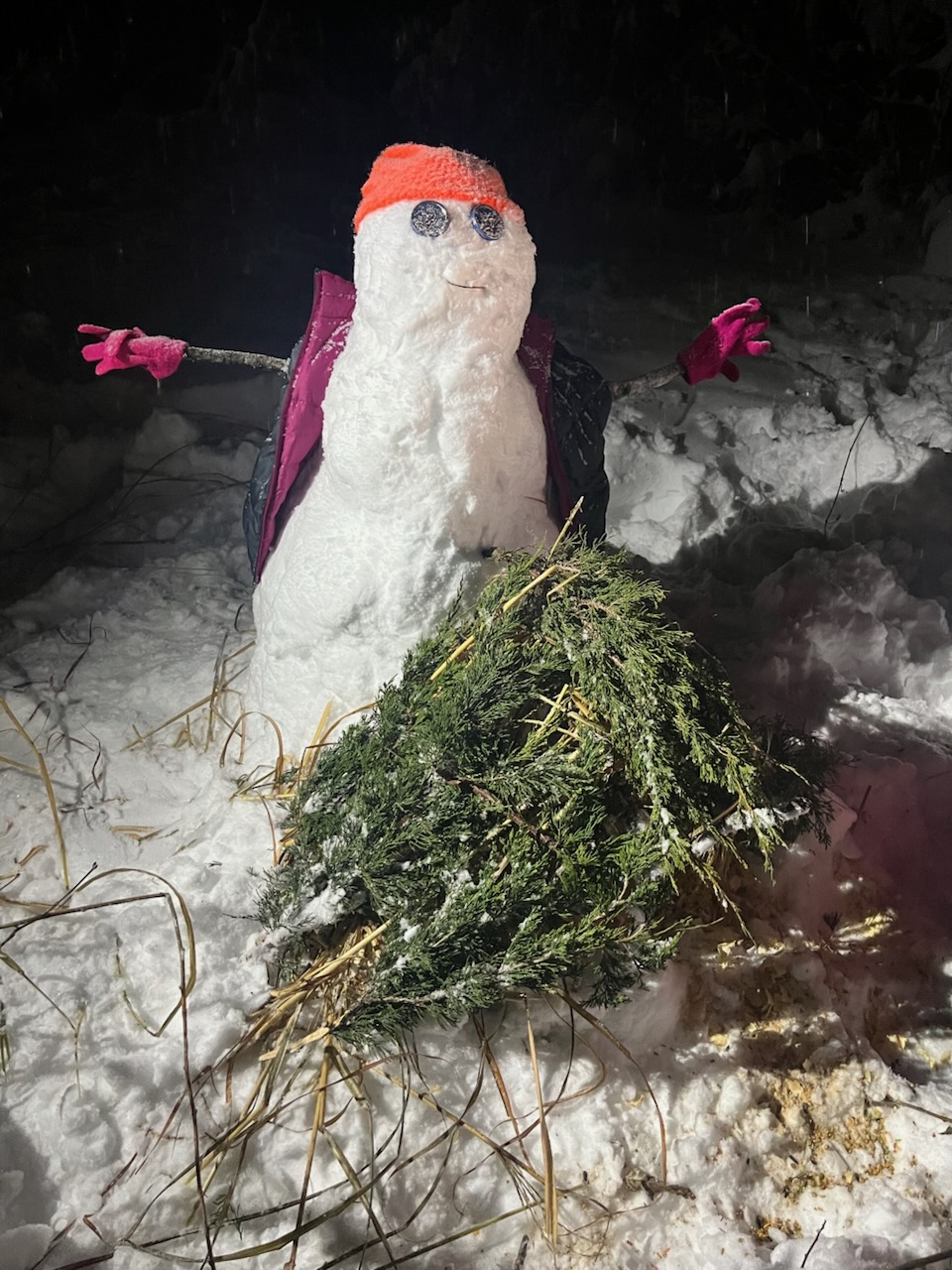
With more snow in the forecast for this week, kids may get more chances to head outdoors and have some fun.
Snow days are a routine part of winter in Maine, where weather regularly disrupts work and school schedules. When classes are canceled, families often turn to sledding, snowball fights and snowman building to make the most of the day.
State outdoor recreation officials also recommend dressing in removable layers to prevent overheating. Children who sweat while playing can become cold quickly once they stop moving. Waterproof outer layers and mittens are encouraged, as wet clothing increases the risk of cold-related illness.
The Maine Emergency Management Agency urges residents to monitor official alerts through the state’s Citizen Alert System and check Maine.gov for updated storm advisories, closures and safety information.
While snow days often bring a lot of joy, planning ahead can help reduce the risk of injury.
FINDING SAFE HILLS
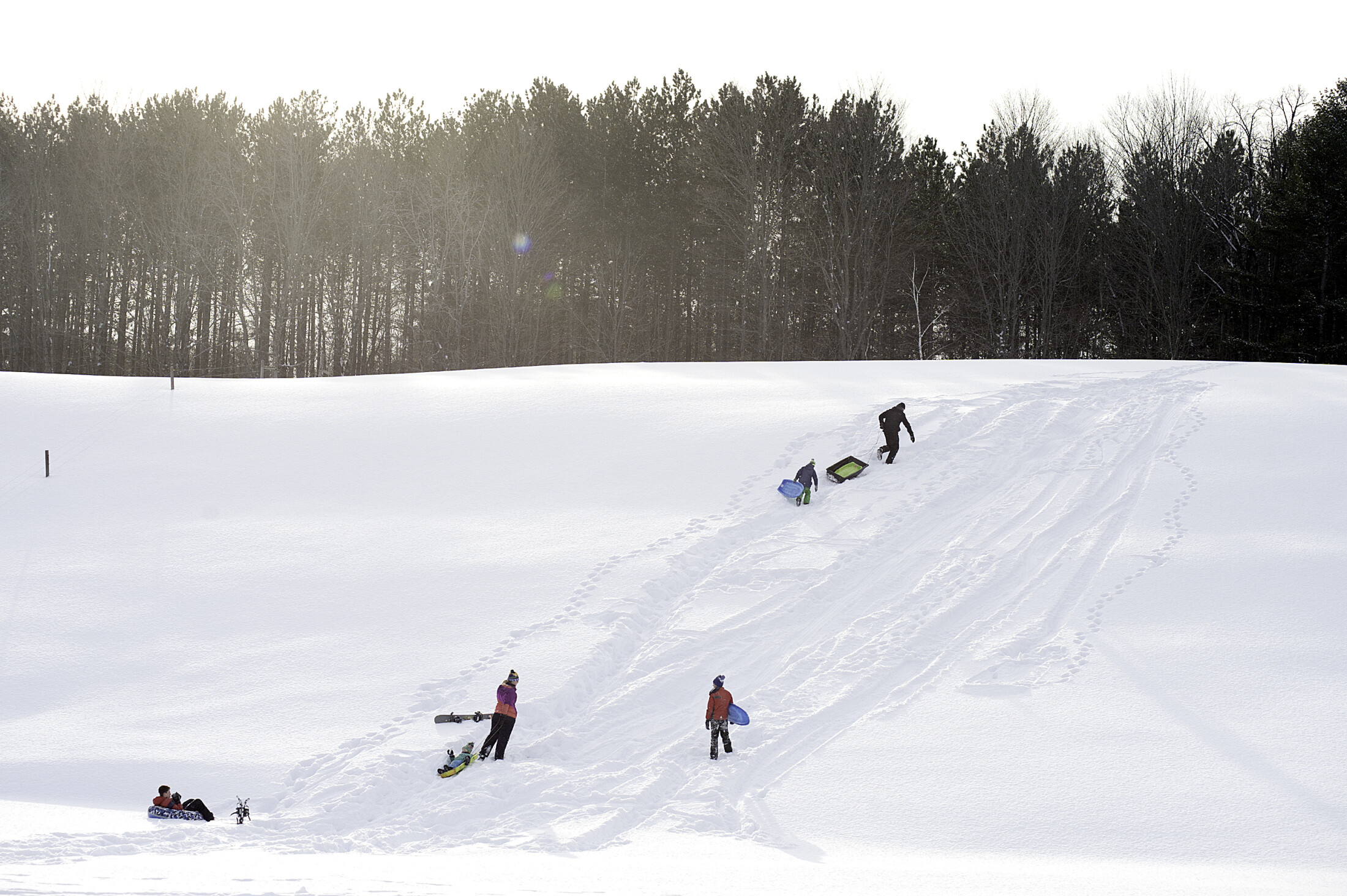
Safety officials recommend choosing sledding hills that are open, gently sloped and free of trees, fences, parked vehicles, roads or bodies of water. Hills should end in a long, flat area where sleds can slow naturally.
Residents are encouraged to walk hills before use, as snow can hide rocks, ice patches, stumps or uneven ground. Sledding near roads or driveways is discouraged.
TYPES OF SLEDS
Different sleds offer different levels of speed and control.
Traditional plastic sleds are lightweight and easy to carry but provide little steering. Foam sleds are slower and often preferred for younger children.
Snow tubes are popular but difficult to control and should only be used on wide, open hills with no obstacles. Officials caution against using tubes on steep or narrow slopes.
Steerable sleds equipped with handles or brakes provide more control and are often recommended for larger hills.
Wooden sleds, common in many Maine households, typically feature metal runners and a rope or steering bar. Wooden sleds can be fast on packed snow and may be difficult to stop. They are best suited for long, open hills with clear runout areas. Families are advised to inspect wooden sleds for loose slats, sharp edges or exposed hardware before use, and helmets are encouraged due to their speed.
Makeshift sleds such as cardboard, trash can lids or plastic containers are discouraged because they offer little control, can break easily and increase the risk of injury.
Riders should sled feet first while sitting upright and walk back up hills along the side, away from active sledding paths.
SNOWBALL PLAY
The best snow for snowballs is slightly wet snow that packs easily, often found when temperatures are near freezing. Powdery snow will not hold together, while icy snow can become dangerous.
Safety experts recommend keeping snowballs small and loosely packed, avoiding ice or debris, and establishing rules such as no throwing at faces or at close range to prevent eye and facial injuries.
SNOWMEN, FORTS AND CREATIVE PLAY
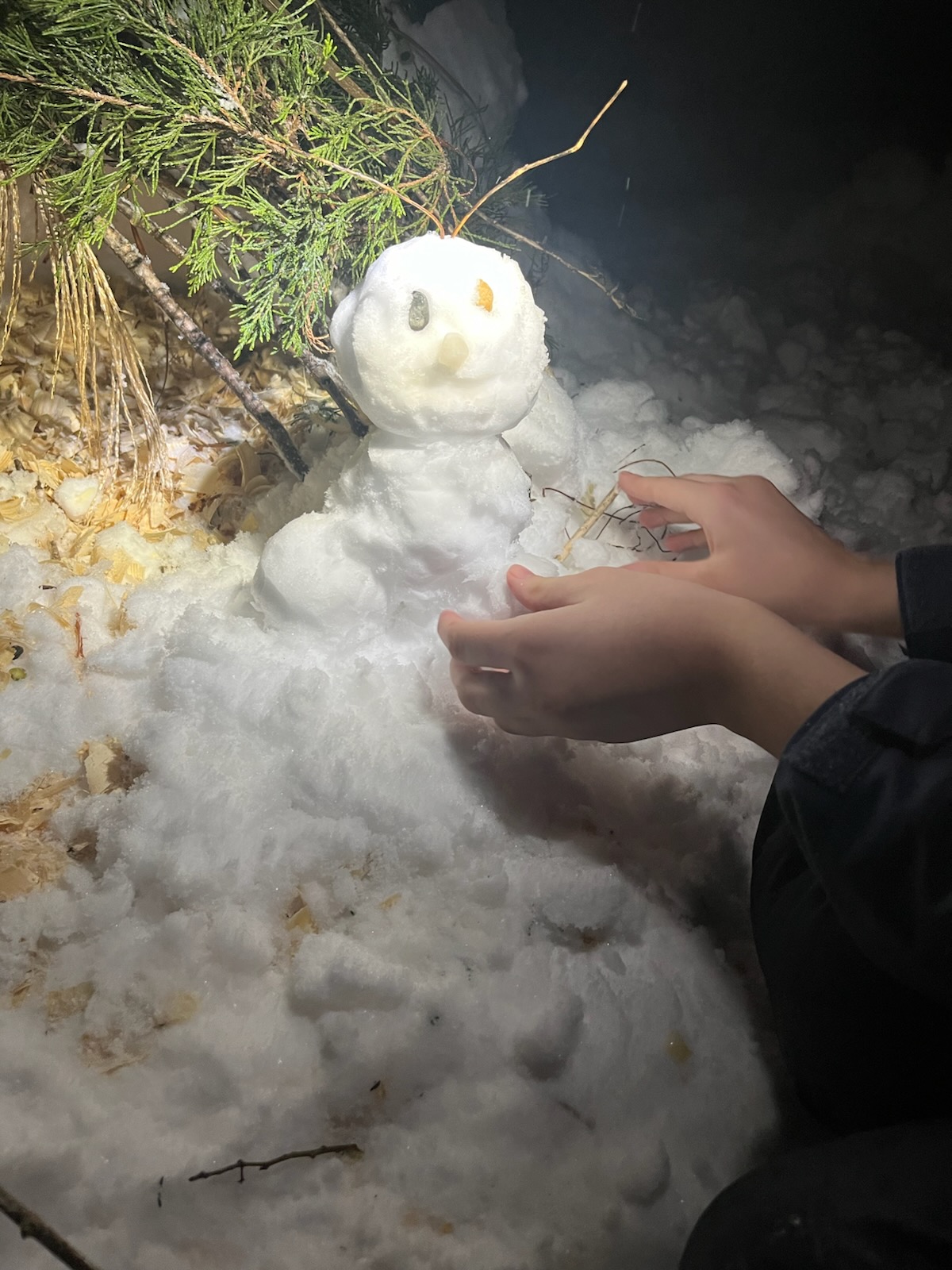
Heavy, packable snow is also best for building snowmen and snow forts. Rolling a small snowball along the ground allows it to grow into a sturdy base, with additional sections stacked on top. According to BBC Science Focus, moist snow that forms near the freezing mark is best for building snowmen because it holds together more easily.
Officials advise building snow structures in open areas away from roads, driveways and plowed snowbanks. Tunnels or enclosed roofs are discouraged, as compacted snow can collapse.
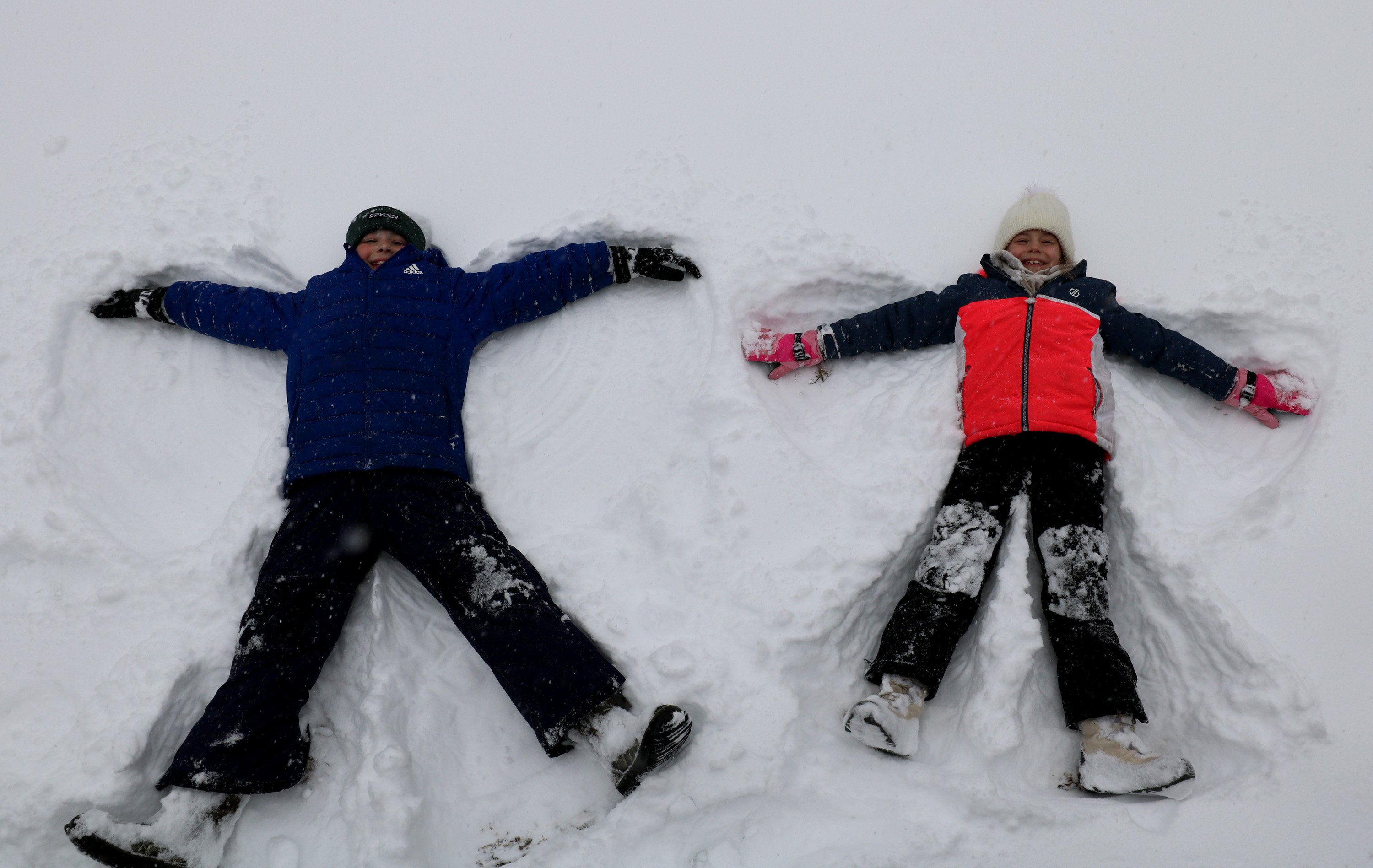
Snow angels, created by lying on flat snow and moving arms and legs outward, are considered one of the safest snow day activities, though waterproof clothing is recommended to prevent becoming wet.
WHAT TO WEAR
The Maine Emergency Management Agency and state health officials recommend dressing in layers, including insulated winter coats, waterproof snow pants, hats that cover the ears, mittens or gloves, and waterproof boots.
Wet clothing can quickly lead to frostbite or hypothermia, particularly during extended outdoor play. Officials advise taking frequent warm-up breaks indoors and changing wet gear promptly.
Preparation, both indoors and outdoors, can help families enjoy winter conditions safely.
WHEN TO STAY INDOORS
State emergency officials advise limiting outdoor activity during periods of extreme cold, high winds or reduced visibility.
The Maine Emergency Management Agency recommends staying indoors when the wind chill factor drops temperatures to dangerous levels, particularly for young children, and avoiding outdoor play during heavy snowfall or whiteout conditions.
Warning signs that it is time to come inside include numbness in fingers or toes, shivering, wet clothing, fatigue, or complaints of pain from the cold. Extended exposure in these conditions can increase the risk of frostbite and hypothermia.
When conditions are unsafe outdoors, families can still mark a snow day with indoor activities such as board games, baking, reading, crafts, movie afternoons or building forts indoors while waiting for conditions to improve.

We invite you to add your comments. We encourage a thoughtful exchange of ideas and information on this website. By joining the conversation, you are agreeing to our commenting policy and terms of use. More information is found on our FAQs. You can modify your screen name here.
Comments are managed by our staff during regular business hours Monday through Friday as well as limited hours on Saturday and Sunday. Comments held for moderation outside of those hours may take longer to approve.
Join the Conversation
Please sign into your Sun Journal account to participate in conversations below. If you do not have an account, you can register or subscribe. Questions? Please see our FAQs.