
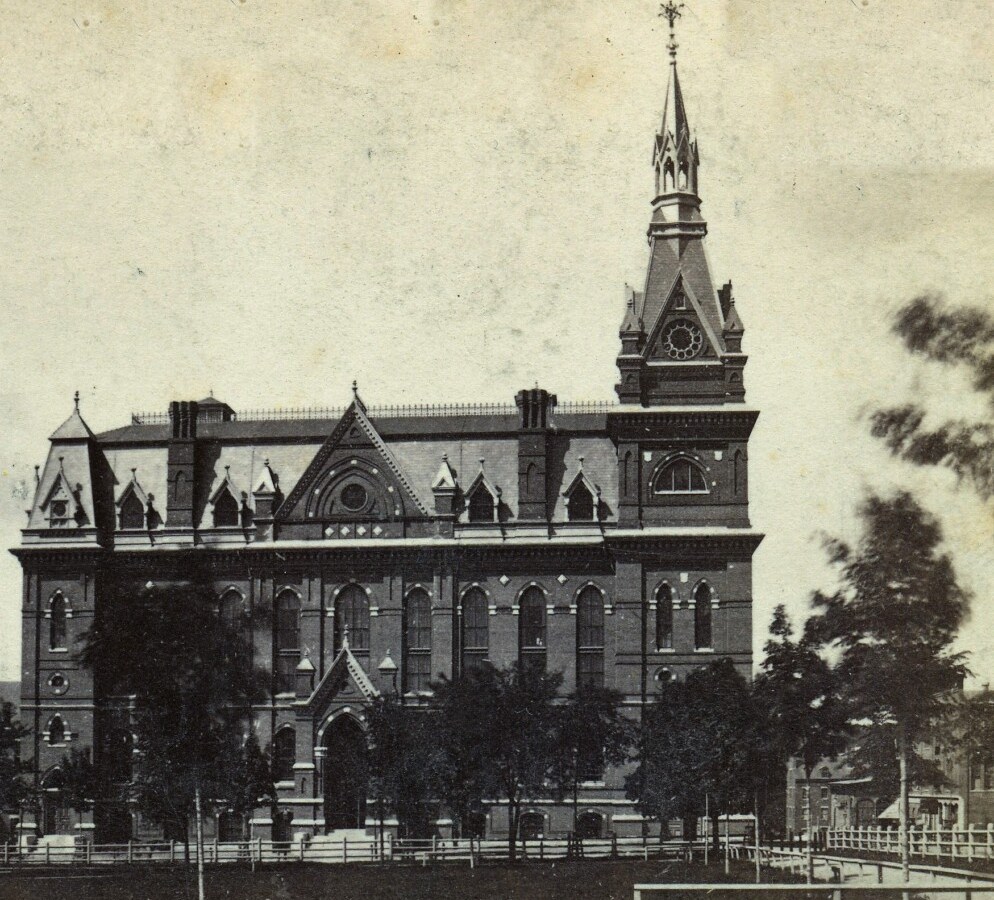

When Lewiston City Hall caught fire on Jan. 7, 1890, flames leapt 200 feet in the air as the blaze turned the monumental structure into a pile of rubble in little more than an hour. “It was a carnival of fire,” the Lewiston Evening Journal reported, “an enormous boiling furnace” so bright that it lit […]
175th anniversary
News and information about the 17th anniversary of the Sun Journal.
Posted in175th anniversary, Lewiston-Auburn
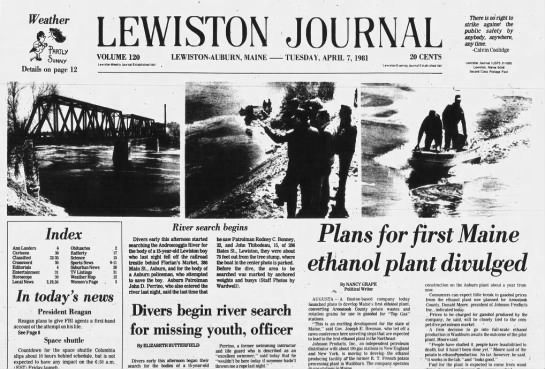
Over the years, at least 129 people have drowned in the Androscoggin River in Maine
Nine out of 10 known victims were male, often boys, and about half of those killed in the river were 18 or younger.
advertisement
Posted in175th anniversary
Chapter 10: The inquest, day one
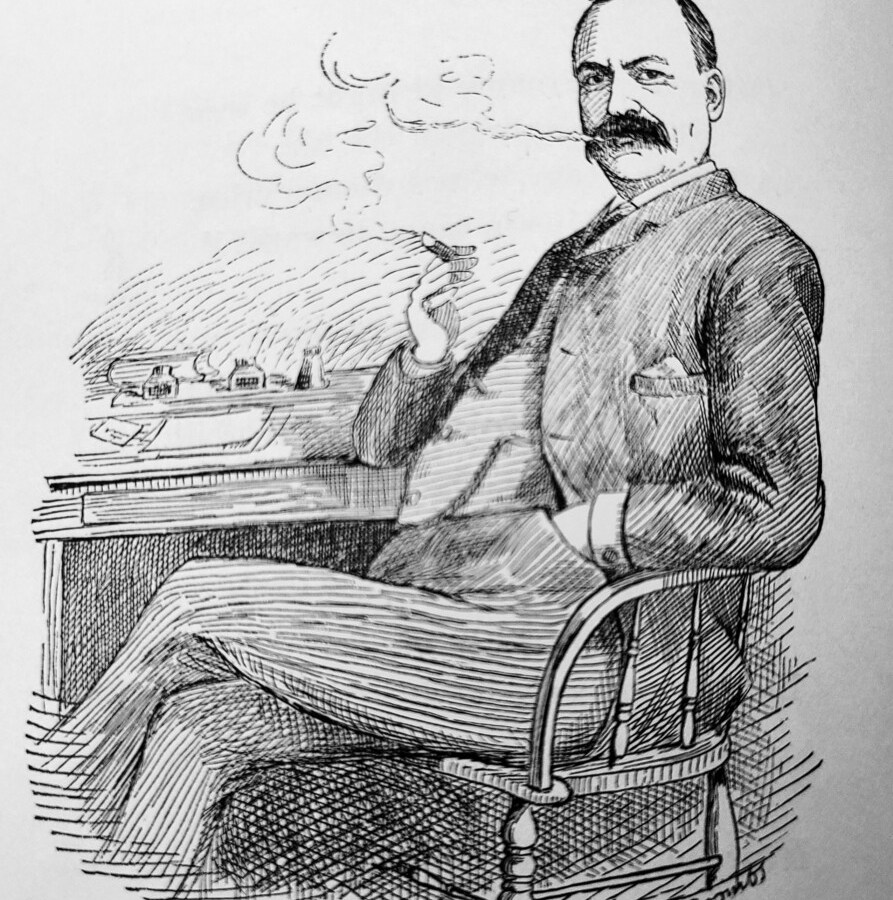
Their first decision was to bar the crowd outside from squeezing into the room, keeping those inside to a minimum — the coroner, Androscoggin County Attorney George Wing, the witnesses and the press. It seems that Frank Dingley, the Lewiston Evening Journal’s intrepid editor, was always allowed to see whatever he wanted.
Posted in175th anniversary, bPlus
A heat wave in 1911 brought misery and death to Maine and beyond
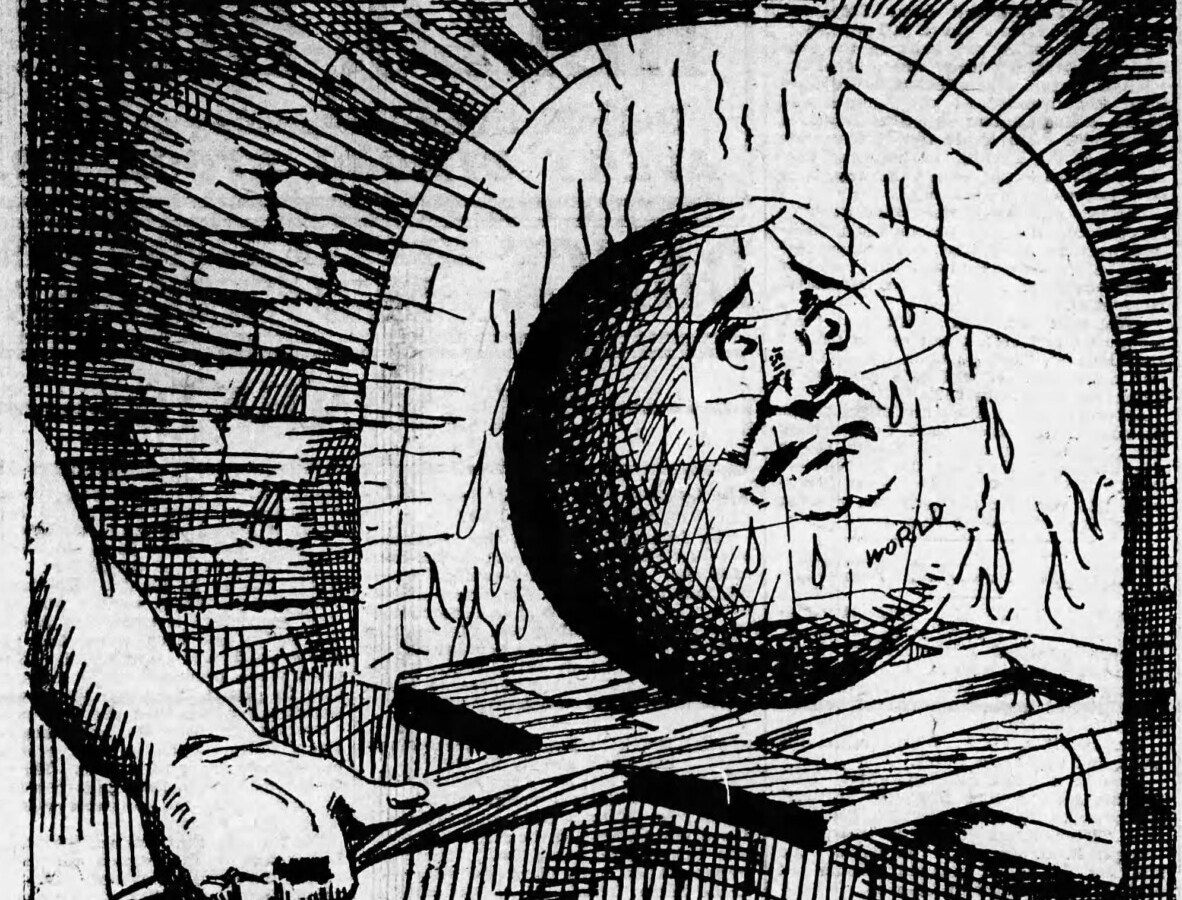
Find our full archive of newspaper content at sunjournal.com/archives With thermometers across Maine pushing 110 degrees in July 1911, it’s no wonder that the baggage handler for the Maine Central Railroad in Livermore Falls collapsed on the job one afternoon. So, too, did Bert Clark, the blacksmith just down the street. A handful of workers […]

Posted in175th anniversary, Lewiston-Auburn, News
Fire in New Auburn in 1933 left 422 families homeless

‘The high blaze jumped from building to building, almost burning them flat before the tenants knew what was going on,’ reported the Evening Journal.

Posted in175th anniversary
The people behind the paper: Copy editor Mary Delamater
“I was covering a hearing in a murder case in Oxford County Superior Court in Paris one afternoon and the defendant referred to himself as a “sacrificial lamb.” Shortly after … a very tall, blonde, Viking-type fellow in a white tank top shirt came to my desk … and put a small brown cardboard box on my desk and left. Nothing said. I foolishly opened it. …”

Posted in175th anniversary
Chapter 9: The life and times of James Lowell
James Lowell served in Company G, which never saw active fighting, but didn’t have it easy. Among the places its men guarded were the Seneca Quarries in western Maryland, where the stone for the original Smithsonian building came from.

Posted in175th anniversary
Chapter 8: Getting ready for Lowell’s inquest
Interest in the case ran so high that when copies of the Journal began rolling off the press, hordes waited outside the building for a chance to buy one for 2 cents. Some stood patiently for hours since the editor declared that subscribers would get their papers first.

Posted in175th anniversary
Chapter 7: A big scoop for the Journal
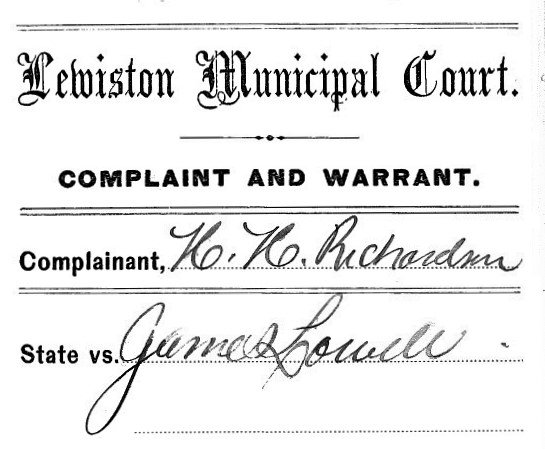
Arriving at the jail, the city marshal told James M. Lowell he’d get the best accommodations possible and brought him to the northwestern corner cell, where the local newspaper editor noticed that the bones collected on Switzerland Road — thought to be the remains of Lowell’s wife — were still bound up in a mat in the corner, some of them protruding into the air.
Posted in175th anniversary
Chapter 6: Rounding up a suspected killer
After James Lowell stepped down off a wagon, where he was loading rags at the Munroe’s Paper Mill in Lowell, Massachusetts, Officer E.D. Wiggin of Lewiston handed him a copy of that day’s Boston Journal, which carried an account of the discovery of the headless skeleton in Lewiston.