
Searching for the flavor of summer under that snow and ice?
Hopefully you didn’t wheel your grill into storage for the winter, because getting that grilled steak fix is as easy as firing up the burner and scraping off the racks.
OK, maybe that’s overstating it slightly; the steak does need to be seasoned with a rub or marinade. But you get the point.
The days of grilling overcooked, dry and flavorless steaks are over. Paul Landry, co-owner and chef at Mac’s Grill in Auburn, shares the not-so-secret secrets of how to grill the perfect steak.
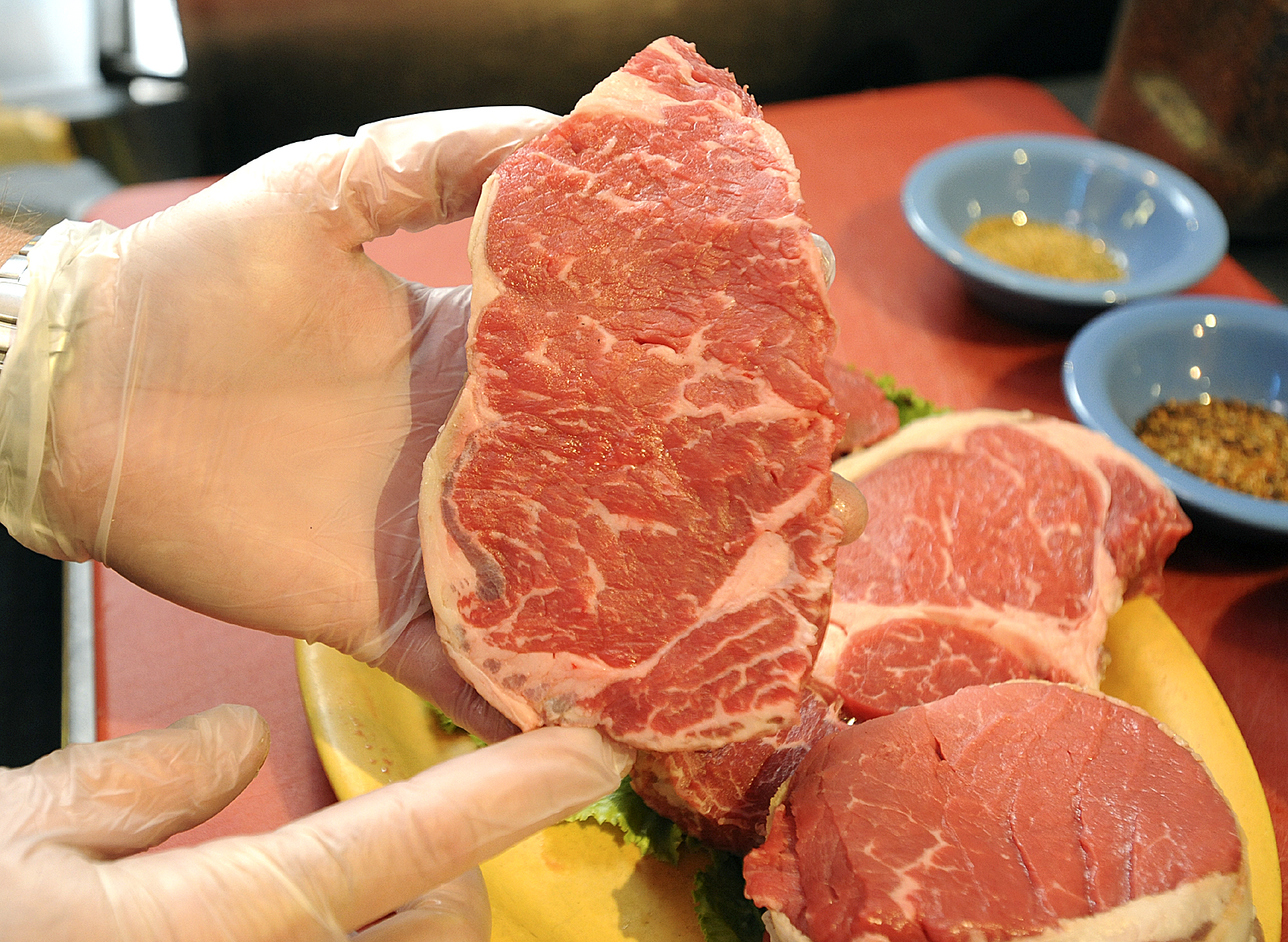
Start with choosing your cut. Knowing the grading system of “prime,” “choice” and “select” is helpful, but it shouldn’t be the only thing your decision is based on. When you’re at the store, says Landry, look for a cut of meat that is well marbled – in other words, one that has lots of thin white lines running through it. These lines of fat will add flavor to the meat as they render out during the grilling process.
“That marbling is actually what tenderizes the steak,” says Landry. If the cut is of a lesser grade, tenderizing before cooking is fine.
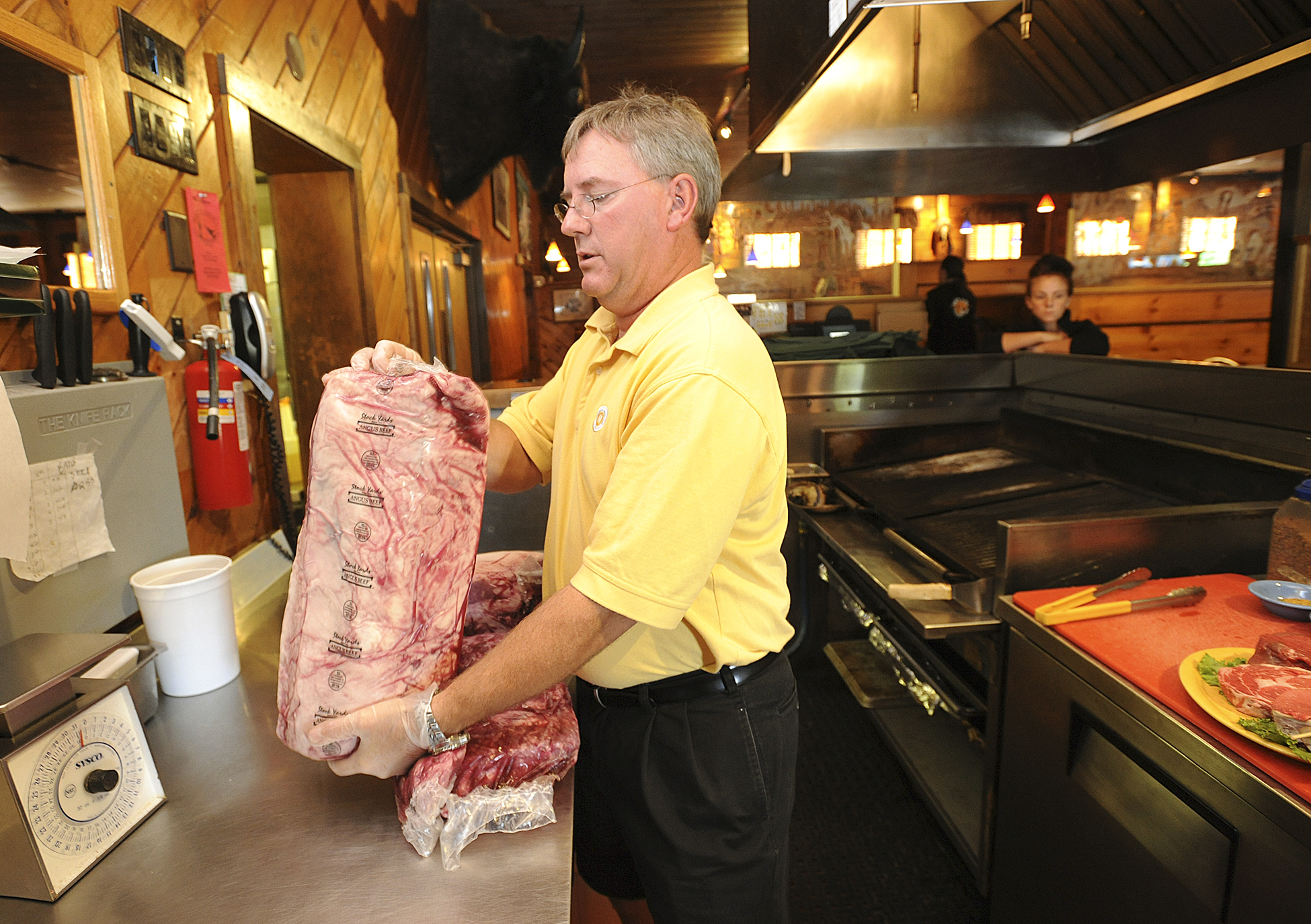
Getting the cut of meat you want is even easier today, he says, since most grocers have staff in the meat department. They can assist you in selecting a good steak, and they are often also willing to re-package cuts you pick out.
Choosing your marinade or rub comes next. A wet marinade or acid-based marinade (vinegar or citrus) will flavor the meat at the same time it breaks down some of the toughness of a cut of meat, while a dry rub focuses mostly on adding flavor. At Mac’s, their signature dry rub is similar to Montreal Steak Seasoning.
For the do-it-yourselfers, making your own rubs and marinades is great, and Landry encourages creativity. But he says many of the premade varieties work just as well and come in several flavors. He does caution to never reuse a marinade once it has been applied to meat.
Avoiding cross-contamination is an important factor in any cooking, and grilling steak is no different. Preheating a grill on high for 10 to 15 minutes is the surest way to not only loosen residue from the previous use, but also to burn off any bacteria. Before you toss those seasoned or marinaded cuts of beef on the fire, spray or coat the grate with oil to prevent sticking.
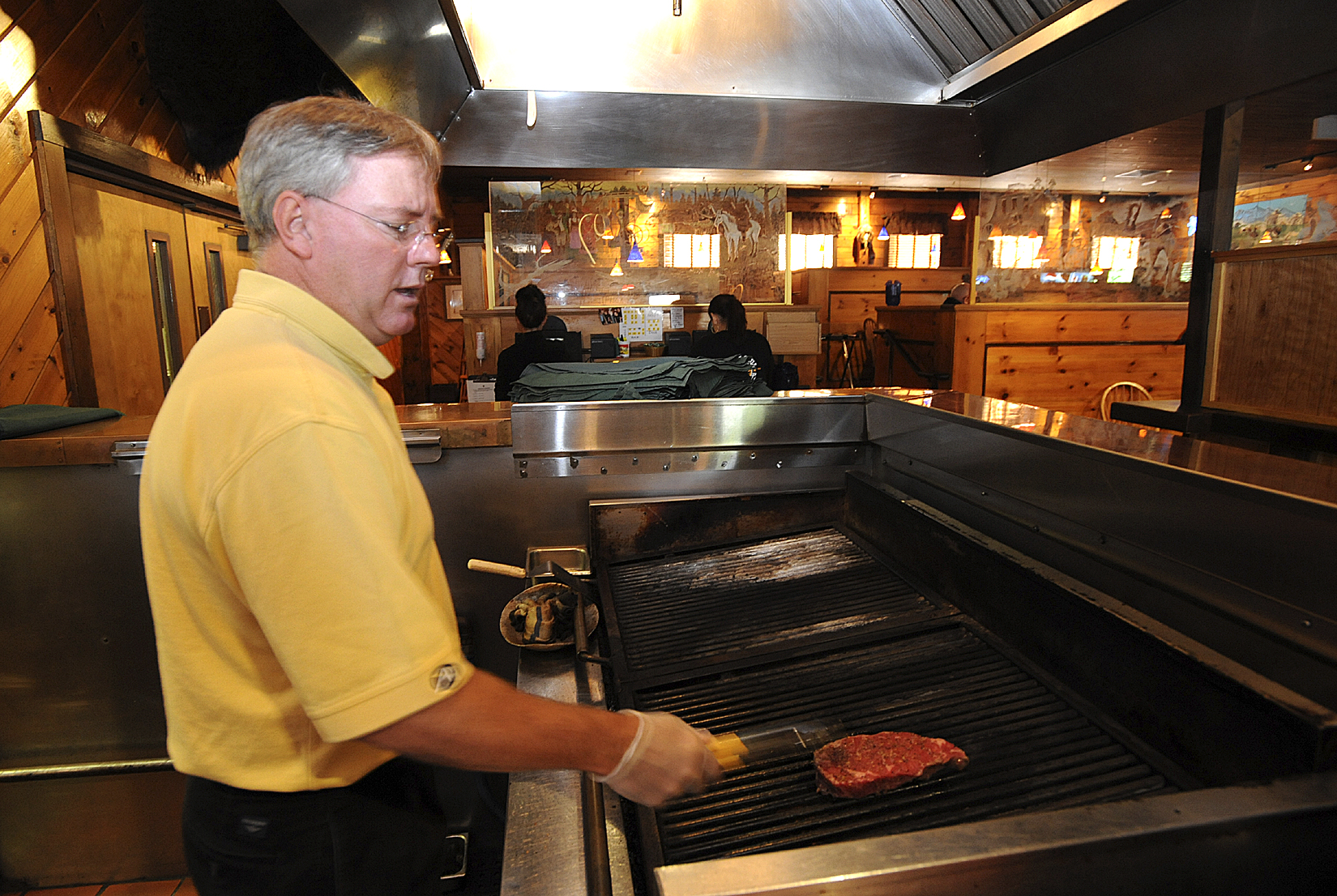
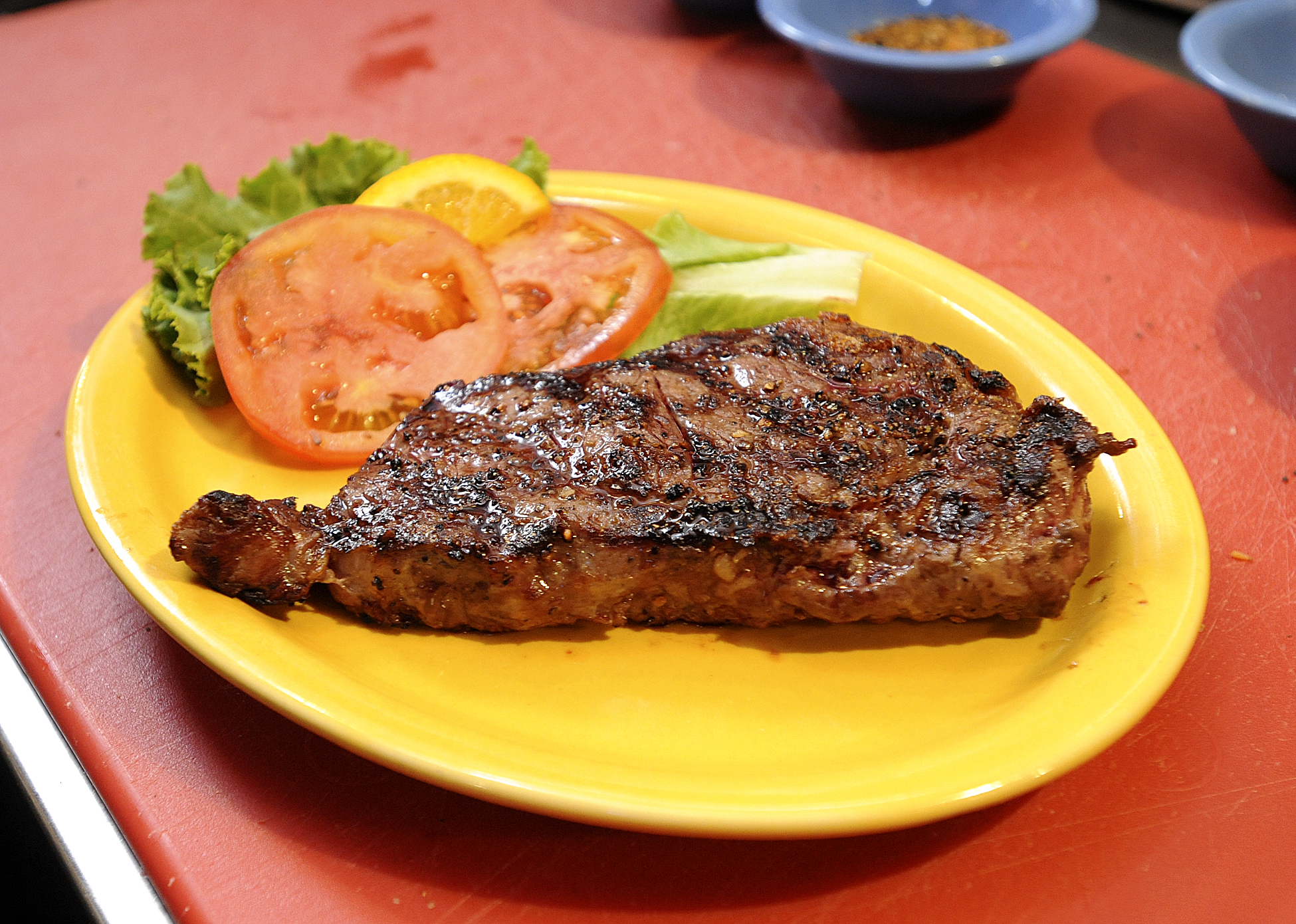
Now you’re ready to apply the heat, and another Landry lesson: “To cook steak really well, it’s all about how well you can sear both sides of the steak,” he says.
Moving a steak too soon or too often results in it being more poached than seared and grilled. Landry says that once you set the steak down, it should sit for three to four minutes before being flipped on the other side. For added grill marks, slightly turn the steak before flipping it to the other side. Landry advises cooking over high heat the entire time, not leaving the grill until the steak is done. However, if you have to step away from the grill, sear the steak on both sides over the highest heat, move it to the top rack and turn the temperature down to low and let it cook.
Cutting or piercing a steak to check for doneness is another no-no. Landry encourages the use of a simple palm test; certain areas of the palm side of your hand mimic the firmness of a steak at various stages of the cooking process. (See Tips.) He also says it’s important to remember that the meat will continue to cook for up to 10 minutes after it is removed from the grill.
“As soon as you make a cut on that steak, you’re losing all the color and you’re losing all the juices,” says Landry. “You’ll end up with a very tough steak.”
If you’ve taken the steak off too soon and it isn’t done to your liking, Landry says simply put it back on the grill for a few minutes.
“If you overdo a steak, or you’re cutting, stabbing or probing it and letting all the juices out, you can’t get that back,” says Landry. “It’s a lot easier to resurrect it when it’s underdone.”
Gettin’ ‘er ‘done’ with Paul Landry
Never cut into a steak that is cooking; it will dry it out and speed up the cooking process.
The palm test is the best for determining doneness:
• The fattiest parts of your palm are in the lower-most area.
• A steak that is rare to medium-rare will feel similar to those fatty pads in the palm.
• A more well-done steak will feel like the firmer areas at the top of the palm, just below the fingers.
Remember: a steak continues to cook for up to 10 minutes after removed from the grill.
Tips
Any and all tenderizing should be done prior to cooking.
Avoid cross-contamination. Store meats/fish in the lowest (colder) part of the refrigerator where they can’t drip on other foods.
Don’t rush the thaw process; place frozen meats in the bottom-most part of the refrigerator to slack (thaw) over a day.
Only freeze the freshest cuts of meat. Cook cuts of meat that are close to or at the sell-by date the day you purchase them.
It’s OK to pull steaks out of the fridge and let them sit at room temperature for up to an hour before cooking.
Sear a steak, don’t poach it.
The flavor
Tougher cuts of meat require marinades, while more tender pieces will do well with just a rub.
An easy rub consists of salt, pepper and garlic.
Look for well-marbled meat, with lots of white lines running through the meat. The fat tenderizes the meat as it renders in the grilling process.
Be creative with marinades and rubs, try new flavors and utilize the Internet. “The Internet is a wonderful thing. Go online and Google beef marinade for grilling steaks and it will probably come back with 40 to 50 to 100 different marinades just for steak,” says chef Paul Landry.
Comments are no longer available on this story