
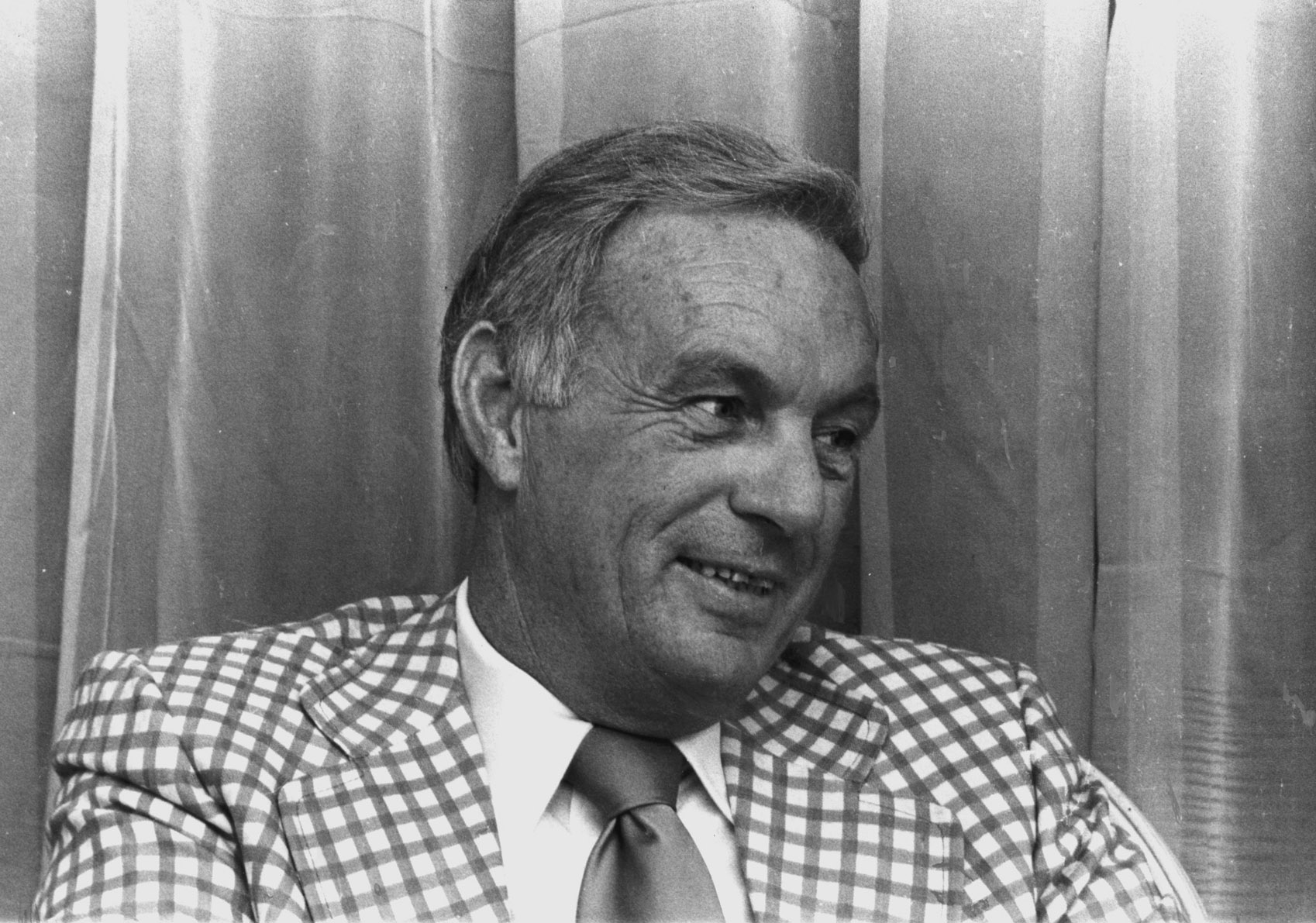
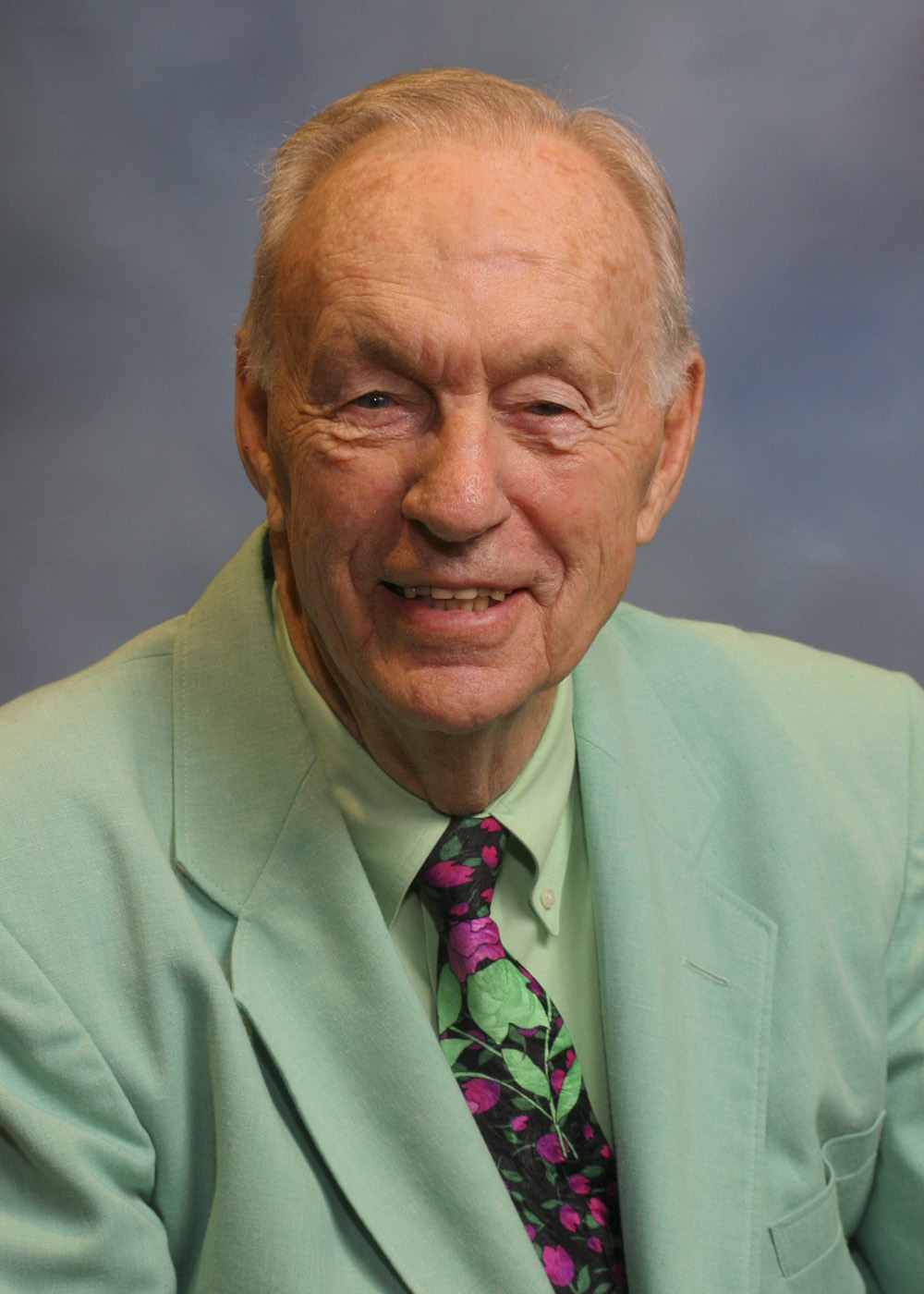
LEWISTON — Bob Hatch, a soft-spoken, gentlemanly force behind Bates College athletics, died this weekend. He was 85.
For 42 years — from 1949 until 1991 — the pro football draftee led sports at the Lewiston college. He started as the freshman football coach. He went on to coach the varsity football team for 20 years. He spent another 17 years as the athletic director, greatly expanding the offerings for women in Bates sports.
“At a time when few schools were doing anything, he created opportunities for women athletes,” said Suzanne Coffey, who spent five years as Hatch’s associate director before succeeding him as the athletic director. While similar-sized schools such as Bowdoin College in Brunswick were hosting their first women students, Hatch was building female varsity teams and ensuring that they had proper locker rooms, schedules and uniforms, she said.
“There was no bravado,” said Coffey, who now works as the athletic director at Amherst College. “He thought of it as just the right thing to do.”
Former Lewiston and Auburn Mayor John Jenkins, who played football for Hatch in the early 1970s at Bates, said he was “surprised and saddened” by the death of his mentor.
“He was a patient, kind man,” Jenkins said Monday. “He was a class act in a very rough and tumble sport.”
Hatch, who continued to live in Lewiston after his retirement, had reportedly been treated in the hospital in recent weeks.
Longtime friend and fellow coach Fern Masse of Auburn had seen Hatch just before Christmas. Though he’d slowed, Masse said, Hatch remained an enthusiastic member of a group of local aging coaches who gathered monthly. Their whimsical name, “The Romeos,” served as an acronym for “retired old men eating out.”
Hatch was “an outstanding man,” Masse said. “He will be missed.”
Born in Melrose, Mass., Hatch served three years with the Marines in World War II. When the war ended, he attended Boston University, becoming a standout in baseball and football. He was drafted by the New York Yankees of the old All-America Football Conference and the NFL’s New York Giants. Instead, he joined the staff at Bates College. In 1955, he also joined its faculty, teaching physical education.
By the time Jenkins played football at Bates, Hatch was a seasoned coach with two decades of experience. He was known for his kind composure, despite losing games and seasons.
“He was a champion,” Jenkins said. “He wanted to win as much as anyone. But he taught everyone to have a cool head.”
He also taught them the value of work and doing what’s right, “even when no one was watching,” Jenkins said.
After leaving his role as football coach in 1972, Hatch took a sabbatical to visit every school similar to Bates in the Northeast, Coffey said. When he returned, laws were just being written to ensure better athletic opportunities for girls and women. As the athletic director, he led the changes at Bates, not only for students but staff as well.
In 1985, when Coffey joined him as an associate director, he shook up meetings among the region’s athletic directors by insisting that she attend.
“You know that didn’t go over well,” Coffey said. He never budged. And he never stopped teaching.
“For the entire five years we worked together, he’d spend an hour with me every morning, just teaching me,” Coffey said.
Before his retirement in 1991, Hatch was inducted into the Lewiston-Auburn, Maine and Boston University sports halls of fame.
Masse said his friend became a woodworker, building furniture. He also became a grandfather. He and wife, Lorraine, had three children: Lynda Hatch Letteney, Karen Hatch Long and Mike Hatch. They had three grandchildren.
Lorraine died last March. The couple was married for 61 years.
Comments are no longer available on this story