
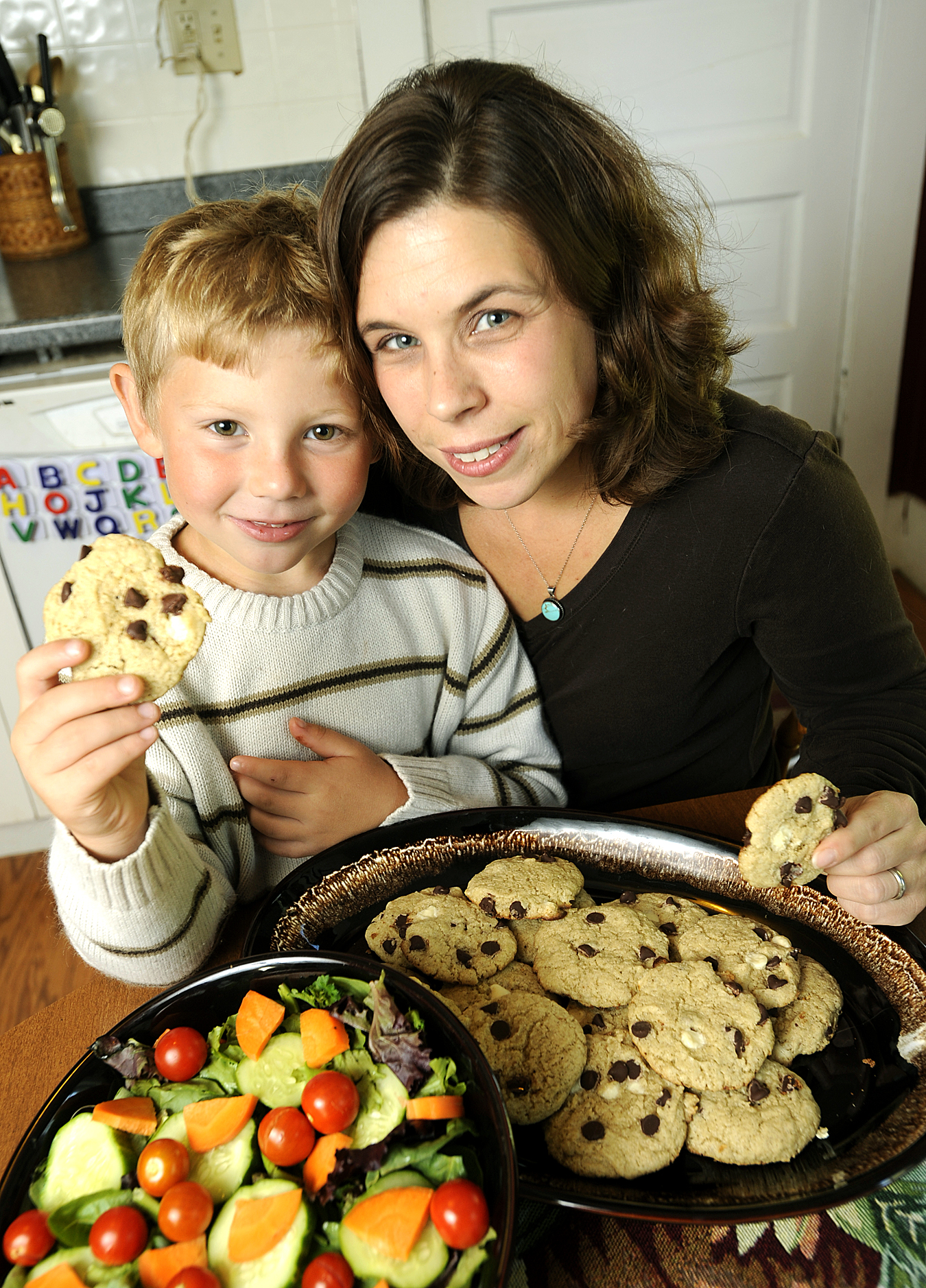
Jen Van Valkenburgh of Winthrop was constantly sick as a child. She had severe stomach distress, sinus infections regularly, would get what she calls a “thick throat” and generally felt all around miserable. This nastiness continued into her adulthood without a diagnosis that provided relief, and she reluctantly continued to deal with it.
Until 10 years ago.
A chiropractor recommended she try an elimination diet — a diet where you remove several food groups and then slowly reintroduce them one at a time to see if there is a correlation between certain foods and the adverse effect one is feeling. Her result? Gluten was the culprit.
“I had (a reaction to gluten) all my life and it was something that was building, building, building and it just got to the point where my body was overloaded and couldn’t tolerate it anymore,” says Van Valkenburgh. “I had a couple granola bars and thought I was going to die! Now, I stay far away from (gluten). I haven’t touched it in about 10 years.”
Gluten is a protein that is found in wheat, rye and barley, and is in foods such as cereals, breads, baked goods, pasta and alcohol. There can also be trace amounts in products such as vitamins, medicines and lip balms.
“If you’ve ever made a loaf of bread, it’s the stuff that makes the dough elastic,” explains Denise Dill, community cooking educator at St. Mary’s Nutrition Center of Maine. The center holds a gluten-free support group once a month.
Gluten intolerance is an auto-immune disorder where people can’t fully digest the protein. It can manifest itself in many ways, but generally one has similar symptoms to Van Valkenburgh’s. In the more extreme cases, a person may have celiac disease, a genetic auto-immune disorder that affects the small intestine. Either way, avoiding gluten is absolutely critical.
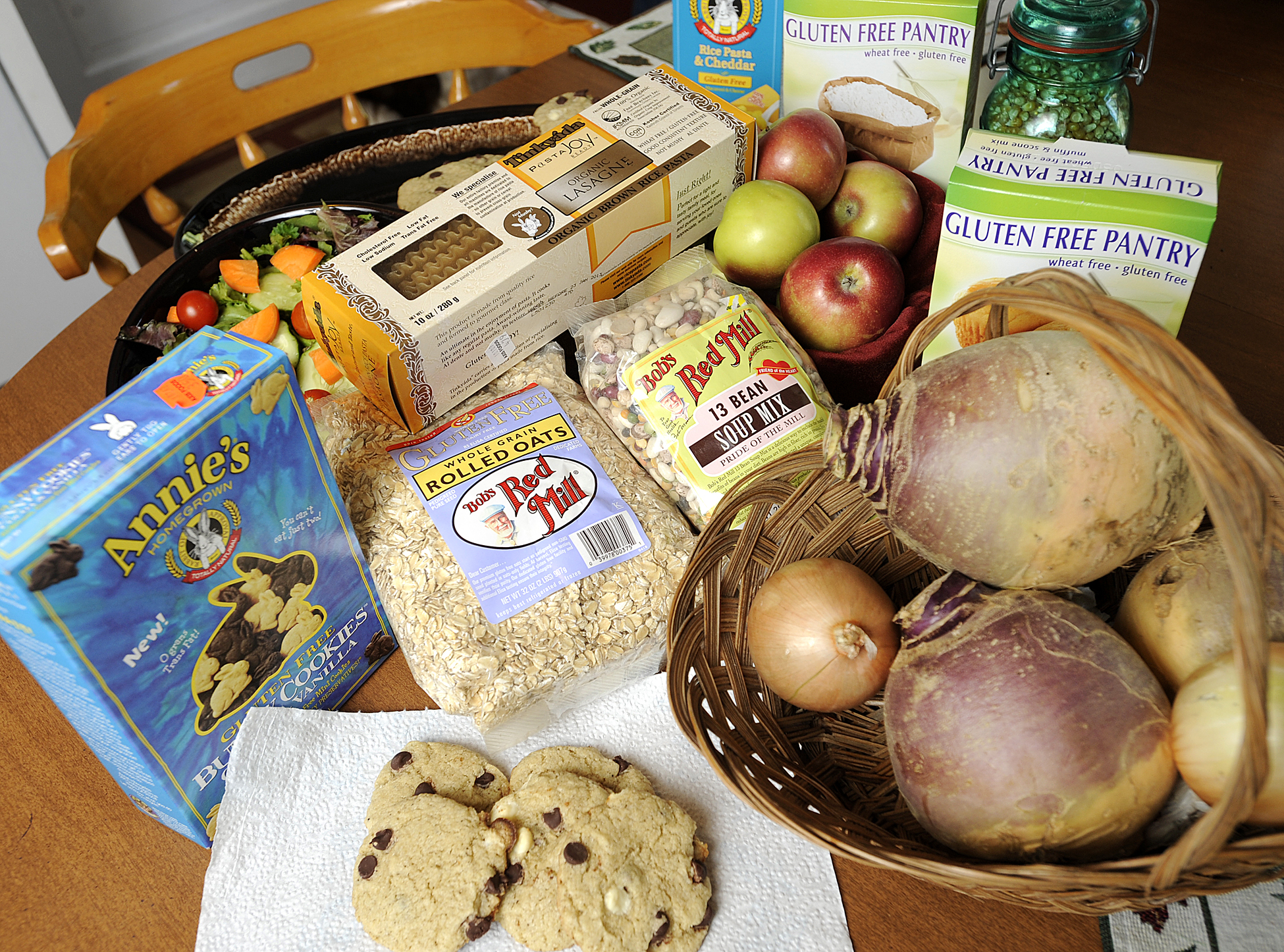
“I eat non-gluten products,” says Dill, who recently found out she has a slight intolerance to gluten. “I don’t eat bread, which is really hard for me because I love baking. I eat a lot of brown rice pasta or corn pasta, rice cakes or tortilla chips instead of crackers.”
With supermarkets becoming savvy to people’s dietary needs, it has become easier to find gluten-free alternatives, however, the specialty products do tend to be more expensive.
At home, Van Valkenburgh, whose 6-year-old son also has a gluten intolerance, has modified her cooking to focus on items that are naturally void of gluten like fruits, vegetables and meats.
“Meals tend to revolve around fish or chicken and a vegetable and rice, so it’s back to a more traditional meal in a way,” she says, although even meat like raw chicken breasts can be injected with juices that contain gluten. Her husband and daughter, who don’t have intolerances, eat the same meals (although they sneak things that the others can’t have, like Oreos, says Van Valkenburgh).
When cooking gluten free, the simpler you keep it the better. Van Valkenburgh recommends experimenting with adding herbs and spices, and suggests trying the growing number of gluten-free products and mixes on the market. For example, a gluten-free flour kept on hand to use in thickening sauces (use equal to flour) is a great help, as is a stocked pantry full of gluten-free baked good mixes. These she can whip up for unexpected company or to send with her son to a child’s birthday party so he doesn’t miss out on cake.
Preparing food at home is one thing, but when you are trying to dine out, well, that’s a whole other challenging situation. Luckily, restaurants are starting to accommodate patrons with allergies, and more and more options are popping up on menus.
Locally, Sam’s Italian Sandwich Shop and Pat’s Pizza now both offer a gluten-free pizza dough. For those diagnosed with the disease later in life, having to give up pizza was difficult.
“Out of all the things we missed the most, pizza was pretty high,” recalls Van Valkenburgh.
David Bishop, manager of the Pat’s Pizza in Auburn, was hesitant when he was approached with the idea of offering gluten-free dough, but says that the pre-made dough they use has ended up being a hot seller.
“We probably sell about 75 (gluten-free pizzas) a week,” says Bishop. “People are pretty thankful — people who haven’t been able to have pizza in 20 years. It’s been a great thing and we take it very seriously. It’s a huge responsibility on our end to make sure that we don’t cross contaminate.”
Area bakeries are also joining in offering gluten-free products. Grant’s Bakery in Lewiston has gluten-free bread with and without blueberries, as well as several other baked goods. In Monmouth, Roadside Bakery and Cafe’s bread baker Caroline Levine makes several different types of gluten-free bread from scratch as well as a selection of pastries. Owner Cheryl Souza says demand has increased so much over the past year that she now takes special orders to ensure customers will receive their gluten-free loaf.
“The good thing about it is that the bread has a great shelf life, it freezes well and stays fresh and soft when you defrost it,” says Souza.
Those who have attempted to make their own gluten-free bread at home will tell you it’s an arduous task, so having good quality gluten-free bread available makes life a little easier for those with an intolerance to the protein.
Sure, the gluten-free products often don’t taste exactly like the traditionally prepared items. The bread isn’t exactly as fluffy as normal bread, the dough isn’t quite as chewy, the cake is a bit denser and the cookies lack a little something, but for those who thought they’d never be able to eat these foods again it’s a start, and it’s promising.
“Being gluten-free has become hugely easier, especially within the past five years,” says Van Valkenburgh.
Recipes from Jen Van Valkenburgh:
Peanut Butter Kiss Cookies
(A simple cookie recipe that doesn’t need any special ingredients.)
1 cup peanut butter (she uses natural peanut butter)
1 cup sugar
1 egg
1 teaspoon vanilla extract (gluten free)
24 Hershey kisses (she uses Ghirardelli bittersweet chips instead)
Cream together peanut butter and sugar. Add the egg and vanilla, and beat until blended. Roll into balls. Place 2 inches apart on ungreased baking sheets.
Bake at 350 degrees for 10 to 12 minutes. Remove from oven and immediately press chocolate into top and allow to cool. Yields two dozen.
Gluten Free Cornbread
(A great recipe to go with soups and chili in the cooling fall weather.)
1 cup whole grain cornmeal
1 cup of brown rice flour (or gluten-free flour mix; she recommends Gluten-Free Pantry brand)
1/2 teaspoon salt
1 tablespoon baking powder
1 egg
1/2 cup honey
1 cup milk
2 tablespoons butter, melted
Combine the first 4 ingredients in one bowl. Whisk the egg, milk and honey in a separate bowl. Add the egg mixture to the flour mixture and stir in melted butter.
Bake in an 8-inch pan at 400 degrees for about 25 minutes.
Sam’s Easy G-F Chocolate Chip Cookies
(Jen Van Valkenburgh’s son’s favorite)
1 bag Namaste gluten-free cookie mix
Follow directions on the bag.
Add a half-cup semi-sweet chocolate chips and a half-cup white chocolate chips
Bake as directed on the bag.
(Jen calls these the best gluten-free chocolate chip cookie mix they’ve tried.)
Comments are no longer available on this story