
Rick Ducharme was walking on Main Street in Lewiston, not sure what he wanted to do with his life, when an Air Force recruiter laid on the pitch. The still-uncertain 17-year-old decided to take the recruiter’s aptitude test.
“He flipped through (the test results). He said, ‘Air traffic controller, you don’t know anything about that, you don’t want to do that,’ so I decided right at that point that’s what I wanted to do,” said Ducharme, 54.
And he has, for three decades.
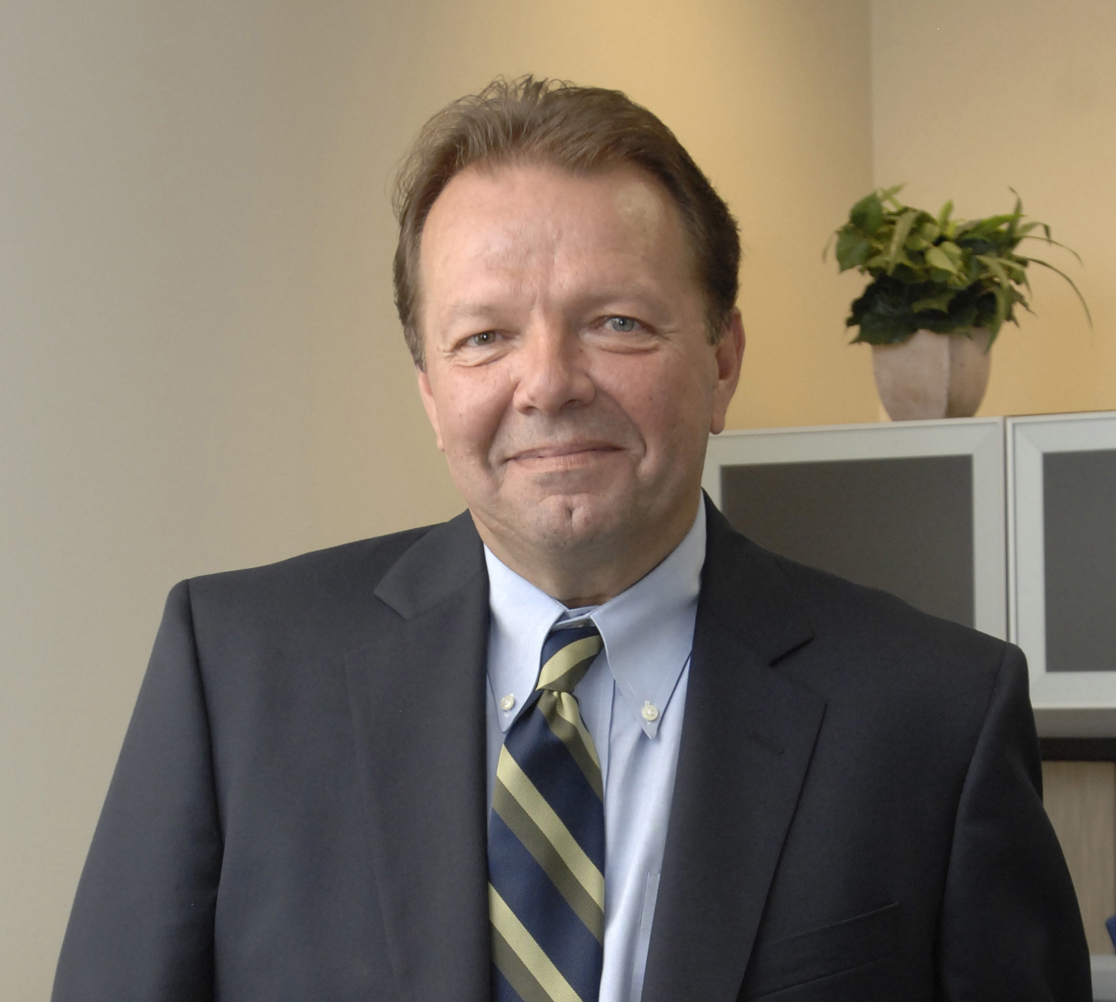
Three weeks ago, the Auburn native became deputy chief operating officer for the Federal Aviation Administration’s Air Traffic Organization. With the title comes oversight of 16,500 air traffic controllers at 400 airstrips, or, as one daunting line in his FAA bio reads:
“Ducharme is responsible for safe, efficient, and secure air traffic operations across the entire national airspace.”
His mornings begin with an “operational roundup.” Did everything the day before arrive on time, was it safe; how many planes were in the air?
“We ran 70,000 operations yesterday nationwide,” Ducharme said in an interview last week. That’s 70,000 arrivals and departures. “We had one incident.”
Not a close call, or even a nearly close call, but, “We hit the safety ring,” he said.
Ducharme grew up in New Auburn, played hockey at Edward Little High School and graduated in 1974. He stayed in the Air Force as an air traffic controller for four years before attending the University of Maine at Farmington on the GI Bill.
His first job out of college was at Boston’s Logan International Airport.
“There’s a competitive edge to it, to be able to move as many airplanes in and out of an airport as possible,” Ducharme said. “I totally love the camaraderie of being part of a team. It really is not an individual sport, for lack of a better term.”
Same goes for the new position: “I sit in the captain’s chair. I certainly like that and I’m proud of that, (but) I’m surrounded by a team of professionals who commit 24/7.”
The view, though, has changed over the years as he’s moved from branch manager for the eastern region of New York to division manager for the eastern region office to director for terminal mission support. Now, there’s no more tarmac.
“I’m sitting here looking at the Washington Monument,” Ducharme said, on the phone from his office.
He lives in northern Virginia but still has family here. His mother, Ruth Martin, lives in Lewiston and his father, the senior Richard Ducharme, lives in Auburn.
“Every now and then, I’ll have a twinge. I miss the lobster rolls, I miss the people, I miss the pace of life. Maine’s a great place,” Ducharme said. “My oldest is 7 years old. I think she’s just about ready for Old Orchard Beach.”
In addition to answering Congress’ questions and advocating for more funding, he flies three to four times a month, mostly for work.
“The first thing I do is make sure I don’t have a nervous flier sitting next to me,” Ducharme said. “I have zero trepidation of getting on an airplane. Part of that confidence is I know who’s on the other side of that microphone in those control towers, and they are the best in the world, bar none.
“We run more planes between Boston and Washington, D.C., in the course of a day than they do in all of Europe. Nobody runs them more efficiently and any safer than we do in the United States.”
Comments are no longer available on this story