
Daycare for children isn’t just daycare anymore. Most of today’s daycare programs feature a pre-school component in addition to the hands-on care and nurturing of little ones. In an increasingly competitive, technologically savvy world, directors and teachers of these programs feel the heavy responsibility of readying children for their educational journeys and yet, they are mindful of the importance of fostering a joy in learning.
Angela Robitaille, owner and director of Carol Ann’s Daycare Center in Lewiston, has been caring for and teaching young children since 2005. She taught kindergarten for three years and eventually took the reins of the program from her mother-in-law three-and-a-half years ago. In her professional experience, social learning – sharing, using words and not physicality to communicate needs, having the ability to sit and listen to a story – are all key to success in later learning environments.
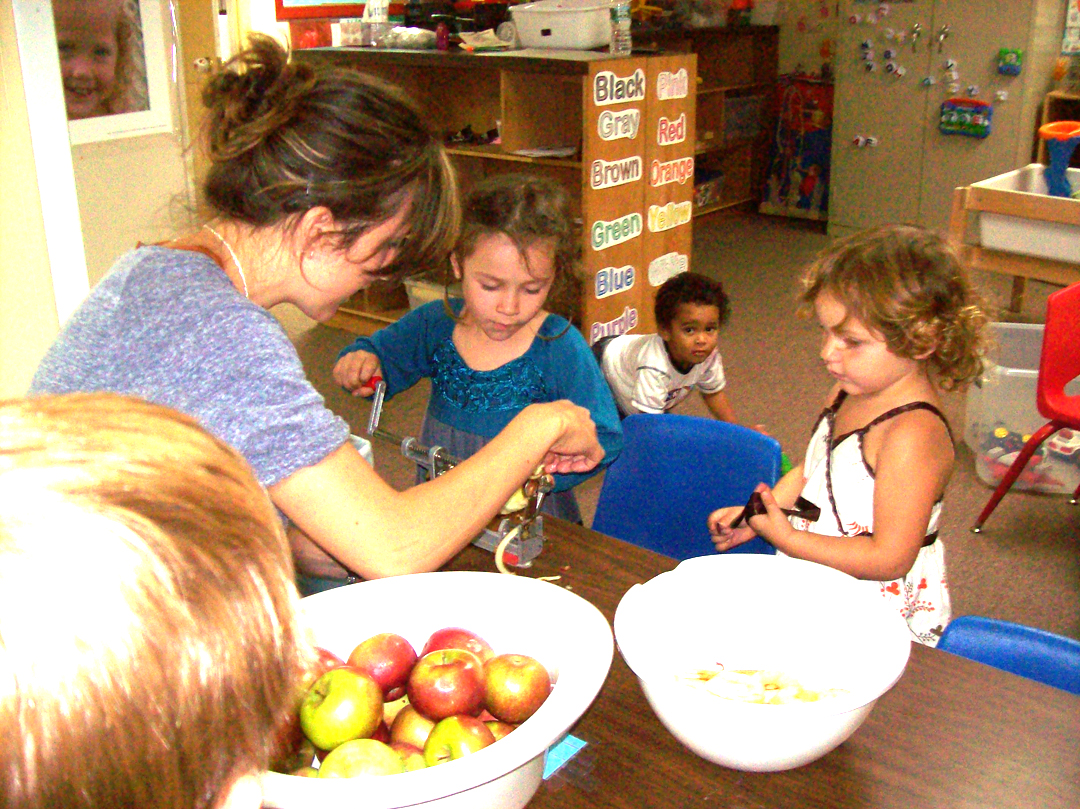
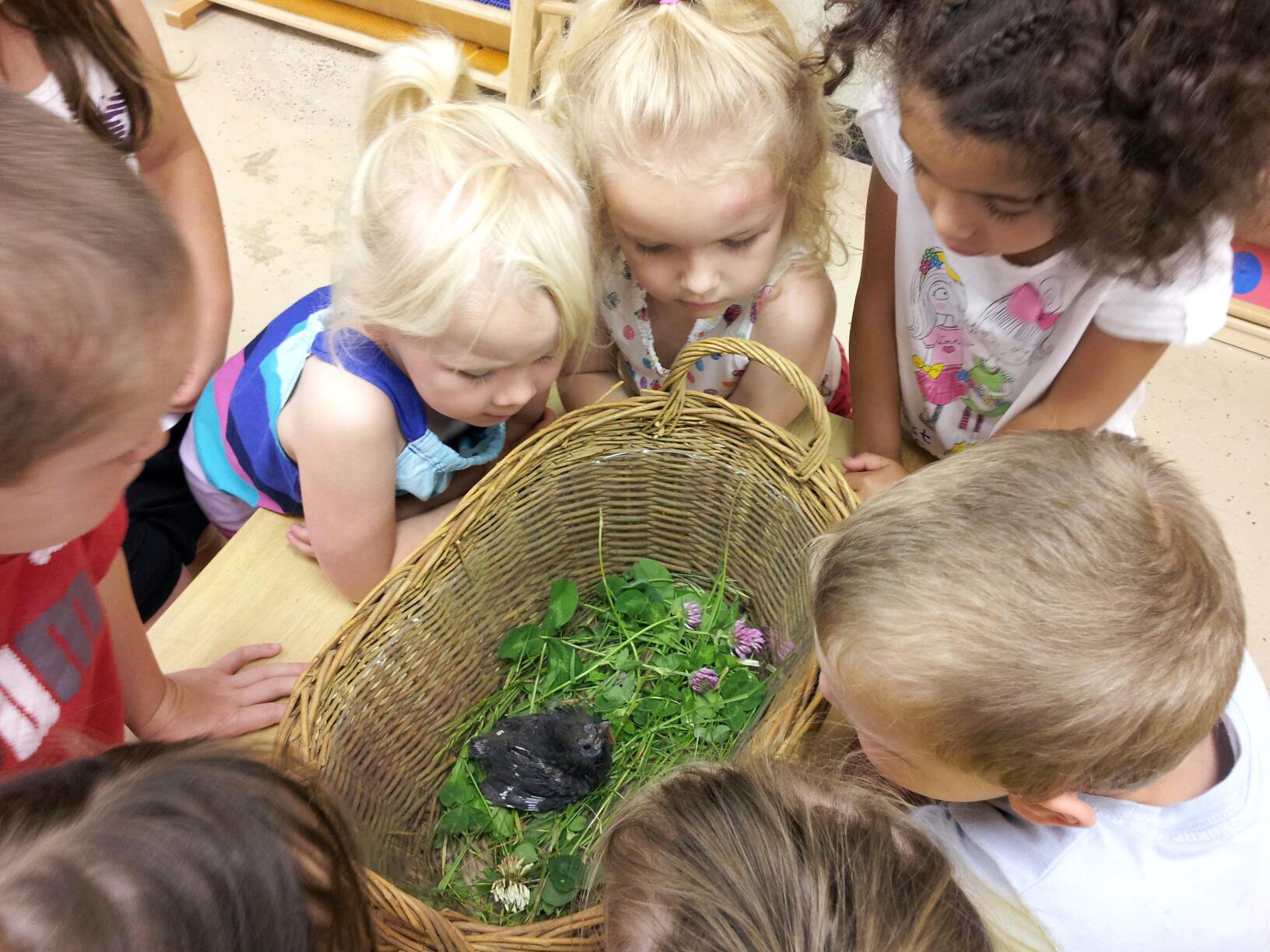
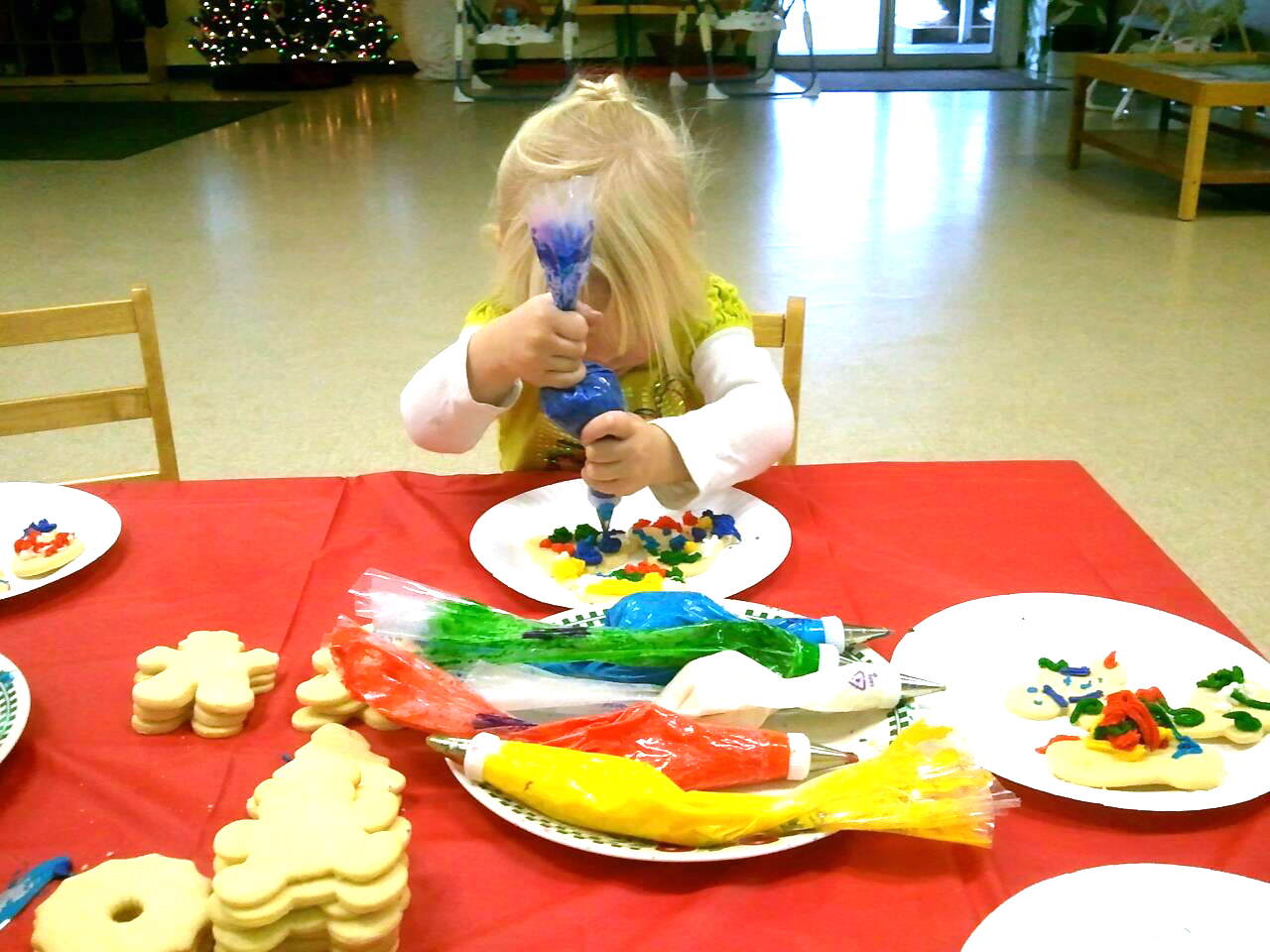
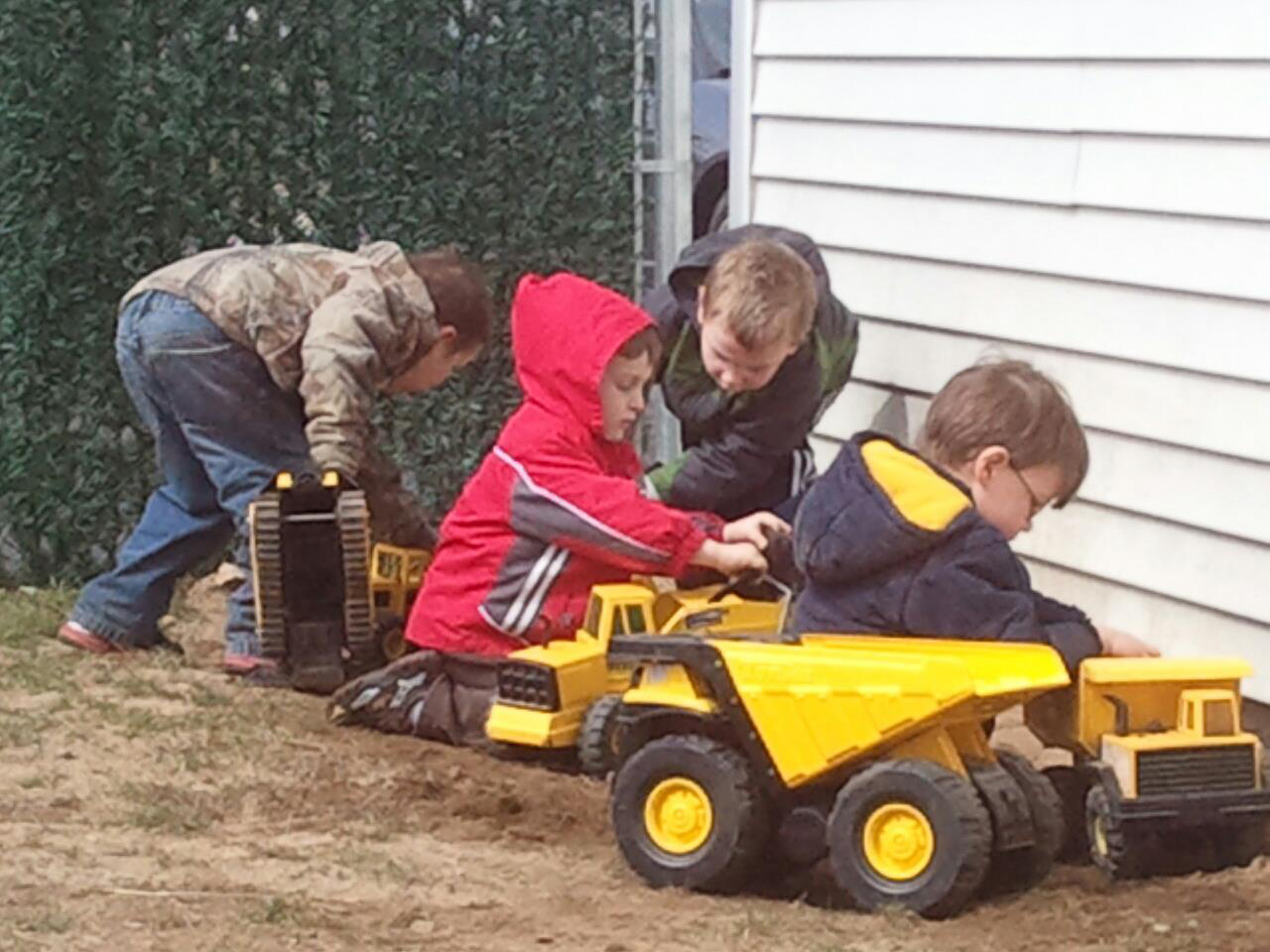
Robitaille’s program utilizes theme-based activities – one week may have an apple theme, another week, pumpkins – and that theme is incorporated into the learning through outside exploration, story time, music and art, as well as the more “academic” activities of learning letters, numbers, and practicing writing. She and her staff focus on keeping the learning fun and meeting the children where they are developmentally in skills.
“We use the Early Childhood Learning Guidelines to formally observe our children two times a year but, a child’s authentic learning can be seen through natural play,” explained Robitaille. “We acknowledge the increased expectations for children to know all their letters, read, and write. The emphasis, however, must be on striking a good balance of all areas of learning, both academic and social.”
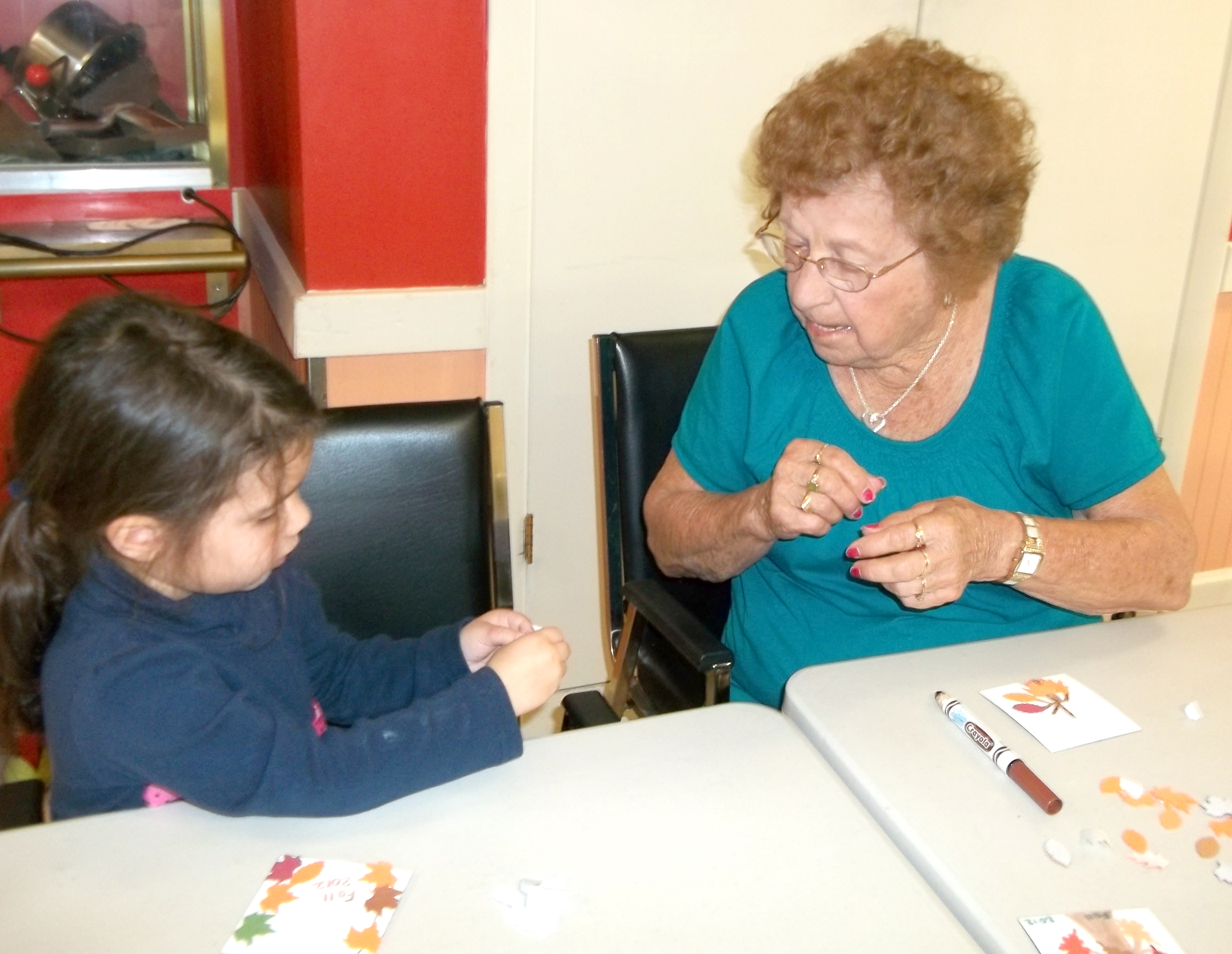
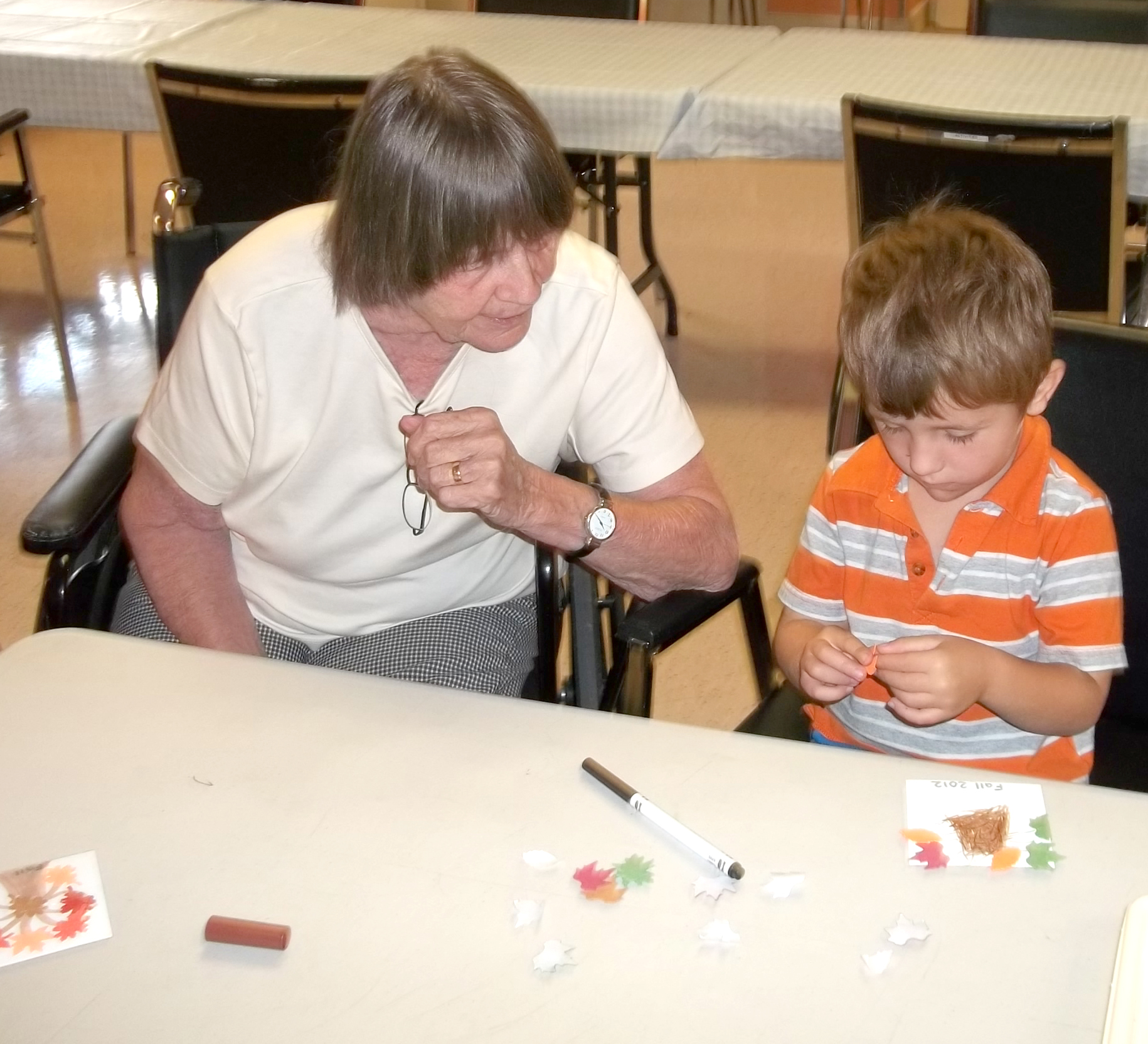
Clover Pre-School Director Kim St. Pierre concurs with that philosophy and is very clear with the parents of children entering her program on what they can expect for a pre-school experience. Located within Clover Health Care on Minot Avenue in Auburn, her program features daily interaction between children and the elderly.
“We are located in an elderly community and we are fortunate to be in their home. Therefore, we do practice good manners, handshaking, saying hello or acknowledging people, acceptance of others – basic common courtesy. This is a socially based program; if parents are looking for lots of worksheets, this is not the program.”
St. Pierre, who has a close working relationship with Fairview School’s public pre-k and kindergarten teachers, agrees with Robitaille on what skills will support a child’s success in school.
“The teachers have told me,” noted St. Pierre, “that they can teach a child anything so long as that child can ask for help and use their words to resolve conflict and make their needs known. These are the skills that a person needs to get along in the world and if a child can do these things, they can succeed in school.”
Unlike Robitaille’s program that can accommodate infants, toddlers, and pre-school aged children, St. Pierre’s program is geared for ages three through five. A typical day includes story, snack, and rest time, outdoor play, and visits to different neighbors within Clover. Neighborhood visits might involve movement and music, creating a work of art or sharing a special snack time with residents.
In South Paris, the Pine Tree Children’s House offers another choice of pre-school experience. Its program is based on the discoveries of Dr. Maria Montessori and is designed around children’s spontaneous urge to learn. Directress Brendalee Collins ran her own daycare program for years before she decided to take a break and work for someone else. That’s when she was introduced to the Montessori philosophy.
Her classroom features neutral colors, natural elements of wood, water, and greenery and its design is specific to child-centered learning. The room is spacious with several small stations that can accommodate two children at a time; some areas including one dedicated to art activities allows for four children. Primary colors are absent and the learning materials available are nature-based: wood, stone, metal, water, plants, and natural fibers. Areas are dedicated to specific activities including practical life skills, math, language, cultural, science, geography, art, music, and sensorial. Children are allowed to explore any area of interest, using the materials provided, and teachers observe and provide one-on-one lessons. Without the use of worksheets, the children learn letters and numbers in a variety of ways: sound, feel, sight.
“We observe the children and provide one on one lessons; we encourage the exploration of all the areas, especially if a child tends to gravitate toward the same activities,” said Collins. “Many of the activities are self-correcting, meaning at its completion, a child will know if he or she has succeeded and if not, will be able to figure out what went wrong and correct it.” In Montessori, through setting a table, using real glassware, loading batteries in a flashlight so it works, or using the recycling bin, there is a practical life lesson for just about anything.”
All three pre-school directors give a nod to structure with circle time to talk about the calendar, weather, and seasons. All believe children learn best through play and exploration of their world. Some offer room to transition through the ages and into a pre-school environment while others provide an all-day, age-specific, pre-school experience. With so many choices for the daycare/pre-school experience, how does a parent choose the “right” setting?
Here are some tips straight from the professionals.
Look for a setting that feels good when you enter. If it doesn’t feel inviting when you walk in, walk out.
Look for cleanliness.
Are there accreditations and philosophies? What are they and how do they influence your child’s experience?
Observe the staff’s professionalism in appearance, manner, and interaction with you and your child.
Take note of artwork, pictures, decor – is this a place designed for children and learning?
As a parent, if you don’t “feel it.” it’s probably not for your child.
Comments are no longer available on this story