
The corn was indeed knee-high on the Fourth of July, just as an old farming adage proclaims.
And it is doing very well.
For some reason, our resident crow family decided that there were more delicious morsels elsewhere to eat rather than my fledgling corn, and for that I am very thankful.
In past years, before I discovered a flashy metallic tape that is shiny silver on one side and shiny red on the other, the crows just helped themselves. Now, they tend to avoid it. That tape, for those who want to try it next year, can be ordered from Johnny’s Selected Seeds in Winslow.
But the cucumber beetles are still arriving in hordes, so much so that I’d better get out there with some Bonide environmentally friendly powder and sprinkle the plants nearly every day.
The cucumbers and summer squash planted in several hay bales are doing at least as well as those that I planted in the main garden.
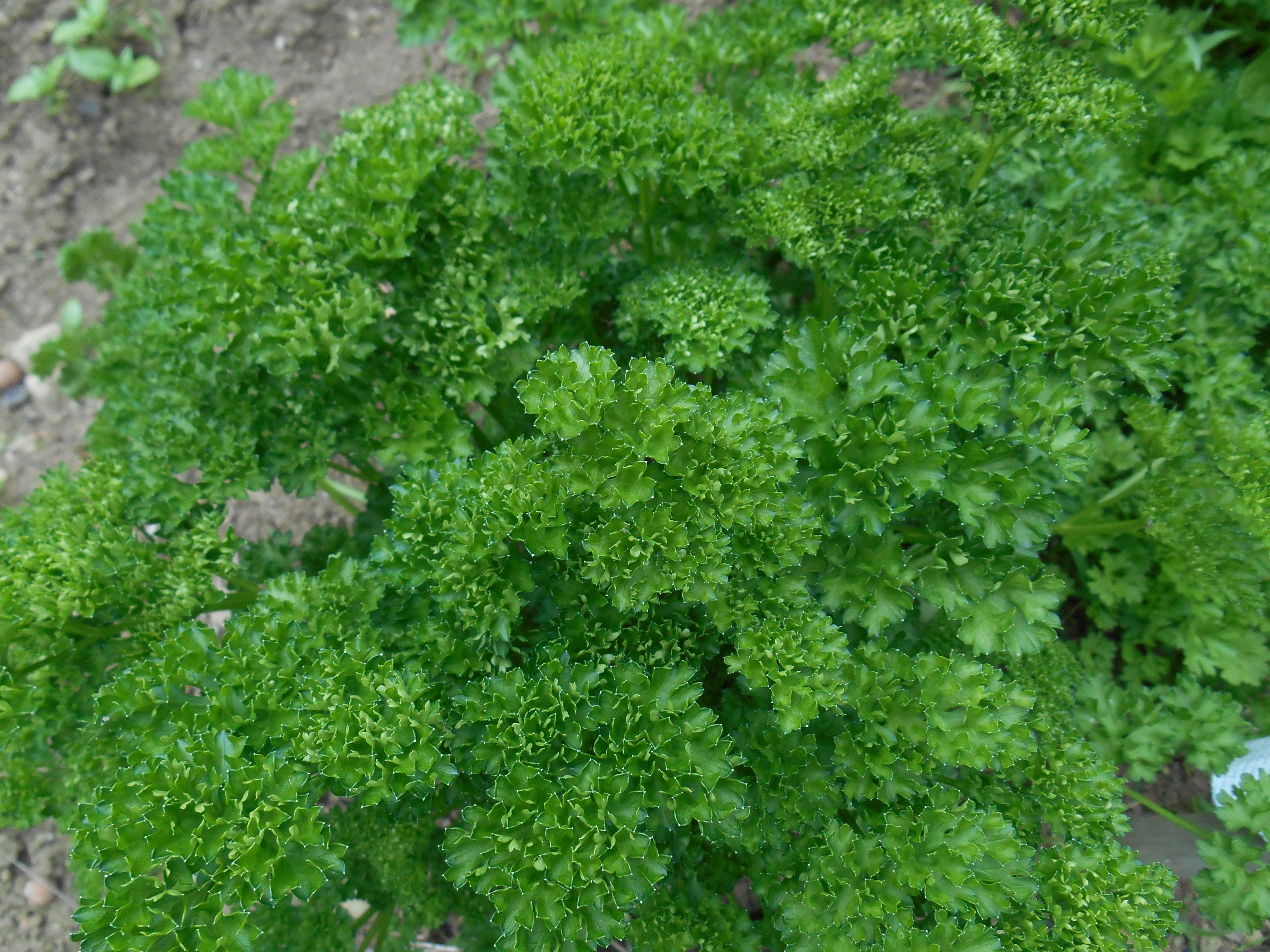
The potatoes are now shooting up their pastel-pink flowers, telling me that yes, I can begin to dig a few for a scrumptious treat (with olive oil, salt and pepper and some of the fresh parsley that has grown so well).
The first crop of spinach has been harvested too. Some of it was sauteed with olive oil and garlic, and served for supper during the Fourth of July weekend. But most of it was blanched in boiling water for a minute, then laid out on towels until it was almost dry, then frozen in packets large enough to add to some of the vegetable and meat soups I will make in the fall and winter.
The asparagus crop has given the last of its spears for the season, and now those that I let grow are becoming lovely, feathery ferns.
Beet greens are ready. So as I thin them to allow space for full-fledged beets to grow, we have the extra-added pleasure of dining on these red and green greens, some with tiny beets at the end. I like to serve them with just plain butter and seasoning.
The “volunteer” sunflowers are about 4 feet high. These are the ones that somehow reseeded themselves at the end of the previous season, so they got a head start. They will display their showy, large yellow flowers weeks before the ones I always plant near the road and in various parts of the garden each year.
July is when all the hard work and money we’ve put into our gardens begins to show it was worth it. And it is the time to:
* Harvest the garlic. To do so, wait until the bottom three leaves have turned brown, then pull the entire plant out of its earthy home. Hang in a dry place for several weeks to allow the bulbs to dry a bit, then remove the thin, outer papery covering and store in a cool, dry place. Our crop from last year lasted until just this week — that’s a record for these pungent, delicious bulbs.
* Plenty of time remains in the growing season to plant another crop of spinach, lettuce, radishes or beans in the space that grew the garlic. Just rough up the soil, remove any weeds that didn’t get pulled, add a little fertilizer and grow another crop or two.
* Side dress (fertilize) the corn, tomatoes, winter squash, pumpkins and other crops that might need a boost.
* Begin thinning the carrots, beets and other root crops.
* Build make-shift trellises for cucumbers and summer squash. These can be as simple as several three- or four-foot sticks placed in strategic places to hold the vines as they grow. Such trellised vegetables tend to stay firmer when they don’t touch the ground.
* Water when needed. Tomatoes like an inch of water a week, so if rain doesn’t come as often as it should, be sure to water them — at the bottom of the plant, not the top. I keep a rain barrel at the corner of the outside of the house and use that when watering is necessary.
But best of all during these days of July, remember to be grateful for all that the magical earth can do.
Eileen M. Adams has been gardening for decades. She may be reached at [email protected].
Comments are no longer available on this story