



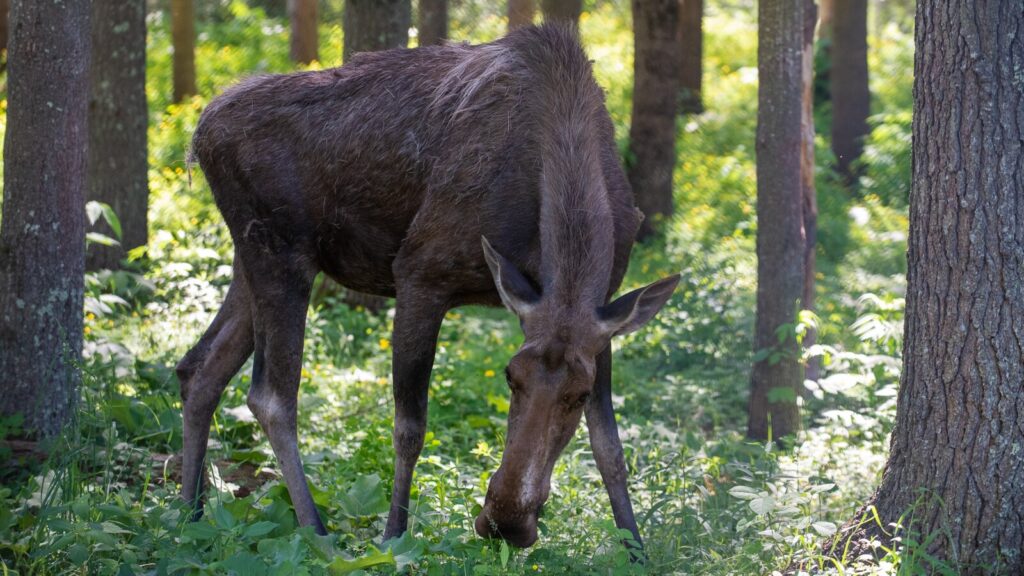
Annie, pictured here in 2020, died of natural causes last week at the Maine Wildlife Park in Gray. Russ Dillingham / Sun Journal
Annie, a moose that lived at the Maine Wildlife Park in Gray for 12 years, is being fondly remembered after her death last week.
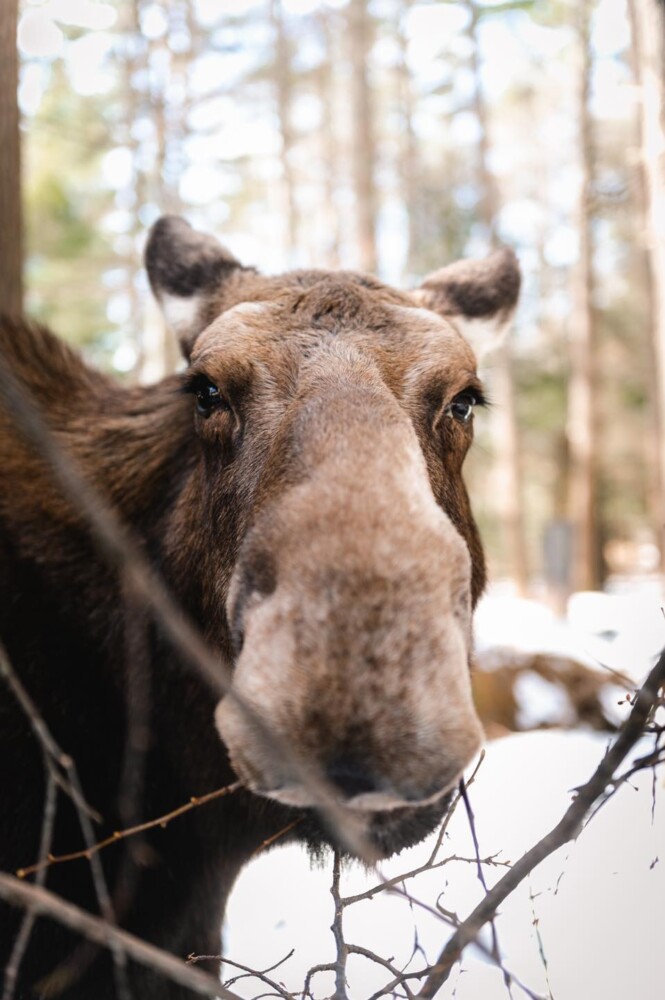
Annie Contributed / Maine Wildlife Park
“Annie was 12 years old and died of natural causes,” the park posted on Facebook Saturday morning. “The staff at the Maine Wildlife Park are deeply saddened by the loss, recognizing that Annie was more than just a moose to us and the thousands of people from around the world who visited her at the park.”
Annie came to the park as an orphan, said Park Superintendent Howie Powell. Moose typically live for 10 years in captivity, and Annie died of natural causes related to her old age.
“She was very easy to read, you didn’t have to guess what she was thinking,” Powell said. “She had a lot of personality, she really did.”
The Facebook post has received 3,000 likes and 268 comments, many from visitors from around the country expressing their condolences and sharing photos and stories of their own interactions with Annie.
“Blessed to have been able to visit and see her over a handful of times,” one woman commented. “May she rest peacefully.”
“She served as a link between her species and our own by capturing the hearts of people everywhere,” the park’s post reads.
The Maine Wildlife Park houses over 30 species native to Maine. All of the park animals – due to a variety of reasons, including injury, being orphaned and dependency on humans – cannot be returned to their native habitats.
Annie is the third moose death at the park in two years. A 1-year-old named Maggie died in July 2019 and a 15-year-old named George died in February of the same year.
The park is still home to one bull moose named Byron.
“Annie gave so many their first – and maybe only – close-up look at a moose,” a Facebook commenter wrote. “She served as a wonderful ambassador for the park for years. Rest in peace, Annie.”
Annie has been buried in the park’s cemetery, which is not open to the public.
Comments are not available on this story.
Send questions/comments to the editors.
