




The trial of a man charged in New York City with the murder of former Lewiston resident Alpo Martinez is slated to begin April 8.
Suspect Shakeem Parker, 30, who is being held in the Otis Bantum Correctional Center in East Elmhurst, New York, was arrested in February 2022 and charged with the murder of a legendary drug kingpin once known as “the mayor of Harlem.”
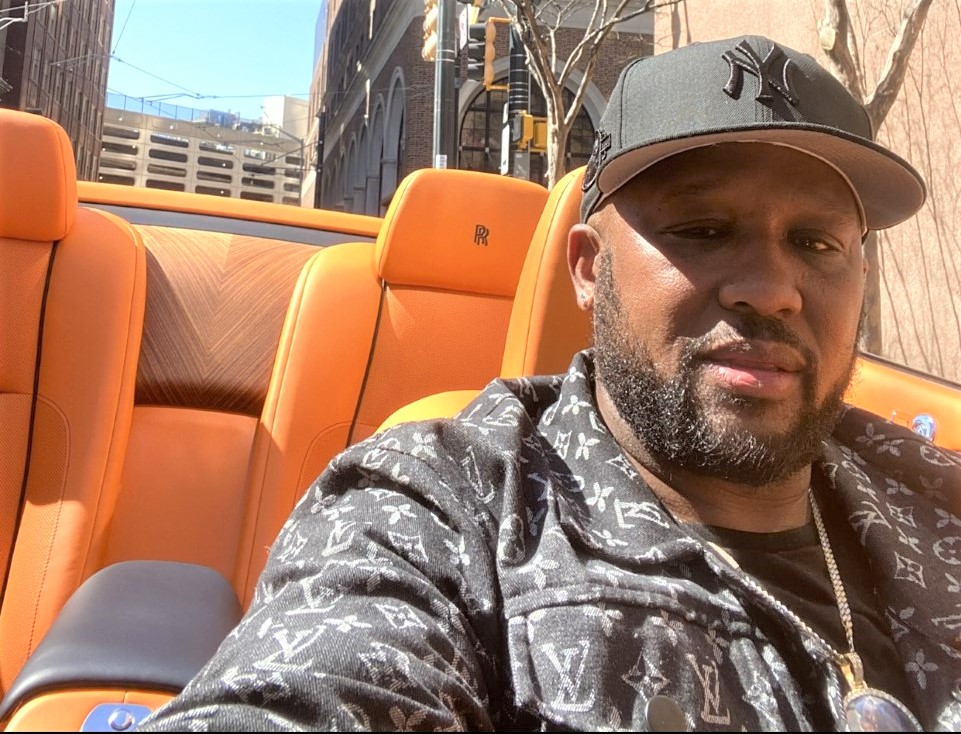
Alpo Martinez sent this photograph of himself in a Rolls Royce in Atlanta to a friend in Maine in 2021. He was killed in New York on Oct. 31, 2021. Submitted photo
Alberto “Alpo” Martinez, a notorious crack dealer who had lived in Lewiston under a federal witness protection program, was gunned down in Harlem on Halloween in 2021.
Police charged Parker, already in jail on a different charge, more than three months later. They said he shot Martinez because he was upset at the reckless way Martinez had been riding motorcycles in the neighborhood.
Martinez, 55, spent almost a quarter-century in federal prison after acknowledging his role in at least 14 murders.
After his release, he went into the witness protection program that ultimately saw him living for more than five years in a College Street apartment in Lewiston under the name Abraham Rodriguez.
Martinez opted to leave Lewiston and return to New York about a month before he was shot to death while driving his truck outside a Harlem nightclub on Halloween.
Though speculation swirled that the slaying was connected to Martinez’s criminal past, investigators ultimately charged Parker and offered a more mundane explanation for the murder.
Parker’s case is slated to be heard by Judge Marisol Martinez Alonso in the Criminal Court of the City of New York. He is being represented by a Legal Aid attorney who could not be reached.
Since it is not unusual for cases scheduled for trial in New York to be postponed, for a variety of reasons, Parker may wind up waiting longer for a chance at freedom. He has pleaded not guilty.
Copy the Story LinkComments are not available on this story.
Send questions/comments to the editors.
