


FARMINGTON — When I first started hiking, I began on the Whistle Stop Trail, walking and jogging for miles on the flat surface to build strength and endurance.
Over time, I noticed my legs got stronger, and I could go farther without getting tired. That trail became my foundation for fitness throughout the seasons.
It all started when my treadmill broke, forcing me to head outside. What felt like an inconvenience turned out to be a blessing. Getting outdoors, breathing fresh air and soaking up natural vitamin D was far better than staring at a wall indoors.
I noticed wildlife, the changing light through the trees and a kind of calm I never got from a machine. Best of all, hiking and walking were free, saving me the cost of a new treadmill while giving me something much more valuable.
After a few months, I started looking for more challenge. Bald Mountain became my next step. I hiked it many times, sometimes climbing up and down back-to-back because it was roughly equal in effort to a one-way trip up Mount Washington. The steep sections helped build leg strength and prepared me for longer, more sustained climbs. I also spent time hiking at Mount Blue State Park in Weld.
The variety of terrain and elevation helped prepare me for a bigger goal, hiking Mount Washington in New Hampshire. I trained hard, both mentally and physically, and when the time came, I took the Cog Railway access road straight up toward the summit at 6,288 feet. It was steep, steady work, but the payoff was incredible. I watched the train go by and later, on my way down, spotted several White Mountain Fritillary butterflies, a rare sight and a good reminder of how much nature rewards patience.
WHY HIKING WORKS
Walking, jogging and hiking aren’t just for exercise. They improve cardiovascular health, lower blood pressure, strengthen the heart and support a healthy weight. According to Maine Trail Finder, walking can also boost mood and mental health, helping to reduce stress and anxiety.
The Maine Trails Program, a grant initiative of the Maine Bureau of Parks and Lands that funds the development and maintenance of recreational trails across the state, notes that people who have access to trails are more likely to stay active. Trails benefit both individuals and communities by improving health, supporting local recreation and connecting people to the outdoors.
For me, hiking has improved endurance, focus and mental clarity. It’s a reliable way to relieve stress and spend time in nature. Each season offers something new, from the bright greens of spring to the colorful fall foliage, and it’s motivating to watch those changes as part of a regular routine.
Tips for hikers
• Start small and stay consistent. Even short walks add up over time.
• Mix in hills or mountain trails as endurance improves.
• Pay attention to the downhill; it builds strength, balance and confidence.
• Use trekking poles if they help. It depends on the person and the hike, but I’ve found poles especially useful on steep climbs and descents to stay steady and reduce strain. I’m slower on the descent, careful not to pick up too much speed or trip on loose rock. I learned that lesson after a few slips on Mount Washington.
• Invest wisely in gear. I wanted high-quality equipment but didn’t want to pay full price, so I turned to eBay and found excellent deals. Most of my gear cost only a fraction of retail.
• Plan ahead for winter. I haven’t done winter hikes yet but plan to start this year. Preparation will be key, traction gear like micro-spikes, warm layers, shorter routes, and early starts to beat the cold and dark.
• Use each season as motivation to stay outside and keep moving.
What began as walks on the Whistle Stop Trail turned into climbs up Bald Mountain and Mount Blue, and taught me that progress comes step by step, every mile, every hill and every season brings something worthwhile. Hiking local trails have built strength, balance and appreciation for the beauty right here in Franklin County.
Next stop: Tumbledown Mountain’s Fat Man’s Misery at 3,054 feet, Old Speck Mountain at 4,180 feet in Grafton Notch State Park and, hopefully, Mount Katahdin at 5,267 feet.
FRANKLIN COUNTY TRAILS
Farmington
• Whistle Stop Rail Trail, Farmington to Jay/Livermore Falls. Distance: 14-15.8 miles one-way; difficulty: easy; surface: gravel/sand; trailheads: Oakes Street in Farmington, Bridge Street in Livermore Falls.
• Bonney Woods (Powder House Hill Trails), High Street by Hippach Field. Distance: 0.7-0.8 miles; difficulty: easy.
• Flint Woods & Village Woods (Powder House Hill Trails). Access from Perham/Anson/Maple area. Distance: 4.5 miles; difficulty: easy to moderate.
• Clifford Woods, Whittier Road; distance: 1.4 miles; difficulty: easy to moderate.
• Titcomb Mountain (summer trails), 180 Titcomb Mountain Road. Distance: 7.7-8 miles; difficulty: moderate to advanced.
• Mosher Hill Falls, Mosher Hill Road pull-off. Distance: 0.1 mile; difficulty: moderate (roots/rocks); note: 45-foot waterfall.
Weld / Mt. Blue State Park & Tumbledown Public Lands
• Tumbledown Mountain Trail Network, Brook Trailhead, Byron Road. Distance: 4.5-10.6-plus miles (route-dependent); difficulty: moderate to advanced.
• Mount Blue Trail, Center Hill Road trailhead. Distance: 2.8-3.2 miles round-trip; difficulty: advanced.
• Center Hill Nature Trail, Center Hill Picnic Area. Distance: 0.5-mile loop; difficulty: easy.
• Bald Mountain (Weld side), state Route 156 roadside parking. Distance: 2 miles round-trip; difficulty: advanced (short/steep).
• Blueberry Mountain, within Tumbledown Public Lands. Distance: 1.4 miles (steep); difficulty: moderate to advanced.
Industry
• Pico Ledges & Little Pico loop, near Center Hill Cemetery, state Route 148. Distance: ledges 0.5 miles, full loop 3.5 miles; difficulty: moderate.
Phillips
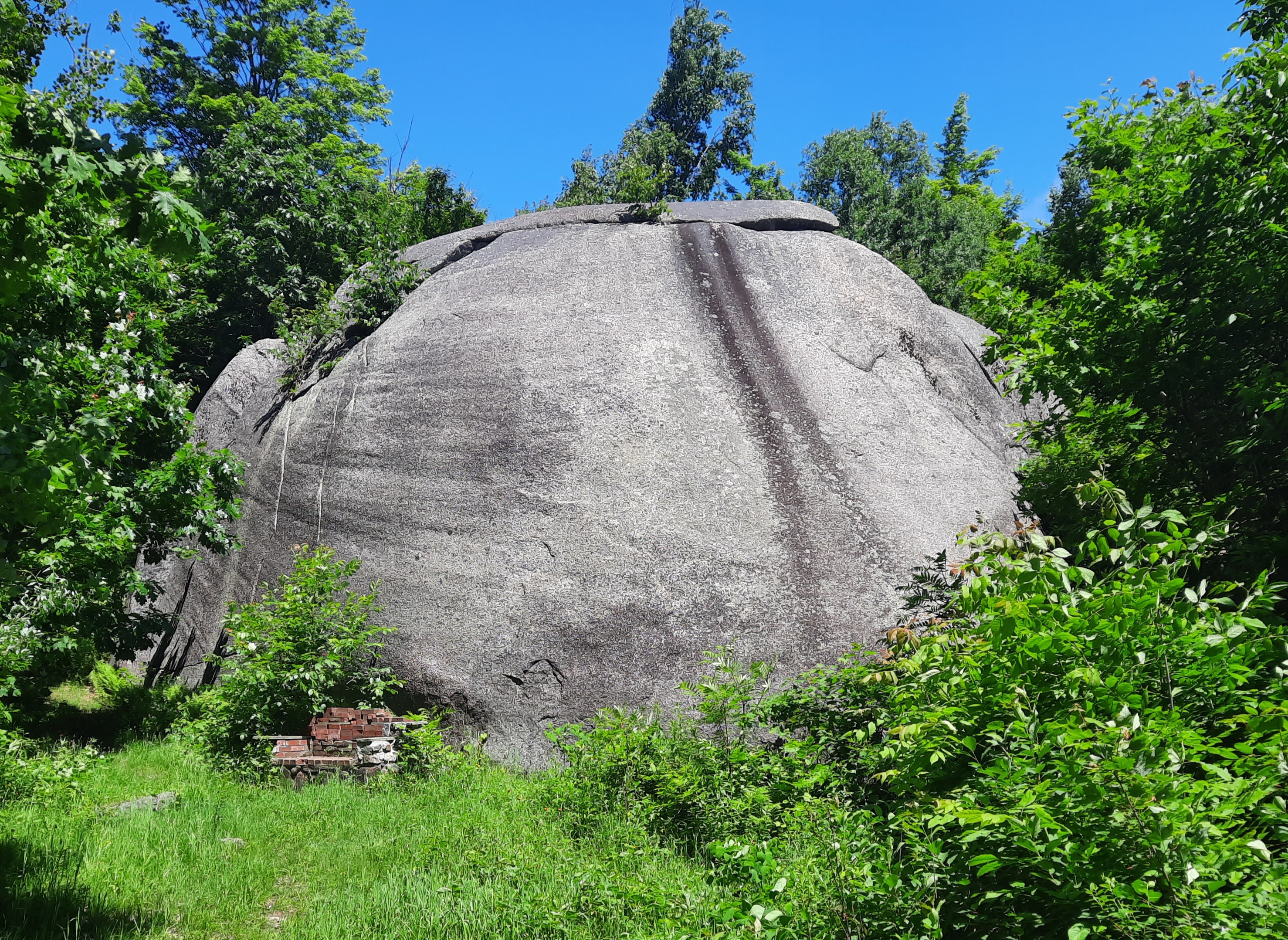
• Daggett Rock, Wheeler Hill Road. Distance: 0.6-0.8 miles round-trip; difficulty: easy.
• Sandy River & Rangeley Lakes Railroad Trail, Bridge Street/Route 4 corridor. Distance: 0.8-1.0 mile one-way; difficulty: easy.
Wilton
• Foothills Land Conservancy, 332 Pond Road. Distance: 1.4-1.5 miles; difficulty: easy.
• Kineowatha Park Trails, 90 High St. Distance: 1.7-1.8 miles; difficulty: easy.
Temple
• Potato Hill, Kennison Road/Day Mountain Road. Distance: 0.8-1.3 miles (route varies); difficulty: moderate.
Nearby notable
• Smalls Falls, Route 4 rest area, Township E. Distance: 0.3-0.5 miles total; difficulty: easy.


Supporting Sponsor for Franklin Journal, Livermore Falls Advertiser, Rangeley Highlander and Rumford Falls Times.
Keeping communities informed by supporting local news. franklinsavings.bank

We invite you to add your comments. We encourage a thoughtful exchange of ideas and information on this website. By joining the conversation, you are agreeing to our commenting policy and terms of use. More information is found on our FAQs. You can update your screen name on the member's center.
Comments are managed by our staff during regular business hours Monday through Friday as well as limited hours on Saturday and Sunday. Comments held for moderation outside of those hours may take longer to approve.
Join the Conversation
Please sign into your Sun Journal account to participate in conversations below. If you do not have an account, you can register or subscribe. Questions? Please see our FAQs.