

It was 12:18 in the morning in early September when I found myself awake, miserable, and unable to fall back asleep.
I was lying on a concrete floor cushioned only by a thin raffia mat in a small room with nine other people in Manakara, a small city on the southeast coast of Madagascar. Mosquitos buzzed above us, rats squealed inches away in the rotting wooden walls, and tiny beetles which I have no name for in English made meals of us.
A couple of weeks earlier, my host sister and I had decided to take her two children on a small vacation to see the ocean before the start of school. We agreed that I would pay for the bus tickets if she could find us a place to sleep.
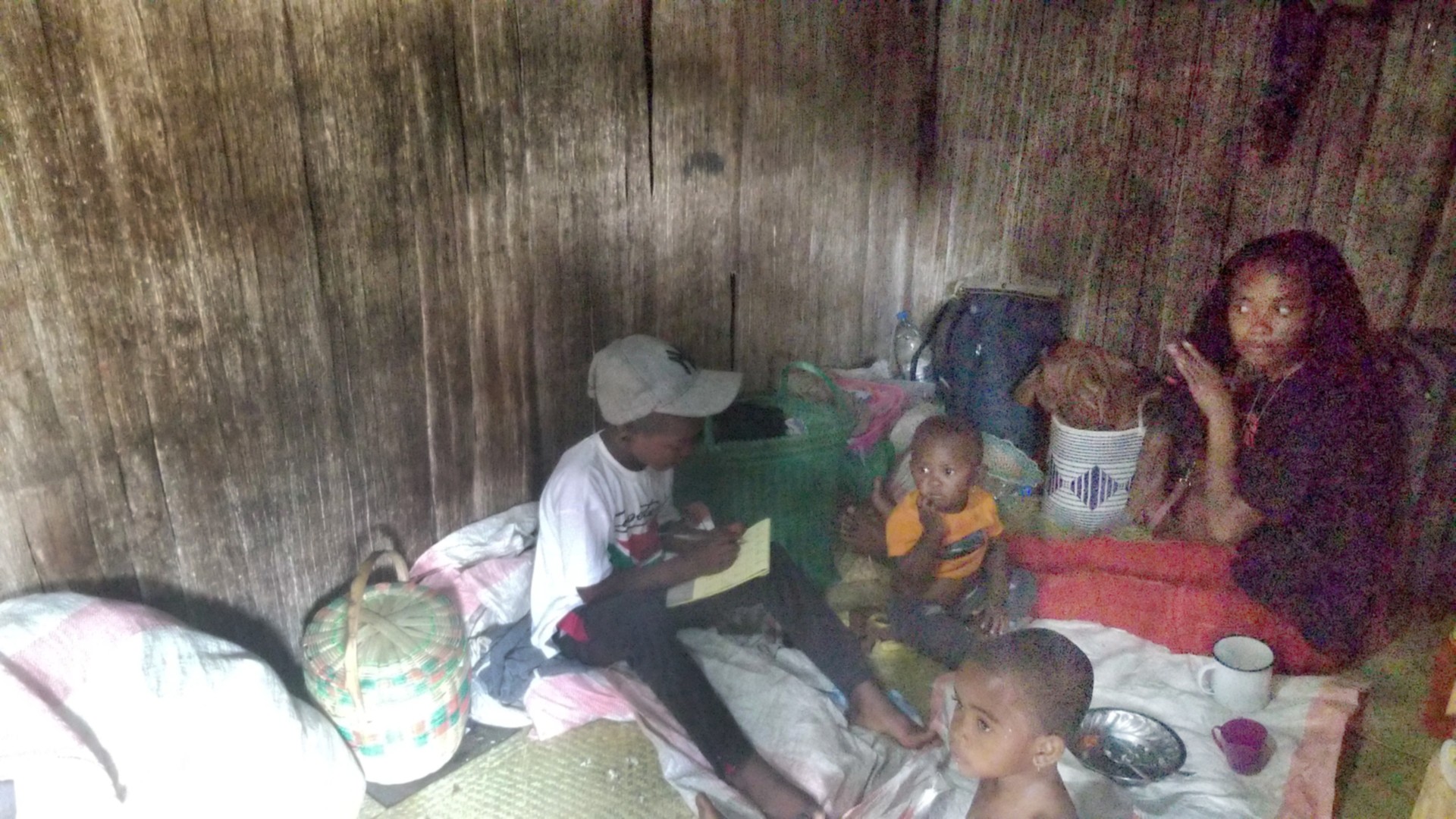
As we prepared to lie down that night, our host said: “I’m sorry. It’s very … Gasy,” using an abbreviated form of the word “Malagasy.” In my mind, I translated it to: “We wish we could offer you more, but we can’t.”
I came to Madagascar because I wanted to experience a way of life that was completely different from my own. I wanted to see how much I, a middle-class American who has never wanted for anything, could take.
That night, I may have found my limit.
Lying there in clothes soaked with pee from the infant sleeping next to me, I was struck by the thought that, even after living in rural Madagascar for two years, I would never, ever, understand what it truly means to be poor.
Last month, I rang the bell in the Peace Corps Madagascar office and officially became a returned Peace Corps volunteer, joining a quarter of a million other Americans who’ve served since 1961. Even now, it feels surreal.
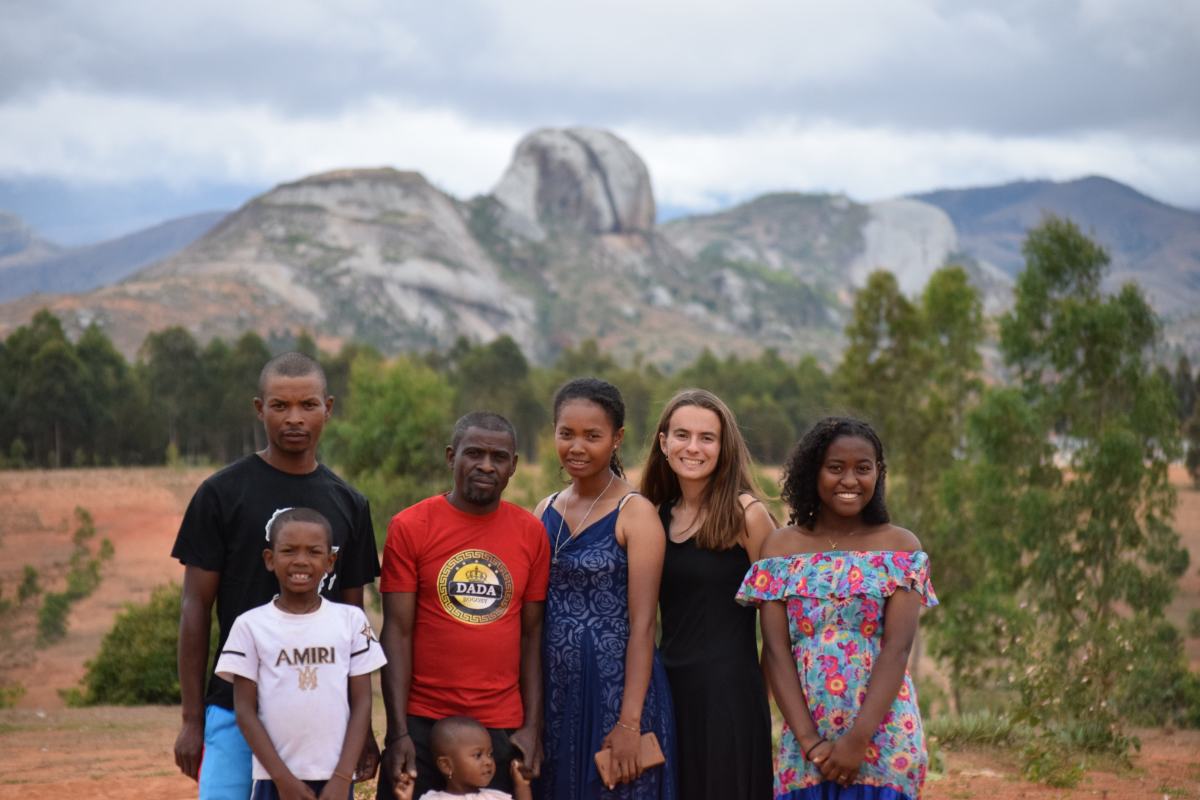
Already, my village has a new volunteer: Odin Gage, a native of Thorndike and a graduate of the College of the Atlantic in Bar Harbor. I left the remainder of my Maine maple syrup behind for him, from one Mainer (at heart) to another.

Of the 23 volunteers in my group, 12 of us made it to the end. Some left early for medical reasons, others to start graduate school. Most decided that, for one reason or another, life in Madagascar wasn’t for them.
As Peace Corps volunteers, we lived among people in deep poverty and experienced life as they do, to an extent. But for us, it was always a choice.
We will always have more money, more opportunities, and a way out — something the people we lived among will likely never have.
I’m home for the holidays now in Pennsylvania. I can’t tell you how excited I was to cook Thanksgiving dinner with my mom and sing along to Christmas songs on the radio. Maybe if I’m lucky, we’ll even get some snow.
When people ask me about the last two years, I tell them it was good. I tell them I loved Madagascar, and that I had a fantastic experience serving in the Peace Corps.
It’s much harder to explain the bitterness I feel surrounded by the wealth and comfort of American life.
Over the past two years, it’s gotten more difficult, not less, for me to live at the juncture of such deeply unequal worlds.
Every day living in Madagascar, I would scroll through Facebook and see photos of bright, clean kids back home with piles of birthday presents, enjoying family vacations to Disneyland, or posing for first-day-of-school photos. Then I would walk outside and see malnourished kids struggling to get by, many wearing torn clothing with no shoes.
Helping people in Madagascar is the best way I’ve found to fight those feelings. There are few things that bring me as much joy as being able to create opportuinties for kids to change their lives for the better.
That’s why, when January rolls around, I’ll be going back to Madagascar. My Peace Corps service is finished, but I still feel like there’s more work to be done.
Since January, I’ve worked closely with the Fianarantsoa School for the Deaf (SEMAFI) to finish a half-dozen improvement projects and build a sponsorship program that provides tuition, transportation and health care support to nine of the school’s 51 students; at least four of those kids wouldn’t be in school without it.
It’s small in the grand scheme of things. But it’s shown me what’s possible when a foreigner and local partner work together.
I’m working with a small group of people to start a nonprofit to partner with SEMAFI to help deaf children. By doing so, I hope to formalize our current programs and bring more resources to improve and expand the school.

The nonprofit will be named the Meylou Fund for the Deaf. “Meylou” comes from the Malagasy word “mamelona,” which means “to bring to life.” I can’t imagine a better way to describe the joy I’ve seen from deaf children discovering sign language and connection at SEMAFI after a life of being shut out.
Our most pressing concern is constructing new classrooms and starting a middle school program so students can continue their studies past fifth grade. That will be my primary focus when I return.
The next couple of years won’t be easy. I’ll be living with my two dogs in the director’s unfinished home, a five-minute walk from SEMAFI. I plan to limit my spending to $150 or less per month plus health insurance to make my $9,100 readjustment allowance from Peace Corps last as long as possible.
I would be lying if I said I wasn’t scared. From here on out, I won’t have the structure of a university, a job, or Peace Corps to help move me forward, just my own decisions and discipline.
But I know this is the right decision. There’s not a doubt in my mind.
I can’t put into words just how grateful I am for the experience the Peace Corps has given me — especially the difficult, uncomfortable moments that had me wishing I were anywhere but Madagascar.
I may never know what it’s like to truly be poor, but I’ve experienced enough to know that every person — every child — deserves the opportunity to strive for more. Through these experiences, I hope I can help build a brighter future for others.
On a personal note:
This will likely be my last “Letters from Madagascar” column in the Sun Journal. Over the past two years, I’ve been fortunate to write and publish 20 columns describing some of my experiences in the Peace Corps. In a way, I feel like it’s been my response to the ever-present question, “So what is Madagascar like?” I’m glad to have had the opportunity to answer the question with far more depth than I could capture in a casual conversation.

I am immensely grateful to all of you who have followed my journey, written me emails and supported my projects in Madagascar. As far away as I was, I could always feel the love and support from people back home. All of you made the hard days easier to bear and helped me see my Peace Corps service to the end.
To learn more about the Meylou Fund for the Deaf and meet some of the children looking for sponsors, you can visit our website at meylou.org. And, as always, you can reach me directly at [email protected].
As we say in Madagascar, mandrapihaona! Until we meet again.
Vanessa Paolella is a returned Peace Corps volunteer, a former staff writer for the Sun Journal and a Bates College graduate.

We invite you to add your comments. We encourage a thoughtful exchange of ideas and information on this website. By joining the conversation, you are agreeing to our commenting policy and terms of use. More information is found on our FAQs. You can modify your screen name here.
Comments are managed by our staff during regular business hours Monday through Friday as well as limited hours on Saturday and Sunday. Comments held for moderation outside of those hours may take longer to approve.
Join the Conversation
Please sign into your Sun Journal account to participate in conversations below. If you do not have an account, you can register or subscribe. Questions? Please see our FAQs.