


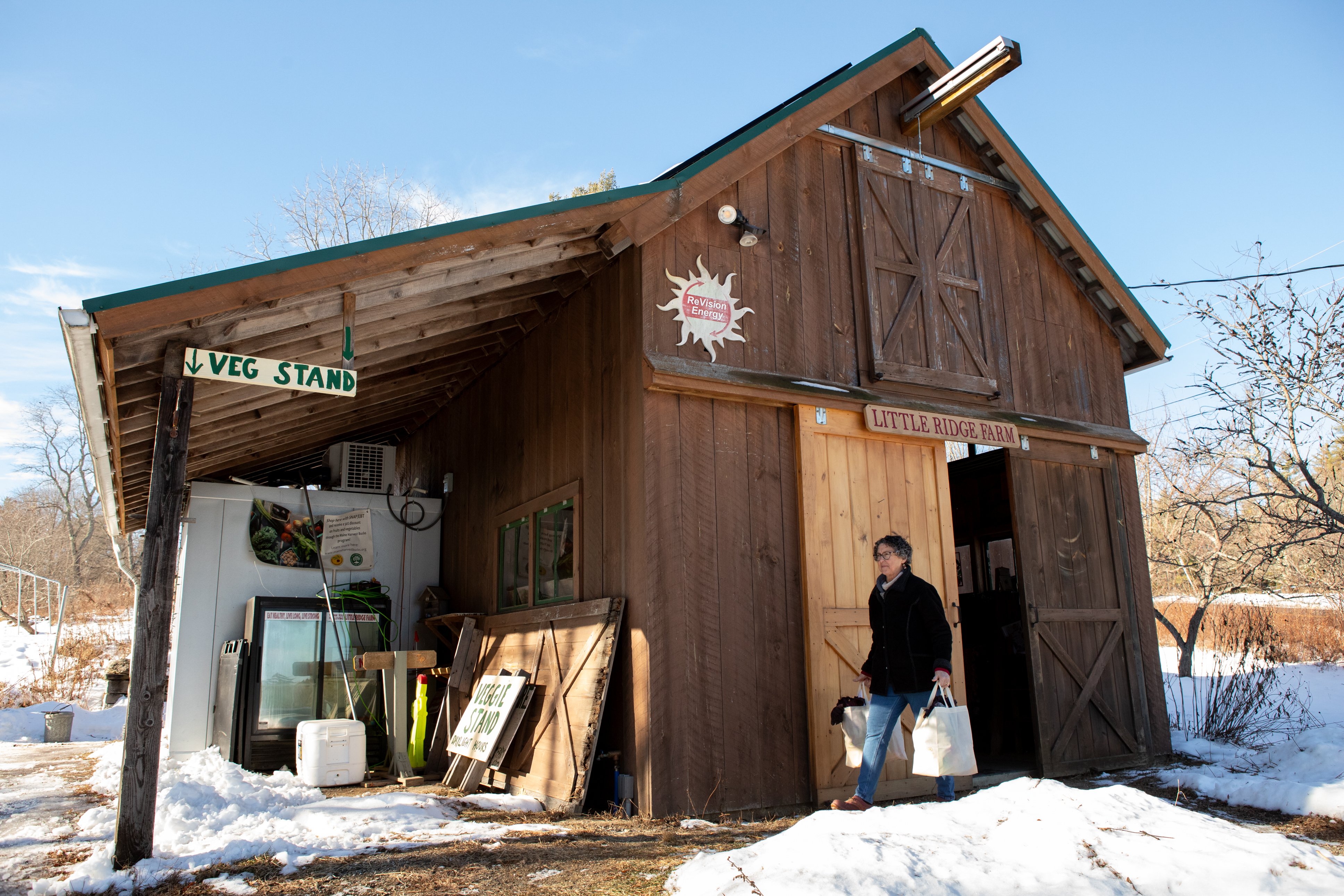
LISBON — Fresh vegetables bound for people in need in Lewiston and Lisbon on Thursday were exchanged at Little Ridge Farm in Lisbon Falls.
It’s part of a gleaning project that takes place all over Maine and is a collaboration of farmers, the University of Maine Cooperative Extension, a network of volunteer gleaners, businesses, and schools.
Gleaning has been around as long as farming. The leftover, or not-quite-perfect-looking crops, in a farmer’s field are gathered and distributed to people who may not have access to fresh produce.
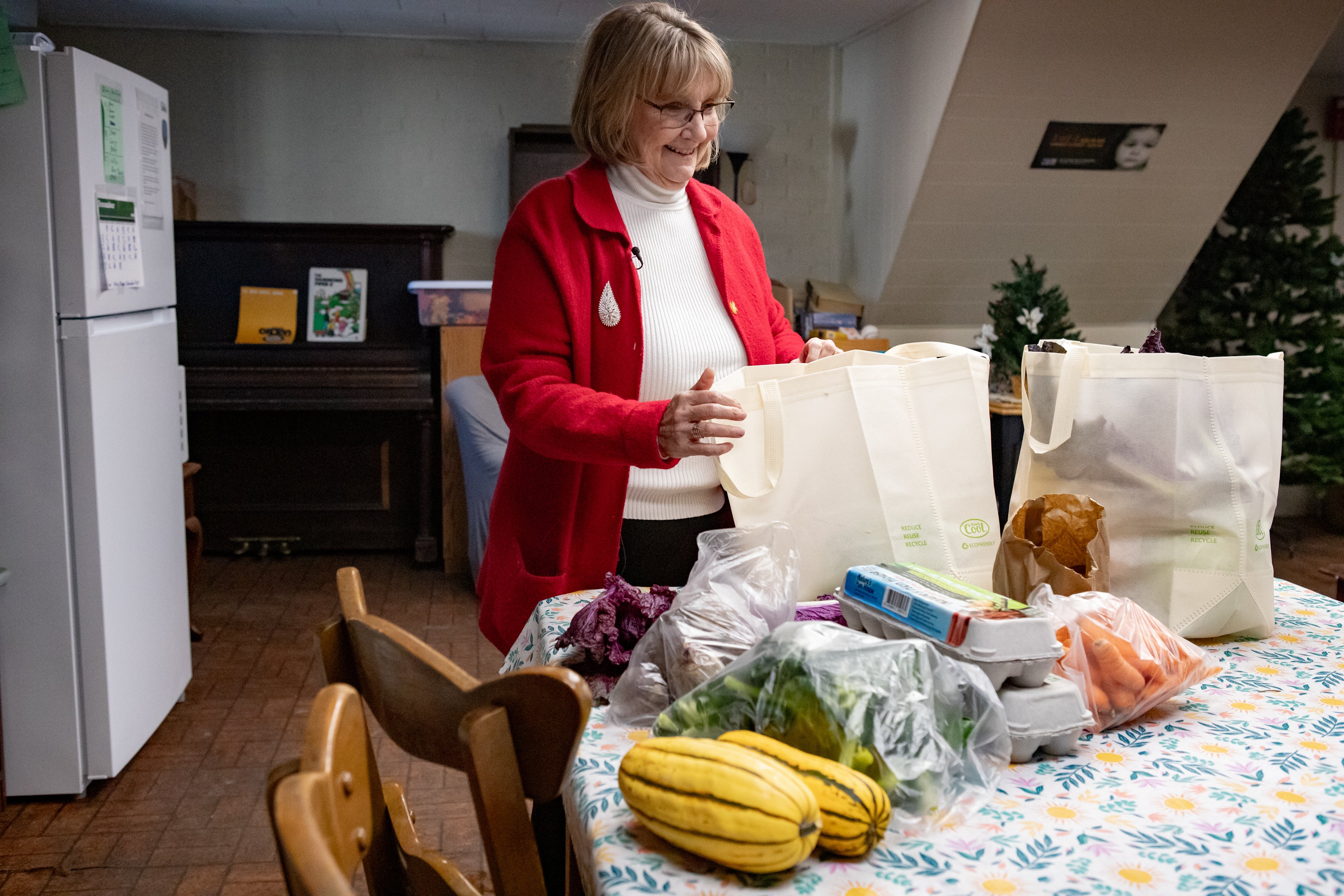
Little Ridge Farm owner Keena Tracy says her relationship with Androscoggin Gleaners is multifaceted, and a win for everyone involved.
“Several times throughout the season we give them a shout if we have extra produce in the fields that we don’t have a direct place for them to go … it’s excess, generally. Or, we just feel like sharing something, we give them a call and they come and harvest it.”
Gleaning usually takes place from June through October, and in Maine gleaning has saved millions of pounds of food that may have otherwise gone to waste.
Thursday’s activity was a modified gleaning effort, with grocer Hannaford donating $50,000 recently to the University of Maine Cooperative Extension’s Maine Harvest for Hunger program, which is used to buy Community Supported Agriculture shares from farmers like Tracy for distribution.
“We don’t always have funds to purchase CSA shares,” Becca Schoen of Androscoggin Gleaners explained. “Typical gleaning is donated produce. It’s volunteer-harvested, volunteer-delivered from farm partners. But whenever we get the chance — if we have funds or have a donation — we try to give back.”
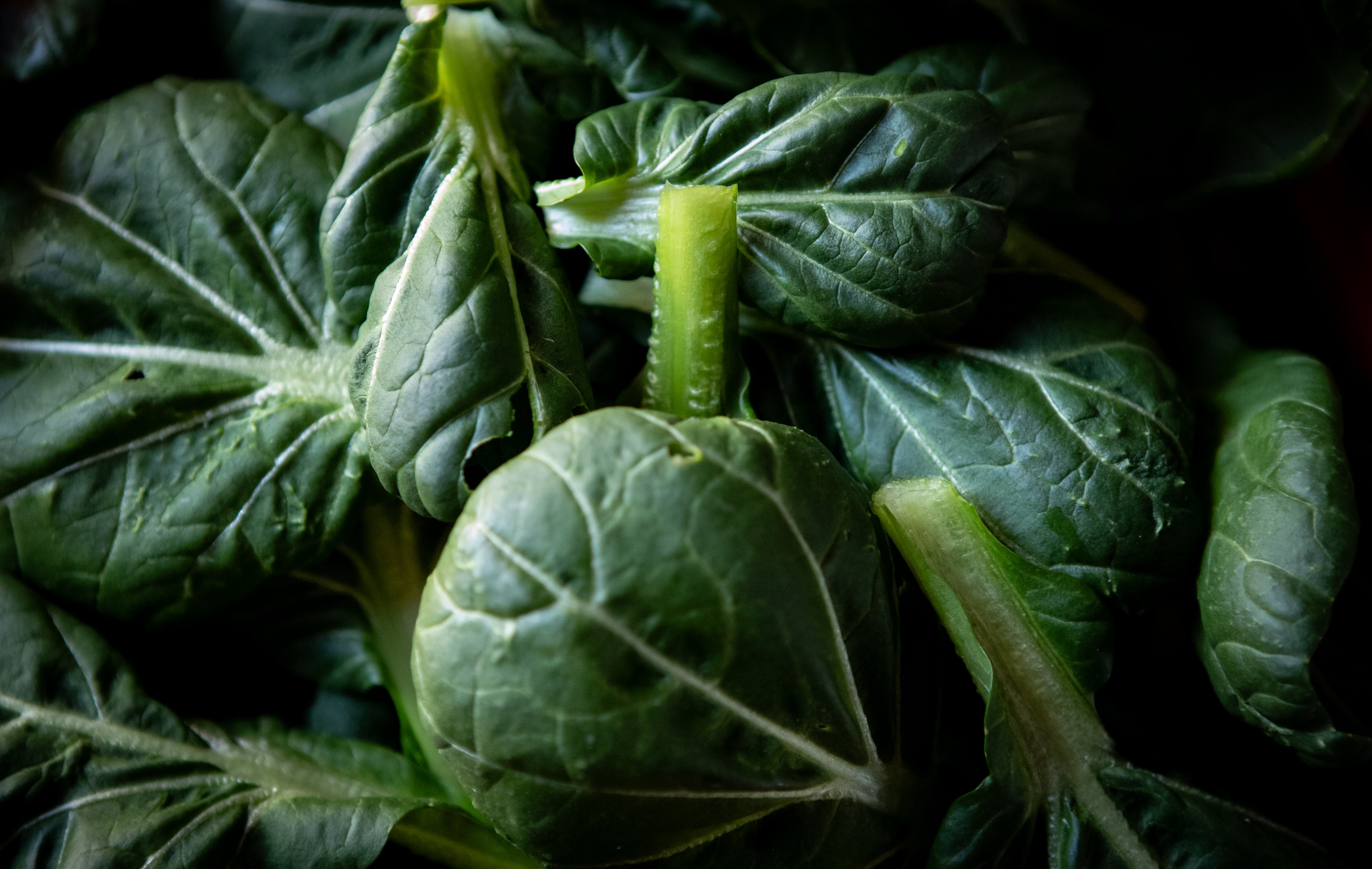
Thursday’s bounty was going to St. Martin de Porres homeless shelter and Sophia’s House for women, both in Lewiston, and for low-income seniors at Woodside Apartments in Lisbon.
Maine Harvest for Hunger has salvaged more than four million pounds of produce since it started in 2000.
Last year, the program gleaned and distributed 258,731 pounds of produce valued at $509,700 to 408 food banks and pantries across Maine.
The Androscoggin Gleaners distribute between 12,000 to 14,000 pounds a year to food pantries, homeless shelters and families in need.
Food pantries statewide are reporting an uptick in demand in the past few months, Schoen said, exacerbated by a pause in the Supplemental Nutrition Assistance Program benefits during the federal government shutdown and a planned reduction in benefits of about 20% for Mainers.
But Schoen and others point out that many of the people facing food insecurity don’t qualify for SNAP benefits, and are left to fend for themselves, so gleaning is a much-needed program.
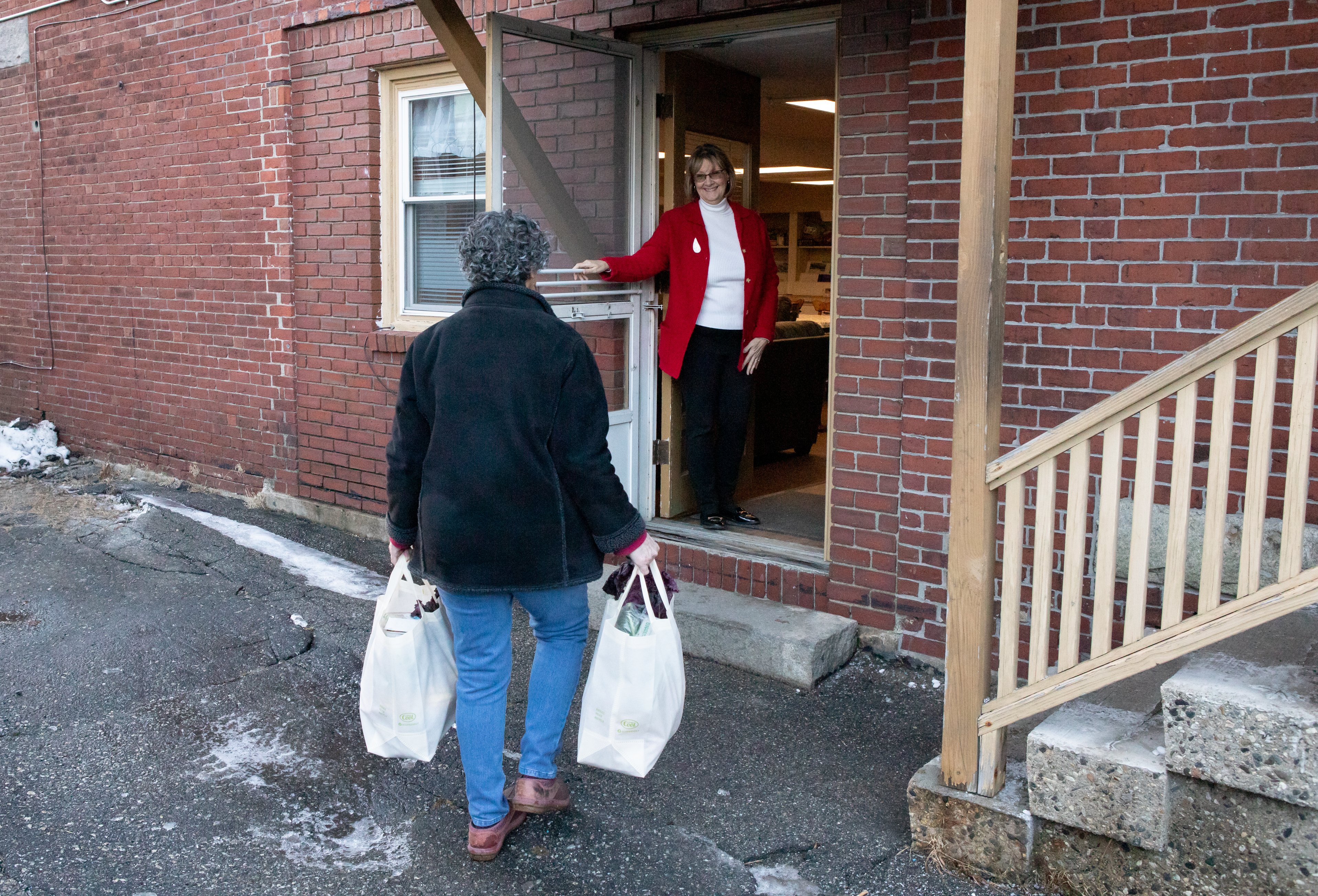
“Community members getting connected to farmers’ gleaning groups — coming together and supporting local farmers … the local foods fund for schools to purchase local produce — the match was actually increased by the state this year, so we’re seeing some really cool things as we turn towards each other,” Schoen said. “I think even though this is a small amount, it’s significant.”
Hannaford also donated an additional $60,000 to Waldo County Bounty to boost its gleaning program.
Schoen said food insecurity is rising in Maine. In Androscoggin County, 15% of the population is food insecure, but with children it’s closer to one in five, she said.
“We know that gleaning is not going to solve food insecurity,” Schoen said, but she insists it’s a piece of the puzzle that helps farmers and the people who need extra help.

We invite you to add your comments. We encourage a thoughtful exchange of ideas and information on this website. By joining the conversation, you are agreeing to our commenting policy and terms of use. More information is found on our FAQs. You can modify your screen name here.
Comments are managed by our staff during regular business hours Monday through Friday as well as limited hours on Saturday and Sunday. Comments held for moderation outside of those hours may take longer to approve.
Join the Conversation
Please sign into your Sun Journal account to participate in conversations below. If you do not have an account, you can register or subscribe. Questions? Please see our FAQs.