


It might be hard to fathom now, but depending on the outcome of next year’s elections, someday soon we may struggle to remember Graham Platner’s name.
Looking through the year’s most-read news stories, I could barely recall a shooting at the Maine Mall that apparently preoccupied our community for a couple days in February.
But between the most clickable headlines about the latest crimes and the constantly changing political landscape, there are certain events every year that alter our state in ways that stick, marking the start (or end) of an era and redefining “the way life should be.”
It didn’t take long for the Hearts of Pine to go from a bizarre-sounding name to part of our vernacular. Portland’s USL League One soccer team, which played its first game in March, quickly became the hottest ticket in town and infused our wardrobes with green and blue. Even if they left next year (which they don’t plan to), we’d look back on this past season, saying “remember when?”
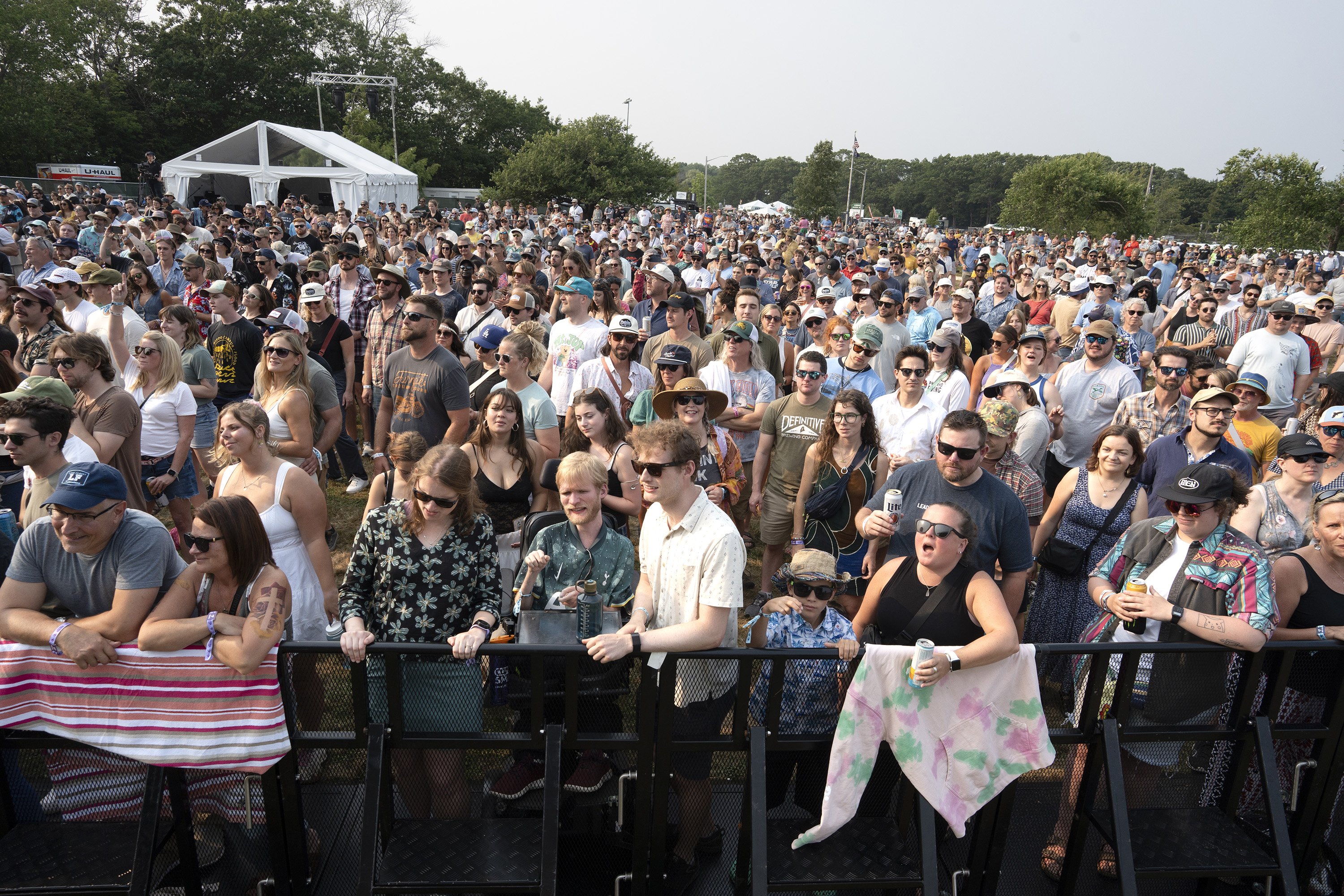
One place where their jerseys were a popular fashion choice? The inaugural Back Cove Festival, which brought world-famous musicians to Portland’s Payson Park in August. Now that it’s passed muster with skeptics, it plans to return for the next three years and perhaps many more to come.
Farther north, the Taste of Waterville, an annual outdoor dining event downtown that in recent years featured food trucks and live music, didn’t happen this summer for the first time in more than three decades because of declining interest.
The same city saw the demise of two very different sorts of institutions: Northern Light Inland Hospital closed in the spring because of higher operating costs and other challenges, and the downtown building that housed the notorious Bob-In bar was demolished in the summer.

A well-known building in Portland, the former Children’s Museum and Theatre of Maine on Free Street, also met the wrecking ball this year to make way for the Portland Museum of Art’s expansion plans, but not without a fight.
In the Twin Cities, the blow of losing two longtime establishments was softened by the fact that they’ll live on in some capacity across the river.
Private high school St. Dominic’s, whose Auburn campus was shut down by the Catholic diocese, plans to reopen in downtown Lewiston. And while a revival of Luiggi’s Pizzeria in Lewiston failed, a replica of its signature sandwich — the Fergy — has reappeared on the menu of a restaurant in Auburn.
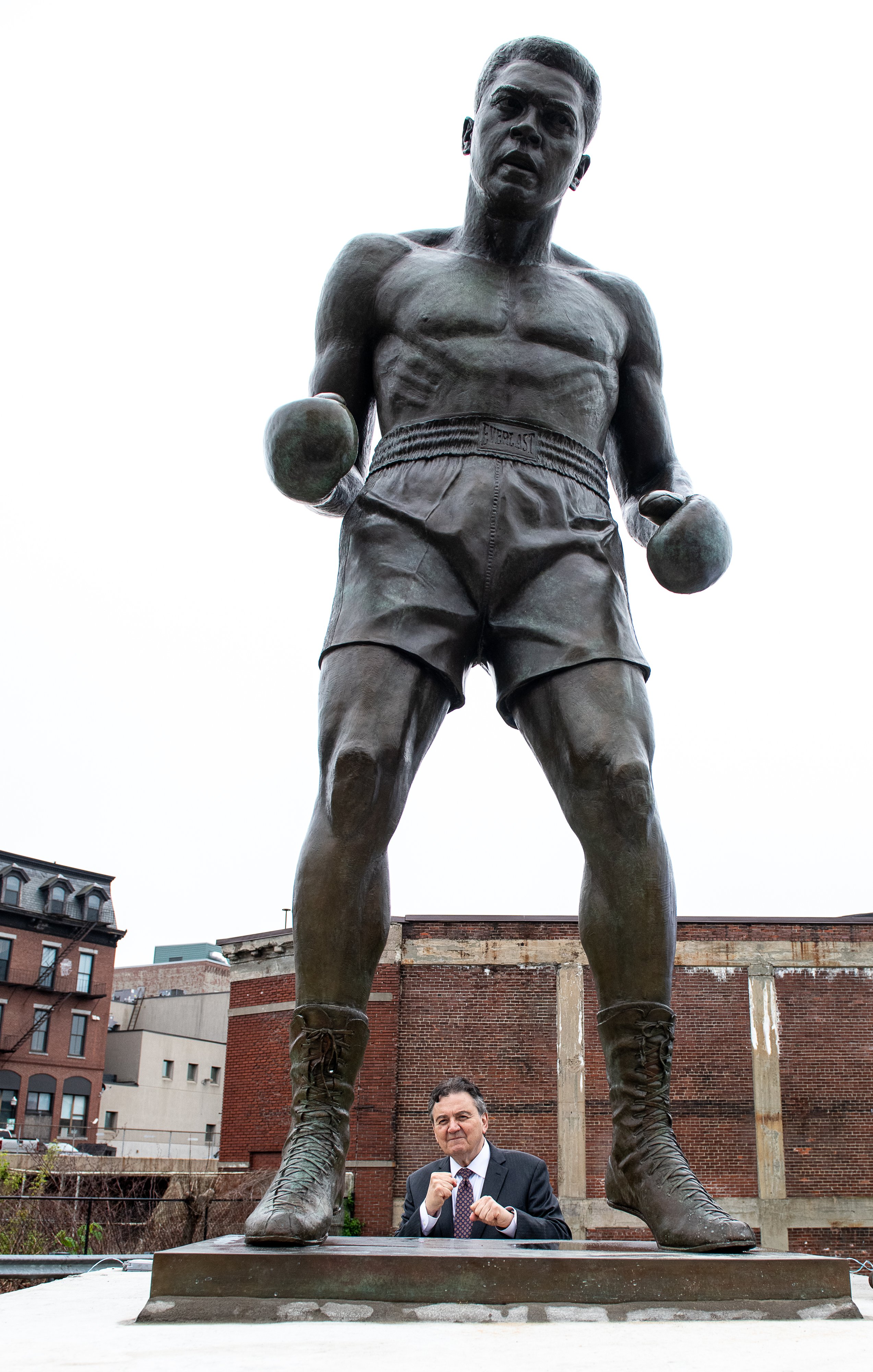
At the same time, a new landmark was erected: a 10-foot bronze statue of Muhammad Ali commemorating the boxer’s historic win against Sonny Liston in Lewiston 60 years ago.
A local sports hero, the winningest coach in state history, was also remembered this year. John Wolfgram, who led several football teams in southern and central Maine to state titles, died in August.

The state mourned a folk hero when Karmo Sanders, the woman who played “the Marden’s Lady” in the salvage store chain’s TV ads, died in October.
Another beloved on-screen personality, News Center Maine meteorologist Keith Carson, signed off from broadcasting, while popular morning radio host Lori Voornas stepped away from the microphone after 32 years.
In a media development closer to home, the Maine Trust for Local News, which operates the Portland Press Herald, ceased printing several southern Maine weekly newspapers, replacing them with digital newsletters, including the American Journal, which launched in Westbrook in 1968.
A much older publication, the Farmers’ Almanac — first printed in 1818 and owned by Lewiston-based Geiger — also put out its last edition of weather forecasts and gardening advice this year.
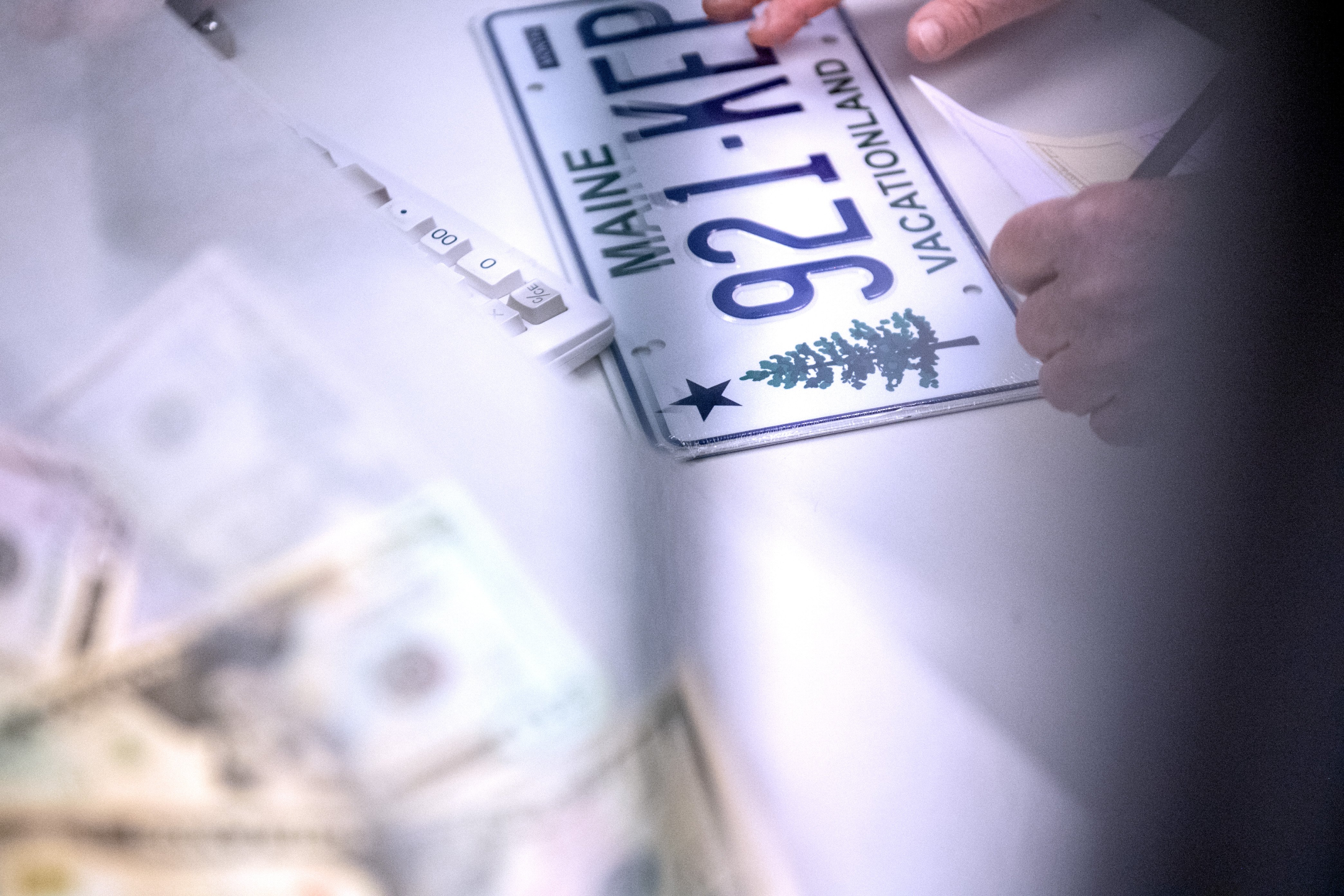
Meanwhile, a different type of press ramped up production as Maine began issuing the new pine tree license plates, replacing the chickadee design that’s hung from our cars since 1999.
It won’t be until this spring that we say goodbye for good to the old birds — and who knows what else.
By then, we should have some sense if Mainers are making use of the red flag law, approved by voters in November to remove firearms from people in crisis and taking effect early next year.
Soon after, we’ll have narrowed down the contenders to replace U.S. Rep. Jared Golden, who is not seeking reelection, and know more about Platner’s staying power. But all that’s for 2026.

We invite you to add your comments. We encourage a thoughtful exchange of ideas and information on this website. By joining the conversation, you are agreeing to our commenting policy and terms of use. More information is found on our FAQs. You can update your screen name on the member's center.
Comments are managed by our staff during regular business hours Monday through Friday as well as limited hours on Saturday and Sunday. Comments held for moderation outside of those hours may take longer to approve.
Join the Conversation
Please sign into your Sun Journal account to participate in conversations below. If you do not have an account, you can register or subscribe. Questions? Please see our FAQs.