
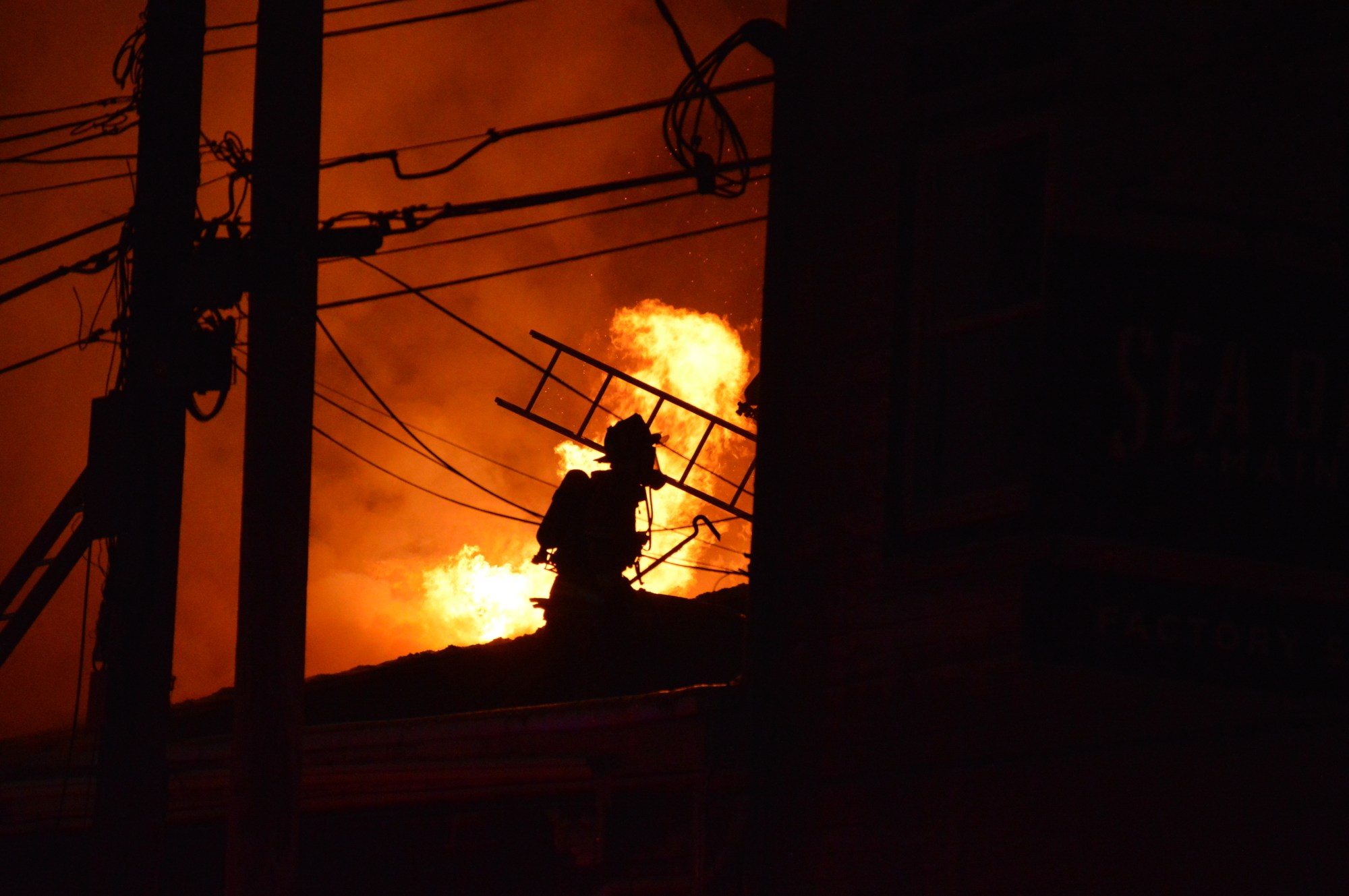

Some days, Liberty fire Chief Bill Gillespie is left waiting.
It can take up to 15 minutes for his volunteer department to get on the road. He has fewer firefighters than ever — fewer living in town, and fewer exclusively on call for his community.
“At one point in time, I had 23 members,” Gillespie said. “I’m down now to about 11.”
About an hour’s drive northeast, Veazie Chief Pete Metcalf is facing a similar scenario. At his “combination” department, at least one of his full-time staff members is on at all times, but they rely on volunteers and per-diem firefighters to get the job done.
The same rings true in the Lakes Region, where Naples fire Chief Justin Cox said “every call is a gamble” over whether enough firefighters will be ready to answer.
Maine fire and emergency rescue departments have reached a pivotal moment. Numerous chiefs told the Portland Press Herald/Maine Sunday Telegram that they are short-handed — and busier than ever.
Statewide numbers vary based on how many agencies submit their call data each year and a slew of other factors, but most departments are trending up.
In Auburn, calls have increased by more than 35% in the past 10 years. Portland has seen a 25% increase in calls since 2016, responding to more than 20,000 in each of the past two years. Biddeford saw a peak of over 5,800 calls in 2021, but they have increased in each of the past three years and remain above pre-COVID levels.

The state’s firefighter shortage is part of a nationwide epidemic. According to the International Association of Fire Chiefs, many, if not most, of the nearly 19,000 volunteer fire departments in the U.S. are struggling to meet standards for staffing and equipment levels.
But Maine faces unique challenges, given its geographical size, rural-to-urban ratio and aging population. A 2020 University of Maine study concluded that Maine’s rural fire departments “are facing an existential crisis of personnel recruitment and retention.”
Though departments are working to address the shortages, and a few are cautiously optimistic, most say they still feel stuck in a vicious spiral.
The majority of the fire chiefs interviewed for this article agreed that some sort of large-scale response is required. Two specifically criticized the state government for not doing more.
“The state legislators, who I think have some ability to fix this, just aren’t paying attention or aren’t responsive to what’s happening,” Bangor fire Chief Geoff Low said. “It’s only going to get worse, and there needs to be some type of coordinated effort to deal with this.”
Gillespie said it feels as though many aren’t grasping the gravity of the crisis.
“I don’t want to jinx this,” he said. “But it feels like, unless something seriously happens, we’re not going to wake people up.”
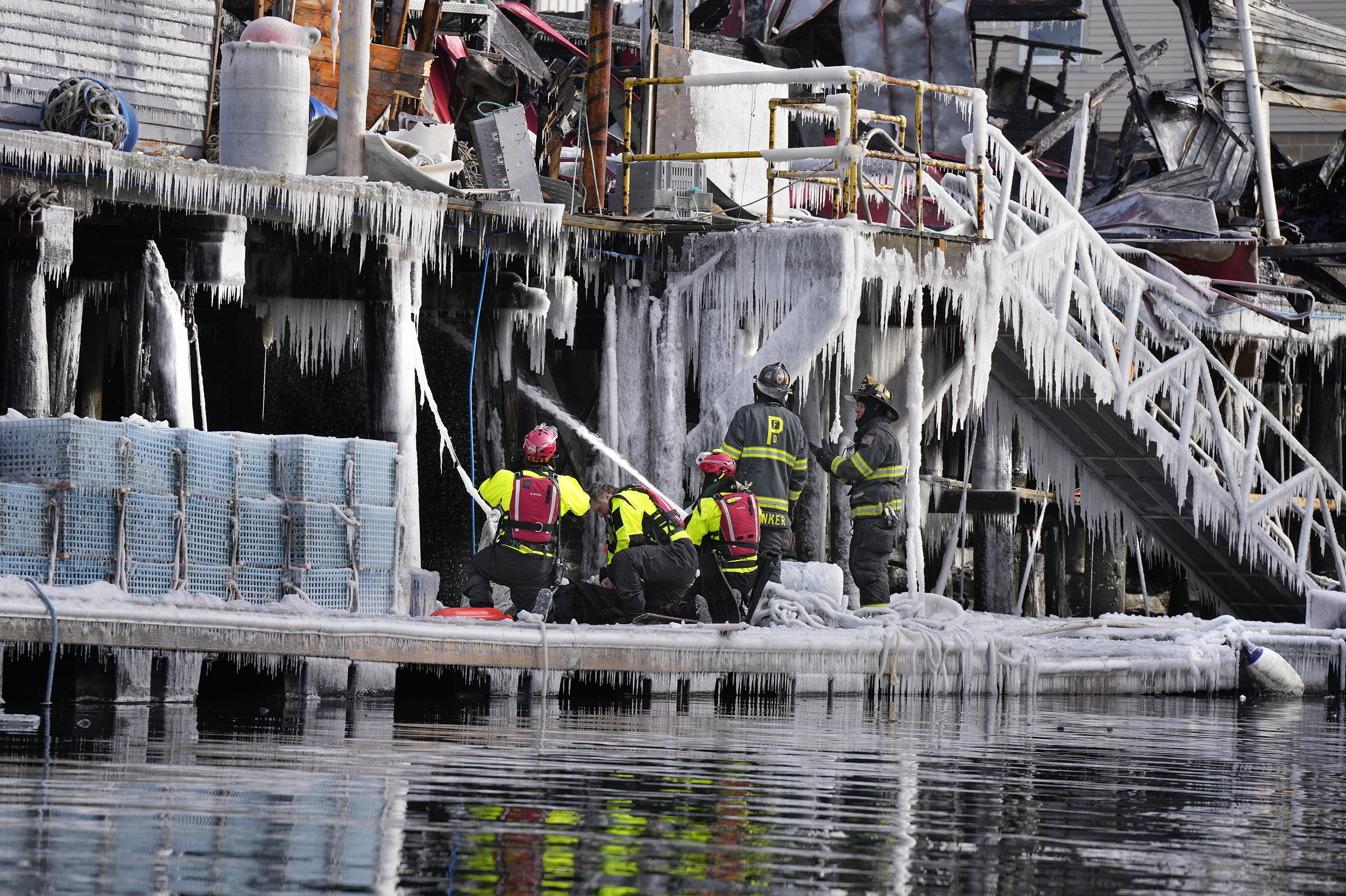
‘EVERY CALL IS A GAMBLE’
The firefighting and EMS system is built to flex. Departments provide mutual aid to one another, either by helping with an emergency response or covering a station in case more calls come in.
But that network is stretched thin.
When it takes Metcalf’s crews in Veazie “eight, 10 or 15 minutes” to come online, the full-time department from bordering Bangor often steps in.
“It’s a chess game that we all have to play,” Metcalf said. “Until I can get my staffing on scene, it’s a struggle. It really is.”
Gillespie, who is also president of the Maine Fire Chiefs’ Association, finds himself solving that same puzzle in Liberty. On paper, he has about a dozen firefighters to call upon, but all except one also volunteer with other departments. If they’re busy elsewhere, the crew shrinks.
And volunteers don’t all have the same certifications. Some can attack a fire head-on, while others may be limited to operating pumps, driving trucks or simply directing traffic.
“Every call is a gamble on whether you’re going to have enough staff to roll a piece of apparatus or have enough trained personnel on scene,” Cox said. “The only way you can fix that is (with) a huge budget, which no town can afford.”
He said those challenges are no fault of Maine’s dwindling, but fiercely dedicated, stock of volunteer firefighters.
“It’s a huge commitment to be a caller,” Cox said. “You’ve got to do the same training, meet all the same requirements, but you’re getting up out of bed from your house and responding.”
‘STRETCHED TO THE MAX’
While small departments rely on their larger neighbors, the arrangement works in reverse, too.
Bangor aims to have 22 crew members on duty each shift. But some are assigned to ambulances, and other spots are vacant because of staffing shortages, meaning Maine’s third-most populous city can have as few as eight firefighters readily available — not nearly enough to fight even a standard structure fire on their own.
“We certainly have times where we’re stretched to the max,” said Low, the chief. “That’s where a lot of that mutual aid comes in for us.”
Multiple fire chiefs said only a few departments — like Portland’s, the state’s largest at about 220 members — can battle a standard fire on their own.
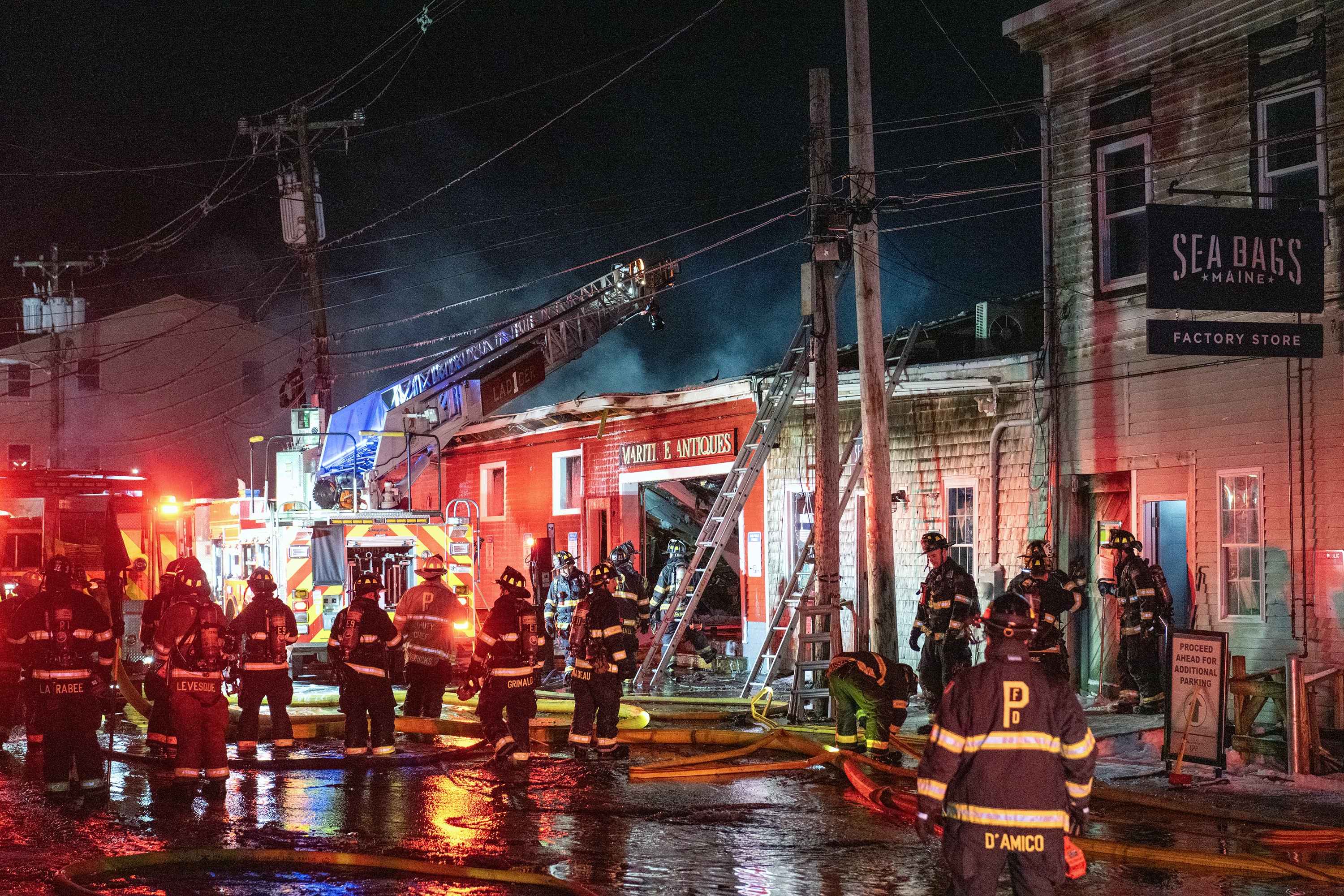
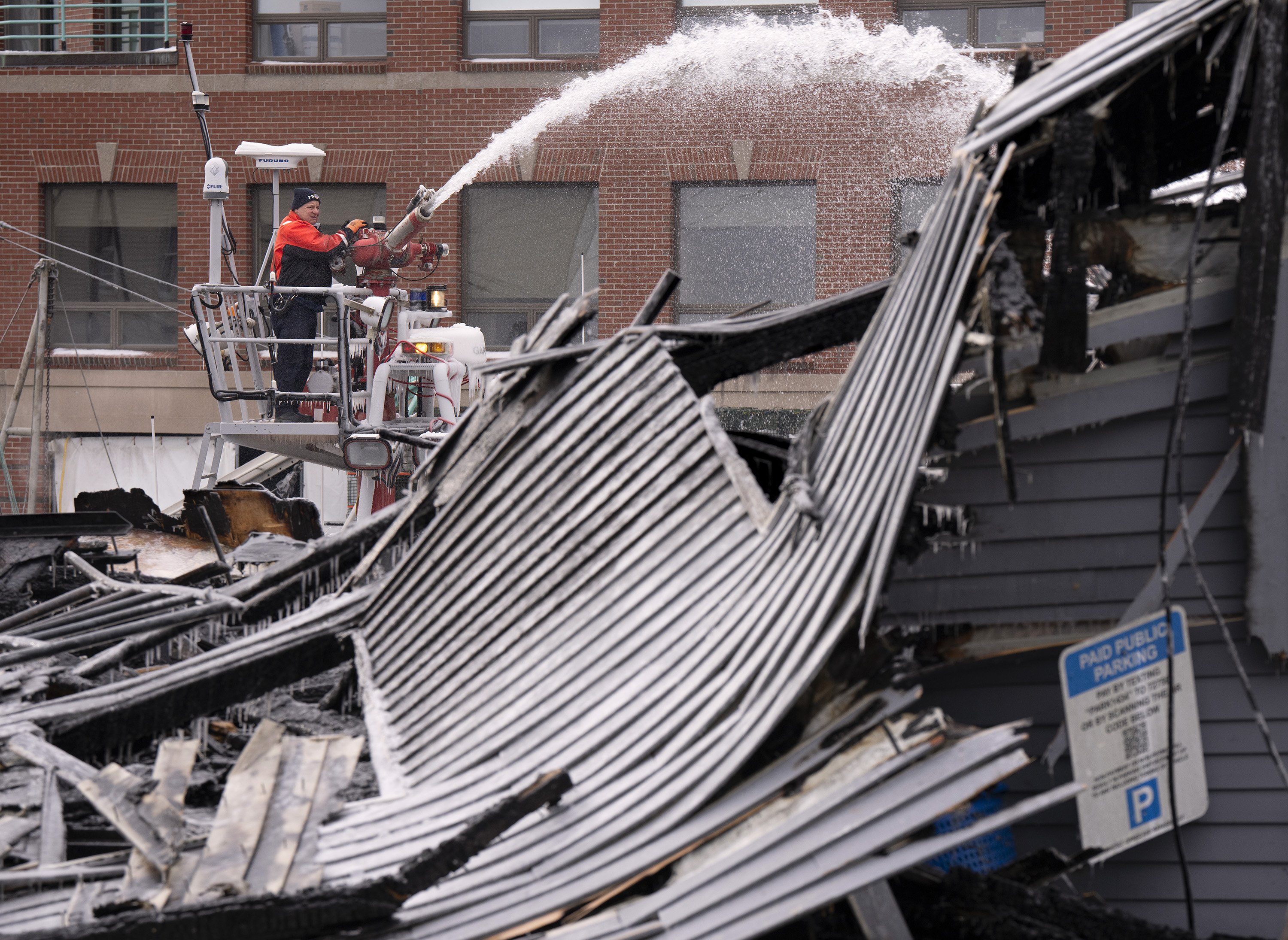
Chief Chad Johnston said neighboring departments only respond directly to a Portland fire once or twice per year — as happened the day after Christmas, when a three-alarm fire destroyed four businesses on Custom House Wharf.
On that frigid evening, South Portland and Westbrook crews rushed to the scene and fought shoulder to shoulder with Portland. Meanwhile, firefighters from other towns manned Portland’s stations, ready to respond to unrelated calls.
But more often than not, it’s Johnston’s firefighters rushing to help elsewhere, and they’re going more frequently and farther than ever. This summer, Portland helped with a fire 18 miles away in Biddeford — the farthest Johnston said the department has gone in his more than 25 years there.
“You might think, ‘Well, that’s an anomaly,’” he said. “It’s an anomaly until they have another big fire.”
All eight chiefs interviewed agreed that emergency calls, especially for EMS, have increased drastically in recent years. Of the over 195,000 incidents Maine departments responded to in 2024, two-thirds were categorized as EMS.
The Portland, Auburn and Bangor chiefs say behavioral health and substance abuse are driving the surge. And firefighters aren’t always prepared for those calls.
“We feel ill-equipped for them, but it’s becoming a large part of what we do,” Auburn Chief Bob Chase said.
And in rural towns like Liberty, where a state trooper or sheriff’s deputy may be an hour away, it feels as though calls for everything from car crashes to horses on the loose are up.
“Nothing surprises me anymore,” Gillespie said.
STAFFING BARRIERS
The fire chiefs pointed to a slew of factors undermining their staffing: a generational shift away from the trades, budget constraints that limit pay, mounting barriers to enter the industry, and the taxing pressures of being a first responder, such as unpredictable schedules and traumatic experiences.
“There are a lot of things we see that you can’t unsee,” Gillespie said.
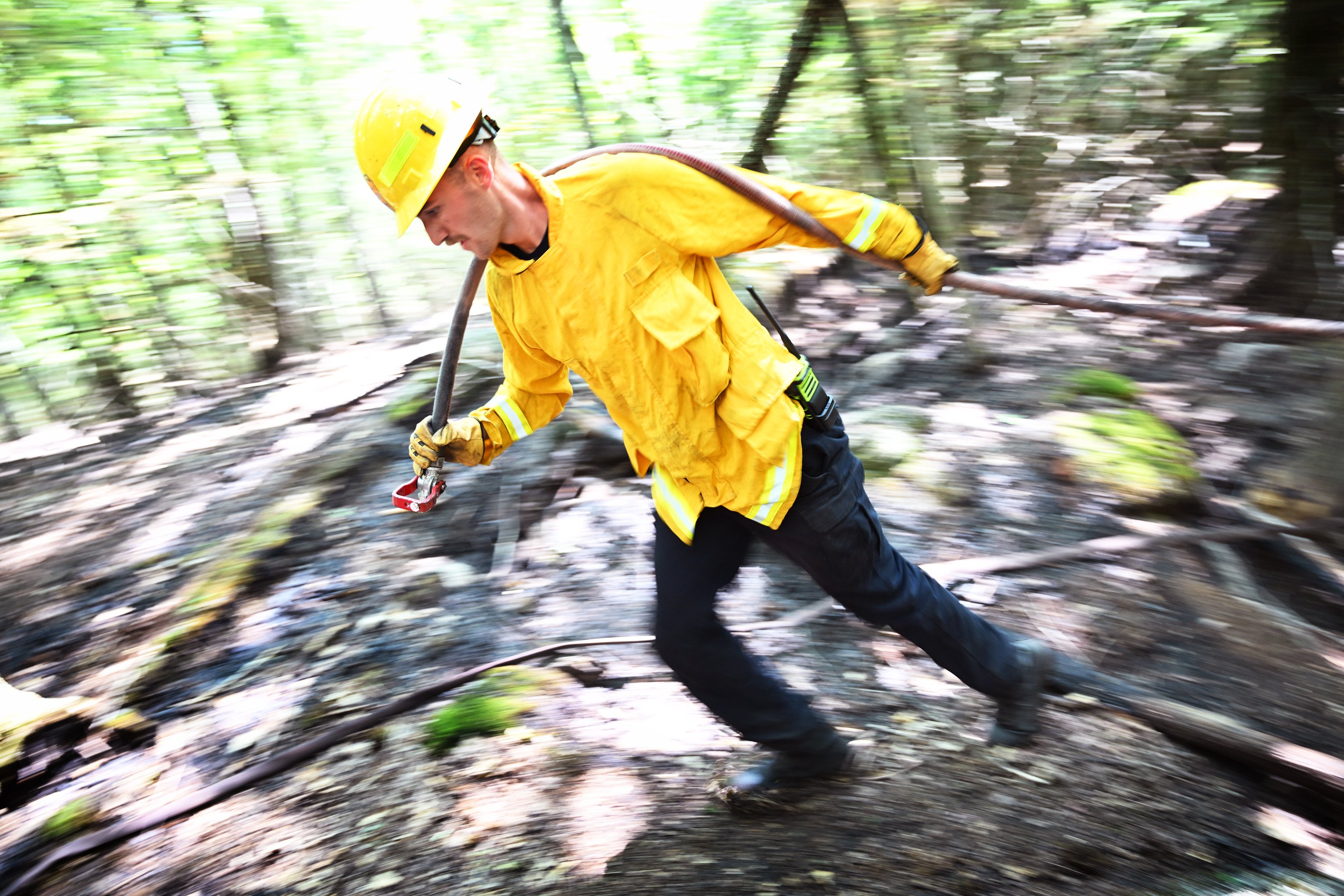
It’s a tough job to advertise, especially for volunteer departments. Gillespie said he can hardly compete with wages offered at fast food chains, never mind full-time departments.
In Auburn, Chase said his department hasn’t been fully staffed since before the COVID-19 pandemic.
“It’s not uncommon for us to have three or more vacancies, do a hiring process, and barely get enough candidates if we hired everybody, let alone based on their qualifications,” he said.
Even for those willing to answer the call, the requirements have never been tougher.
“To get into any full-time fire department, you have to be a minimum of a basic EMT, emergency medical technician,” said Michael Scott, president of the Professional Fire Fighters of Maine, which represents over 1,300 past and present firefighters, EMS personnel and dispatchers.
Many departments now require paramedic status, too, Scott said, or at least that the job applicant be ready to attain that level of certification. There are obstacles to becoming a paramedic — namely, time and money — not to mention the licenses one then needs to be a firefighter.
“A lot of kids don’t want to go through college to get that type of degree and license,” Scott said. “On the fire side, there are limited opportunities to get your Firefighter I and Firefighter II.”
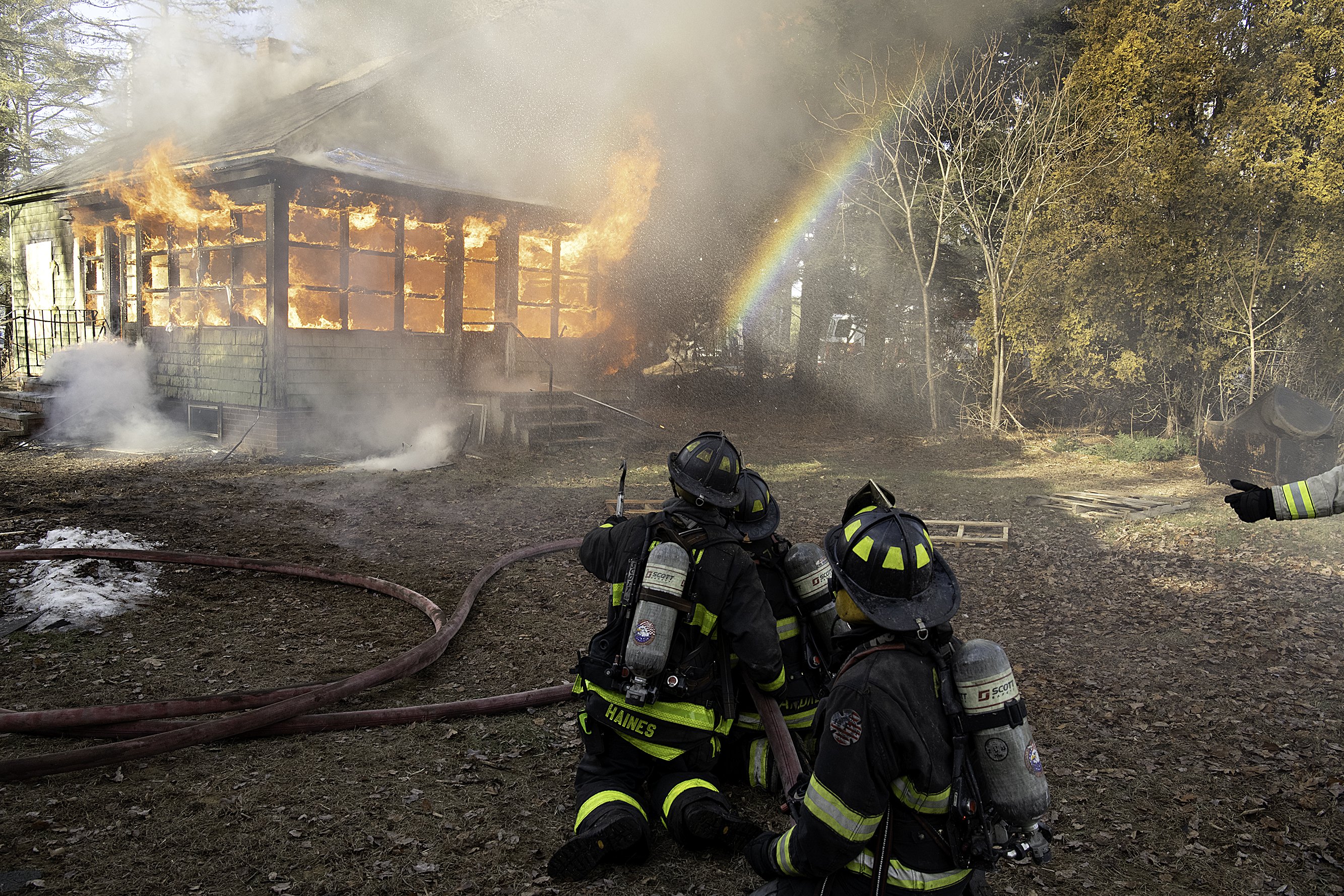
Live fire training facilities needed for those certifications are scarce, and many fire departments are hours away from one.
“If they have to travel two to three hours each way to one of these facilities to get that training, you’ve lost them,” Chase said.
Around 2015, Gillespie said, stakeholders made a plan: 11 strategically placed facilities would ensure 90% of Maine fire departments are near one.
Two years later, the state conducted a study on seven existing facilities, all built before 1995, which concluded that it would take hefty repairs to bring most up to modern-day standards.
The Maine Fire Protection Services Association, a 23-member body that includes several members of the Legislature, secured funding for a grant program in 2019. Since then, about $3.5 million has been awarded to build five new facilities. And with another built via local, federal and other state dollars, Maine is more than halfway to its goal.
Still, Gillespie said, “We need to push further north.”
RETENTION AND CONSOLIDATION
Some full-time departments, particularly in southern Maine, are beginning to find a recipe for success. They’re trying to reach possible candidates at a younger age via school assemblies, community events and job fairs, hoping to spark a passion for service before they leave high school. They’re also focusing on staff retention by investing in the talent they already have.
When Chief Larry Best took over the Biddeford department two years ago, it had 11 open jobs. By late 2025, the department’s lone vacancy was because of a recent retirement.
“We’ve kind of turned a corner,” Best said.
Part of that came from collective bargaining with its firefighting union and ensuring pay and benefits were competitive.
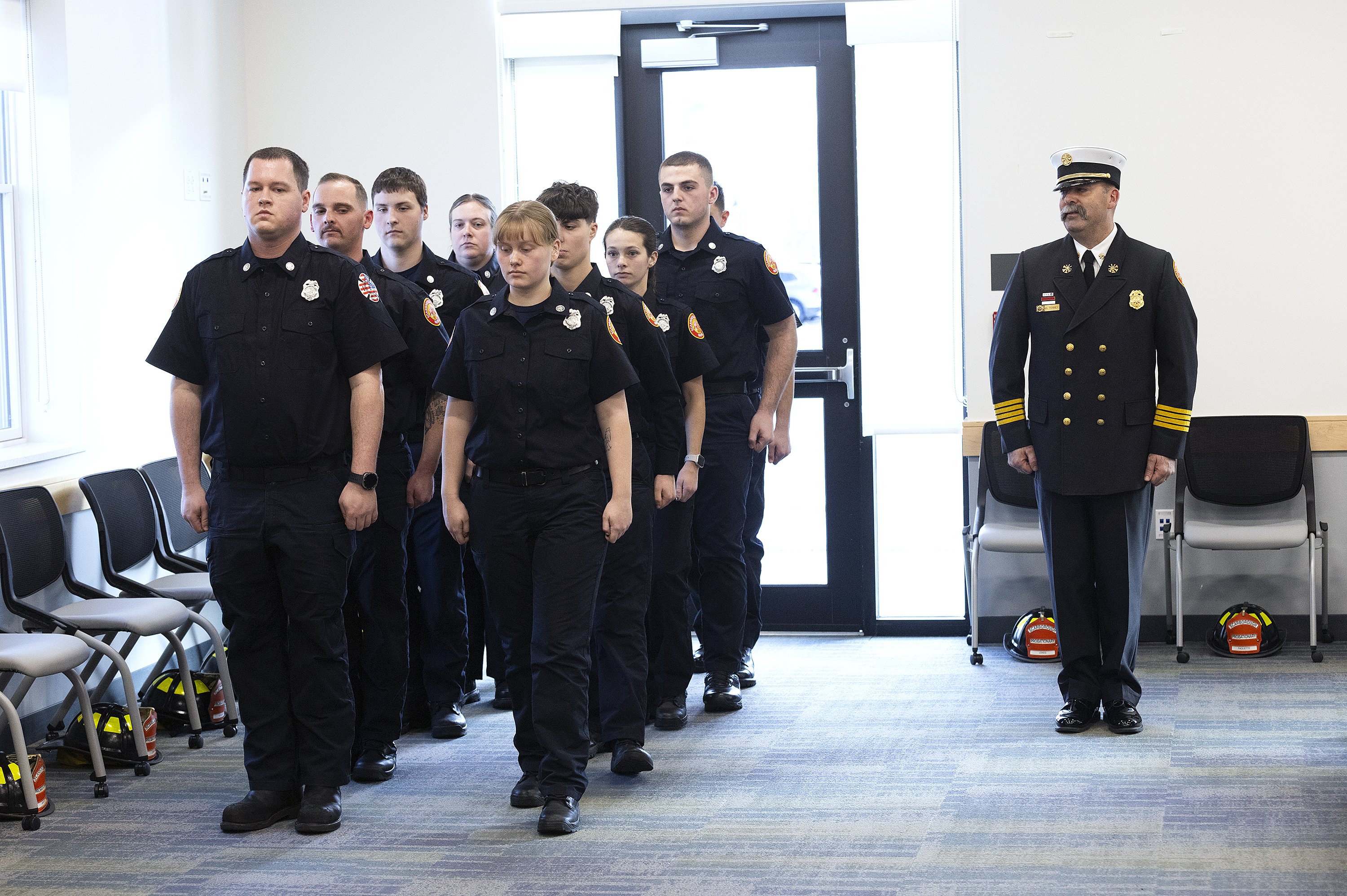
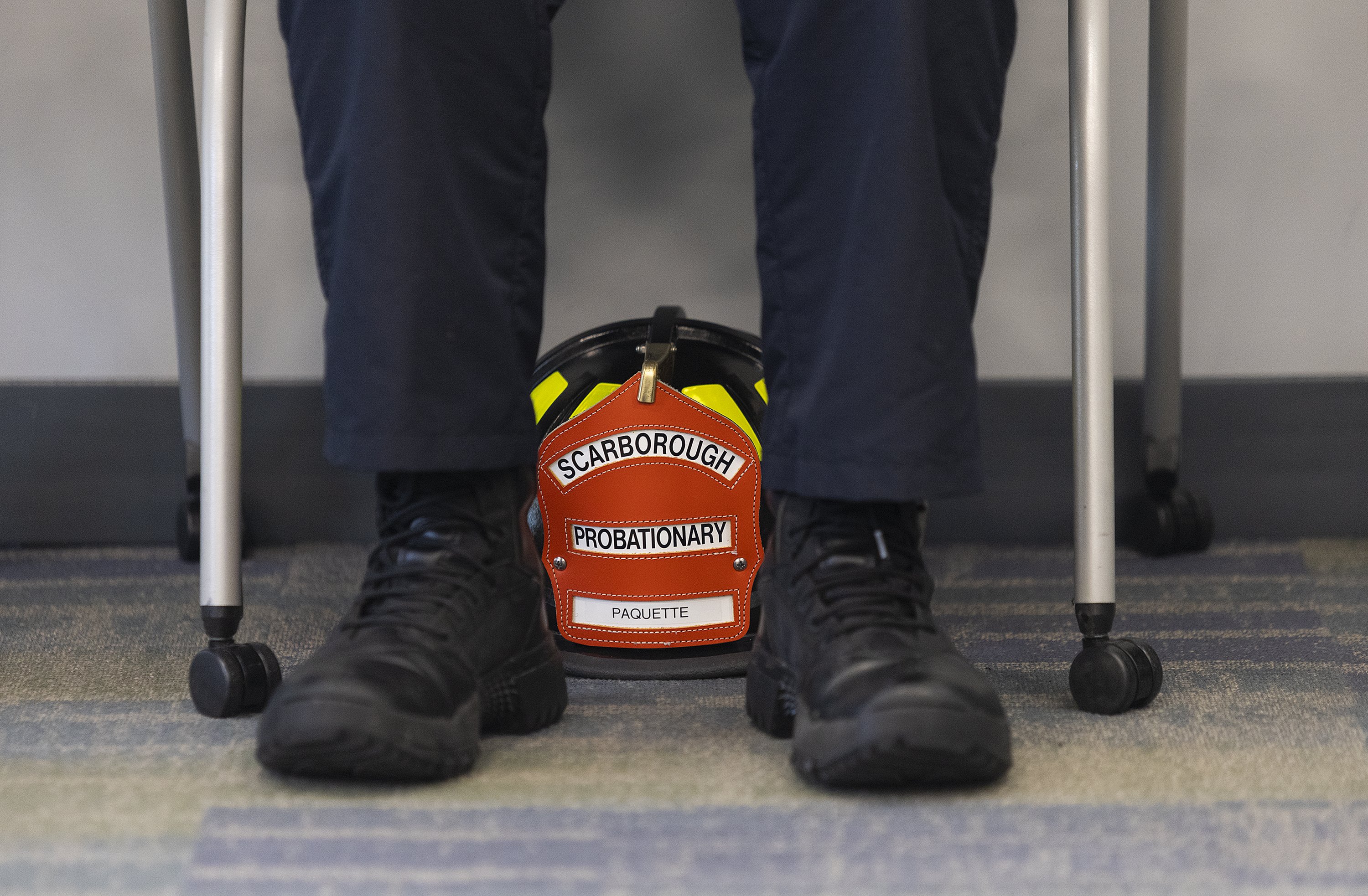
In early December, 10 recruits graduated from a training program at the Scarborough Fire Department — its fifth and largest class.
“When I started out many years ago, I would sit in a cafeteria with a hundred people taking a test for maybe five or six jobs,” Chief Rich Kindelan said. “That’s just not the case anymore.”
A statewide study on the staffing shortages, conducted by the Office of the State Fire Marshal and the University of Maine’s Margaret Chase Smith Policy Center, is expected to be completed this summer. Those groups declined an interview request about the pending study, and the fire marshal’s office declined an interview on the staffing shortage in general.
But Alexander Rezk, a research associate at the policy center, agreed to discuss a 2020 survey of Hancock County fire departments that corroborated much of what the fire chiefs elsewhere had to say.
“I think there are probably education gaps, both for lawmakers and the public, that could be closed if folks were taking a closer look at this,” Rezk said.
The study found that Hancock County departments rely heavily on grants and fundraising. Rezk said many see regionalization as a possible solution, and the survey found that they were already effectively doing so.
Maine EMS director Wil O’Neal said his agency has been exploring regionalization, too. EMS calls are up, he said, while rural hospitals are facing uncertainty and Maine’s number of trauma centers is declining.
About 17% of EMS calls result in mutual aid, O’Neal said, and regionalizing operations could improve efficiency.
Sen. Brad Farrin, R-Norridgewock, a former volunteer firefighter of 17 years, said the state has a role to play. But he cautioned that local and regional stakeholders need to drive the effort.
“Hopefully, as state elected officials, we help foster those sorts of communications and resources and not impede them,” he said. “You need that local buy-in.”
FINDING SOLUTIONS
Remedying the firefighter shortage in the long term will require a multipronged approach.
The study by the state fire marshal’s office and UMaine will be key in acquiring more funding, said Rep. Stephan Bunker, D-Farmington, a member of the Maine Fire Protection Services Commission and a volunteer firefighter for 47 years.
He said it will act as a census of Maine firefighters and help quantify the shortage. Right now, it’s tough to get funding due to Maine’s wealth of competing interests, he said.
“That (study) will help reinforce us when we ask for more resources, changes in statute, benefit packages — a whole host of issues,” Bunker said.
Winthrop fire Chief Dan Brooks, chair of the commission, said the body is also working to bolster programs at community colleges, technical institutes and high schools, and to connect departments with resources to drive recruitment.
The state also established a Length of Service Award program, which provides bonuses for firefighters based on commitment, but that program depends largely on contributions from local departments.
A spokesperson for Gov. Janet Mills declined to make her available for an interview but said in a brief emailed statement that Mills “is always supportive of efforts to increase the ranks of firefighters in Maine.”
Gillespie commended the commission and some state lawmakers for their efforts but feels many others need to do more than just acknowledge the problem.
But for now, fire departments will continue to do the best they can with what they have and embrace any support they can muster.
“ Not everybody needs to be the person who throws on the air pack and goes into the burning building,” Gillespie said. “We just need the help.”

We invite you to add your comments. We encourage a thoughtful exchange of ideas and information on this website. By joining the conversation, you are agreeing to our commenting policy and terms of use. More information is found on our FAQs. You can update your screen name on the member's center.
Comments are managed by our staff during regular business hours Monday through Friday as well as limited hours on Saturday and Sunday. Comments held for moderation outside of those hours may take longer to approve.
Join the Conversation
Please sign into your Sun Journal account to participate in conversations below. If you do not have an account, you can register or subscribe. Questions? Please see our FAQs.