


With the ground frozen, Kelly Harrington is done digging graves for the season.
Harrington, who serves as Hanover’s cemetery sexton, town clerk and fire warden, said the town works hard to control costs.
“We are very thrifty. Taxes this year rose only 3%. There were several recent years when we had the same tax rate and didn’t go up at all,” she said.
Despite those modest increases, data from a recent Maine Monitor story shows Hanover’s property tax burden is the highest in the state when measured as a share of median household income. Property taxes consume about 9.2% of the median resident’s income. Hanover’s median household income is just over $32,000 for its 286 residents, and the town’s median age is 50.4 — well above the state average, which is in the mid-40s.
Even when the dollar amount of taxes is relatively low, like in Hanover, a high tax burden relative to income can leave residents with less disposable income for necessities such as food, health care, transportation and home maintenance.
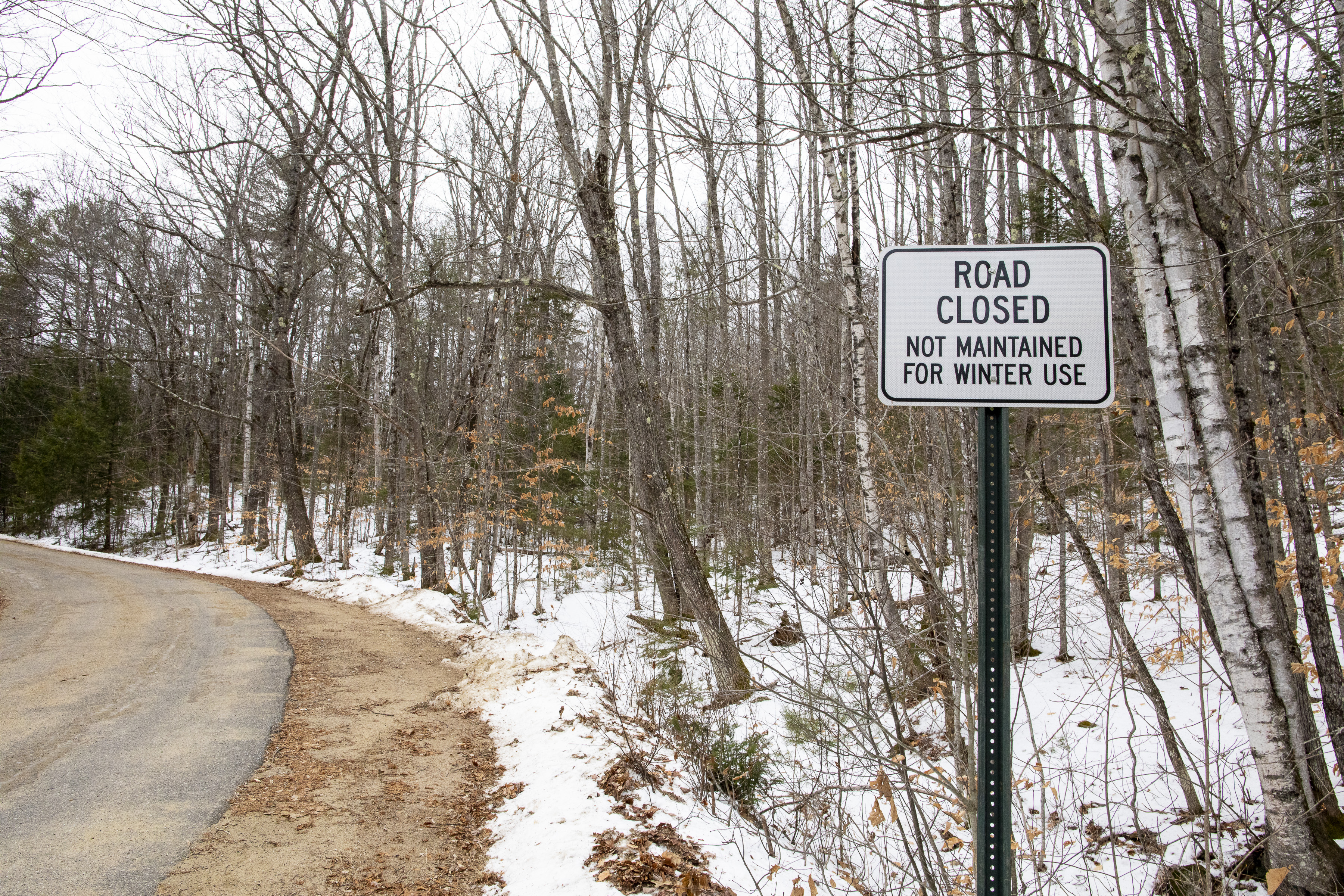
Very little of Hanover’s 7.04 square miles is state- or town-owned or conserved by a land trust. A recent town office upgrade was funded through a resilience grant.
Many Hanover residents live on fixed incomes. About 20% of the population is over age 65, according to Neilsberg data. The U.S. census recorded 238 residents in Hanover in 2010; by 2020 that number had grown to 286 people — an increase of about 20%.
A few times a week, some of the town’s seniors gather at their tiny, mostly self-supporting library to play mahjong or knit. On Jan. 6, Director Lynne Ramsey was there with four others.
Ramsey said her family, who live in other states, laugh when they hear how little she pays in taxes, but said she would not want Hanover’s raised any higher, either.
“You have the haves and the have-nots, Ramsey said. “We have people who have lived here for years and years and don’t have much and they really can’t afford more in taxes.”
There is a fairly even divide between residents who would like more services and those who want the tax rate to stay where it is, she said. In the future, she said, “things could get off-balance, since there are more and more people living (at Howard Pond) and those people have money.”
The town has no fire department, no ambulance service, no food pantry and no trash pickup.
Anne Broughton, of Hanover, said her friend leaves town in the winter to live with her son in Arundel because her unplowed road is, “just too scary,” to navigate. Many roads are plowed by the town, but some are not.
Besides the library and the Town Office, there is one other municipal building, called the Town House. Ramsey said some residents were disappointed when townspeople allocated just $500 for repairs to the Town House at the 2025 town meeting.
“What they got for money, wasn’t enough to do much of anything,” she said.
Jack Kuchta, who has lived in Hanover since 2013, said town officials have kept property assessments low. Kuchta noted — and town assessor John O’Donnell confirmed — that town-wide assessments have not been conducted since 2008.
Kuchta said the town has not done a disservice to longtime residents with low incomes. But he said the lack of updated assessments creates inequities across the tax base.
“It means some people are paying more than people with equivalent pieces of property,” Kuchta said. “The town needs to do something else to alleviate the tax burden rather than engage in an illegal tax structure just to keep people in their homes.”
State law requires property assessments to be fair and uniform, he said.
“If they’re off by 50%, everybody should be off by 50%. And that’s not what’s going on here,” Kuchta said.
Jack and Irene Kuchta’s 4,000-square-foot, six-bedroom, 1770s-era home sits on 12 waterfront acres. The property is assessed at $306,281.
Before they moved to Hanover in 2013, he said they paid $12,000 in taxes for a half-acre, three-bedroom Cape-style home in New Jersey. Their Maine tax bill is $4,485 per year.
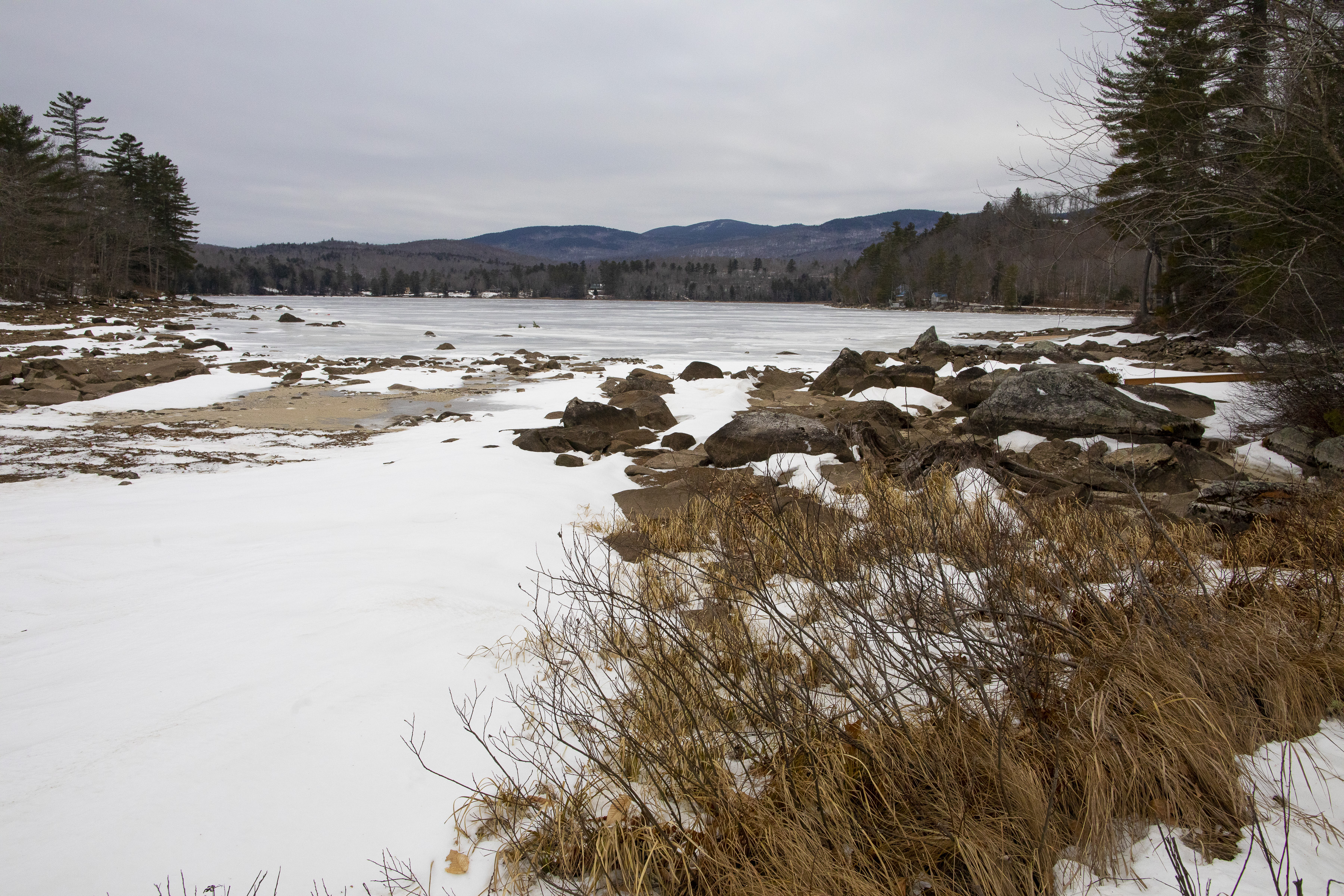
At the October 2023 special town meeting, residents who live on South Shore Road argued that the town should plow their side of Howard Pond, as it does on the opposite shore. Other residents objected strongly.
“Excuse me, why did you move here? … Why did you have to put the burden on us? We are senior citizens. … Take that 15% (discount) and do your own plowing,” said one resident.
Another resident calculated how much the added plowing would increase individual tax bills. Harrington, the town clerk, said on-the-spot calculations are common in Hanover and reflect how closely residents monitor town spending.
Harrington has worked for the town for 24 years and took on multiple roles when she was promoted from deputy clerk in 2014. In addition to her office duties and attending Select Board meetings, Harrington digs graves by hand with the help of her husband, Rodney Chase. They also maintain the town cemetery.
Greenwood Deputy Clerk Angie Lovejoy said they are happy to assist the Hanover Town Office with vehicle registrations because it has limited hours. But when it comes to digging graves, she said, “That’s being a little too thrifty. You couldn’t pay me enough.”

We invite you to add your comments. We encourage a thoughtful exchange of ideas and information on this website. By joining the conversation, you are agreeing to our commenting policy and terms of use. More information is found on our FAQs. You can update your screen name on the member's center.
Comments are managed by our staff during regular business hours Monday through Friday as well as limited hours on Saturday and Sunday. Comments held for moderation outside of those hours may take longer to approve.
Join the Conversation
Please sign into your Sun Journal account to participate in conversations below. If you do not have an account, you can register or subscribe. Questions? Please see our FAQs.