


RUMFORD — Representatives from a company developing a $1 billion pumped storage hydropower project in Oxford County were featured speakers at a recent meeting of the River Valley Rotary Club.
Tom Saviello, a professional forester, former Maine state legislator and a Franklin County Commissioner, and Tom Brennan, public affairs director with Western Maine Energy Storage, which was established in May 2024 and operates out of Cianbro Corp.’s Pittsfield headquarters addressed the club at the Jan. 12 meeting.
In July, Western Maine Energy Storage filed for a preliminary permit from the Federal Energy Regulatory Commission for a proposed development near the Central Maine Power transmission corridor, on private land on Ludden Lane off the Canton Point Road, near the Androscoggin River. The project would be mostly in Dixfield, with a small section in Canton.
The permit, which will secure the site for further studies, including economic and environmental feasibility, is the first step in a permitting process that will take years.
The topography makes the chosen location a match for the proposed development, the men said. Western Maine Energy Storage plans to build an upper and lower reservoir, each 100 acres. The two reservoirs will be connected by a pipe. A powerhouse sitting just above the lower reservoir will generate electricity whenever water flows down from the upper reservoir and passes through a turbine. That electricity can then be passed on to the grid.
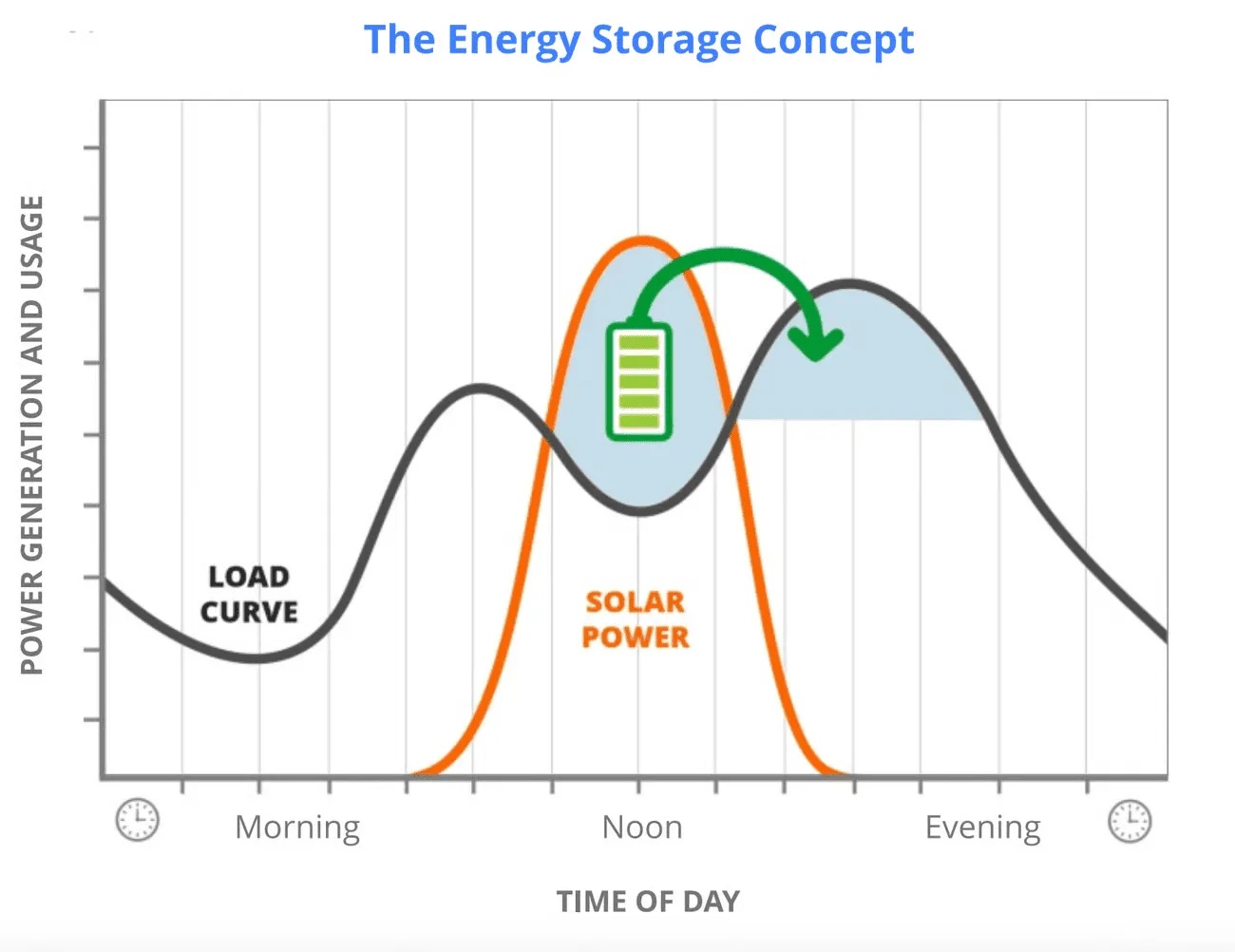
“When power is relatively cheap, you pump water up, and then when it gets really expensive, or there’s a lack of juice in the system, you flow it back down,” Brennan said.
The two artificial reservoirs will help store and generate 500 megawatts of on-demand power, stabilizing the grid by using excess renewable energy to pump water up and releasing it during peak demand. The purpose is to provide on-demand, firm renewable energy, balancing intermittent wind and solar power.

“Think of a hydro dam. Basically water going through it, spinning the turbines, making electricity,” Saviello added. “The difference here is that we don’t have a dam. We have two water supplies. And it’s important, because, unlike others, we’re only going to take water from the river to fill it. After it’s filled, hopefully it’s going to be self-sustaining so there’s no water taken out of it. You pump it up. When the electricity is cheap or when the sun is shining, we’ll pump it down the hill when it’s dark. And that will generate electricity.”
Initially, the two reservoirs will be filled from the Androscoggin River in what Brennan said will take up to a year.
“It’s very slow fill process. Maybe in springtime, we’d want to accelerate that,” he said. “We’ve done preliminary water balance studies, and unless it’s a particularly dry or drought summer, the overland runoff is going to replace any losses in the reservoirs lost by evaporation. So we won’t need to access the river but for the initial fill.”
The permit process could take four to five years. Studies involve the environment, engineering and detailed feasibility assessments. Construction could start around 2031, with the facility coming online in 2033, though that’s dependent on how quickly Western Maine Energy Storage can move through the permitting process with FERC.
Speaking last August before the Dixfield Select Board, Brennan noted that this is not new technology.
“It really started in Switzerland in the 1890s,” he said. “But there are about two dozen of the facilities around North America; none in Maine, but there are two in western Massachusetts. So they’ve been time tested.”
The project would be the first of its kind in Maine and among the largest in the Northeast.
Brennan said the hope is to get at least 50 years of use with the project, “but the overall expectation is a hundred.”

Supporting Sponsor for Franklin Journal, Livermore Falls Advertiser, Rangeley Highlander and Rumford Falls Times.
Keeping communities informed by supporting local news. franklinsavings.bank

We invite you to add your comments. We encourage a thoughtful exchange of ideas and information on this website. By joining the conversation, you are agreeing to our commenting policy and terms of use. More information is found on our FAQs. You can update your screen name on the member's center.
Comments are managed by our staff during regular business hours Monday through Friday as well as limited hours on Saturday and Sunday. Comments held for moderation outside of those hours may take longer to approve.
Join the Conversation
Please sign into your Sun Journal account to participate in conversations below. If you do not have an account, you can register or subscribe. Questions? Please see our FAQs.