

Maine may be off to a cold, snowy winter, but the long-term trend is clear: the state is warming, its coldest days are losing their bite, and the seasonal temperatures and snowfall haven’t broken records, despite what your cold feet and sore back might tell you.
“The way people perceive and remember weather can be tricky,” said Michael Clair, a National Weather Service meteorologist stationed in Gray. “It’s the coldest and snowiest winter we’ve had in a while, yes, but we’ve certainly seen much worse, and not that long ago.”
So far this winter, Maine has logged 38.4 inches of snow in Portland and 47.3 inches in Bangor, federal weather records show. That’s a lot to shovel, especially when it falls all at once, but not a record snowfall for either place over the last 10 years, much less over 30 or 100 years.
Although it can vary greatly around the state, Maine’s average winter temperature over the last decade is 20.8 degrees, according to weather records from National Oceanic and Atmospheric Administration as collected by the University of Maine’s Climate Reanalyzer.
The December-through-February temperature drops to 17 degrees when averaged over the last century.
In Portland, the average daily temperature for the first two months of this winter is 23.5 degrees, which is higher than the 10- and 100-year statewide averages. A similar average in Bangor is much colder, at 13.4 degrees, but still above the start of its 2017-18 winter, which averaged 12.8 degrees.
Looking back over the last 50 years, Portland has logged eight more extremely warm winter days — defined by a high temperature that reaches or exceeds the 90th percentile of winter highs for that day — than it did in the 1970s, according to federal climate records.
Bangor records, on average, five more extremely warm winter days now than during the 1970s.
That’s the big difference between weather and climate. Weather refers to short-term conditions like rain, temperature, or wind over short time periods, such as days or seasons. Climate refers to weather patterns over a long period of time, like decades or centuries.
“Judging climate change by a cold storm is like judging a baseball season by a single inning,” said Kaitlyn Trudeau, a senior researcher at Climate Central, a nonprofit group made up of scientists that study climate trends.
In layman’s terms, weather is your mood, while climate is your personality. According to federal temperature and snowfall records, Maine’s mood may be cold and snowy, but its personality has been getting warmer over time. It’s harder to predict long-term snowfall trends.
Cold snowy winters don’t happen despite a warming climate, Trudeau said. They’re connected to it, especially when it comes to snow totals. Climate change doesn’t eliminate Arctic outbreaks, she said. Instead, it raises the odds of extreme outcomes.
A warmer atmosphere is a thirstier atmosphere, capable of holding more moisture, and warmer oceans fuel greater evaporation, loading winter storms with extra moisture, she said. When that moisture falls into Arctic air, precipitation totals can increase, whether it falls as rain or snow.
The start of Portland’s winter is definitely snowier than the last 10-year average, federal records show. The December 2025-January 2026 snowfall of 38.4 inches easily tops the 10-year average of 29.9 inches, but falls far shy of 2019-20’s record of 40.8 inches in those three months.
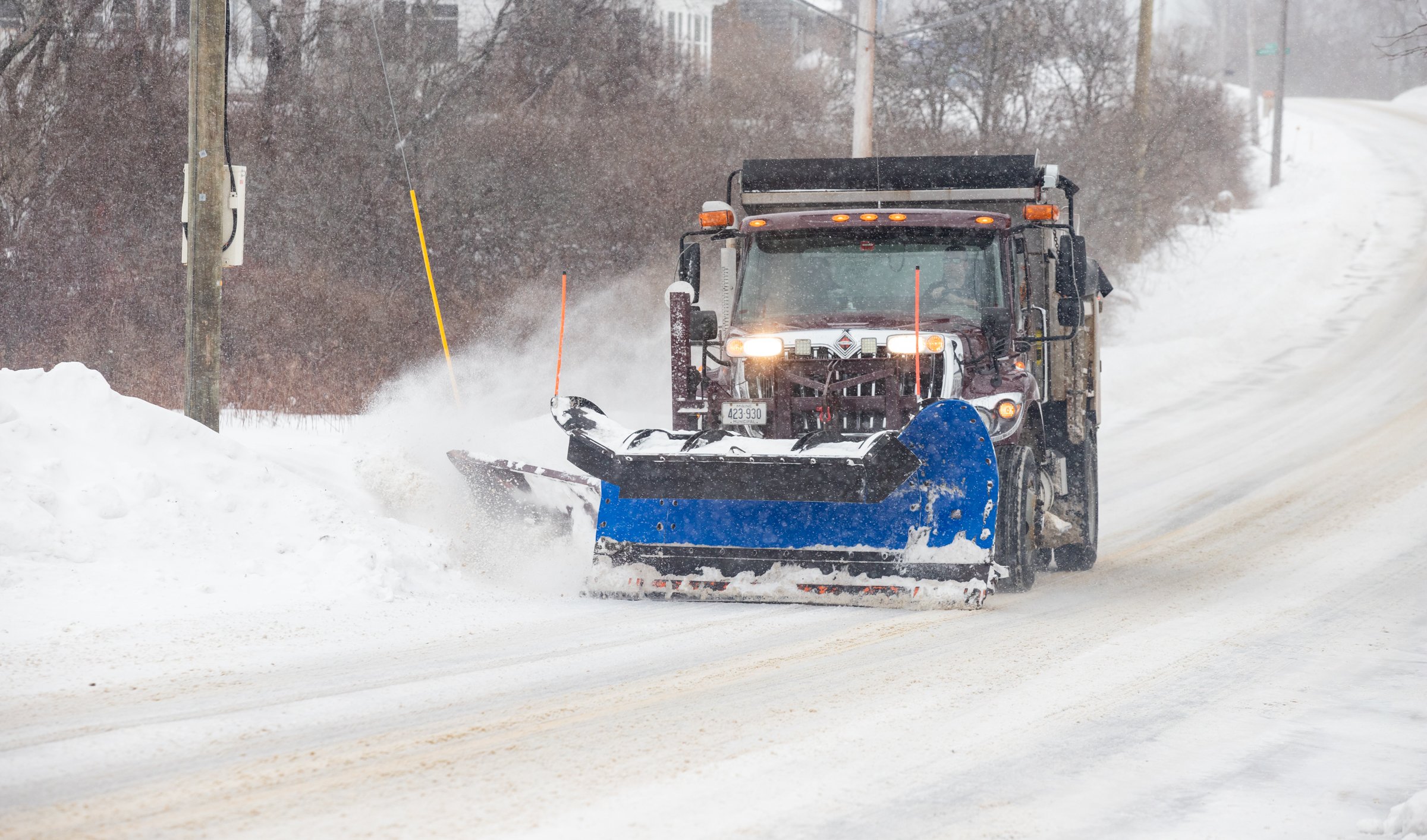
The December-January total at Bangor International Airport of 47.4 inches is below that city’s 10-year average of 53.2 inches, much less December 2018-January 2019, when Bangor recorded 78.8 inches of snow, making it the city’s snowiest start to winter of the last decade.
This winter’s weather is good news for Maine’s climate-challenged snowmobile industry, dog sledding races and ice fishing tradition as well as its ski resorts, which have had to pour millions into snowmaking equipment to offset low-snow winters.
Despite a snowy start to the season, Smiling Hill Farm in Westbrook will not resurrect the cross-country ski business it shuttered last year. Co-owner Michael Knight said the operation had not turned a profit in years due to a lack of snowfall.
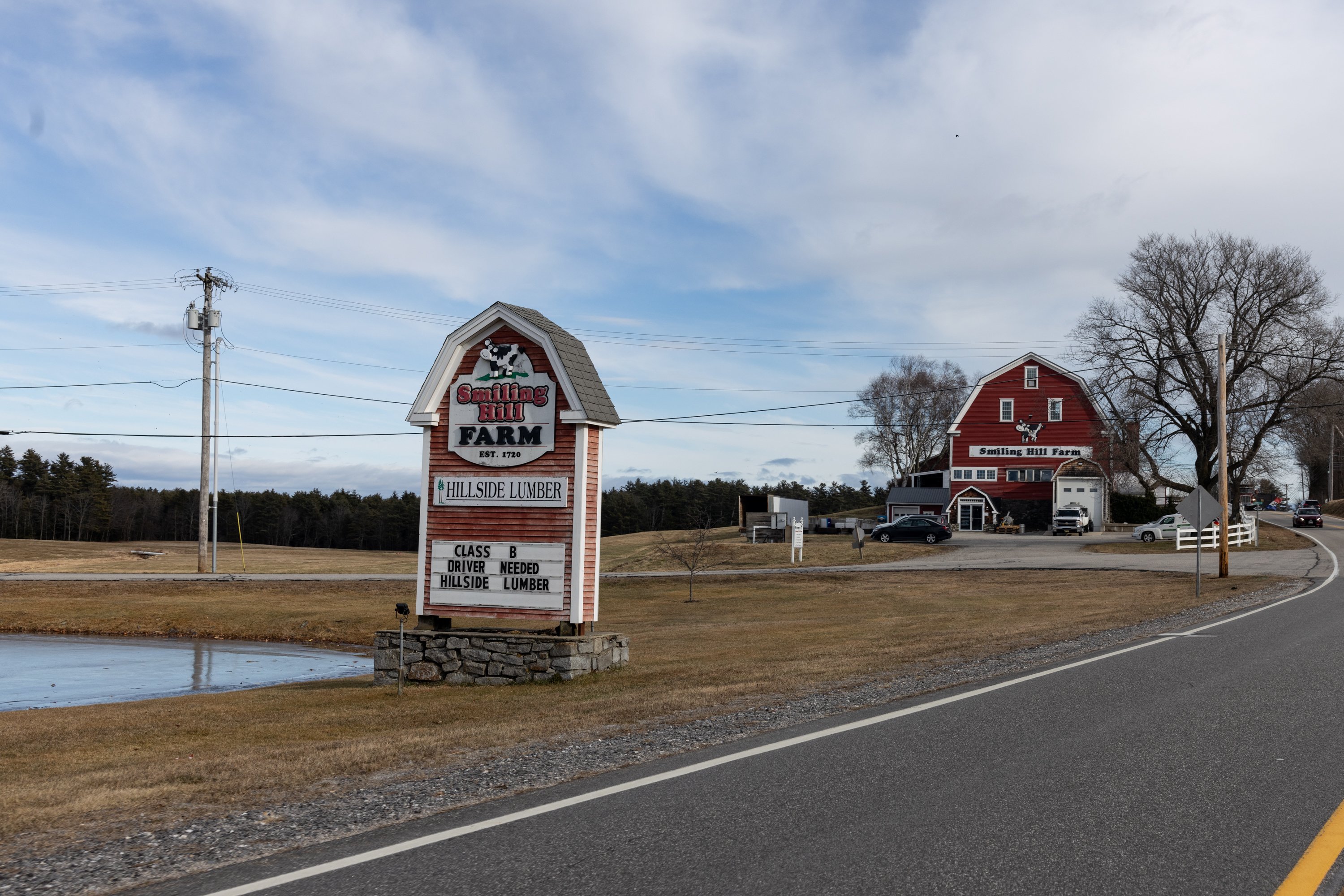
“One good season’s not enough,” Knight said. “You need three good months of snow with no thaws or rain to have a profitable ski operation. Mother Nature just isn’t doing that for Maine anymore. Without snow, the business was just a very expensive hobby.”
Instead, Knight is turning to disc golf, a popular year-round sport he believes will have a more profitable future in a fast-warming Maine. He is scheduled to open an 18-hole course dubbed “The Cow” this May, with plans to eventually open a second nicknamed “The Bull.”

We invite you to add your comments. We encourage a thoughtful exchange of ideas and information on this website. By joining the conversation, you are agreeing to our commenting policy and terms of use. More information is found on our FAQs. You can update your screen name on the member's center.
Comments are managed by our staff during regular business hours Monday through Friday as well as limited hours on Saturday and Sunday. Comments held for moderation outside of those hours may take longer to approve.
Join the Conversation
Please sign into your Sun Journal account to participate in conversations below. If you do not have an account, you can register or subscribe. Questions? Please see our FAQs.