


MEXICO — For Curtiss Hallock, teaching in the Metal Trades/Welding program at Region 9 School of Applied Technology is a “privilege.”
Hallock guides students through work on complex projects that involve multiple applications of machining and fabrication. The program, he said, offers high school students hands-on, career-oriented education.
An instructor at the 377 River Road school since 2019, Hallock has been welding since 1982. He’s a certified welding inspector and has a certification for welding on Navy ships.
During a period of time when he was unemployed, Hallock started working as a floating substitute teacher at Region 9. One day in Director/Superintendent Brenda Gammon’s office, he said, “I will do anything to work here cause I just love the place so much.”
Hallock said that to be able to share his knowledge with students is “a real privilege. I get frustrated, like all teachers do, but in general, I really enjoy the kids.”
He noted that when students learn a necessary technique, “it happens quickly.”
“They’ll weld and weld and weld, and then all of a sudden, bang, all these muscles, which is what you’re training, say, ‘Oh, this is what I’m supposed to be doing,'” Hallock said.
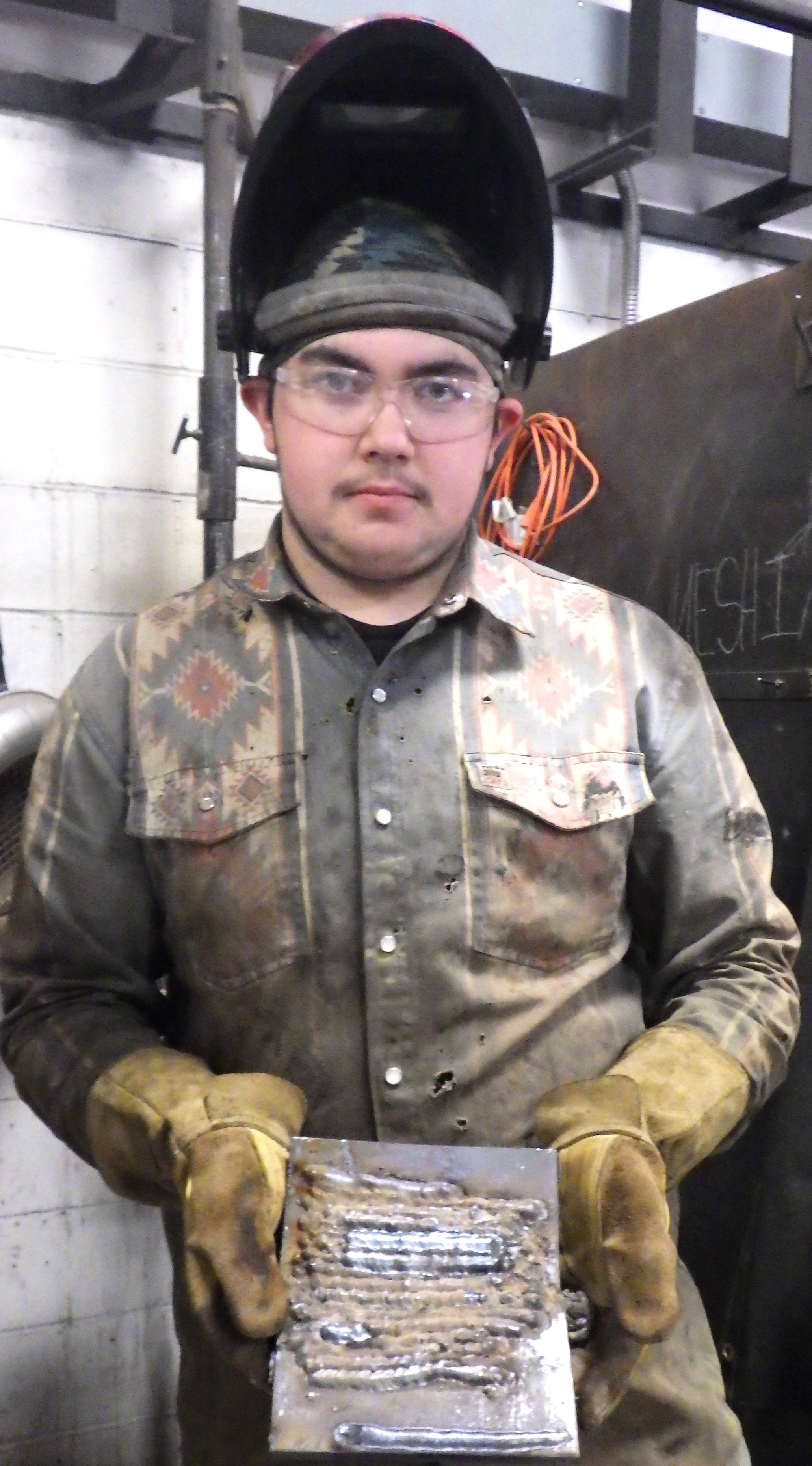
There are 13 students in their first year of the welding program, with 10 in their second year. Mountain Valley (Rumford), Dirigo (Dixfield) and Telstar (Bethel) high schools all send students to the program.
One of those students is Matt Doucette, a senior from Telstar High School.
“He’s been accepted to attend the one-year pipe welding class at White Mountain Community College (Berlin, New Hampshire) and we’re working on the finances now,” Hallock said.
In a recent tour of the program, Doucette demonstrated his stick welding technique, then showed his work. He said it’s important to get into a comfortable position to do your welding because if you have a stop halfway and start again it can lead to defects. A continuous, unbroken weld bead is ideal.
In March, the program chooses students to take a qualification welding test, where a welder joins two small pieces of metal (plate or pipe), called a “coupon,” to demonstrate their skill, technique and ability to meet specific code requirements.
“We take the kids that are ready,” Hallock said. “And by ready, I mean, they have to do three passing sets of coupons, which is a test plate welded up, cut in strips and bent.”
These coupons are then subjected to destructive testing (like bend tests) or nondestructive examination (like X-ray) to check for internal flaws, ensuring the welder is certified for production work.
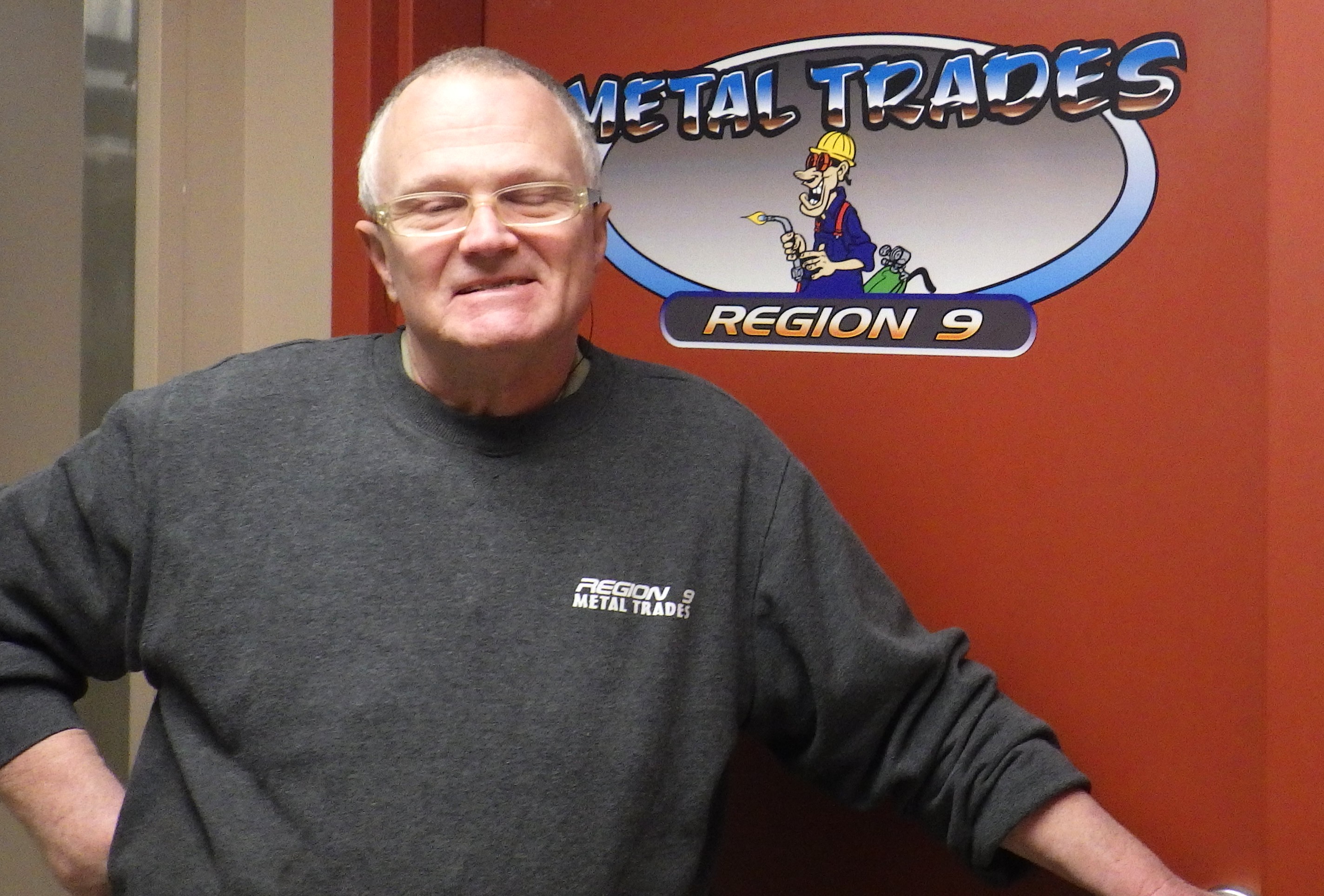
Hallock said they take students to White Mountain Community College, which is an American Welding Society–certified testing site.
“They do their test and it gets bent within the next month, and they learn if they passed or not,” he said. “Last year, we had an 85% pass rate.”
There are three steps — flat, vertical and overhead welding.
“My goal with them is to at least get your flat certification because what happens is that companies who are hiring will go, ‘He doesn’t have the certification that we need but we know he can weld and he’s worth training’ because he has his flat or vertical certification,'” Hallock said.
Some of them, he said, are not only doing flat, but vertical and even overhead, too.
“To be able to weld vertically or overhead is a special thing,” Hallock said.

Supporting Sponsor for Franklin Journal, Livermore Falls Advertiser, Rangeley Highlander and Rumford Falls Times.
Keeping communities informed by supporting local news. franklinsavings.bank

We invite you to add your comments. We encourage a thoughtful exchange of ideas and information on this website. By joining the conversation, you are agreeing to our commenting policy and terms of use. More information is found on our FAQs. You can update your screen name on the member's center.
Comments are managed by our staff during regular business hours Monday through Friday as well as limited hours on Saturday and Sunday. Comments held for moderation outside of those hours may take longer to approve.
Join the Conversation
Please sign into your Sun Journal account to participate in conversations below. If you do not have an account, you can register or subscribe. Questions? Please see our FAQs.