

FARMINGTON — Regional School Unit 9 has approved submission of a grant to help expand before- and after-school programming at Cape Cod Hill Community School.
The application was reviewed during the Feb. 10 board meeting, highlighting the growing demand for child care and student enrichment services in western Maine’s rural communities.
The application, submitted to the Fisher Charitable Foundation, requests $23,750 to support the school’s Care Club program during the final four months of the 2025-26 school year. The funding request covers the final 19 weeks of the school year and reflects increased enrollment and participation needs identified during the current academic year.
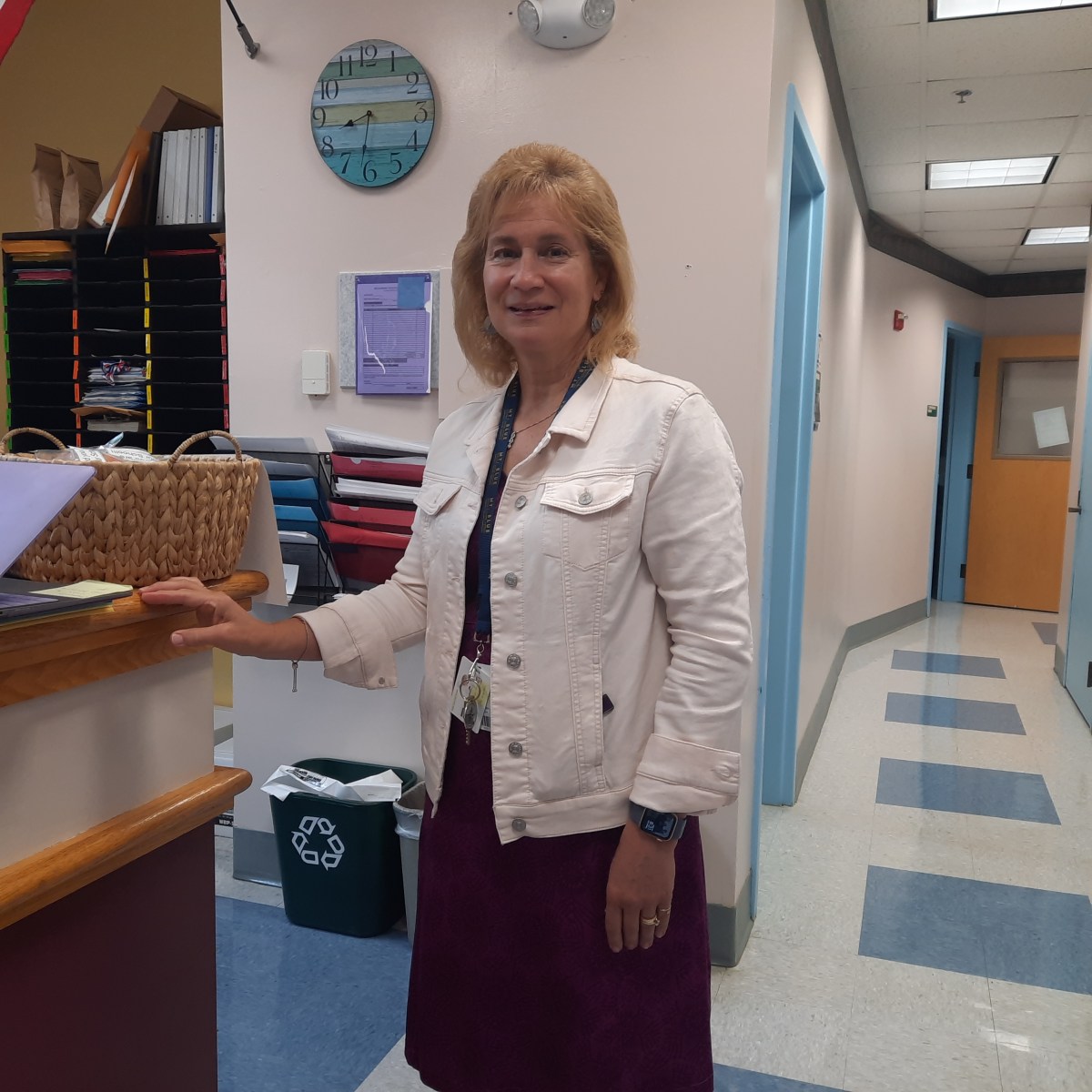
Cape Cod Hill Community School Principal Carol Kiesman oversees the school’s community-school programming and extended-learning initiatives.
The board also approved submission of a Maine Department of Education community school grant application.
The school’s Care Club program provides before- and after-school care and enrichment activities for approximately 60 students in rural western Maine. The Care Club offers supervised academic support, recreational activities and enrichment opportunities before and after regular school hours, providing structured environments that extend learning opportunities beyond the traditional school day.
Keisman said the program is designed to support families who may lack access to child care services and to provide structured academic and social enrichment opportunities that support student engagement and well-being.
In rural areas such as New Sharon and surrounding communities served by Cape Cod Hill Community School, before- and after-school care options are often limited because of distance between towns, transportation availability and the smaller scale of local child care providers.
School-based programs can serve as consistent access points for working families who might otherwise face limited child care availability or transportation barriers.
Cape Cod Hill Community School is one of six designated community schools in Maine. The designation allows the school to coordinate additional support services for students and families, including extended-care programming, mental health services, enrichment programming and connections to community-based resources under Kiesman’s leadership.
Keisman said the school launched its community school programming in 2022, initially serving approximately 16% of students through before- and after-school services.
She said participation has since expanded to serve approximately 25% of students, reflecting growing awareness of program availability and increased family demand. Program attendance averages 93%, suggesting consistent student participation and family reliance on services.
Community School Coordinator Anita Stevens told board members that enrollment increases required additional staffing earlier than expected.
“We came into this year with a larger amount of students needing before- and after-school care, which prompted us to put another person on, which then prompted the funds to be depleted much faster than we had anticipated, unfortunately, due to higher demand,” Stevens said. “The hope is, if we get approved to apply for the Fisher Foundation grant, it would then fund the remainder of this year for morning care and aftercare.”
The demand for services increased during the current school year as families sought additional child care and enrichment opportunities aligned with school schedules. Additional staffing hours were included in the 2025-26 budget but reported demand exceeded projections, requiring the hiring of an additional staff member and creating a funding shortfall, Keisman said.
The requested funding would support staffing for expanded before- and after-school programming from March through June. The proposed budget includes two staff members assigned to each program segment, with each staff member working 12.5 hours per week over a 19-week period. The projected wage cost for each program totals $11,875, resulting in the total funding request of $23,750.
Stevens told board members that district administrators are also exploring additional long-term funding sources.
“I ask to apply for the community school grant next year to fund all of our clubs, food pantry, my position and the hope is to join the children’s task force to do the 21st-century aftercare and summer program out there, and then to look for a couple of other grant opportunities that would then fund the morning care,” Stevens said. “So we’re not putting the burden on families because families right now are already feeling a large burden almost anywhere in this area.”
Stevens said increased participation reflects broader economic and scheduling pressures faced by working families.
“One person having a job is just not enough,” Stevens said. “Families, I think, are just overstretched and finding a safe place for their children to go so they can get to work on time, or a safe place for their children to be after school so they can complete their day. I do believe that is the root cause in the rise in the need.”
Program outcomes are measured through attendance data, student participation tracking and evaluation of family support impacts. Tracking participation and attendance trends helps evaluate program effectiveness and informs future funding and staffing decisions.
Kiesman told board members the program’s availability has also contributed to increased participation.
“By providing this program, the program is free of charge to families, and I think those families that really need before care and aftercare are happy to be able to use this program,” Kiesman said. “When we first started, we had maybe 10, 12, 15 kids. And now we have to cap it at 25. We just do not have enough staff to provide adequate care. But we have a waitlist.”
Kiesman said staff monitor participation levels to ensure available slots are used efficiently.
“If we notice that there has been a child that hasn’t been there in a few weeks, we check with the family to see if they really still need this service,” she said. “Because if not, we have somebody else who is on the waitlist that we could put in that place.”
Kiesman said extended-care programming has also supported district attendance goals.
“We’re doing a little competition between students and staff in the attendance world,” Kiesman said. “And I absolutely believe that because we are able to offer the before care, our attendance is much improved and I can track back on data because we track attendance all the time, and that’s a district goal as well.”

We invite you to add your comments. We encourage a thoughtful exchange of ideas and information on this website. By joining the conversation, you are agreeing to our commenting policy and terms of use. More information is found on our FAQs. You can update your screen name on the member's center.
Comments are managed by our staff during regular business hours Monday through Friday as well as limited hours on Saturday and Sunday. Comments held for moderation outside of those hours may take longer to approve.
Join the Conversation
Please sign into your Sun Journal account to participate in conversations below. If you do not have an account, you can register or subscribe. Questions? Please see our FAQs.