


HOULTON — Four times now, Wabanaki leaders and lawmakers have advanced bills to expand recognition of tribal sovereignty in Maine.
It still hasn’t happened.
Those bills have been dramatically reshaped as a compromise, died before a vote or been blocked entirely by Gov. Janet Mills.
For tribal officials and the Wabanaki Alliance, the nonprofit coalition representing the four nations in Maine, the 2026 gubernatorial election is a “huge opportunity,” said Alliance Executive Director Maulian Bryant.
Due largely to the alliance and the 300-plus organizations behind it, sovereignty has come to play an outsized role in Maine electoral politics.
“We’re like less than 2% of the population, but in the issues people talk about in these elections, we’re in like the top five to 10 issues a lot of the time,” Bryant said.
Unlike the other 571 federally recognized tribes, those in Maine are uniquely subject to state authority in some circumstances. This abridgment of the tribes’ right to self-governance has been economically detrimental not only to tribal nations, but to the entire state, Wabanaki leaders say.
Now, they’re trying to pass legislation that would make all federal Indian law applicable in Maine and recognize the unrestrained rights of tribal law enforcement on tribal lands and the rights of tribes to manage their natural resources without state oversight.
Two bills this year, LD 395 and LD 785, would have restored tribes’ access to beneficial federal laws and implemented the remaining changes to the settlement act first recommended by a task force of lawmakers and tribal leaders in 2020. The bills contained exceptions for federal laws relating to gambling, some criminal matters and some environmental laws.
In a compromise with Mills this month, lawmakers advanced versions of the legislation that instead expanded certain tax breaks for tribal members and created a task force to study how to go about broadly reinstating federal Indian law in Maine.
Of the 17 candidates running for governor, nine have said they support tribal sovereignty in some fashion and six have committed to backing the legislation as it was originally introduced this session.
“I think this could be a great shift in the state history when it comes to tribal-state relations,” Bryant said.
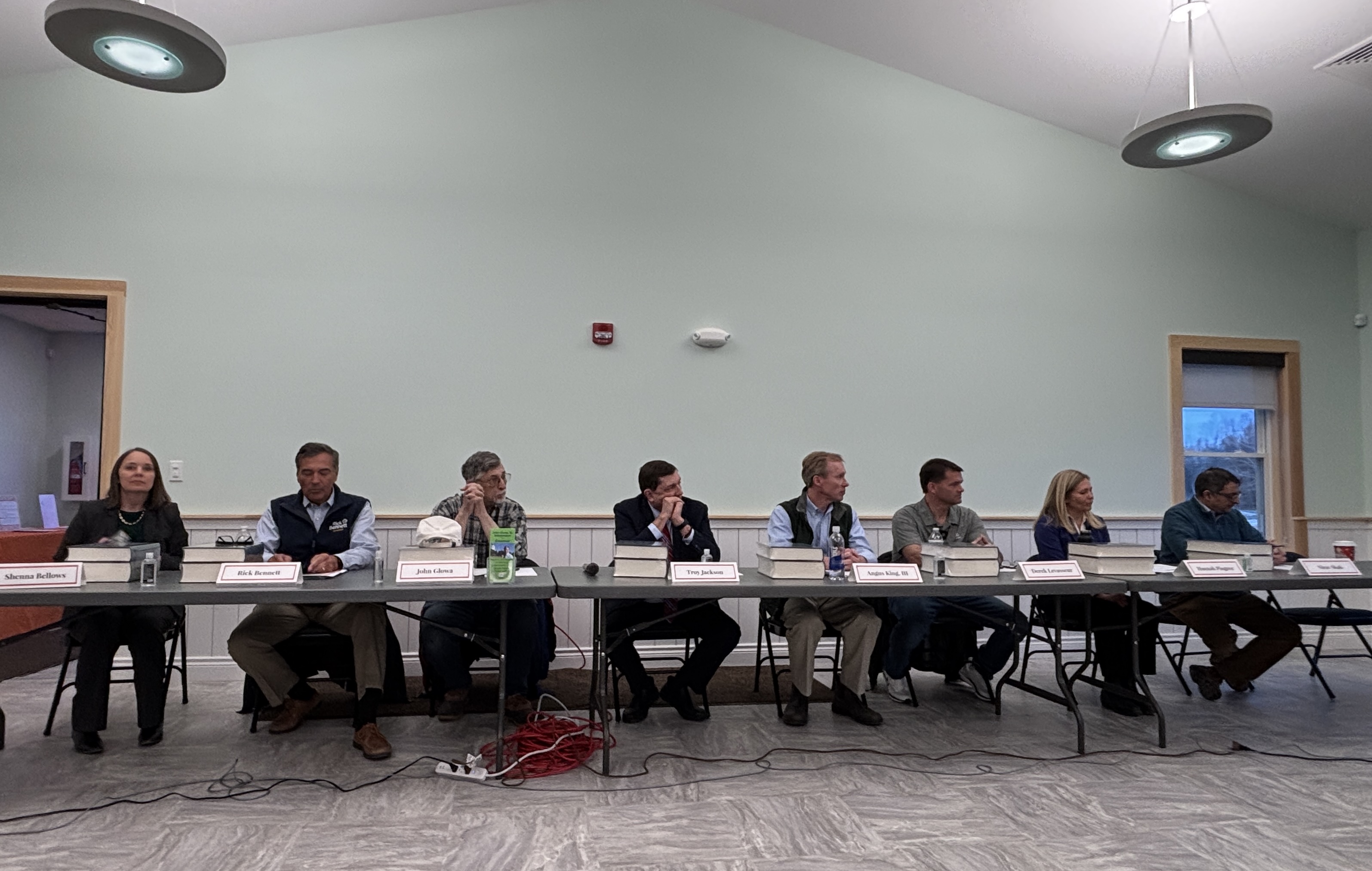
Candidates gathered in Houlton last week for a forum hosted by the Wabanaki Alliance and the Houlton Band of Maliseet Indians.
Although all of the candidates were invited, only eight of the 17 attended.
Here’s where all the candidates stand on tribal sovereignty.
THE UNTEMPERED YESSES
Secretary of State Shenna Bellows and past Maine Senate President Troy Jackson, both Democrats seeking the nomination, have made pledges to introduce sovereignty legislation on day one in office.
They both doubled down on that during the March 19 forum.
“There’s nothing hard about this, there’s nothing we have to wait any longer for,” Jackson said, with a nod to both the mountains of past work on the issue and several opponents who insist they support efforts but think there’s more to be done. “This is an easy task that should have been done a long time ago and I, as governor, will damn well do it.”
He picked up an endorsement from the Mi’kmaq Nation on Wednesday, the only tribe to make a primary endorsement so far.
“Tribal sovereignty will be good for Maine’s tribal nations — it will also be good for Maine,” Bellows told voters at the forum. “It will bring economic development, it will bring health care, it will bring environmental protections. And I am passionate about this.”
Democrats Hannah Pingree, former speaker of the Maine House, and Nirav Shah, a former director of the Maine Center for Disease Control and Prevention, have both made it abundantly clear that they too, support timely action on the matter.
The three former lawmakers — Bellows, Jackson and Pingree — have voting records that support their position.
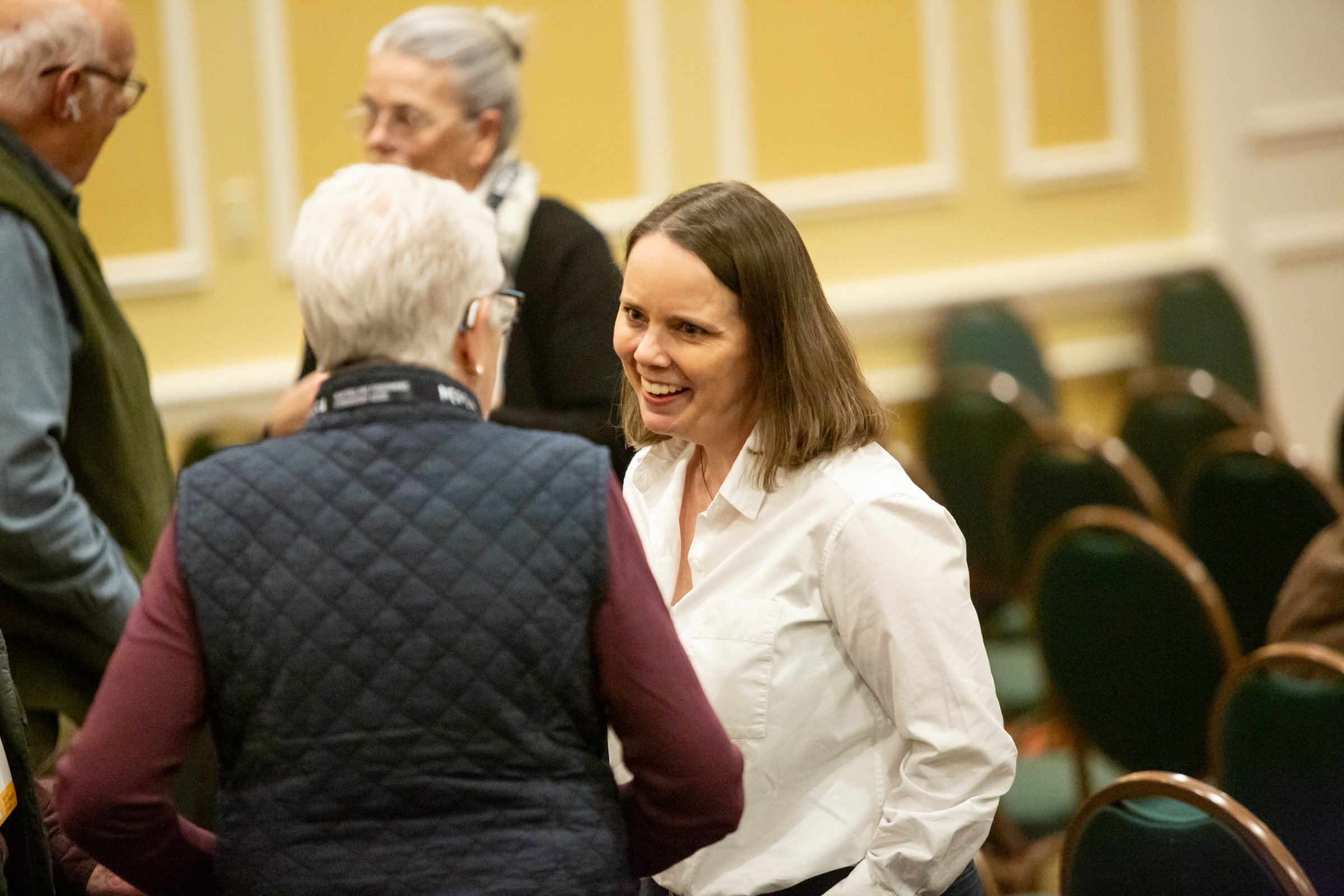
Rep. Edward Crockett, a Democratic lawmaker turned independent candidate, could not attend the forum last week due to committee meetings in Augusta. He said in an email that he is “in full support of tribal sovereignty” and that he would “strongly encourage the 133rd Legislature to send the legislation to my desk.”
Crockett voted in favor of the last two related bills, but did not vote to override Mills’ 2023 veto on LD 2004.
AFFIRMATIONS — WITH A CAVEAT
State Sen. Rick Bennett, a longtime Republican lawmaker who also unaffiliated and is running as an independent, has been an advocate for tribal sovereignty. He has co-sponsored sovereignty legislation, including the most recent set of bills, and has (alongside Bellows and Jackson), been designated as a “tribal champion” by the alliance.
His only divergence from the tribes is when it comes to gambling.
Some proposed bills would make the Indian Gaming Regulatory Act applicable in Maine, therefore expanding authority to operate casinos on tribal territory. Bennett has opposed any expansion of gambling in Maine.

Democrat Angus King III, a renewable energy entrepreneur and the son of U.S. Sen. Angus King, has indicated a restrained support on the issue. He said Thursday that he supports full tribal authority over tribal court jurisdiction in Indigenous territory and likely would support the authority to regulating gambling, too, but said this session’s bills have “some challenges that require some more work.”
Independent John Glowa, who spent several decades at the Maine Department of Environmental Protection, said he has an unwavering commitment to tribal sovereignty, but said he would not necessarily support the wording of LD 785 and LD 395 until he, as governor, had revisited it.
Derek Levasseur, a small-business owner from central Maine, also indicated support for tribal sovereignty but said he wanted a fresh set of eyes on the bills.
NOS AND UNKNOWNS
None of the Republicans vying for their party’s nomination showed up at the Houlton event, and some still have yet to share a position on the topic.
Former Maine Senate Majority Leader Garrett Mason; Owen McCarthy, a medical technology entrepreneur; Ben Midgley, a former fitness franchise executive; and Robert Wessels, a retail manager from the town of Paris — all Republicans — did not respond to requests for comment.
“I don’t think that this issue is ranking among the top priorities for Republican candidates for governor, and they don’t think that their supporters value tribal sovereignty as much as other things,” Bryant said.
Sen. James Libby also did not respond to a request for comment but previously told the Maine Morning Star that he does not support full sovereignty legislation because he is concerned that it could create varying regulatory environments within the state. In 2023, he voted in favor of LD 2004, which would have made federal Indian laws broadly applicable in Maine.
Those Republicans who did respond indicated resistance on the topic.
“A deal is a deal, and Augusta needs to get out of the troublesome habit of retrading on deals it makes,” Jonathan Bush, a businessman and cousin of former President George W. Bush, said in a written statement.
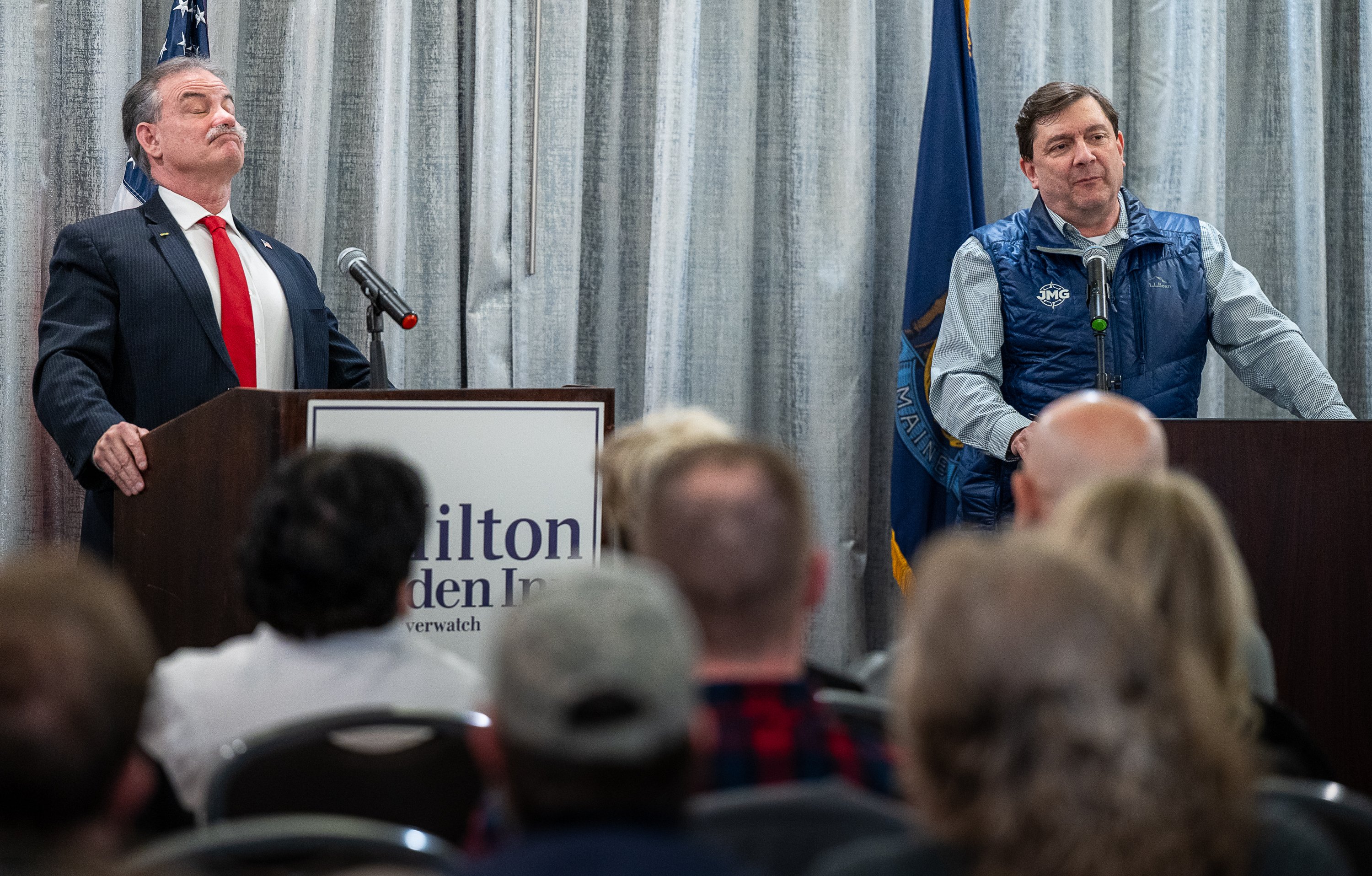
Bobby Charles, a former U.S. assistant secretary of state, said through his campaign manager that he needed to “wait to see” where the current legislative efforts lead.
Real estate broker David Jones said the issue was complicated and that he would appoint an ambassador to “the tribes of Maine” (a label the Wabanaki Nations resist).
“I believe the individual is the smallest minority, and my administration will be focused on improving the lives of all Mainers,” he wrote in an email.
Primary elections take place June 9.
Reuben M. Schafir is a Report for America corps member who writes about Indigenous communities for the Portland Press Herald.

We invite you to add your comments. We encourage a thoughtful exchange of ideas and information on this website. By joining the conversation, you are agreeing to our commenting policy and terms of use. More information is found on our FAQs. You can update your screen name on the member's center.
Comments are managed by our staff during regular business hours Monday through Friday as well as limited hours on Saturday and Sunday. Comments held for moderation outside of those hours may take longer to approve.
Join the Conversation
Please sign into your Sun Journal account to participate in conversations below. If you do not have an account, you can register or subscribe. Questions? Please see our FAQs.