


Kasie Malcolm called his grandmother in late January to ask about his suits.
Malcolm, a chemical engineering student at the University of Maine, wanted to pick them up that weekend for a career fair in Orono. It was a sign that the entrepreneurial and motivated 20-year-old always had an eye on the future.
“I sent him a photo of all his dress clothes sitting on the chair,” said Paula Malcolm, who raised Kasie in her home in Sanford.
“He never made it to the weekend.”
Kasie Malcolm died hours after a gas leak on Jan. 27 inside the Woodland Pulp paper mill in Baileyville. The Down East plant is one of just a half dozen still operating in a state where paper and pulp were a dominant industry through the mid-20th century.
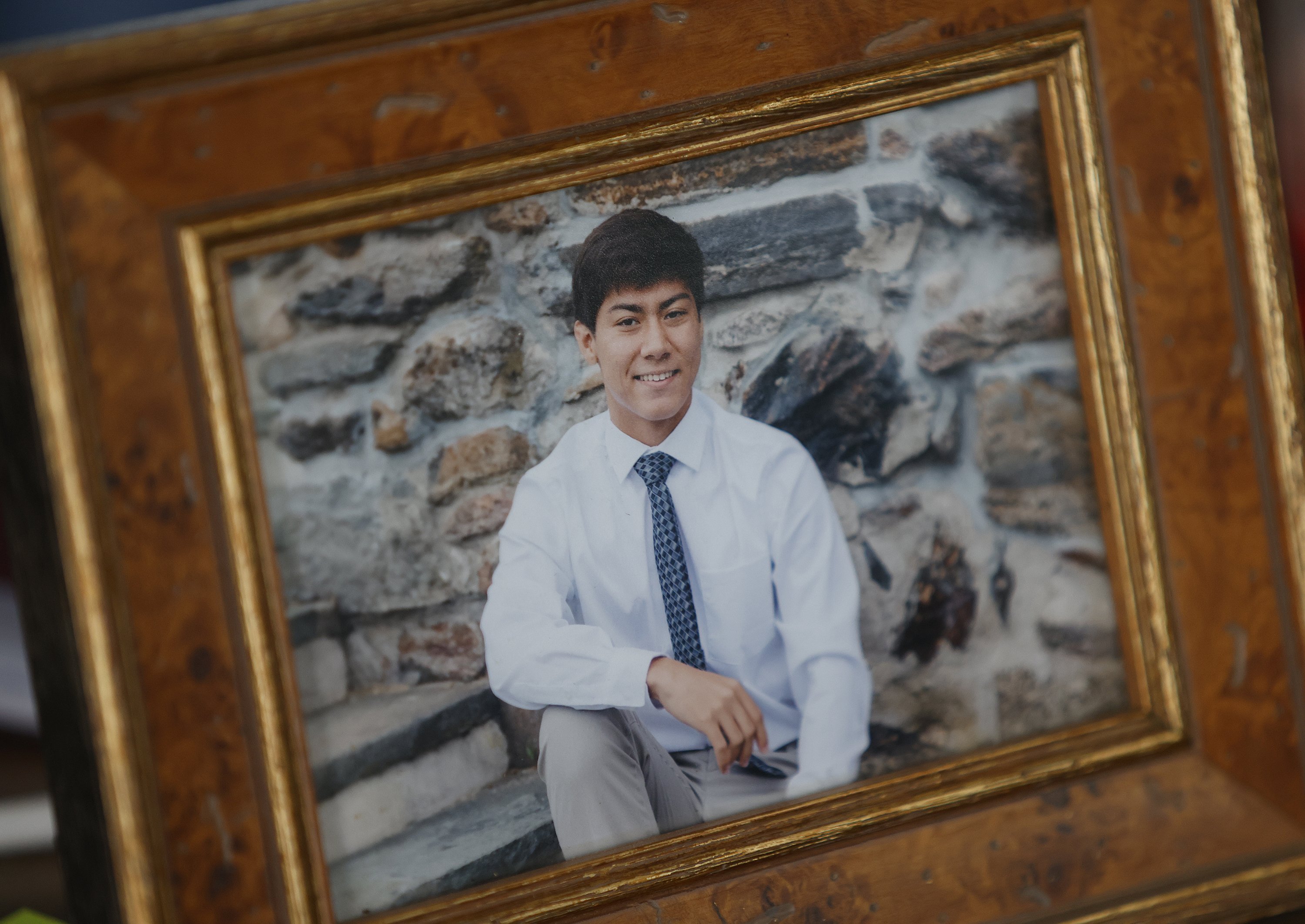
He and another young man, Allen Hornberger, 26, appeared to have been exposed to hydrogen sulfide, a toxic chemical used in the pulp manufacturing process. Eight others were injured.
Paper mills, like other industrial sites, have long been considered dangerous workplaces. The state’s remaining mills have been investigated dozens of times for injuries and safety hazards. But deaths in the industry are rare, especially in Maine, and many questions remain about the circumstances of the gas leak.
The Occupational Safety and Health Administration could take months to say exactly what happened that day, and if the company is at fault.
Paul Cyr, a retired investigator who was one of OSHA’s national experts in forest products industries and was involved in 30 or 40 inspections of chemical-related incidents in his career, said his experience suggests the one at Woodland Pulp was very likely predictable and preventable.
“This type of incident should never happen in the United States of America today,” he said.
Woodland Pulp, meanwhile, has finished its own investigation, said company spokesman Scott Beal, but has not shared its findings publicly.
“The mill promptly acted on identified action items,” Beal said in an email, while declining to provide many details of what they were.
Now, two families, groups of friends and former co-workers are grieving the loss of these young men.
At services last week, Malcolm was remembered as a “beautiful soul” — a “consummate gentleman” who thanked the high school chaplain after services and got up in the wee hours of the morning to lifeguard at the YMCA.

Hornberger’s parents declined to be interviewed, though in a statement they said Hornberger was their only child and “the light of our lives” who had his whole life ahead of him.
He was a high school valedictorian who wrote on his LinkedIn page that he was “passionate about continuous learning and growth.” He lived with his girlfriend and cat in Lee, and was hired by Woodland Pulp as an engineer five months before his death.
“There are still so many questions surrounding what went wrong inside that plant,” the Hornbergers said.
The investigations may hold consequences for the mill itself. It’s been the focal point of Baileyville for more than a century, providing opportunities for generations of workers. Residents in the area have two sometimes conflicting ideas in their minds about what happened — about the need for safety in the workplace, and about the economic need for the mill to survive, said town manager Chris Loughlin.
More than a dozen paper and pulp mills have closed across the state in the last 25 years, and Loughlin said anytime there’s an incident, there is concern that it could be the thing that closes down the mill permanently.
“You don’t really know the fallout from an incident until it’s over,” Loughlin said, but “that’s always a fear that’ll happen in a paper town.”
DANGERS OF MILLWORK
Kasie Malcolm was aware that his job could pose risks.
His girlfriend, Alexis Williams, remembers a conversation she had with him last summer. She had gone up to Baileyville soon after he started the internship. They were sitting in his car, and he told her things about alarms at the mill that surprised him. Williams was worried, and told him to be safe.
But as an engineering student in Maine, committing to the paper industry provided the chance to get a scholarship, earn money and start to build a career.
He’d persevered through challenges in life: Malcolm was born in Japan, and after his father died, his mother gave him up to his grandmother and uncle in Maine. From a young age Malcolm learned quickly and took initiative to earn money.
After the summer internship at Woodland Pulp, he returned for a second stint with the company just over a week before the gas leak.
“It was definitely like, ‘This is my path forward in life,’” recalled his good friend Matt Ryan.
Ryan was nervous about the potential dangers, but thought, “You’re a smart guy. You’ll figure it out.”
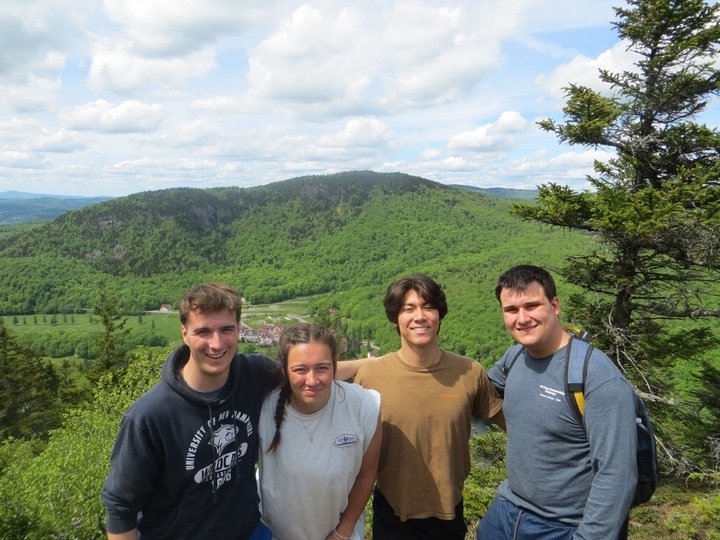
On the evening of Jan. 27, a caller told 911 dispatchers, “I got two people down at the Woodland pulp mill in Baileyville. … They’re down on the second floor of the bleach plant.”
The unidentified caller said they didn’t really know what was going on yet. “I’m trying to walk to the individuals right now,” they said.
“We’re being told by Baileyville PD this might be like hydrogen, some kind of hazmat leak,” the dispatcher said.
“It might have been, I don’t know,” the caller responded.
In a paper mill’s bleach plant, brown wood chips that have been turned into pulp get whitened and broken down further. Chemicals come in by railroad or truck and go into big tanks, then the white mush goes through washers to suck the chemicals back out.
“All paper mills are chemical factories,” particularly in pulp production, said Michael Hillard, author of “Shredding Paper: The Rise and Fall of Maine’s Mighty Paper Industry.” “There are a hundred different ways things can go wrong in a complex process.”
Linda Deane, who worked in paper mills in Jay and Rumford for several decades before retiring in 2021, said bleach plants can be “a pretty scary place.”
She remembers hydrogen sulfide smelling like rotten eggs, but when it’s very highly concentrated or a person is around it for a long time, OSHA notes it becomes impossible to smell.
“So you don’t even know it’s so bad it’s going to kill you,” Deane said.
OSHA has documented an average of six deaths a year nationwide from hydrogen sulfide exposures at worksites over the most recent five-year period, none in the paper industry. Most involved pumping, cleaning and maintenance work.
In paper and pulp manufacturing across the country, 10 people have died per year on average since 2011, data from the U.S. Department of Labor show. None were in Maine.
Within the state, it’s rare to die on the job in any industry, particularly from exposures to chemicals. Four people in Maine died from workplace incidents related to any harmful substances or environments in 2024, the most recent year U.S. Department of Labor data is available.
For the other employees at the Woodland Pulp mill, Malcolm’s and Hornberger’s deaths are “like a knife that cuts deep into our members’ hearts,” said Michael Higgins, a leader of the Union Steelworkers union that represents some people who work at the mill, in an email.
“I don’t believe we will ever truly recover from this tragic loss of life,” he wrote. Higgins and other union representatives did not respond to repeated requests for an interview.
OSHA has a deadline of late July to issue its report. The agency, along with the U.S. Chemical Safety Board, is examining the training and procedures Woodland Pulp had in place, the gas leak, and the emergency response.
Malcolm’s uncle Michael, who helped raise the young man in Sanford, has questions about the response in particular.
Nearly three hours before Malcolm and Hornberger were found, as workers were preparing the mill for a temporary shutdown, an ambulance was dispatched to the site at 3:28 p.m. Eddie Moreside, director of Downeast EMS, said they went to check out a couple of employees with small symptoms like headaches. A union representative has said some had itchy eyes and throats.
The employees EMS treated had been around the bleach plant sometime that day, but Moreside said they only figured out later that their symptoms were related to a gas leak.
At 6:20 p.m., the second 911 call came through when Malcolm and Hornberger were discovered.
Malcolm died at the hospital hours later; Hornberger spent three weeks in intensive care.
When Malcolm’s girlfriend recovered his phone later, she saw Hornberger’s contact open, as if Malcolm had recently talked to him.
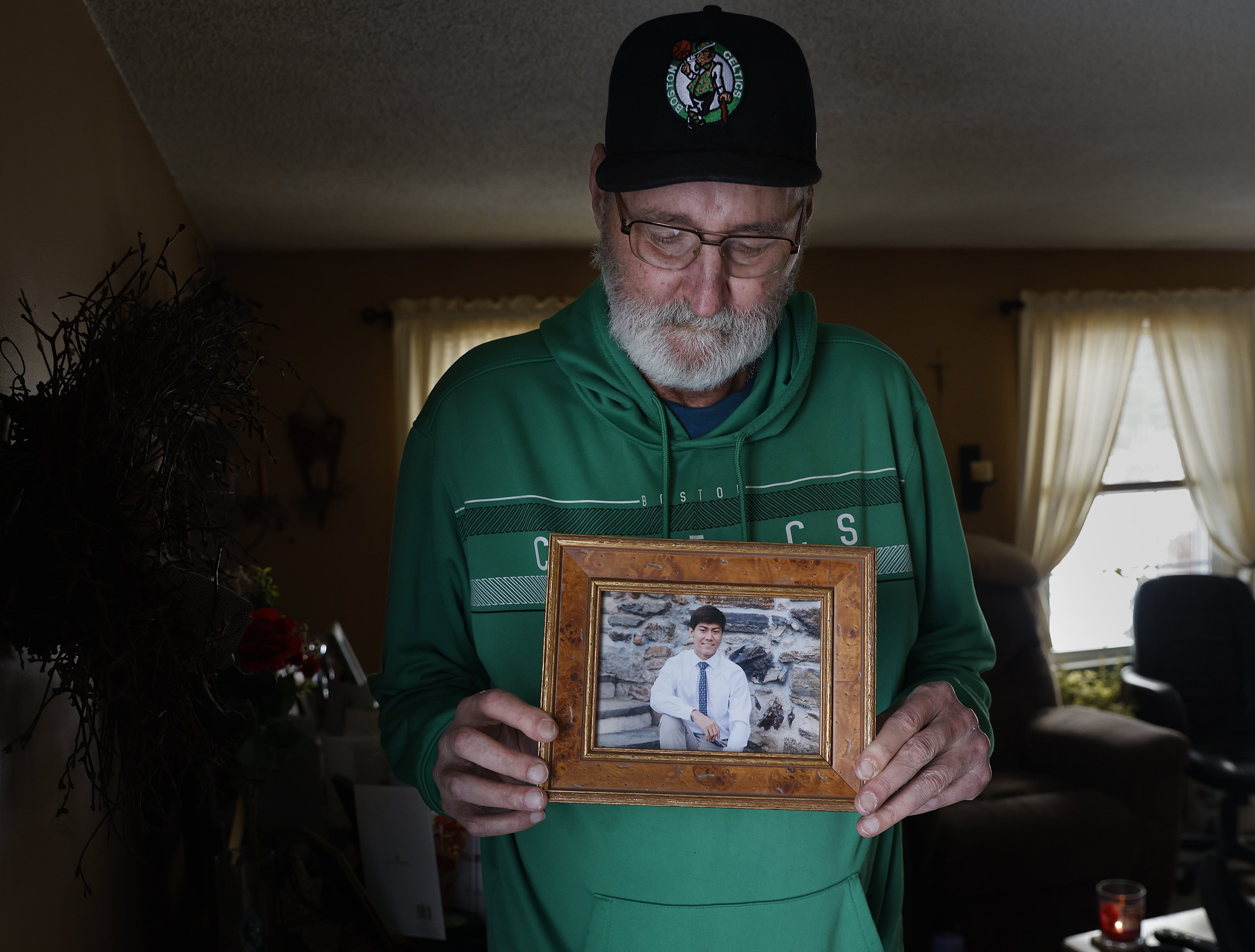
Michael Malcolm wonders if the young men could’ve been found sooner, and survived.
When it comes to training, the paper industry has moved some of it online, which worries Deane, the longtime mill worker who’s also a labor and safety advocate and a preservationist for the history of papermaking in Maine. She doesn’t believe it is as effective as hands-on walkthroughs, though she does not have specific knowledge of Woodland Pulp’s procedures.
Company spokesman Beal said in an email that Woodland Pulp has a combination of on-site and online training, both of which are mandatory. The facility did more in-person safety training after the deaths, he said.
SAFETY RECORD
This is the 12th investigation OSHA has conducted at Woodland Pulp over the past decade. The prior incidents did not result in injuries at all or were nonfatal, like in 2019 when an employee loading a flatbed truck slipped and had his finger amputated. OSHA noted the facility was unclean and dusty around the bark hauler in 2022, and a 2024 complaint led OSHA to find areas throughout the mill and in the alleyway that had black liquor, a byproduct of the pulping process, on the floor or the ground.
Two investigations in 2017 found violations in the bleach plant area — the same part of the mill where Malcolm and Hornberger were found — and also involved a shutdown procedure.
At that time, chlorine dioxide was released as Woodland Pulp was shutting down its equipment temporarily and an employee was working with the scrubber, which cleans gases before releasing air into the atmosphere.
“We missed a step in our shut down procedure,” Beal emailed Maine’s Department of Environmental Protection about a week later. He wrote that a bypass line should’ve been opened to prevent the chlorine dioxide release.
The company quickly realized what had happened, Beal wrote, and took “prompt corrective action” to help minimize the damage and prevent it from happening again in the future.
More than a dozen employees and contractors were taken to the hospital, some with respiratory symptoms. They all survived, and state environmental regulators noted that the contractors were back at work later the same day.
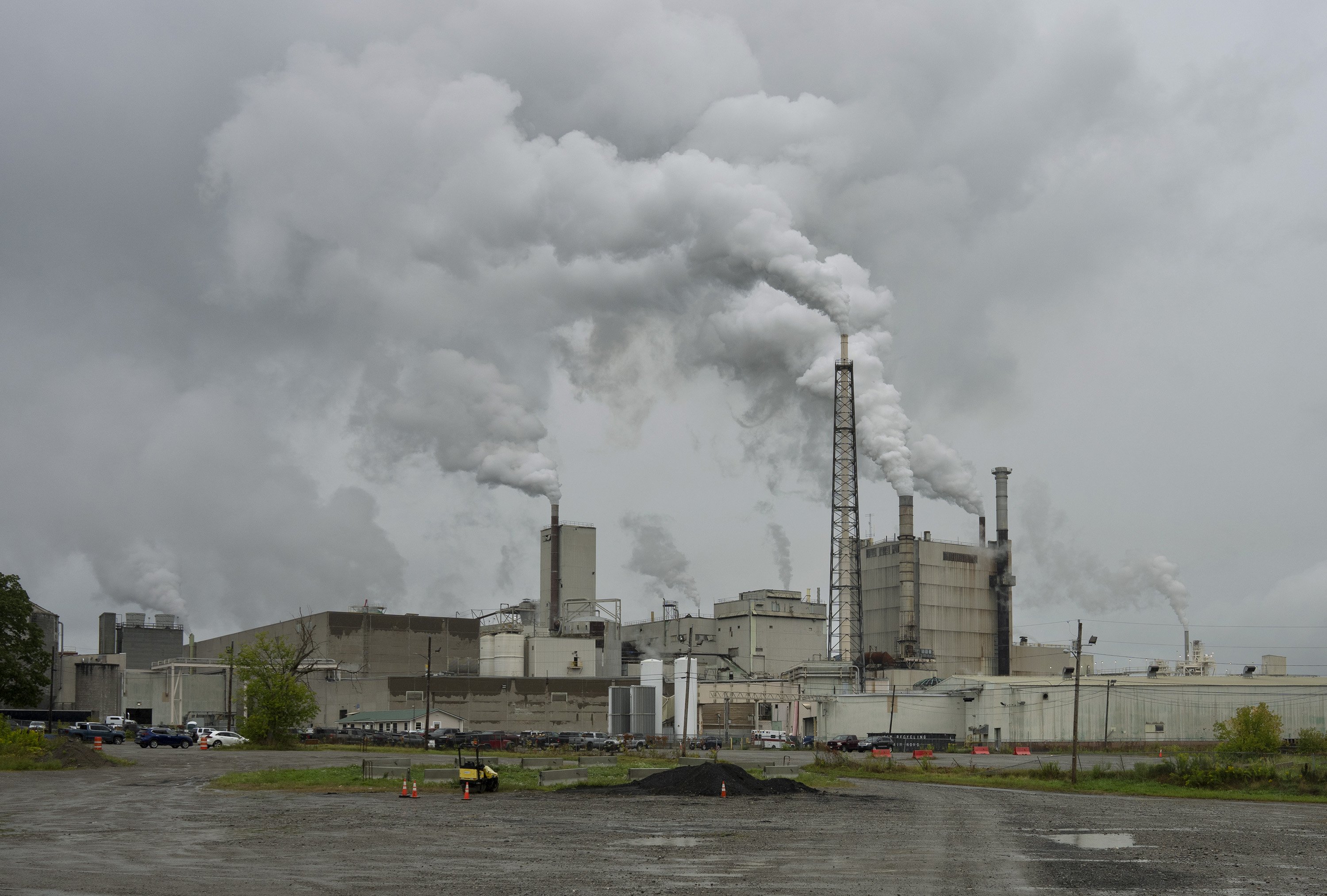
OSHA faulted the company for not identifying the bypass valve in its procedures. It also said the company did not effectively evaluate the hazards of chlorine dioxide in the bleach plant, nor did it have clear instructions for safely working around it. After negotiation with the company, OSHA issued fines totaling $26,074.
This month, Beal said that in response, the company made slight changes to a production process and amended the bleach plant scrubber shutdown procedure, then reviewed it “with all necessary mill personnel for their training and understanding.”
After a serious injury or death, it’s typical for OSHA to make a similar sort of agreement with an employer to improve various processes, said Cyr, the inspector and forest industry expert who retired from OSHA in 2002. But he said for many years, the agency often has not had the staffing to come back in person to see whether the improvements get made.
“Every fatality investigation should have a follow-up inspection afterwards. That’s just common sense,” he said. But “they don’t. Not even close.”
An OSHA spokesperson did not make someone available for an interview in response to repeated requests. Data released by several Democrats in Congress shows the agency has decreased inspections and reduced fines as part of a broader effort to deregulate industries under the Trump administration.
“In my opinion, there are not nearly enough OSHA inspectors,” Cyr said. “They’re strapped.”
More than a month after the hydrogen sulfide incident that killed Malcolm and Hornberger, Woodland Pulp attempted to restart operations. During the restart, it experienced another leak on March 7. Four thousand gallons of hydrogen peroxide leaked, but no one was hurt and Beal said the facility wasn’t damaged.
By mid-March, Woodland Pulp and the associated St. Croix Chipping mill had fully restarted.
MILL BUSINESS AT RISK
A half dozen paper mills in Maine are still operating despite the digital revolution that took away much of their legacy business for things like books and paper to print Sports Illustrated every week.
Woodland Pulp is still churning because of foreign, private investment. In 2010 it was bought by International Grand Investment Corporation, whose directors are based in Hong Kong and Taiwan according to the latest filings where it’s registered in Delaware.
International Grand Investment Corp. has poured hundreds of millions of dollars into Baileyville, developing a facility called St. Croix Tissue to manufacture some of the pulp on-site into toilet paper, paper towels and other products.
The corporation’s CEO framed it as a rescue operation for the mill, and therefore the town.

Despite the opportunity provided him at the mill, Kasie Malcolm had not planned to work in Baileyville for his whole career, his girlfriend, Williams, said. The couple had talked about moving together, potentially out of state, so she could go to graduate school. That’s one reason Malcolm was preparing for the career fair the week he died: to make connections and look for other options in chemical engineering.
He also knew that generally, the pulp industry is down. In November, Woodland Pulp temporarily laid off 150 workers because of insufficient demand. It’s not uncommon, said Matt Elhardt of ResourceWise, which produces a comprehensive pulp and paper industry database and analysis of the industry. Still, ResourceWise’s viability analysis classifies Woodland Pulp as a mill at risk of closing in down markets.
The company’s relationship with the town is different than in the past, too, said Loughlin, the town manager.
“They want to be part of the community,” he said, “But they’re not ‘Mother Mill,’ as the old companies used to be back in the ’50s, ’60s and ’70s,” paying for things as far-ranging as Little League uniforms and ambulance rides.
Still, it provides employment for 440 people, more than any other business in Washington County, and the most tax revenue.
“Without it, this portion of the county would kind of start to lose population very quickly,” Loughlin said. So, he said, “Yes, people want to make sure it’s safe, but yes, people also want to see the mill continue.”
NEVER AGAIN
Last Saturday, dozens of young men and women filed into a Catholic church in Somersworth, New Hampshire. They’d come from as far away as California, bought bouquets of flowers, and put on dark suits and dresses.
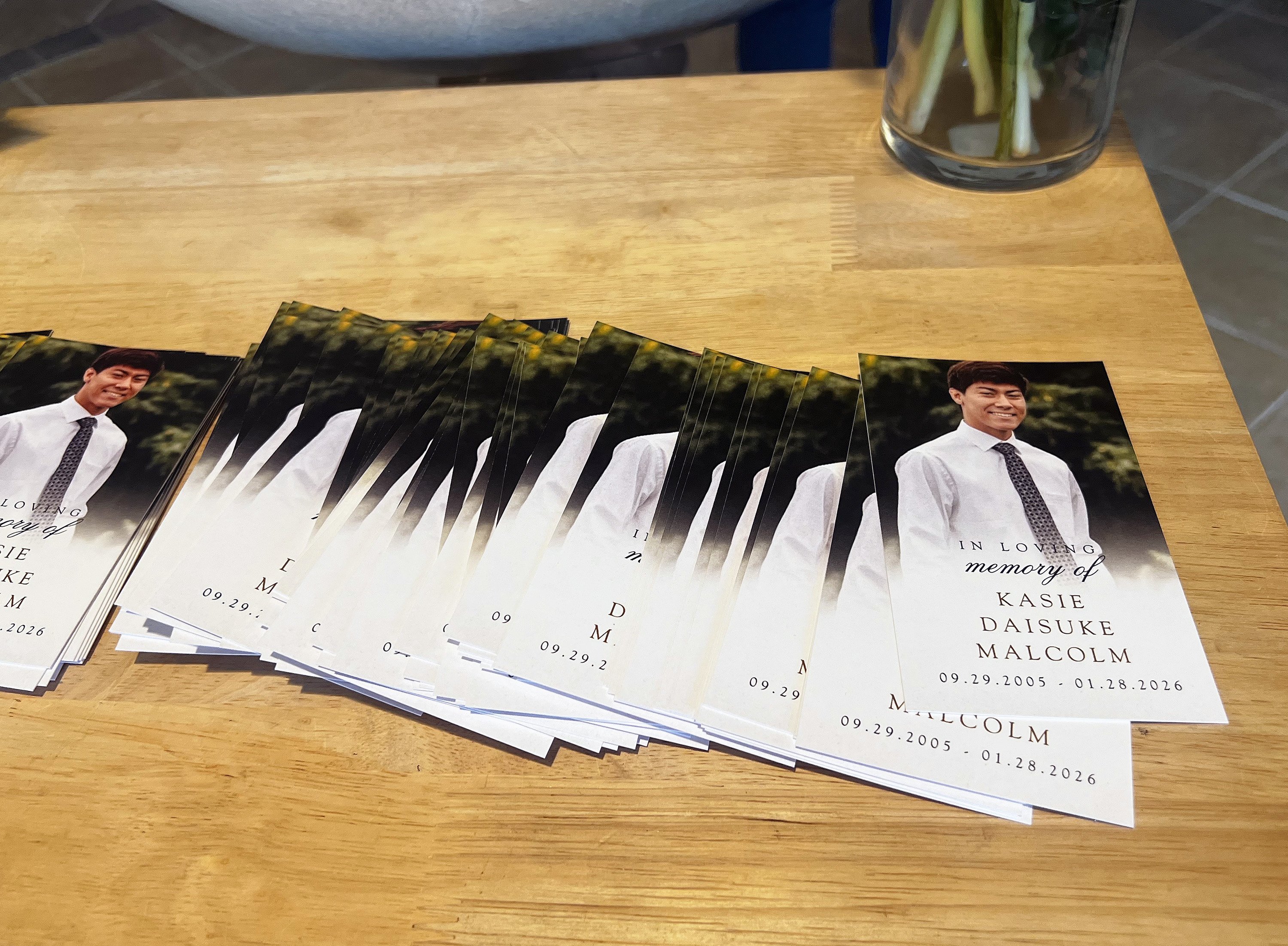
Kasie Malcolm had been in the same pews for his baccalaureate Mass when he graduated from high school at St. Thomas Aquinas. Now, his grandmother gathered alongside Malcolm’s friends, swim teammates, coaches and teachers to remember him.
“We should not be here today,” said the Rev. Andrew Nelson, the chaplain at St. Thomas. “God’s plan was not to take Kasie too young.”
Williams, Malcolm’s girlfriend, sat in the front row, her blond hair braided. They’d met two years ago and were just friends at first.
Even before they started dating, “Kasie really helped me find my worth as a person,” Williams said. “(He) showed me that people can be caring.”
Malcolm’s family and friends know that there’s nothing federal investigators can say, or no amount of money, that can bring him back. Without knowing the details of what led to his death, they hope the incident will be a warning to the industry and to people who work in it — a call to action to prioritize safety and make sure no one else has to suffer the way Malcolm did, and the way each of them has in the weeks since they got the news.
At the podium, Nelson said “the fight for justice for Kasie must continue.” But he implored them to “lay down the temptation to chase the ‘Why?’”
“It won’t fill the hole in the heart.”
Staff Writer Abigail Driscoll contributed to this story

We invite you to add your comments. We encourage a thoughtful exchange of ideas and information on this website. By joining the conversation, you are agreeing to our commenting policy and terms of use. More information is found on our FAQs. You can update your screen name on the member's center.
Comments are managed by our staff during regular business hours Monday through Friday as well as limited hours on Saturday and Sunday. Comments held for moderation outside of those hours may take longer to approve.
Join the Conversation
Please sign into your Sun Journal account to participate in conversations below. If you do not have an account, you can register or subscribe. Questions? Please see our FAQs.