

For families considering where and how to welcome a new baby, home birth remains an option that blends long-standing tradition with modern decision-making, offering a more familiar, family-centered alternative to hospital delivery when appropriate.
A home birth decision is determined after discussing with family and a qualified care provider to assess whether it is a safe option for your specific pregnancy.
What home birth is and how it fits into history
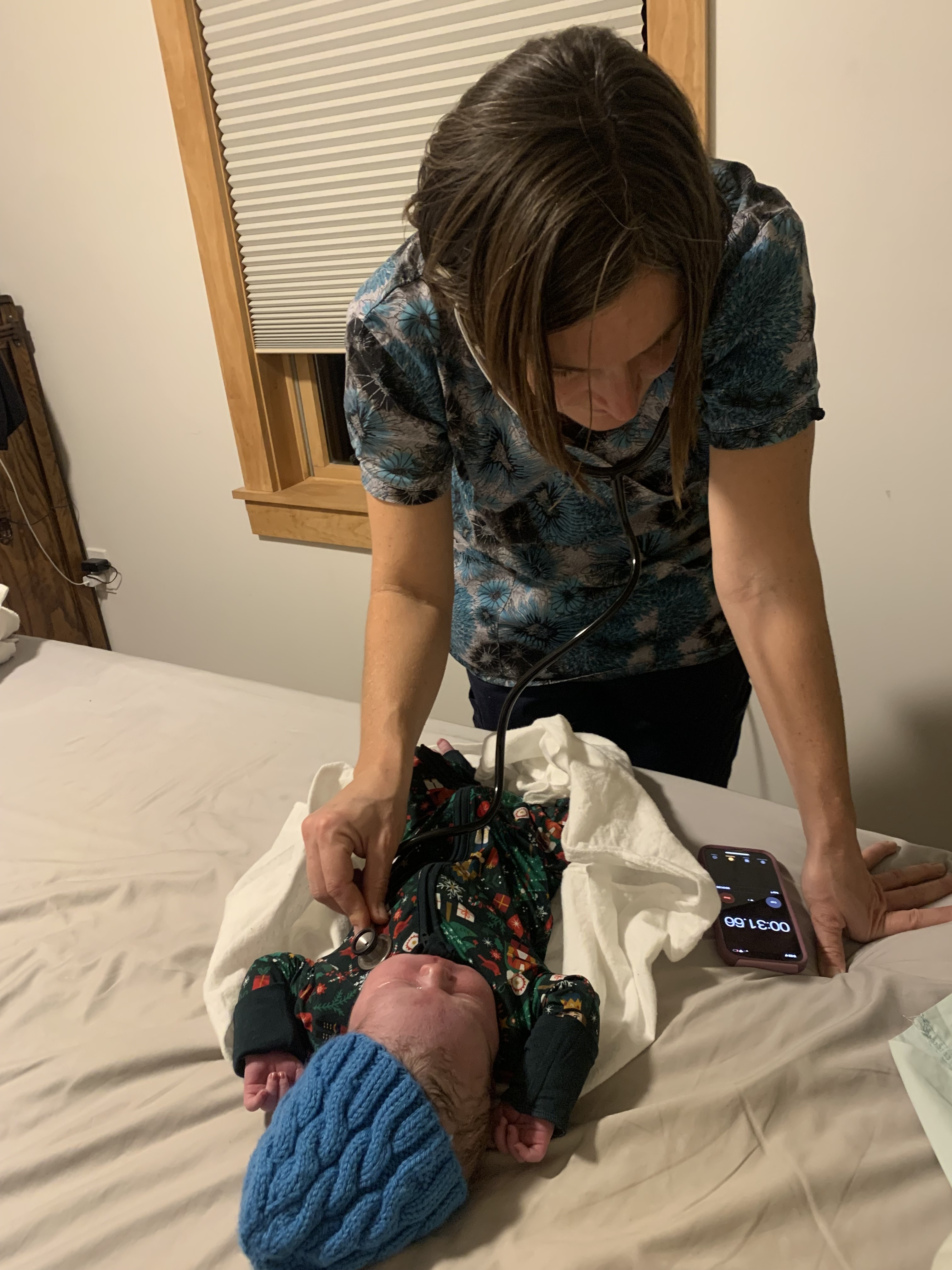
For most of human history, birth took place at home, attended by family members and experienced birth attendants. The transition to hospital-based birth accelerated in the early 20th century, driven by advances in surgical capability, anesthesia and a growing emphasis on medical management of childbirth.
That shift changed both the environment and the structure of birth. Hospital protocols often standardized positions, monitoring and interventions. Fathers were historically excluded from delivery rooms, and laboring positions such as lying on the back became common due to clinical convenience rather than maternal comfort or physiology.
Modern hospital care can be essential and lifesaving in high-risk situations. At the same time, some families pursue home birth to maintain a familiar environment, reduce interventions and retain greater autonomy during labor.
Danielle Mason of Sacopee Midwives said her path into midwifery was shaped by a desire to provide both clinical care and relational support.
“I’ve always been interested in pregnancy and birth, and midwifery felt like the path most aligned with my desire to support people in a way that centers relationship, autonomy and trust in the body,” Mason said. “It allows me to combine clinical care with meaningful, continuous support during a transformative time in people’s lives.”
Sacopee Midwives see clients out of offices in Steep Falls, Maine, and Tamworth, New Hampshire.
Interventions and decision-making
Common hospital interventions include epidural anesthesia for pain management and oxytocin (Pitocin) to induce or augment labor. These can be appropriate in specific clinical contexts. However, they also change the physiology of labor and can increase the likelihood of additional interventions, including operative delivery or cesarean section.
Cesarean delivery is sometimes medically necessary. It is also increasingly common in the United States, with some patients electing it in advance. A home birth plan typically assumes a low-risk pregnancy and includes a clear transfer plan to a hospital if complications arise.
Home birth typically does not involve epidural anesthesia. Without an epidural, the laboring person is able to feel the body’s natural cues, including the urge to push, which can help guide positioning and timing during delivery. Epidurals can reduce or eliminate these sensations, which may require more directed pushing and can sometimes slow parts of labor.
Home birth is often associated with fewer routine interventions. Some standard hospital practices, such as immediate eye ointment or certain newborn procedures, may be delayed or declined depending on parental preference and state requirements. Decisions about procedures are also typically left entirely to the parents. Families often prioritize immediate skin-to-skin contact, early nursing and delayed cord clamping, allowing the cord to be cut when they feel ready.
Mason said families often choose home birth for both physical and relational reasons.
“People choose home birth for many different reasons,” she said. “For some, it’s about being in a space where they feel safest and most relaxed, which can help support the progression of labor. Others want to avoid routine interventions and prefer a more physiologic approach when appropriate.”
She added that continuity of care is central to the midwifery model.
“We work closely with clients throughout pregnancy, they know who will be present during labor, and we continue supporting them through the postpartum period,” Mason said. “This helps build trust and a strong relationship, which is important to many of the families we serve.”
Types of home birth
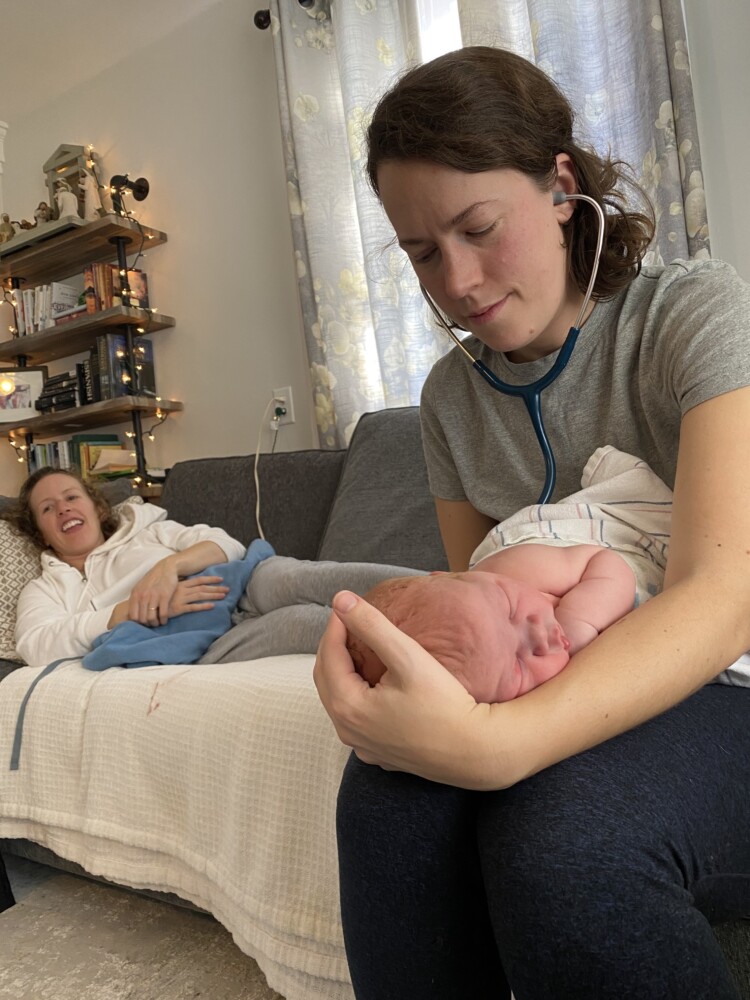
Home birth is not a single model. It generally falls into three categories:
Midwife-attended home birth: Managed by a licensed midwife (such as a Certified Professional Midwife or Certified Nurse Midwife), with prenatal care, labor support and postpartum follow-up.
Waterbirth: Labor and often delivery take place in a tub or pool. Warm water can reduce discomfort and support relaxation.
Unassisted birth (freebirth): Birth occurs without a licensed provider present. This approach carries significantly higher risk and requires careful consideration of emergency contingencies.
Waterbirth and the home environment
Waterbirth is often chosen because it mirrors the baby’s natural environment in utero, where they have developed in amniotic fluid. The warm water can promote relaxation for the mother, helping reduce tension and support a calmer, more controlled labor experience. Many families also find that having the partner in the pool creates a more connected and supportive setting, strengthening bonding during the birth process. Some also note practical benefits in a homebirth setting, including simpler cleanup, since much of the birth occurs within the pool.
For the waterbirth, families typically choose between professional birth pools designed for labor or more improvised options such as a clean, heavy-duty kiddie pool.
For those planning a waterbirth, a widely used professional option is the Birth Pool in a Box, available through In His Hands Birth Supply.
These pools are specifically designed for labor and delivery, with features such as multiple air chambers for safety, built-in seating, support handles and a structure that remains stable throughout use.
A more budget-friendly alternative is an inflatable option such as the Aquarium Birth Pool, often used as a “kiddie pool”–style setup. While simpler, it can still be effective when properly prepared.
The key differences are in durability and structure. The Birth Pool in a Box is purpose-built, more durable and more stable, making it well suited for repeated or professional use. Aquarium-style or kiddie pools are lower cost and easier to set up, but tend to be less rigid.
A purpose-built pool is generally easier to manage when it comes to filling, draining and maintaining sanitation, though both options can work well with proper preparation.
One of the defining aspects of home birth is the ability to create a controlled, familiar environment. Children may be present if the family chooses, and the laboring person can move freely, eat, rest and remain in a setting that feels comfortable.
Supplies: buying or assembling a birth kit
For readers planning a home birth, one of the most practical steps is assembling a birth kit. These kits contain the basic medical and sanitary supplies needed for labor, delivery and immediate postpartum care.
A reliable and widely used source is In His Hands Birth Supply. Their catalog of kits is available at inhishands.com/categories/birth-kits.
They offer both standard and midwife-specific kits, allowing families to either follow a provider’s exact list or choose a general kit and customize it.
Most kits from In His Hands Birth Supply are built around core essentials used in home birth settings. These generally include:
• Absorbent underpads (for bed or floor protection)
• Sterile gloves (various sizes)
• Cord clamps or ties
• Antiseptic soap or cleaning supplies
• Bulb syringe for newborn airway clearing
• Gauze pads and sanitary materials
• Postpartum items (such as disposable underwear or pads)
• Towels or receiving blankets
• Peri bottle for after birth care
Some more complete kits also include additional items depending on the package or provider requirements.
Many midwives will give you a specific list or direct you to a preconfigured kit, which helps ensure nothing is missed.
Labor preparation list
In addition to your birth kit and major equipment, it helps to prepare a simple labor list with comfort and recovery items. These are the things you will actually reach for during labor and immediately after.
Common items include:
• Ice chips or cold drinks for hydration during labor
• A birthing ball (yoga ball) to help with positioning and movement
• Towels and washcloths for comfort and cleanup
• Extra blankets for warmth
• Snacks for labor support people
• Lip balm (dryness is common during labor)
• Hair ties or clips
• A heating pad or warm compress
• Music or a prepared playlist
For postpartum recovery, many families also prepare:
• Disposable or reusable absorbent pads
• Postpartum perineal cold packs
• Comfortable, loose clothing
Preparing for labor: education and approach
Many families preparing for home birth choose a structured approach to labor and delivery education. One commonly used method is the Bradley Method.
The Bradley Method focuses on natural childbirth with minimal intervention. It emphasizes deep relaxation, controlled breathing, proper nutrition during pregnancy and active involvement of the partner as a coach. The approach teaches parents to work with the body’s natural labor process rather than relying on medication, and it includes preparation for different stages of labor, positioning and coping techniques.
Families with other children often look for ways to prepare siblings for what they may see and hear during labor. One widely recommended resource is “Welcome With Love” by Jenni Overend, an illustrated children’s book that portrays a home birth from a sibling’s perspective. The story presents labor realistically but calmly, showing the sounds, effort and progression of birth without fear-based framing. It emphasizes family presence, emotional connection and the welcoming of the baby as a shared experience.
Birth certificates in Maine
In Maine, a birth that occurs at home must still be officially registered with the state. The process is administrative but structured. When a licensed midwife or other attendant is present, they typically complete the necessary birth documentation. A birth worksheet or similar form is used to record details about the parents and the child, and this information is then submitted to the municipal clerk in the town where the birth occurred. The clerk files the record with the state’s vital records system, creating the official birth certificate record.
If no certified nurse midwife, licensed midwife or other attendant is present, the responsibility shifts to the parents. In these cases, parents must request a birth worksheet directly from the Maine CDC Data, Research, and Vital Statistics office by email or phone. The worksheet must be completed as fully and accurately as possible, then signed and notarized. In addition, at least two forms of evidence must be provided to verify that a live birth occurred. Acceptable documentation may include prenatal medical records, a newborn examination by a health professional, immunization records, baptismal or christening records, or a signed and notarized affidavit from someone who witnessed the pregnancy, birth or early post-birth period.
Because unattended home births require verification, the state may request additional supporting documentation before accepting the record.
The timing of filing is also important. The requirements and level of documentation may increase the longer a birth goes unregistered, potentially resulting in a delayed registration process that involves additional verification steps. Contacting the local town office as soon as possible after the birth can help clarify requirements and avoid complications.
Local midwives and birth center options
Families considering home birth in western Maine have several midwifery options and hospital-based alternatives if transfer or backup care is needed.
Home birth midwives (western Maine region):
Moonstone Sunrise, Kingfield
Kathryn Dewar, CPM, LM, IBCLC
Birthwise Midwifery Service
Location: Bridgton
Offers: Home birth care
Sacopee Midwives
Location: Steep Falls
Offers: Home birth services
Hospital and birth center options:
MaineHealth Franklin Hospital (Farmington)
Central Maine Medical Center (Lewiston)
MaineHealth Maine Medical Center Hospital (Portland)
Families who want a more natural, low-intervention experience within a hospital setting may also consider MaineHealth’s Family Birth Centers, which are located across the state and designed to provide a more home-like environment while maintaining access to medical care if needed.
These centers typically offer private rooms, support for family presence, options for movement during labor and policies that encourage immediate bonding, rooming-in and breastfeeding support.
A full list of MaineHealth Family Birth Centers is available at mainehealth.org/care-services/prenatal-care-and-childbirth/family-birth-centers.
Low-intervention hospital birth as an option
For families who prefer a hospital setting but still want a low-intervention, natural birth experience, that option is often available with the right preparation and care team. Many hospitals work with midwives and support family-centered birth plans, allowing for a more flexible and less intervention-driven approach.
This typically requires advance research and interviewing providers to find a midwife or doctor aligned with your preferences. A written birth plan is essential and should be clearly discussed with your care team ahead of time, outlining what you do and do not want.
This can include preferences such as no immediate newborn vaccinations, rooming-in with the baby, avoiding elective epidural or other medications, initiating nursing right away and on demand, and declining procedures such as circumcision. Clear communication helps set expectations and increases the likelihood that your plan will be respected.
Choosing home birth
Home birth offers a fundamentally different experience from hospital birth. It emphasizes familiarity, autonomy and a physiologic approach to labor. At the same time, it requires careful screening, planning and an understanding of its limitations.
A home birth decision is determined after discussing with family and a qualified care provider to ensure it is an appropriate and safe route for the individual pregnancy.
Mason said flexibility is key, particularly for first-time parents.
“For first-time parents planning a home birth, my biggest advice is to stay flexible and trust the process,” she said. “Labor often takes longer than expected and can come in waves — both physically and emotionally.”
“Rest when you can, eat and drink regularly, and lean on your support team,” she added. “Having people around you who you trust can make a meaningful difference in how you experience labor.”
She also addressed common misconceptions about home birth.
“A common misconception is that home birth is inherently unsafe,” Mason said. “In reality, for people with low-risk pregnancies who are cared for by a qualified midwife — and who have a clear plan for hospital transfer if needed — research shows that home birth can be a safe option.
“Another misconception is that midwives are ‘anti-medical care.’ In truth, midwives are trained to recognize complications early and to intervene or collaborate with hospital teams when higher-level care is necessary.”
Warning and safety note
Home birth is not appropriate for all pregnancies. Conditions such as high blood pressure, multiple gestation, breech presentation or prior complications may require hospital-based care. Anyone considering home birth should work with a qualified provider, have a clear emergency transfer plan and understand that rapid access to medical care can be critical if complications arise.
Mason said families should also understand what to expect immediately after birth at home.
“The immediate postpartum period at home is typically calm, intimate, and centered on recovery and bonding,” she said. “After the birth, the midwife stays for several hours to monitor both parent and baby, support feeding, and ensure everyone is stable.
“Families can expect plenty of skin-to-skin contact, a thorough newborn exam and gentle guidance as they begin to adjust to life with their new baby.”

Supporting Sponsor for Franklin Journal, Livermore Falls Advertiser, Rangeley Highlander and Rumford Falls Times.
Keeping communities informed by supporting local news. franklinsavings.bank

We invite you to add your comments. We encourage a thoughtful exchange of ideas and information on this website. By joining the conversation, you are agreeing to our commenting policy and terms of use. More information is found on our FAQs. You can update your screen name on the member's center.
Comments are managed by our staff during regular business hours Monday through Friday as well as limited hours on Saturday and Sunday. Comments held for moderation outside of those hours may take longer to approve.
Join the Conversation
Please sign into your Sun Journal account to participate in conversations below. If you do not have an account, you can register or subscribe. Questions? Please see our FAQs.