

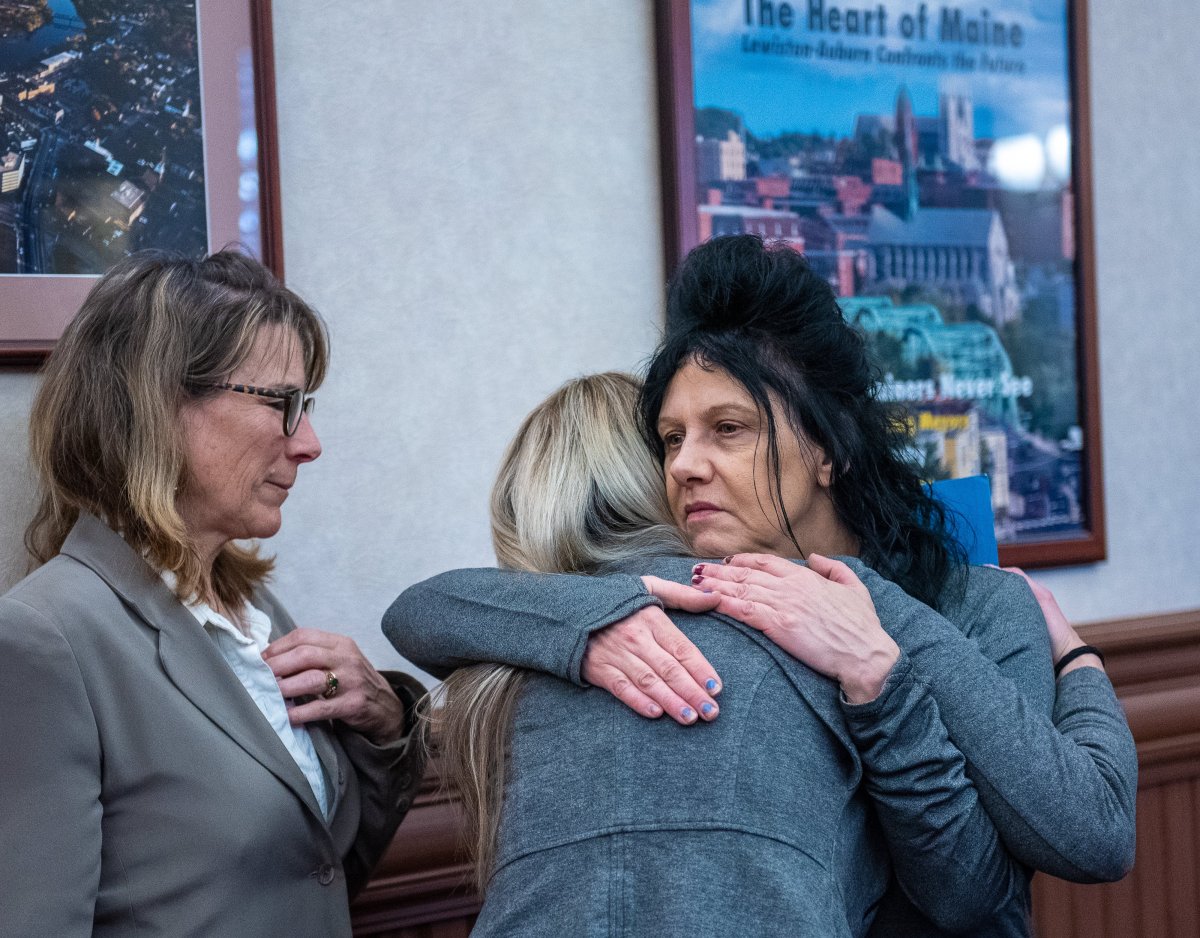
An Auburn woman is suing the United States for failing to prevent an Army reservist from carrying out Maine’s deadliest mass shooting, in which her sister was shot and killed.
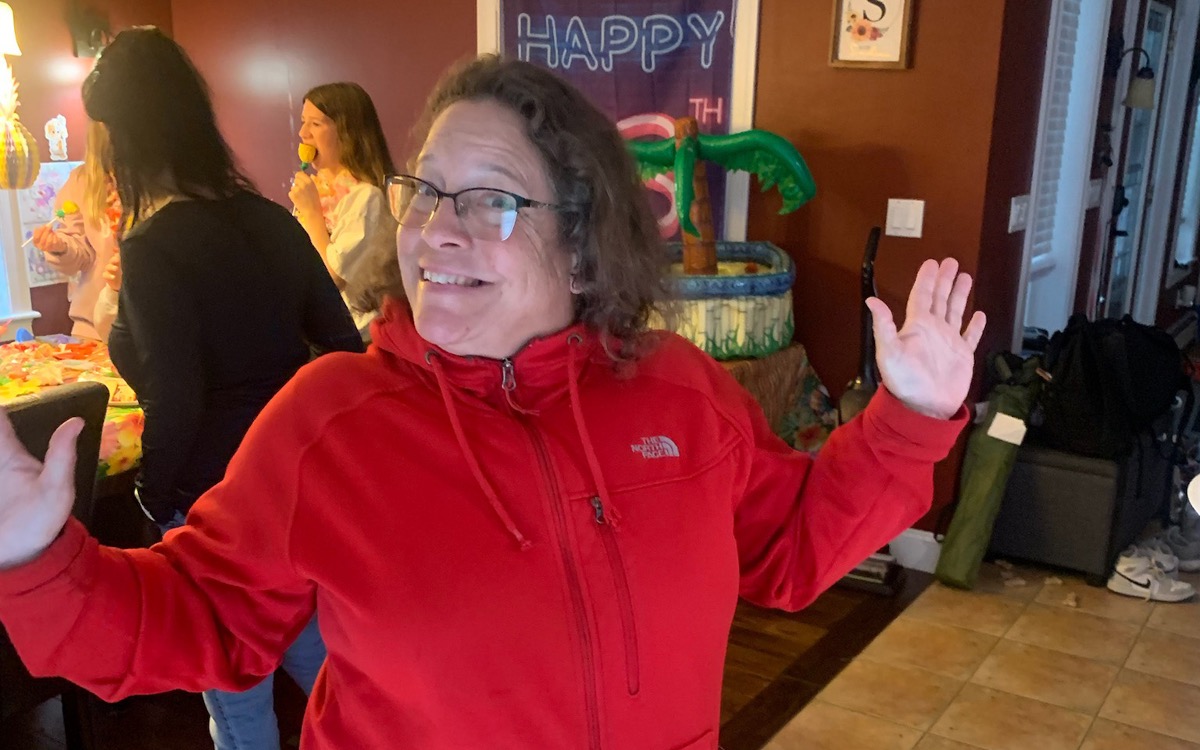
Bobbi Nichols alleges that the federal government and U.S. Army were negligent in addressing the shooter’s mental health issues before the October 2023 rampage in Lewiston that left 18 people dead, including her sister, Tricia Asselin.
Nichols, who survived the mass shooting and witnessed her sister’s death, is seeking unspecified monetary damages for injuries and emotional distress.
The 97-page lawsuit filed in Maine’s U.S. District Court alleges that Army personnel knew that the reservist “had classic warning signs of high risk to himself and the public,” but they did not properly address the issue and made false promises to the reservist’s family. This “directly and proximately caused” the shooting on Oct. 25, 2023, the lawsuit states.
Nichols’ lawyer, Jeffrey Bennett, said that while he and his client are seeking compensation for damages, they are also focused on holding the government accountable. He hopes the lawsuit will spur the government to take measures to prevent future tragedies.
Bennett said it’s too soon to quantify how much money his client is seeking but said the government is liable for “tens of millions” of dollars to make up for the total amount of damage the mass shooting caused.
Nichols watched as her sister was shot and killed when Robert Card opened fire at Just-In-Time Recreation, according to the lawsuit. She was also trampled as others fled the bowling alley, while another victim collapsed on her.
Bennett said she is severely emotionally damaged and continues to struggle nearly three years after the shooting.
“Plaintiff is now generally unable to sleep, feel safe, leave her home, work, maintain relationships, engage her community, feel motivation or joy, and live a normal life,” the lawsuit states.
The bulk of the complaint details the cascading failures that led up to the mass shooting, including the 40-year-old shooter’s time in the military, his declining mental health and a lack of safeguards to keep him from accessing firearms.
“If the Army had followed its own mandatory regulations, investigated (the shooter’s) conduct and/or fulfilled its promise to (his) family and local law enforcement, it is likely that steps taken as early as Spring 2023 would have prevented the October 25 mass shooting,” the lawsuit states.
The lawsuit accuses Army command staff of failing to take away Card’s weapons and not following up on mandatory requirements after he was discharged from a hospital in August 2023, only a few months before he committed the mass shooting.
That September, one of the reservist’s colleagues warned Army staff he was worried Card might “snap and do a mass shooting.”
Army staff forwarded that exchange to the Sagahadoc County Sheriff’s Office, which attempted to conduct well-being checks on Card at his home in Bowdoin. They also told police about the potential threat to the Army Reserve base in Saco.
But the lawsuit accuses Army command staff of failing to have the shooter properly evaluated and discouraging police from taking him into custody or using Maine’s yellow flag law to confiscate his guns.
Nichols’ lawsuit comes after a group of more than 100 victims of the mass shooting filed a similar suit, seeking damages for their and their loved ones’ injuries, deaths, suffering and other expenses that have arisen since the shooting. In February, the U.S. government asked a judge to dismiss that lawsuit, saying the court lacks authority to hear the case.
Bennett, who represents Nichols, said the lawsuits are similar because the factual background is the same. He hopes separating Nichols’ lawsuit from the others’ will allow them time to evaluate and address any deficiencies raised by the government in the other case while letting his client “have her own day in court.”
Both lawsuits cited other high-profile tragedies involving former military personnel who experienced mental health breakdowns dating to the 1990s.
They also both contend that the Army ignored signs that Card was dangerous and exhibiting troubling behavior, such as paranoia, psychosis and homicidal ideation.
During a July 2023 training exercise, Card was hospitalized in West Point, New York, after he threatened other soldiers. He was discharged weeks later, despite making a “hit list” and more violent threats.
The lawsuits also accused the Army of failing to secure Card’s guns and ignoring other risks that could have led to the shooting, including his exposure to blast explosions.

Comments are not available on this story. Read more about why we allow commenting on some stories and not on others.
We believe it's important to offer commenting on certain stories as a benefit to our readers. At its best, our comments sections can be a productive platform for readers to engage with our journalism, offer thoughts on coverage and issues, and drive conversation in a respectful, solutions-based way. It's a form of open discourse that can be useful to our community, public officials, journalists and others.
We do not enable comments on everything — exceptions include most crime stories, and coverage involving personal tragedy or sensitive issues that invite personal attacks instead of thoughtful discussion.
You can read more here about our commenting policy and terms of use. More information is also found on our FAQs.
Show less