
Sleep. Most Americans spend just about one third of each day doing it, waking refreshed and ready to take on the day’s challenges. Yet for some, sleep remains elusive, resulting in a host of cognitive and even physical quandaries.
Actually, given the many factors that can influence a good night’s sleep, it’s a wonder any of us get one.
Dr. Thaddeus Shattuck, behavioral and sleep specialist at St. Mary’s Center for Sleep Disorders, says sleep is influenced by “prior wakefulness (how long one has been awake), which will dictate how fast you fall asleep, and circadian factors, which affect your ability to stay asleep.”
He also notes that “physical and mental activity will affect your ability to fall asleep, and anything with caffeine will also disrupt sleep.”
Caffeine is just the tip of the iceberg when it comes to how food can influence our sleep.
A diet that is high in carbohydrates, such as sugars, breads, pasta and rice can also affect our ability to fall asleep, according to Dr. Matija Burtis of St. Mary’s Center for Family Medicine, because such foods “cause blood sugar levels to rise and fall rapidly.”
“At the same time,” says Burtis, “eating a little bit of carbs can stimulate serotonin.” Serotonin is a complex neurotransmitter that can help promote sleep.
For that reason, Burtis says adding carbs in small amounts, such as an apple, a Clementine or a couple of crackers before bed, can help induce sleep.
And there may be some truth to the age-old advice to have a warm glass of milk before bedtime. Shattuck and Burtis agree that milk – its temperature may be irrelevant – tuna and turkey, all of which contain the essential amino acid tryptophan, are commonly thought to promote sleep.
Joanne D’unger, grocery manager at Axis Natural Foods in Auburn, agrees that eating tryptophan-rich foods in the evening along with calcium-rich foods, because “calcium helps the brain to utilize the tryptophan,” have a positive effect on sleep.
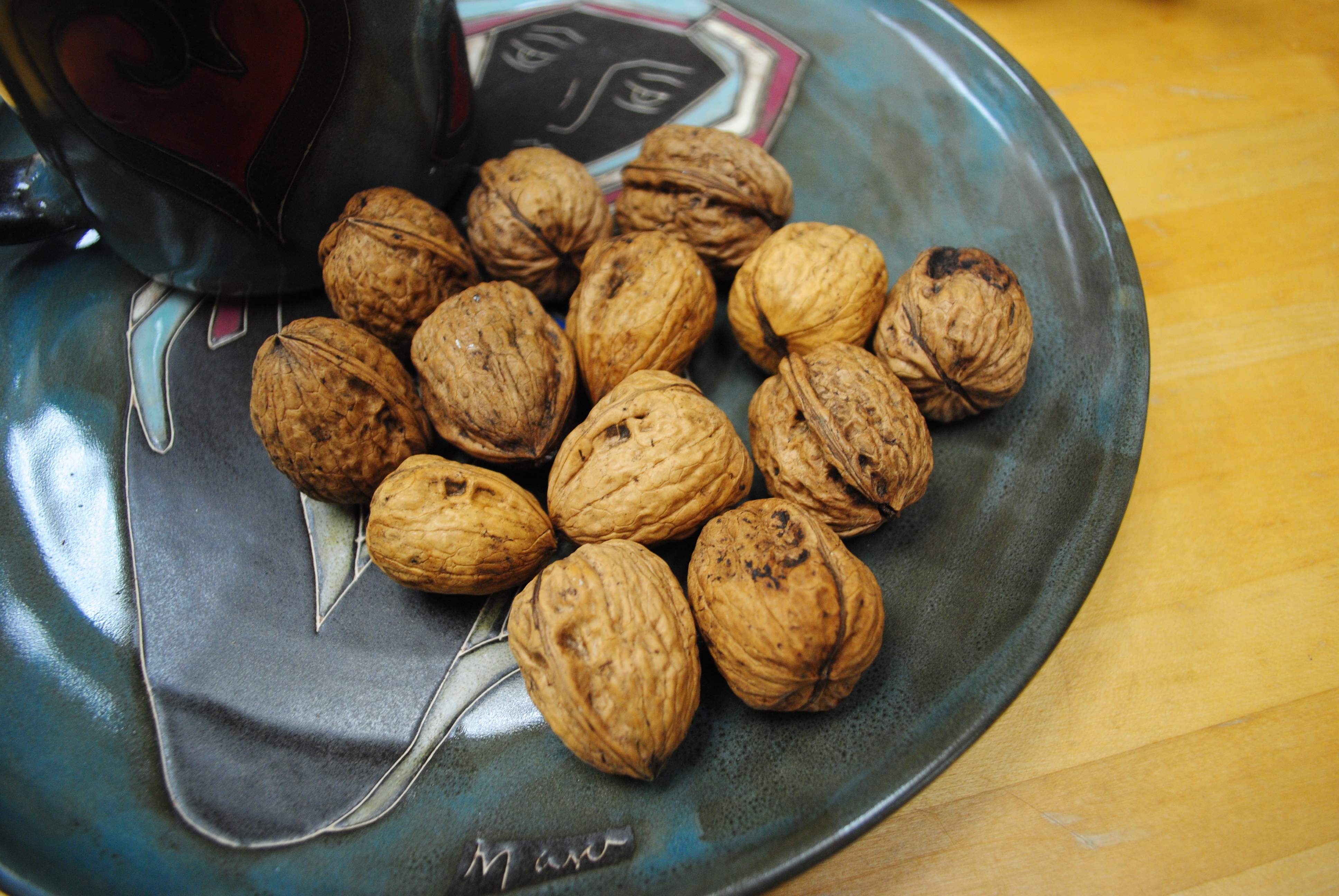
To promote sleep, D’unger recommends a tryptophan- and calcium-rich granola packed with nuts and seeds to boost serotonin levels. She recommends a recipe from the Moosewood Restaurant Cooking for Health cookbook, made with a small amount of honey to help trigger melatonin. “Melatonin,” explains Shattuck, “signals darkness for the body,” telling us it’s time to sleep.
Fortunately for the consumer, dairy products such as milk and yogurt add calcium and taste great when poured over granola.
Other foods that are high in tryptophan, says D’unger, include shrimp and lobster, chick peas and hummus. Dark leafy vegetables, such as kale and spinach, also contain calcium, as do sesame seeds and broccoli. And tuna, salmon, halibut and cherry juice are all known to boost melatonin.
According to Burtis, herbs such as lemon balm and valerian, the latter of which also has anti-anxiety properties, can help to promote sleep. And chamomile tea, says D’unger, relaxes nerves and muscles.
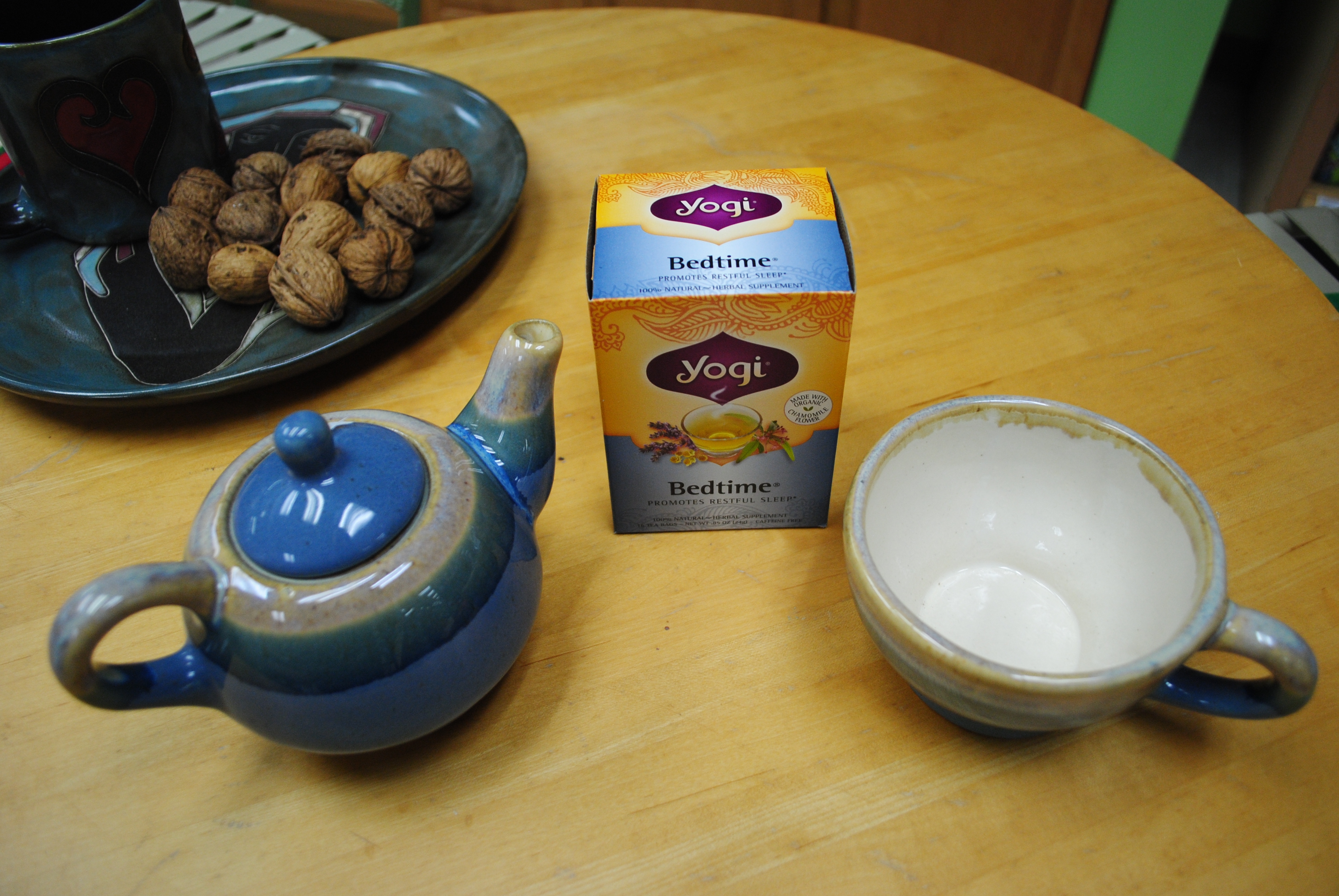
Is it also possible that the simple act of brewing a pot of tea and enjoy its soothing herbal flavor and warmth will promote a feeling of well-being and relaxation? Burtis and Shattuck suggest as much, saying a bedtime ritual, such as a cup of non-caffeinated tea, is calming and beneficial.
Often “it’s not so much the food itself,” says Burtis, “but the timing of the meal” that influences a good night’s sleep. “It’s never a bad idea to time your meal so that you will not be digesting while you are trying to sleep,” she says, noting that “eating in the middle of the night is never a good idea.”
Burtis further suggests that “a big spicy meal that leads to heartburn will also affect your ability to stay asleep.”
When it comes treating someone suffering with a sleep disorder, Burtis asks “What is it that they’re doing that is detracting from sleep, and are they willing to make those changes.”
“Oftentimes,” she adds, “it’s not what you choose to add, but what you take away” that creates the best sleep conditions.
Granola (adapted from the “Moosewood Restaurant Cooking for Health” cookbook)
1/4 cup vegetable oil
1/2 cup honey
1 teaspoon salt
1 tablespoon pure vanilla extract
2 cups coarsely chopped nuts (almonds and walnuts are recommended)
6 cups rolled oats
1/2 cup sunflower or pumpkin seeds
2 tablespoons brown sesame seeds
In a small saucepan on low heat, warm the oil, honey and salt. Stir in vanilla.
Place the nuts, oats and seeds in a large bowl and stir together. Gradually pour in the warm oil and honey, and stir until all ingredients are evenly coated.
Spread granola on an un-oiled baking sheet and bake for 30 minutes at 325 degrees without preheating the oven. Stir after about 20 minutes. Remove from oven and, to prevent clumping, stir every 10 minutes or so until cooled.
Makes about 8 cups.


Comments are no longer available on this story