
NORWAY — Norway Memorial Library will lead a fall book discussion series called “Native American Literature: Straddling Cultures.” The series will consider three novels that tell of Native Americans crossing from their traditional cultures into the westernized world.
Topics considered will be how and why Native Americans leave their land, how they are perceived once they are living away from the reservation, and if there are any consequences when they return home.
The series is as follows:
“Tracks” by Louise Erdrich: From 6:30 to 8 p.m. Thursday, Sept. 28. Erdrich explores the clash between the Anishinaabe culture and white men encroaching on their land. Nanapush and Fleur struggle to find a place in the world off the reservation, then to find a home when they return. Readers will also hear from Pauline, a young girl of mixed heritage, who tells of her conversion to Catholicism and leaving behind her Anishinaabe beliefs.
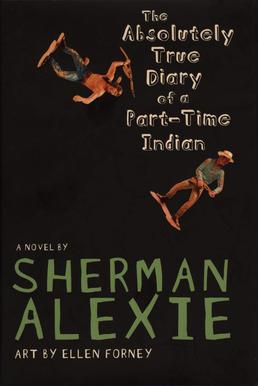
“The Absolutely True Diary of a Part-Time Indian” by Sherman Alexie: From 6:30 to 8 p.m. Thursday, Oct. 12. Alexie’s story centers on Junior, a teenage boy who leaves his reservation school for a white school where the only other Indian is the school’s mascot. Junior tries to fit in with his white school friends, but questions how much of being Indian is lost in his assimilation.
“Caleb’s Crossing” by Geraldine Brooks: From 6:30 to 8 p.m. Thursday, Nov. 9. In 17th century Massachusetts, Caleb, a young Wampanoag Indian, is the first Native American to graduate from Harvard. The author weaves Caleb’s story of studying in the white man’s world with that of his friendship with Bethia, a daughter of a Puritan farmer.
FMI, register, request books: 207-743-5309, ext. 1; www.norway.lib.me.us.

Supporting Sponsor for the Advertiser Democrat
Keeping communities informed by supporting local news. norwaysavings.bank
Comments are not available on this story. Read more about why we allow commenting on some stories and not on others.
We believe it's important to offer commenting on certain stories as a benefit to our readers. At its best, our comments sections can be a productive platform for readers to engage with our journalism, offer thoughts on coverage and issues, and drive conversation in a respectful, solutions-based way. It's a form of open discourse that can be useful to our community, public officials, journalists and others.
We do not enable comments on everything — exceptions include most crime stories, and coverage involving personal tragedy or sensitive issues that invite personal attacks instead of thoughtful discussion.
You can read more here about our commenting policy and terms of use. More information is also found on our FAQs.
Show less