
WEST PARIS — Shall we “… ring, happy bells, across the snow; the year is going, let him go; ring out the false, ring in the true.” We are likely looking forward to ringing bells of joy as we enter what is hoped to be a healthier new year. Being in community can help us […]
Judith Meyer
Judith Meyer is executive editor of the Sun Journal, Kennebec Journal, the Morning Sentinel and the Western Maine weekly newspapers of the Sun Media Group. She serves as vice president of the Maine Freedom of Information Coalition and is a member of the Right to Know Advisory Committee to the Legislature. A journalist since 1990 and former editorial page editor for the Sun Journal, she was named Maine’s Journalist of the Year in 2003. She serves on the New England Newspaper & Press Association Board of Directors and was the 2018 recipient of the Judith Vance Weld Brown Spirit of Journalism Award by the New England Society of Newspaper Editors. A fellow of the National Press Foundation and the Knight Center for Specialized Journalism, she attended George Washington University, lives in Auburn with her husband, Phil, and is an active member of the Bicycle Coalition of Maine.
Posted inLocal News, The Bethel Citizen
SAD 44 board votes to continue masking in schools
The board passed the motion to continue masking by a vote of 6 to 5.
advertisement
Posted inOp-Eds, Opinion
The danger of seeking compromise on voting rights
Although 19th-century parties were more fluid and the idea of bipartisanship did not exist, many moderates who served in the period before the Civil War were similarly concerned with forging national compromise — not among parties, per se, but between the slave states of the South and the nonslaveholding states of the North.

Posted inOp-Eds, Opinion
FedEx finds if you pay them, they will come
The company has hired more than 60,000 frontline workers since mid-September. Higher wage rates and network disruptions tied to labor shortages resulted in $470 million in additional costs in the three months ended Nov. 30, but the company expects those cost pressures to moderate in the second half of its fiscal year.
Posted inOp-Eds, Opinion
Revenge Christmas is coming, with or without omicron
What emerges on omicron in coming days will determine what the final wave of 2021 consumer spending looks like. After hospitality businesses missed out on their most lucrative trading period in 2020, and given the high expectations for the so-called golden quarter this year, a significant scaling back would be a double blow.

Posted inOp-Eds, Opinion
Rising inventories are a bearish indicator
On the supply side, there is growing evidence of supply-chain easing. Ocean freight rates are falling just as U.S. consumers retrench after pre-buying Christmas gifts. Anchored ships laden with retail goods — “floating inventories” — will probably soon be unloaded and trucked to their destinations, adding to inventories.
Posted inOp-Eds, Opinion
A lawyer who sees kids in their worst moments found a way to bottle joy
Attorney Jon Krell often comes into children’s lives when they have been taken from everything they know and relatives are working to get them back home. He describes parents telling him of their visitations, “It hurts so much — I get to hug them and then I have to give them back.”
Posted inMaine
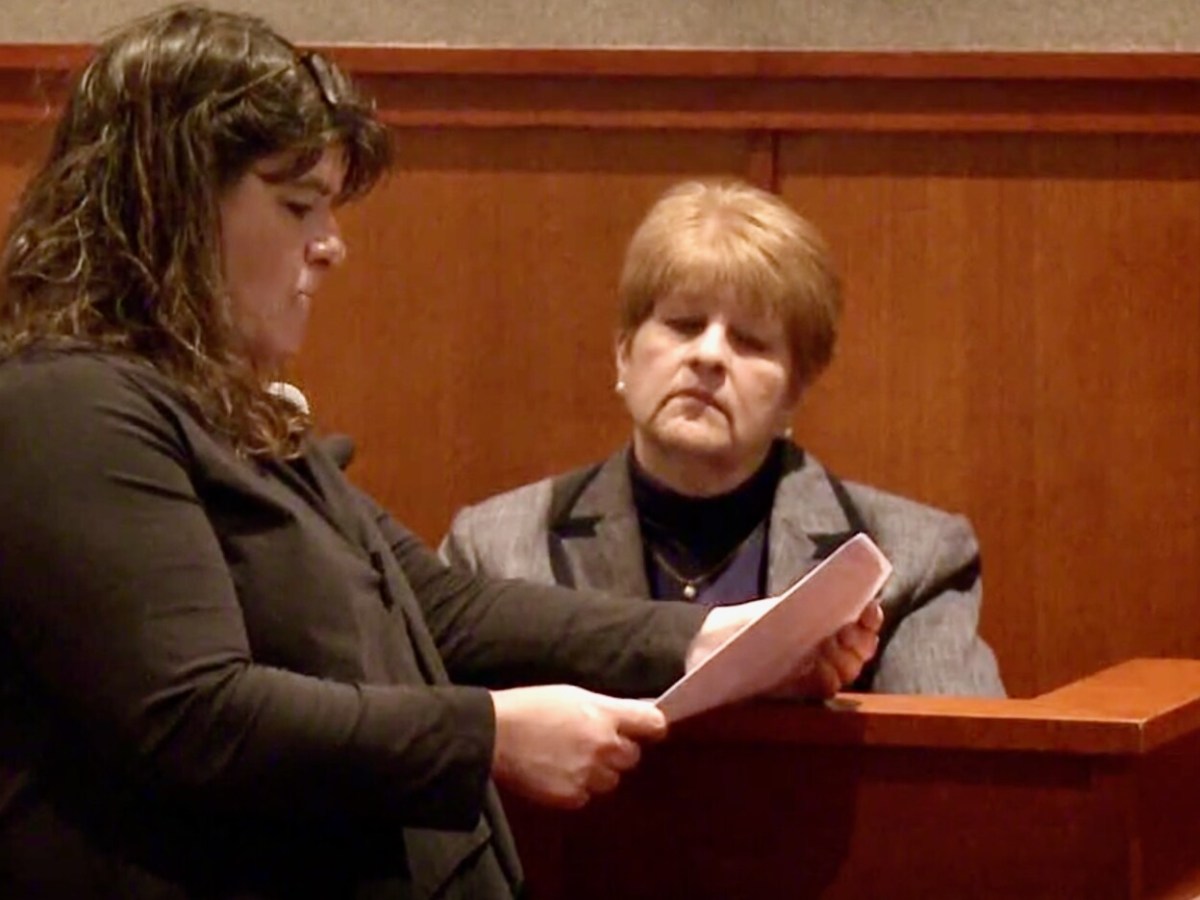
Attorney general sues Maine lawyer for ‘negligent misrepresentation’ of billing
State officials filed a civil lawsuit against Fairfield & Associates and managing attorney Amy Fairfield for bad billing practices.
Posted inOp-Eds, Opinion
A small pandemic upside: We don’t have to forgive public coughing
If we are to be honest with ourselves, few physical reflexes inflict a more distressing assault on our senses than a cough. The sundry sounds that a cough can produce — wheezy or hoarse, high-pitched or raspy, barking or crowing — are among the most irritating noises the human body can produce.

Posted inOp-Eds, Opinion
Racially charged trials were less politically polarized in the past
Polarization of racial attitudes has accelerated over the last decade. By 2013, when George Zimmerman was acquitted of murder in Florida after killing an unarmed Black teenager, the Republican-Democratic divide had grown to about 40 points: 61 percent of Republicans approved of the verdict in that case, compared with 22 percent of Democrats — a stark difference, but still well short of the nearly 70 percentage-point chasms we are seeing in the most recent high-profile cases.