


The vote will take place next meeting following a workshop dedicated to the discussion.
Vanessa Paolella
Sun Journal
Vanessa Paolella is a staff writer at the Sun Journal primarily covering local education. Before joining the Sun Journal in 2021, she interned for the paper twice and led the Bates College student newspaper, The Bates Student. Vanessa graduated from Bates College with a bachelor of science in geology in 2021 and wrote her senior thesis on water quality changes in the Androscoggin River from 1930 to 2019.

Posted inLewiston-Auburn, News
Dempsey Challenge moves to one-day event, adds duathlon
The change comes in response to participant feedback, primarily from cyclists.
advertisement
Posted inAndroscoggin County, News
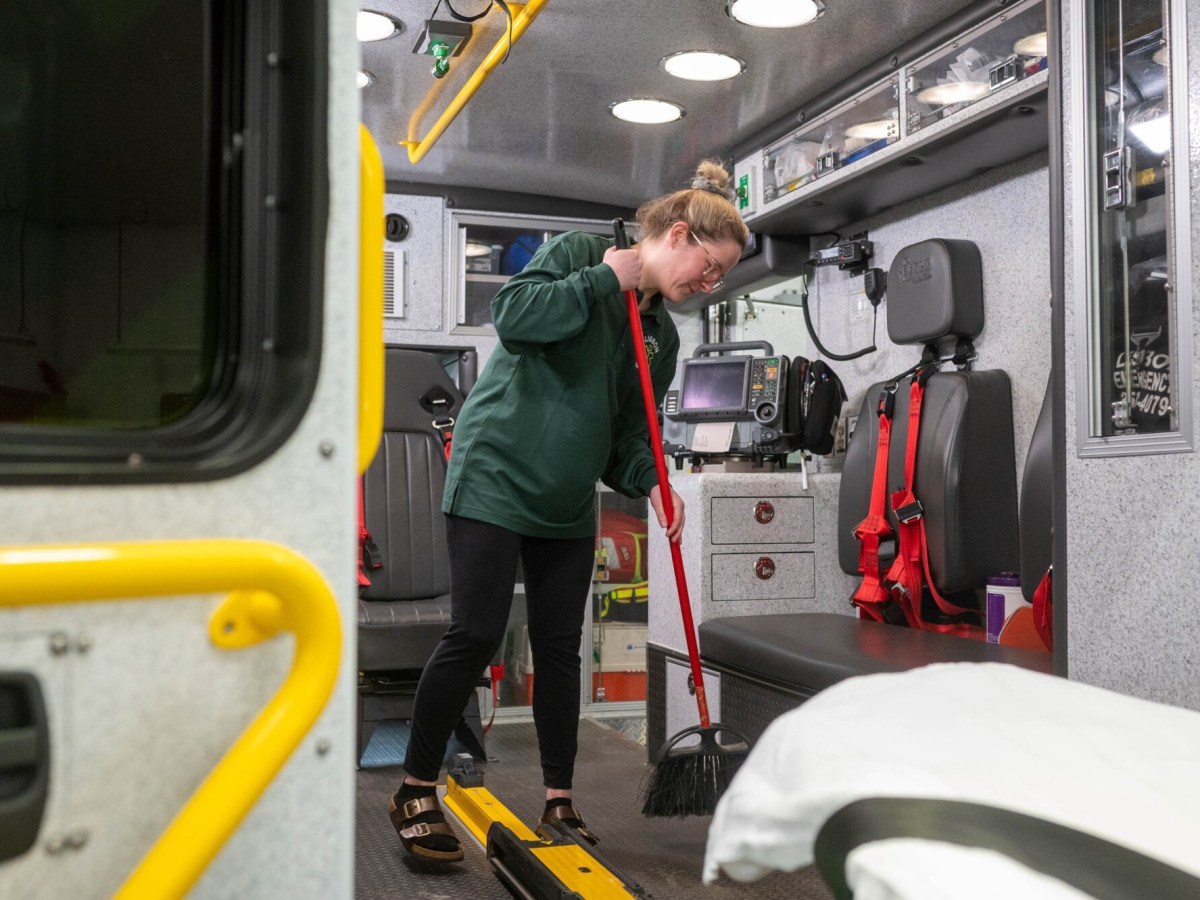
Lisbon may change EMS service after 45 years with local provider
United Ambulance has submitted a bid nearly $60,000 lower than Lisbon Emergency.
Posted inAndroscoggin County, News
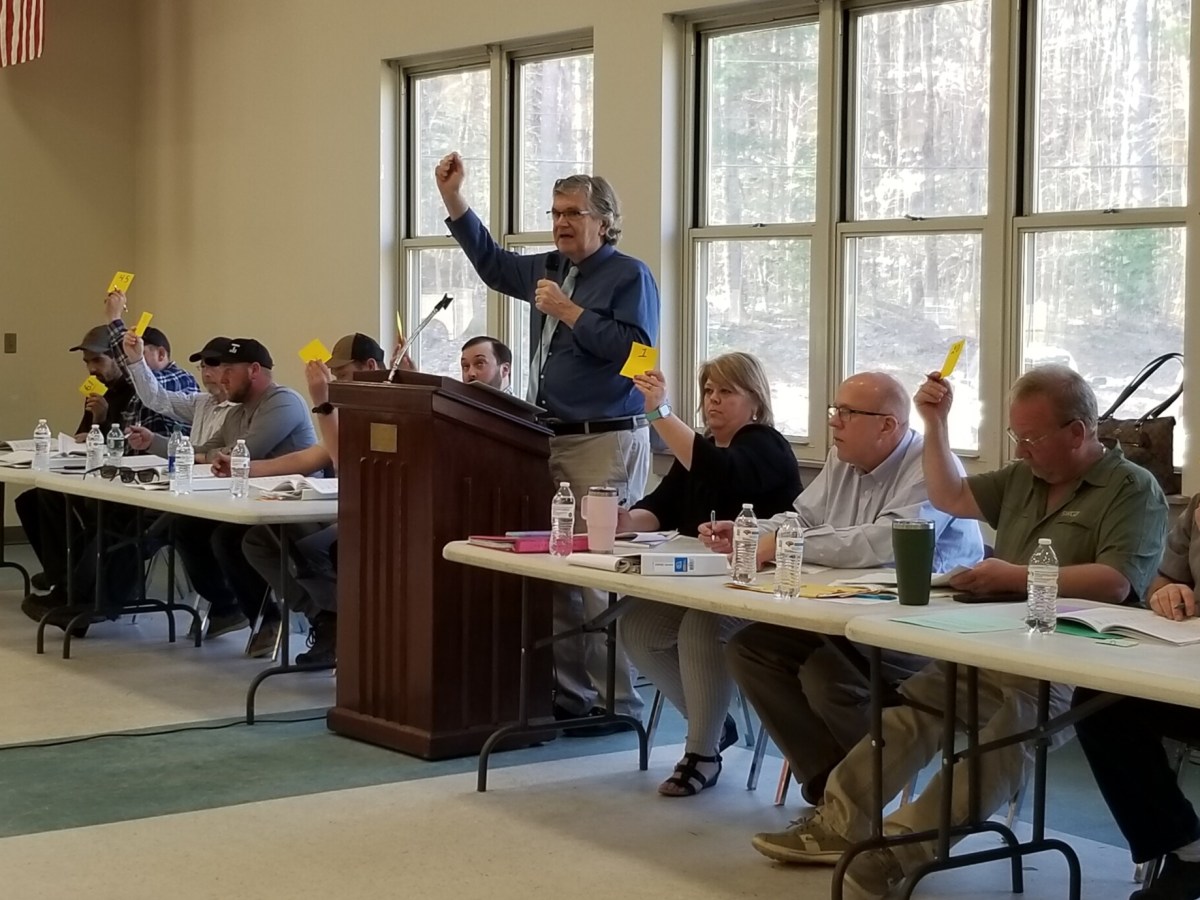
Turner residents approve solar moratorium, reject town property sale
Residents rejected four of the 52 articles on the warrant.
Posted inAndroscoggin County, News
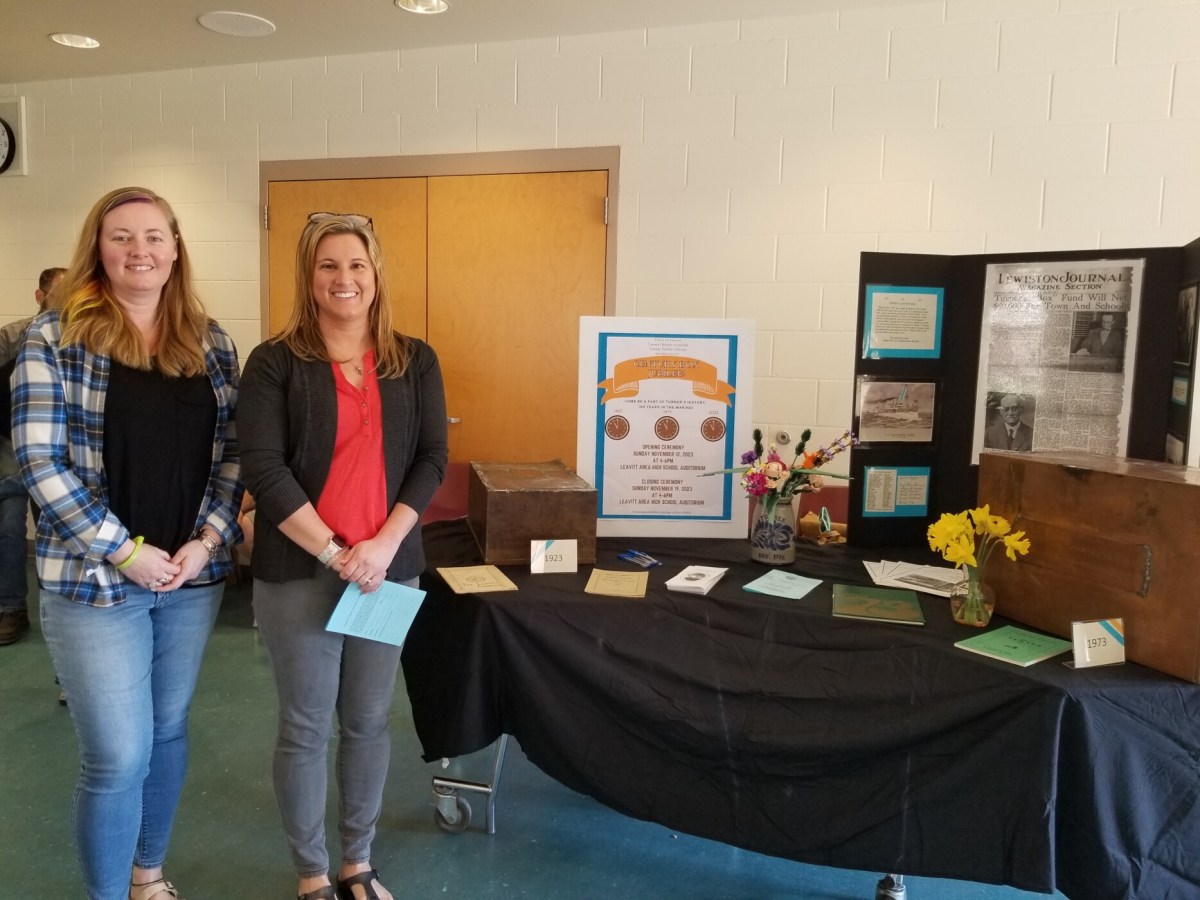
Turner to open ‘Century Boxes’ later this year
The Century Boxes contains messages, letters, prophecies, family stories, photographs and other memorabilia from town residents in 1923 and 1973.
Posted inAndroscoggin County, News
Greene Fire Department gets grant for new rescue boat
Greene and surrounding towns will benefit from the work.

Posted inLewiston-Auburn, News
Warming temperatures threaten Lake Auburn’s water quality
Maine’s water quality is particularly good, largely due to its cold climate. As the state’s winters grow warmer, however, the periods of ice cover that protect the state’s lakes are shrinking, according to research.
Posted inLewiston-Auburn, News, Schools & Education
Most Lewiston city councilors oppose $101 million school budget
The majority of the City Council said they will not support the $101 million school budget approved by the School Committee in a split vote last week.

Posted inAndroscoggin County, News
Invasive hemlock pest approaches Androscoggin County
The pest hasn’t yet been identified in Androscoggin County towns, but one state entomologist said it’s only a matter of time.
Posted inNews
Hemlock wooly adelgids: A fascinating life cycle
All hemlock wooly adelgids in the U.S. are female because the males are unable to survive. So how does the invasive species continue to spread? In their native East Asian habitat, the invasive pest reproduces three times per year: twice asexually – meaning females lay eggs without mating – and once sexually with a male. […]