

Jan. 13, 1629: Pilgrims obtain a land patent along the Kennebec River, authorizing them to trade with local indigenous people. According to historian William D. Williamson, the patent, later called the Kennebec Patent or Plymouth Patent, “was intended as an express favor to her trade and fishery, and the propagation of religion.” The land grant […]
Bicentennial
Stories about Maine’s 202 Bicentennial from the Sun Journal.
Posted inBicentennial, Local & State, News
On this date in Maine history: Jan. 12
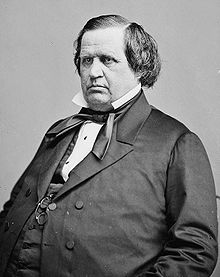
Jan. 12, 1858: Nathan Clifford (1803-1881), a New Hampshire native who began his career as a lawyer in Newfield, is sworn in as a U.S. Supreme Court associate justice. His prior experience includes serving as both a Maine and a U.S. attorney general, a member of both the Maine House of Representatives and the U.S. […]
advertisement
Posted inBicentennial, Local & State, News
On this date in Maine history: Jan. 11
Jan. 11, 1839: Sculptor Franklin Simmons, whose public artworks include the Henry Wadsworth Longfellow statue and the Soldiers and Sailors Monument in Portland and the Soldiers’ Monument in Lewiston, is born in a part of Lisbon that later becomes the town of Sabattus. Simmons, who is raised in Bath and Lewiston, starts out making sculpture models […]
Posted inBicentennial, Local & State, News
On this date in Maine history: Jan. 10
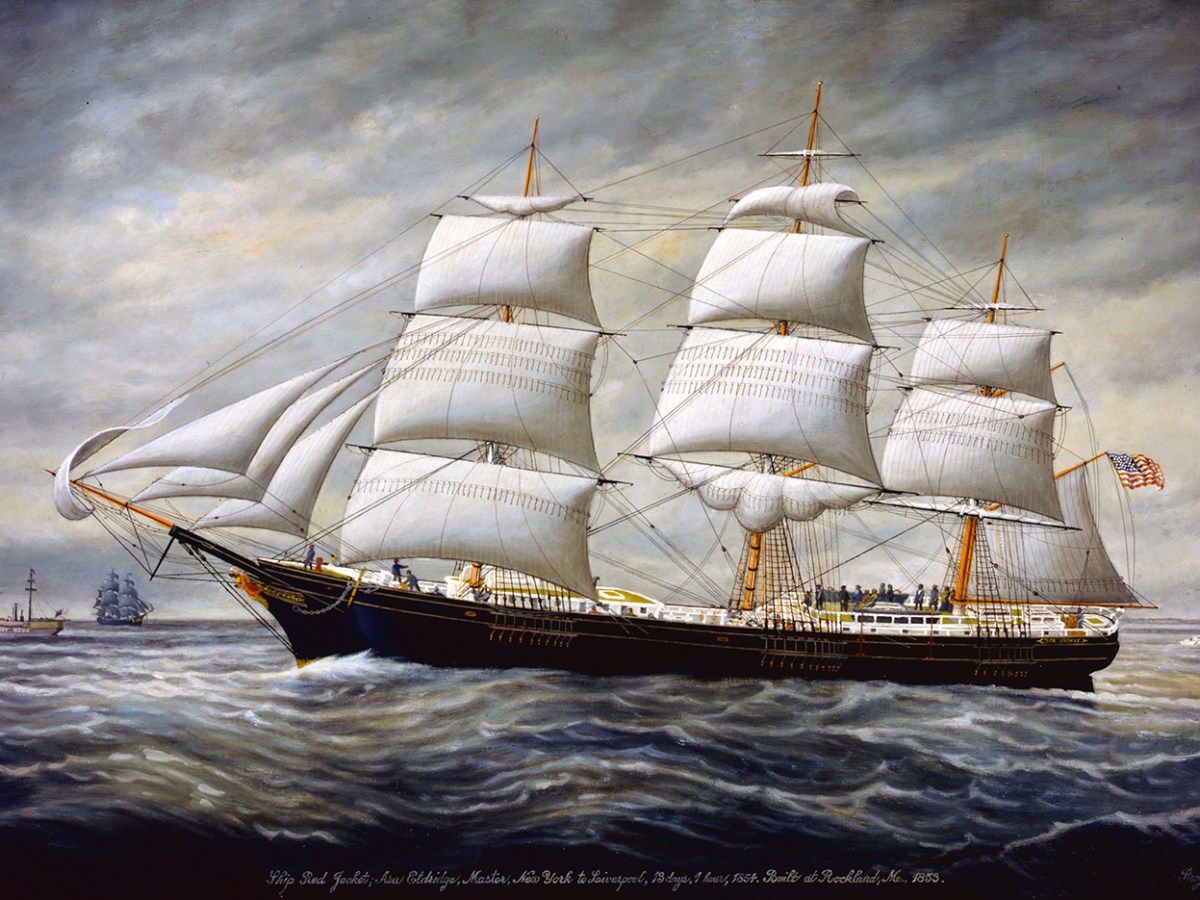
Jan. 10, 1791: After more than three years of construction, Maine’s iconic Portland Head Light, located in Cape Elizabeth, goes into service. The lighthouse includes a 72-foot tower and 16 whale oil lamps. A renovation in 1865 increases the tower height 20 feet. A duplex home for the head lighthouse keeper, the assistant lighthouse keeper […]
Posted inBicentennial, Local & State, News
On this date in Maine history: Jan. 9
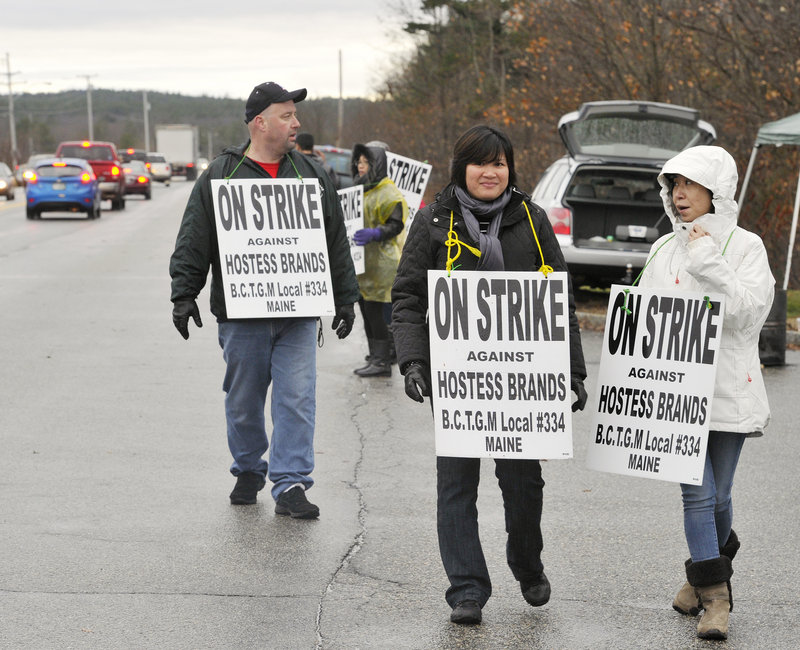
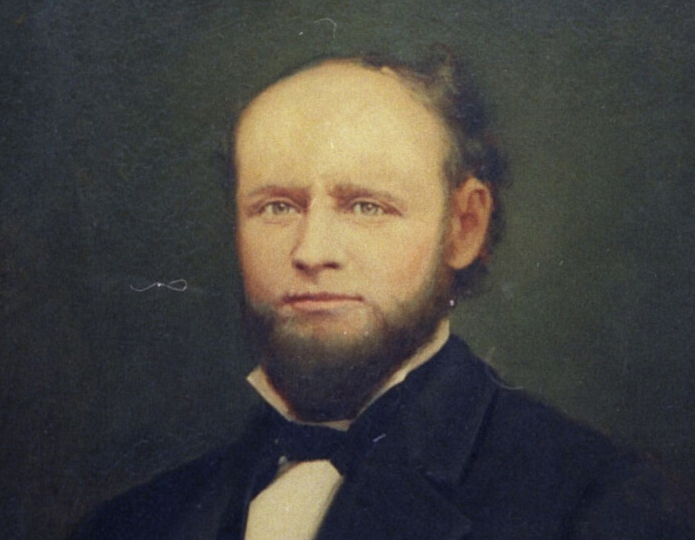
Jan. 9, 1897: Former Republican Gov. Daniel F. Davis dies in the Penobscot County town of Corinth. He became governor in 1880 at the age of 36 at the end of a weekslong armed standoff between competing political factions, featuring threats of kidnapping and assassination. Davis ran for governor in the election of September 1879. […]
Posted inBicentennial, Local & State
On this date in Maine history: Jan. 8
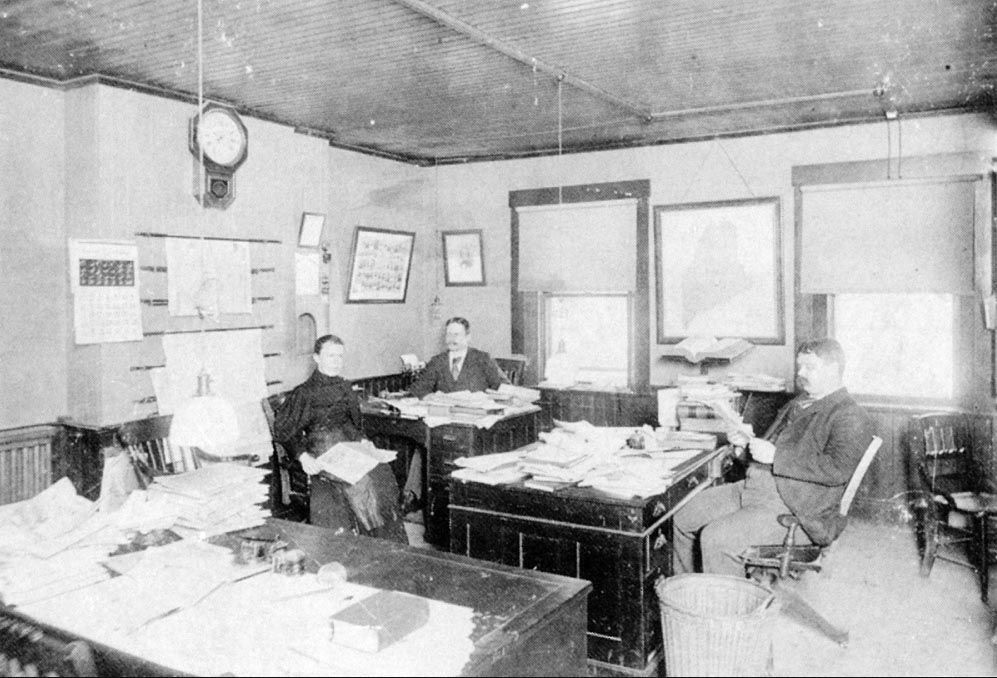
Jan. 8, 1825: Having set up shop on the southeast corner of Bridge and Water streets in downtown Augusta, Russell Eaton (1800-1888) and Luther Severance (1797-1855) publish the first issue of the Kennebec Journal, which begins as a weekly newspaper. They were recruited for the job while working as printers in Washington, D.C. In a […]
Posted inBicentennial, Local & State, News
On this date in Maine history: Jan. 7
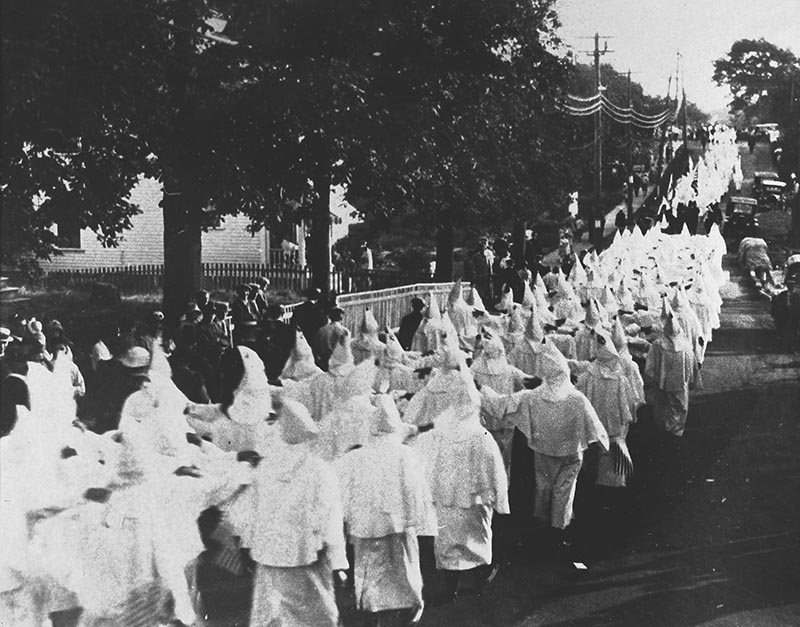
Jan. 7, 1925: Ralph Owen Brewster, a Republican supported openly by the Ku Klux Klan, takes office as Maine’s governor. The election campaign put the division in Brewster’s party on full display. His predecessor, Gov. Percival Baxter, accused Brewster of being a sympathizer of the Klan, which had gained traction in Maine because of its […]
Posted inBicentennial, Local & State, News
On this date in Maine history: Jan. 6
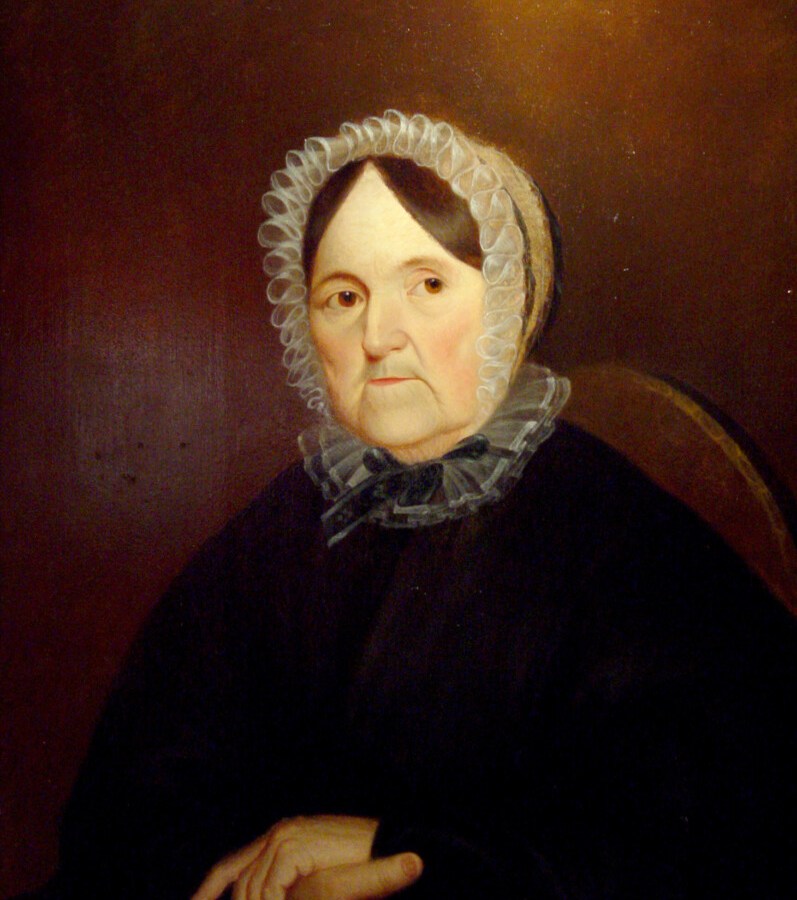
Jan. 6, 1854: Novelist Sarah “Sally” Sayward Barrell Wood, known colloquially as “Madame Wood,” Maine’s first novelist and the first female American writer of gothic fiction, dies at the age of 95. She published four novels and a collection of stories, all under pseudonyms – either “A Lady,” “A Lady of Massachusetts” (when Maine was […]
Posted inBicentennial, Local & State, News
On this date in Maine history: Jan. 4
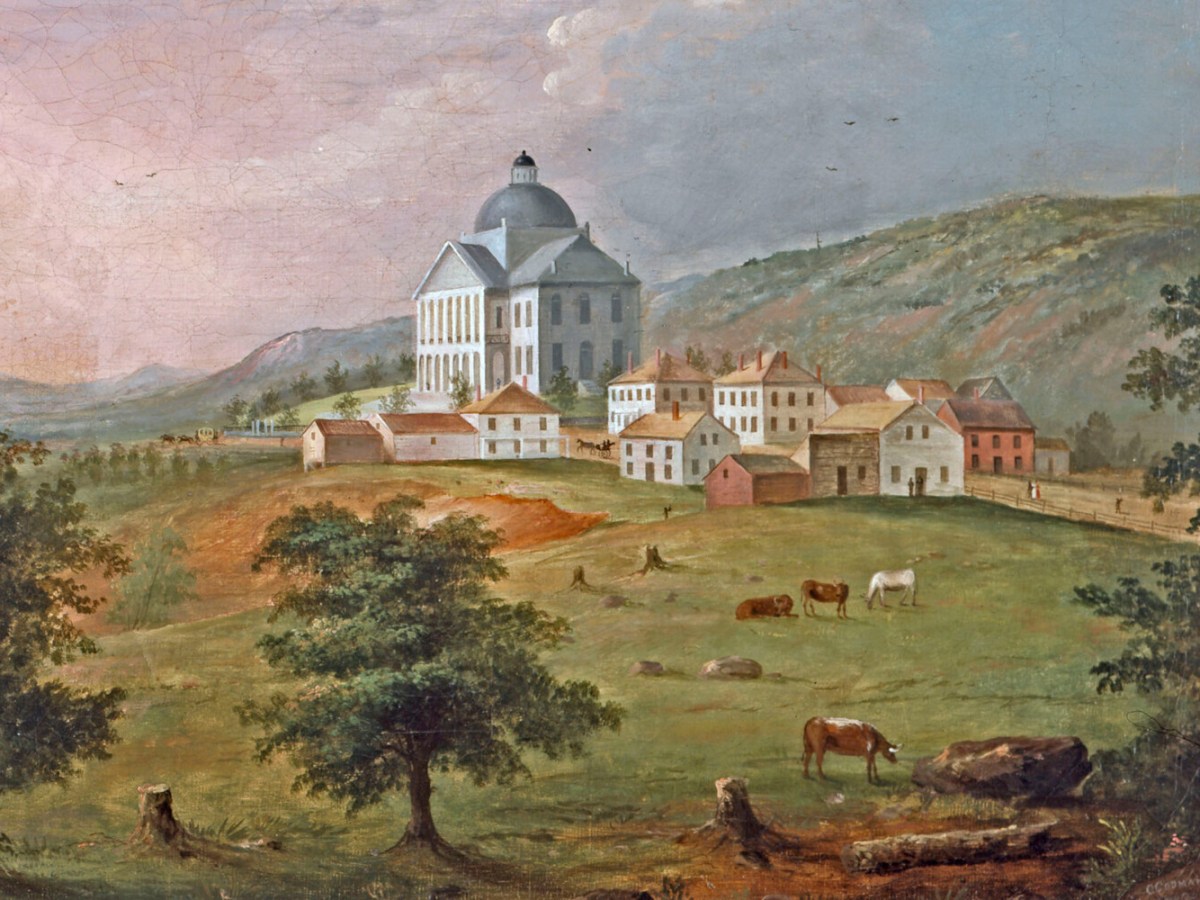
Jan. 4, 1832: The Maine Legislature convenes in the newly completed Maine State House for the first time. The building, located on Weston’s Hill in Augusta, took three years to erect and is built of Hallowell granite. Despite its completion, Portland officials try for decades to convince the Legislature to move the state capital to […]

Posted inBicentennial, Local & State, News
On this date in Maine history: Jan. 3
Jan. 3, 1787: A fourth convention about a proposal to separate Maine from Massachusetts is held. An “Address to the People” about Maine residents’ grievances had drawn a 645-349 vote in favor of separation, but the total vote count was a tiny minority of those citizens eligible to vote, and they came from only 32 […]