

About this series
In the fall of 1873, a Lewiston woodcutter stumbled upon a headless skeleton and a tattered black dress lying beside some pine trees near the city’s most romantic drive. His haunting discovery is at the heart of the mystery of who she was and what happened to her, questions that riveted the community, the state and the nation. This series, published in weekly chapters on Sundays, tells the story.

Chapter 1: The Mystery of the Headless Skeleton
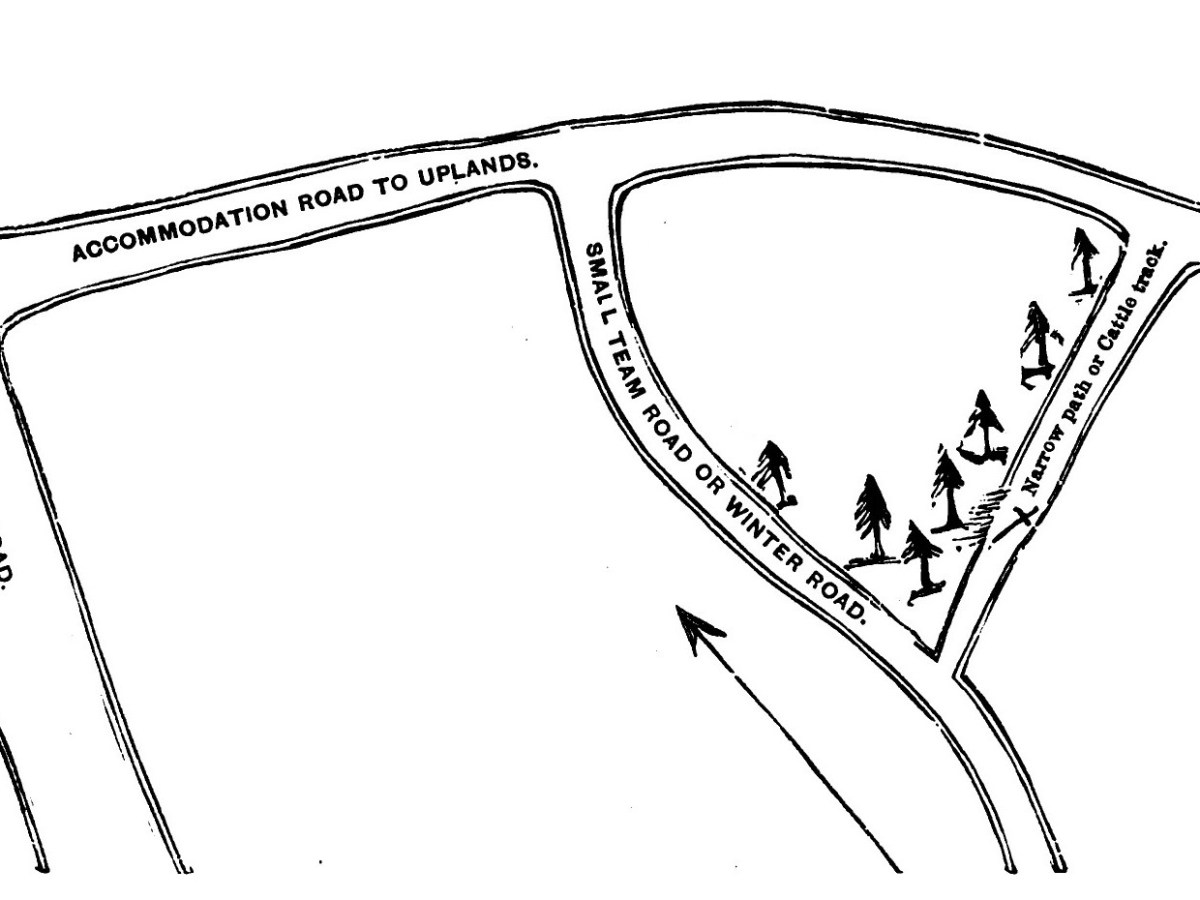
Let’s go back in time to a crisp Wednesday in mid-October of 1873, beside a small clump of pine trees along the most romantic drive in Lewiston, a mile away from anyone’s home.
Chapter 2: ‘Skeleton of a Woman Found’
Observers quickly discerned that by the standards of the day, the woman had been well-dressed, with beads and silk lace trimming her sleeves down to her wrists and extending over her shoulders to cover down to her waist.
Chapter 3: The day Lizzie Lowell vanished
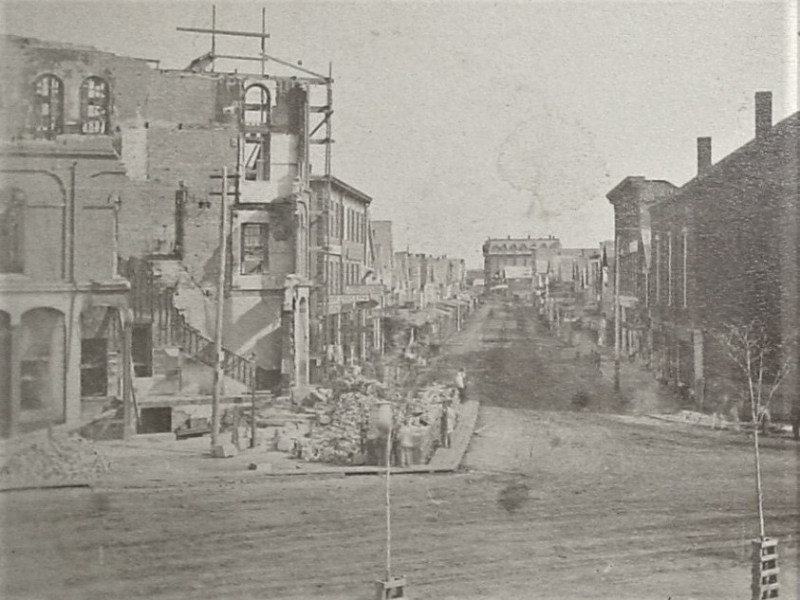
When the Lewiston Evening Journal reported the skeleton of a woman had been found near the Switzerland Road, women in town “said with one accord: ‘I think that’s Mrs. Lowell’s remains.’”

Chapter 4: The Lowells’ troubled marriage
In the first hours after the grisly discovery of a body in the woods, the Journal tracked down a few people who remembered Lizzie and her husband, James M. Lowell.
Chapter 5: Lizzie’s mother has a strange dream
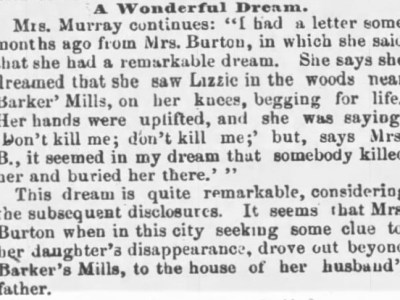
Though the dream had no impact on the discovery of the skeleton, it likely contributed to the stir caused by the find in a spot eerily similar to what Sarah Burton imagined.
Chapter 6: Rounding up a suspected killer
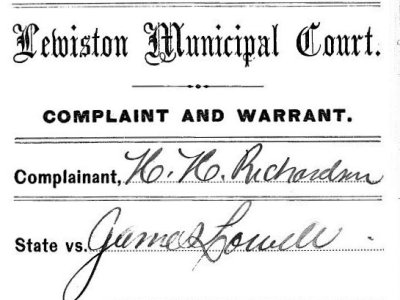
After James Lowell stepped down off a wagon, where he was loading rags at the Munroe’s Paper Mill in Lowell, Massachusetts, Officer E.D. Wiggin of Lewiston handed him a copy of that day’s Boston Journal, which carried an account of the discovery of the headless skeleton in Lewiston.

Chapter 7: A big scoop for the Journal
Arriving at the jail, the city marshal told James M. Lowell he’d get the best accommodations possible and brought him to the northwestern corner cell, where the local newspaper editor noticed that the bones collected on Switzerland Road — thought to be the remains of Lowell’s wife — were still bound up in a mat in the…

Chapter 8: Getting ready for Lowell’s inquest
Interest in the case ran so high that when copies of the Journal began rolling off the press, hordes waited outside the building for a chance to buy one for 2 cents. Some stood patiently for hours since the editor declared that subscribers would get their papers first.
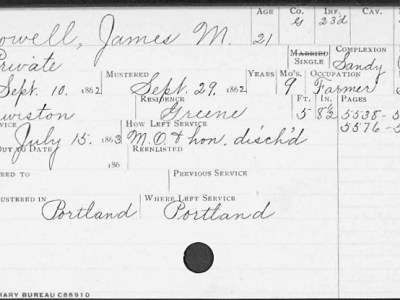
Chapter 9: The life and times of James Lowell
James Lowell served in Company G, which never saw active fighting, but didn’t have it easy. Among the places its men guarded were the Seneca Quarries in western Maryland, where the stone for the original Smithsonian building came from.

Chapter 10: The inquest, day one
Their first decision was to bar the crowd outside from squeezing into the room, keeping those inside to a minimum — the coroner, Androscoggin County Attorney George Wing, the witnesses and the press. It seems that Frank Dingley, the Lewiston Evening Journal’s intrepid editor, was always allowed to see whatever he wanted.
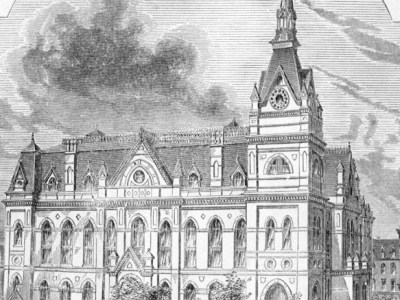
Chapter 11: Lizzie’s mother pays a visit
The Lewiston Evening Journal said at the time the meeting between James Lowell and his former mother-in-law “was evidently not a pleasant one for the prisoner. He was a good deal agitated when the silk dress was carried in with them, was shown to him for the first time.”
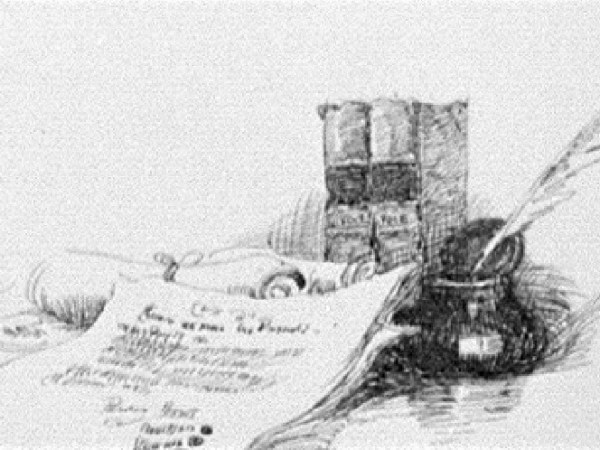
Chapter 12: Strange letters in Lewiston
It struck everyone as more than a little suspicious that a letter purporting to come from Lizzie was so chock full of help for the things her husband wanted, including, apparently, Jennie Blood.
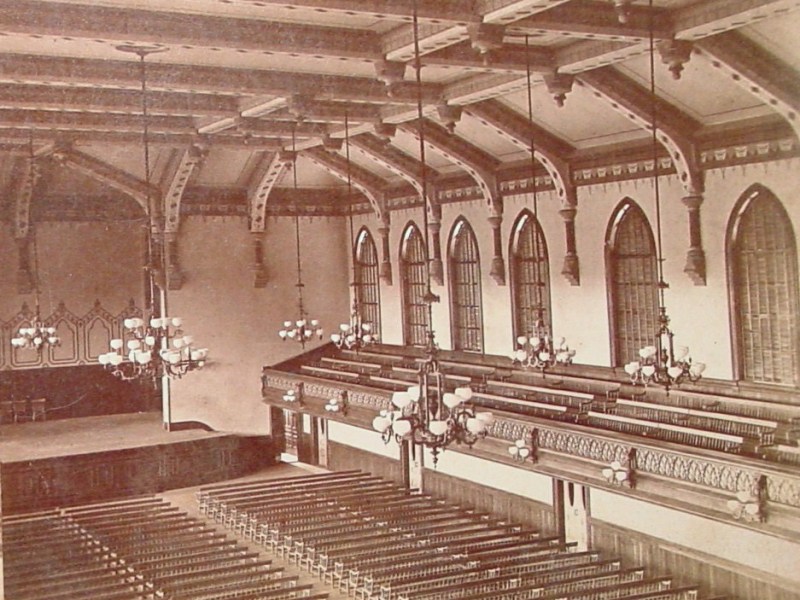
Chapter 13: Murder charge lodged against Lowell
With the inquest completed that concluded the skeleton found off Switzerland Road was likely the missing Mary Elizabeth “Lizzie” Lowell, her husband next faced a preliminary examination on a murder charge before Judge Albion Knowlton that was supposed to take place in the Police Courtroom in the City Building’s basement.
Chapter 14: Lowell’s arraignment in Auburn
Maine’s attorney general, Harris Plaisted, had ventured from Bangor to Lewiston at New Year’s to work on the case. He intended, as everyone expected, to prosecute the case himself.

Chapter 15: The life of Lizzie Lowell
Through the legal proceedings, Lizzie Lowell emerged as the buyer of a dress and a woman with fast friends and perhaps loose morals, at least by the standards of the time.
Chapter 16: An entirely circumstantial murder case
Beyond proving the identity of the remains, prosecutors needed to do two more things: establish that James “Jim” Lowell could well have killed Lizzie Lowell and that he had the opportunity to do so.

Chapter 17: The murder trial begins
Each man who passed muster and was seated on the jury swore an oath “to well and truly try and true deliverance make” a decision based on the evidence presented.
Chapter 18: A visit to Switzerland Road
Eben Pillsbury, an attorney for accused killer James M. “Jim” Lowell, had suggested the visit, telling the judge that in seeing the spot, jurors “might better understand its surroundings.”
Chapter 19: A dramatic moment in the trial
The high point of the trial, without a doubt, occurred just before Maine Attorney General Harris Plaisted called Thomas Dwight, an anatomy professor at Bowdoin College who became the father of forensic anthropology, to take the stand.
Chapter 20: Lowell takes the stand
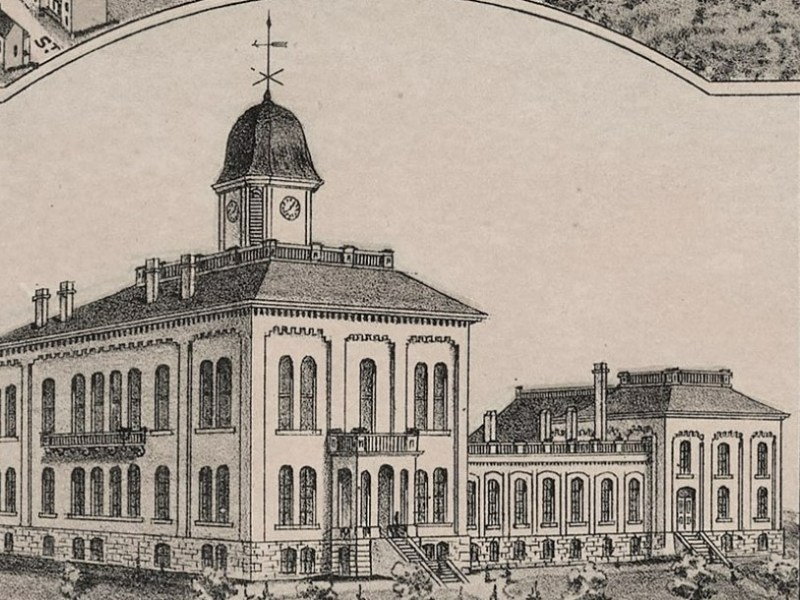
The eagerly awaited moment came Monday, Feb. 16, 1874, when Lowell rose from his chair, walked to the witness stand beside Judge Charles Walton and swore to tell the truth, the whole truth and nothing but the truth.
Chapter 21: The jury delivers a verdict
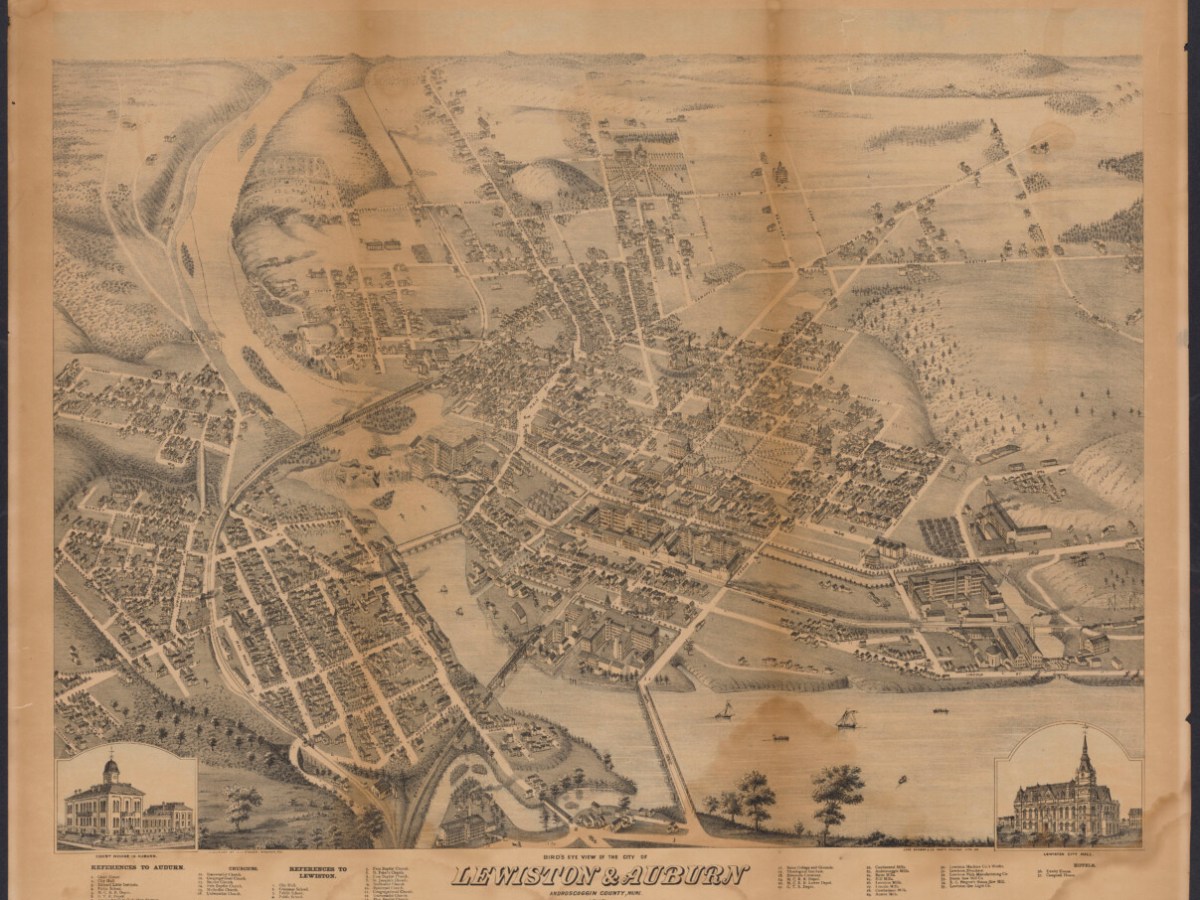
One of the many newspapers around the country following the trial, The Brooklyn Daily Eagle, said after all the evidence had been heard — but before the jury’s decision — “there is not, probably, a single trial to be found on the criminal records of this country so marked by dramatic sensationalism as that of…
Chapter 22: Lowell sentenced to hang
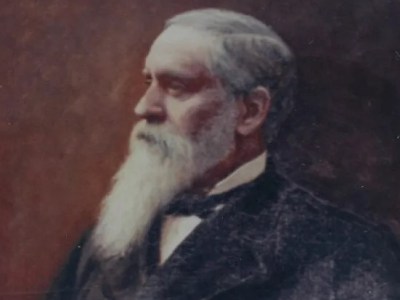
The public “betook themselves to the courthouse to hear one of the last, and most solemn, of the many scenes which the Switzerland road tragedy has afforded,” the Journal reported an hour later. “There they were, promptly on hand to hear the doom which the law should affix to the guilt it had already decided.”

Chapter 23: Death warrant signed by governor
The gory tumult of the hanging of convicted murderer John Gordon caused then-Gov. Nelson Dingley Jr.’s Executive Board on July 6, 1875, to vote 4-3 to commute Lowell’s sentence to life in prison. With that, Lowell no longer faced the gallows.
Chapter 24: Life at the State Prison in Thomaston
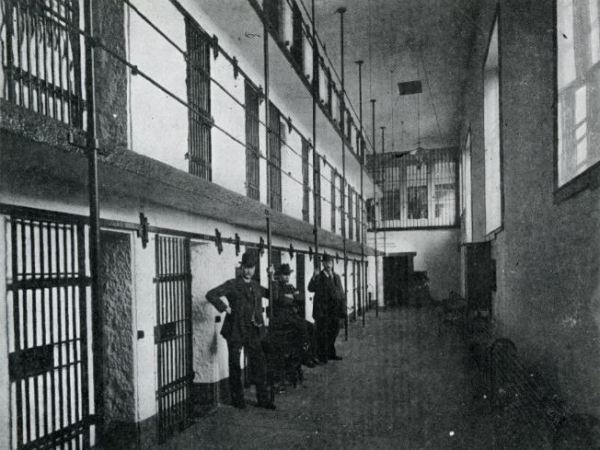
James M. “Jim” Lowell was a quiet, orderly prisoner in Maine’s well-regulated prison.

Chapter 25: Lizzie alive out west somewhere?
The Lewiston Evening Journal looked into the issues surrounding the claims and concluded the Michigan woman probably looked something like Lizzie and likely had the same name. In other words, it said, it appeared to be a case of “mistaken identity.”

Chapter 26: Lowell admits he killed his wife
In 1885, James Lowell confessed, but insists he didn’t mean for Lizzie to die.

Chapter 27: Lowell seeks a pardon
Arguing he was only guilty of manslaughter, convicted killer James Lowell begged for a pardon that would free him.
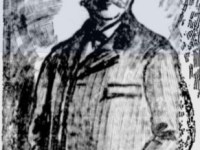
Chapter 28: Lowell returns to Lewiston
After a quarter century behind bars, convicted killer James Lowell discovered a changed world.
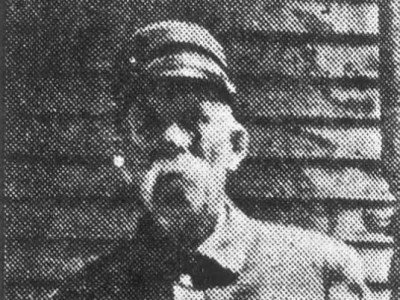
Chapter 29: Lowell’s last years
James M. “Jim” Lowell turned up in the 1910 Census, living alone in Greene, a small town outside Lewiston where he had resided for a time as a younger man. In the census, he called himself a widowed farmer, 69 years old. By 1911, Lowell was admitted to the National Soldiers’ Home in Togus, which…
About this series
In the fall of 1873, a Lewiston woodcutter stumbled upon a headless skeleton and a tattered black dress lying beside some pine trees near the city’s most romantic drive. His haunting discovery is at the heart of the mystery of who she was and what happened to her, questions that riveted the community, the state and the nation. This series, published in weekly chapters on Sundays, tells the story.