
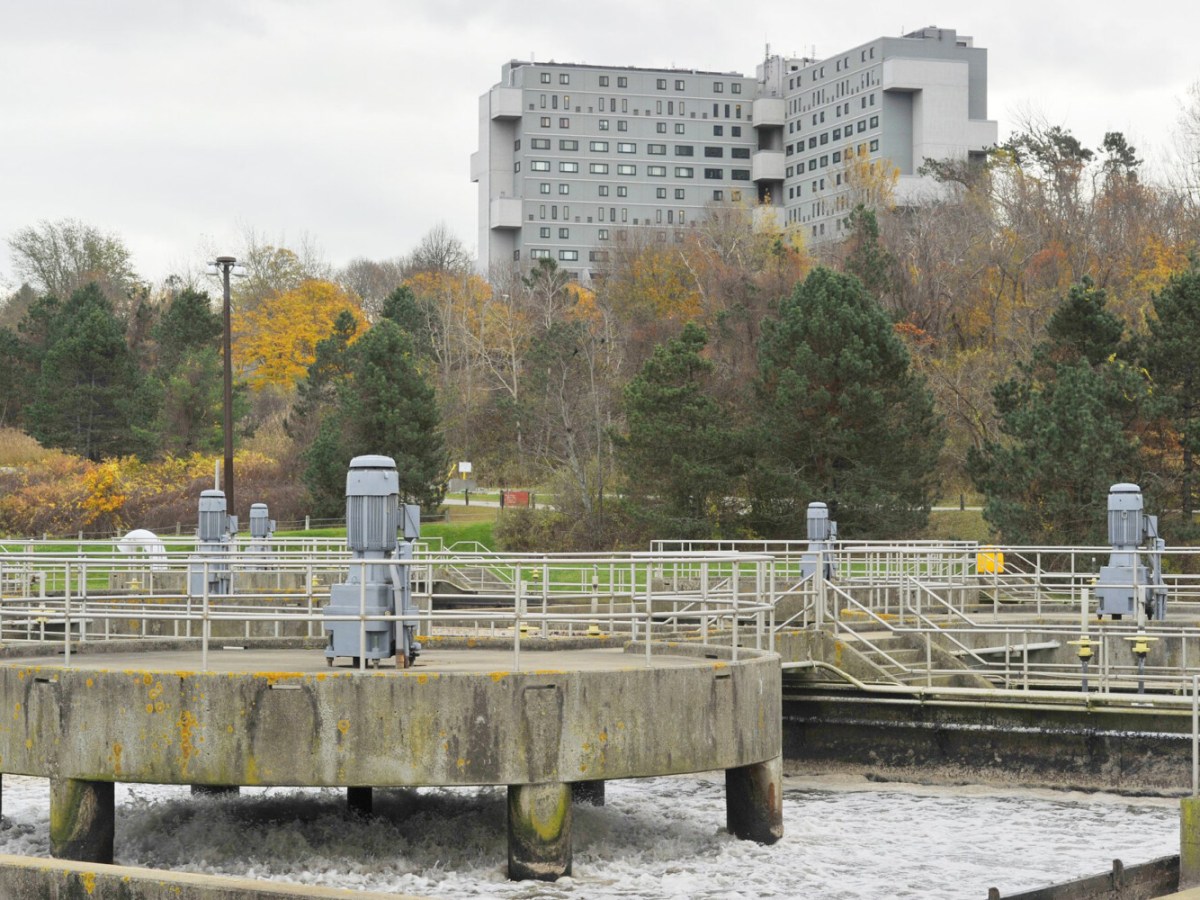

The district is seeking compensation to cover the cost of testing and treating wastewater polluted by chemicals used to make goods as varied as waterproof mascara, Teflon, Scotchgard and firefighting foams.
forever chemicals

Posted inLocal & State, News
Maine stocks PFAS-laden waters with fish, warns ‘do not eat’
Scientists worry that some anglers will still consume the trout tainted by forever chemicals. One environmental watchdog group calls the state Department of Inland Fisheries and Wildlife practice ‘super disturbing.’
advertisement

Posted inLocal & State
High levels of forever chemicals in Maine birds add to concern about food chain
Researchers in Maine are trying to understand how perfluoroalkyl and polyfluoroalkyl substances, or PFAS, are affecting fish, birds and mammals.

Posted inBusiness
EPA designates 2 forever chemicals as hazardous substances, eligible for Superfund cleanup
A group that represents the chemical industry says it strongly opposes the Environmental Protection Agency’s designation of two forever chemicals used in cookware, carpets and firefighting foams as hazardous substances.

Posted inLocal & State, News
Maine’s former landfills are leaking forever chemicals
The state has so far found PFAS-contaminated drinking water supplies in 51 wells near former landfills, but no one will say which landfills are leaking.
Posted inNation / World
New federal limits on forever chemicals in drinking water are stricter than Maine’s
The Environmental Protection Agency released new limits Wednesday that are lower than Maine’s 3-year-old drinking water standards.

Posted inLocal & State, News, Outdoors
Hooking a Maine fish is one thing, but is it safe to eat?
Maine has issued warnings not to eat fish in some waterways because of contamination from ‘forever chemicals,’ but most lakes, ponds and streams remain untested.
Posted inLocal & State
View the list of Maine’s PFAS advisories for freshwater fish consumption
The state has tested 1,800 fish culled from 112 locations since it first began testing for perfluoroalkyl and poly-fluoroalkyl substances.
Posted inLocal & State, News
Lawmakers want to rewrite timeline for Maine’s PFAS product sales ban
The Environment and Natural Resources Committee votes 6-5 to push back the state’s ban on the sale of most products that contain forever chemicals to 2032, 2 years later than the current deadline.

Posted inBusiness, Local & State
Maine gets first application from a farmer who wants to sell contaminated farmland
The request was received on Monday, the first day the state began accepting applications for the $70 million Fund to Address PFAS Contamination.