
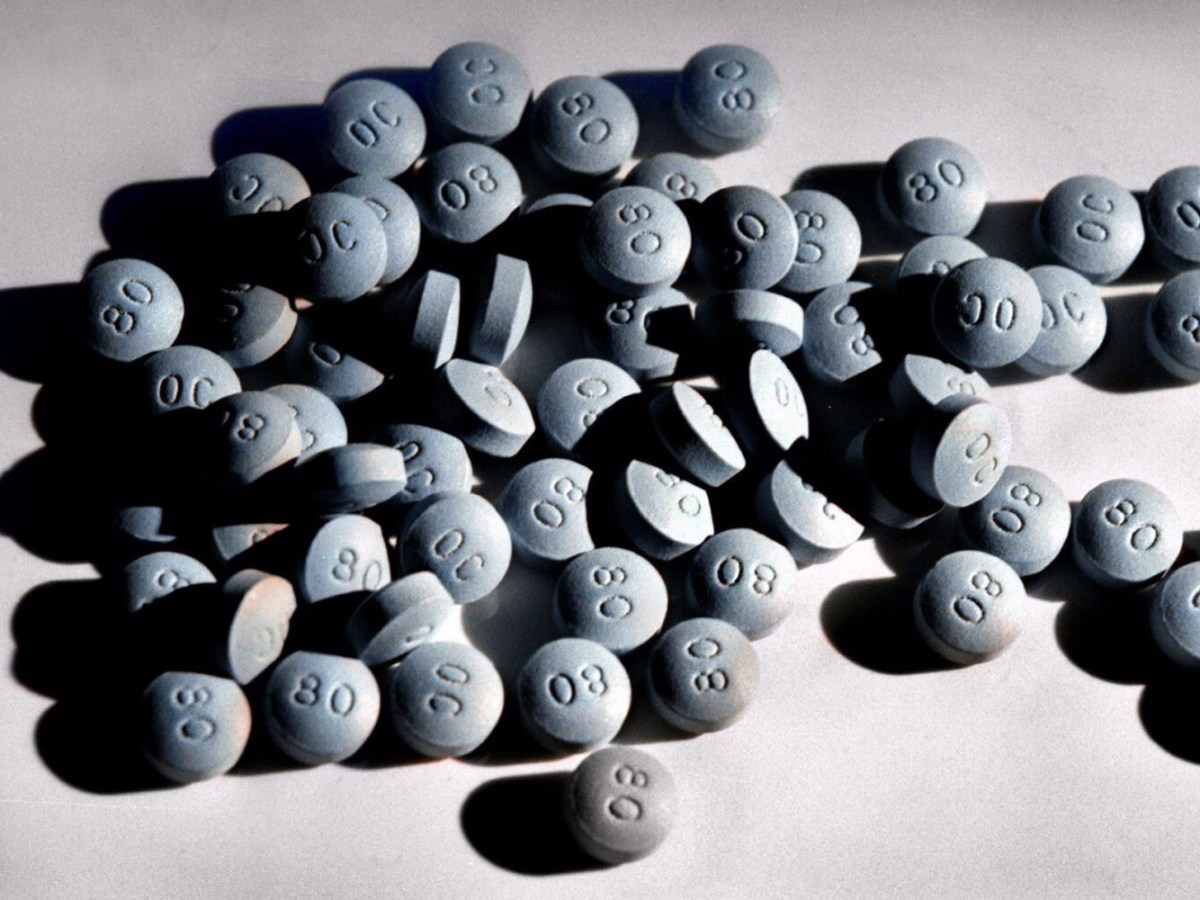

The name change is another step toward ending the stigma associated with addiction-related illnesses, according to Maine’s opioid response czar.
opioid epidemic

Posted inMaine, News
Lawmakers push for money to strengthen Maine’s mental health crisis system
A bill before the Legislature would put roughly $1.2 million toward bolstering the state’s mental health system in the hopes of freeing county jails of the burden of caring for the state’s mentally ill.
advertisement
Posted inBusiness, Maine, News
Maine gets $6.3 million for substance abuse job training

A two-year federal grant will help train treatment workers and prepare addiction sufferers for the job market.

Posted inMaine, News, Politics
Health groups propose statewide network of ‘low-barrier’ drug treatment clinics

The pilot proposal, which carries a price tag of $920,000, comes at a time when drug overdose deaths appear to be rising again despite efforts to tackle the problem.

Posted inMaine, News
Five overdose deaths so far this month have Portland on alert

Police say the rash of overdoses is concerning and yet another sign that the state’s prolonged opioid crisis has not abated.

Posted inMaine, News, Politics
Maine lawmakers urged to tackle mental health crisis in the state’s jails
A bill before the Legislature aims to ease the strain on the corrections system, including county jails, which increasingly house people with mental health issues who face criminal charges.

Posted inMaine, News
Maine needs more services for opioid treatment, state drug official says
Gordon Smith, the state’s director of opioid response, tells lawmakers that access to medication-assisted treatment has improved but Maine needs more long-term recovery services such as housing, counseling and coaching.

Posted inMaine, News
Maine will receive $5.3 million to boost opioid treatment for new mothers

Maine is among 10 states that will get federal funding over the next 5 years to improve access to treatment for women with opioid use disorder who are pregnant or have recently given birth.

Posted inPerspective
Could the DEA have stopped the opioid epidemic by cutting off the supply?
Congress and others want the supply restricted to curb abuse, but former DEA officials say it cannot be done without hurting legitimate pain patients.
Posted inPerspective
Counties where auto plants close see higher rates of opioid overdose deaths, new research finds
Within five years of an auto plant closing, opioid overdose deaths among working-age adults were 85% higher than in counties where plants had not closed, a new study from the University of Pennsylvania found.