
FREEPORT — Outdoors specialty retailer L.L. Bean says sales were flat for a second straight year in 2016 – a year in which the family-owned company weathered a boycott over a relative’s political contributions in support of President Donald Trump.
Revenues reached $1.6 billion for the fiscal year. The Freeport-based company had been on a run of five consecutive years of growth before 2015.
The L.L. Bean family and board of directors approved a 3 percent cash performance bonus to its approximately 6,000 workers, the company announced Friday.
“While it has been a challenging year in the retail environment, our employees delivered world class service and products to our customers,” said Steve Smith, president and CEO.
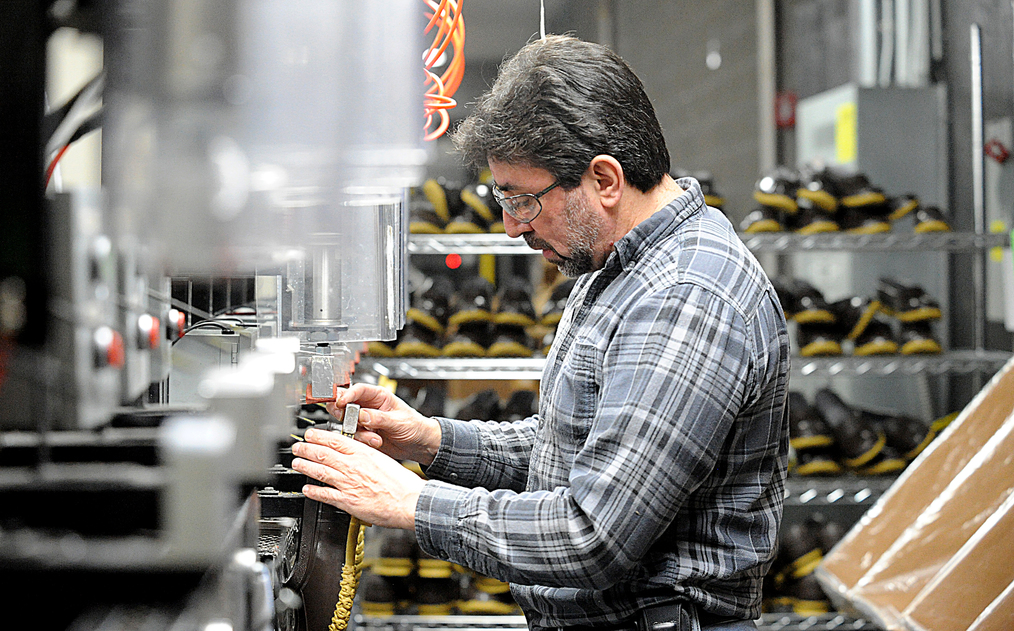
The year marked continued growth in sales of the company’s iconic boot – but also controversy surrounding an L.L. Bean board member’s political contributions.
The Federal Election Commission questioned whether a $60,000 donation by Linda Bean, founder Leon Leonwood Bean’s great-granddaughter, to a political action committee supporting Trump exceeded limits.
But the PAC’s chairman cited a paperwork error and said it was supposed to be registered as a super PAC with unlimited donations. Updated reports indicated that her donations were overstated and that she actually gave $25,000.
The reports and an ensuing call for a boycott amounted to unwanted attention for a 105-year company that tries to be apolitical.
The company had declined to say if the publicity hurt sales.
Looking ahead, L.L. Bean plans to cut costs by freezing pensions and offering voluntary early retirements, and company officials say they are going to re-examine its generous shipping and return policies. The company expects to trim the workforce by about 500 workers through early retirement incentives next year, officials have said.
It’s part of a broader look at all aspects of the business. Smith said the company is trying to return to the stronger growth that it experienced in the 1980s and 1990s so it can invest.
Comments are not available on this story. Read more about why we allow commenting on some stories and not on others.
We believe it's important to offer commenting on certain stories as a benefit to our readers. At its best, our comments sections can be a productive platform for readers to engage with our journalism, offer thoughts on coverage and issues, and drive conversation in a respectful, solutions-based way. It's a form of open discourse that can be useful to our community, public officials, journalists and others.
We do not enable comments on everything — exceptions include most crime stories, and coverage involving personal tragedy or sensitive issues that invite personal attacks instead of thoughtful discussion.
You can read more here about our commenting policy and terms of use. More information is also found on our FAQs.
Show less