


Wenzel, an art teacher at Edward Little High School, and a few students fired 30 pieces of pottery using a technique called Raku. The process involves using glazes that take three days to make and placing the pieces into a combustion chamber briefly before the fire is snuffed out. Wentzel typically teaches advanced pottery students Racu, but since students are in the studio for such a brief time because of COVID-19, Wentzel is teaching all her pottery students, as well as elementary and middle school students the process through videos recorded during the firing. “I feel like they have been cheated,” said Wentzel. “So, I wanted to give something back to them.”
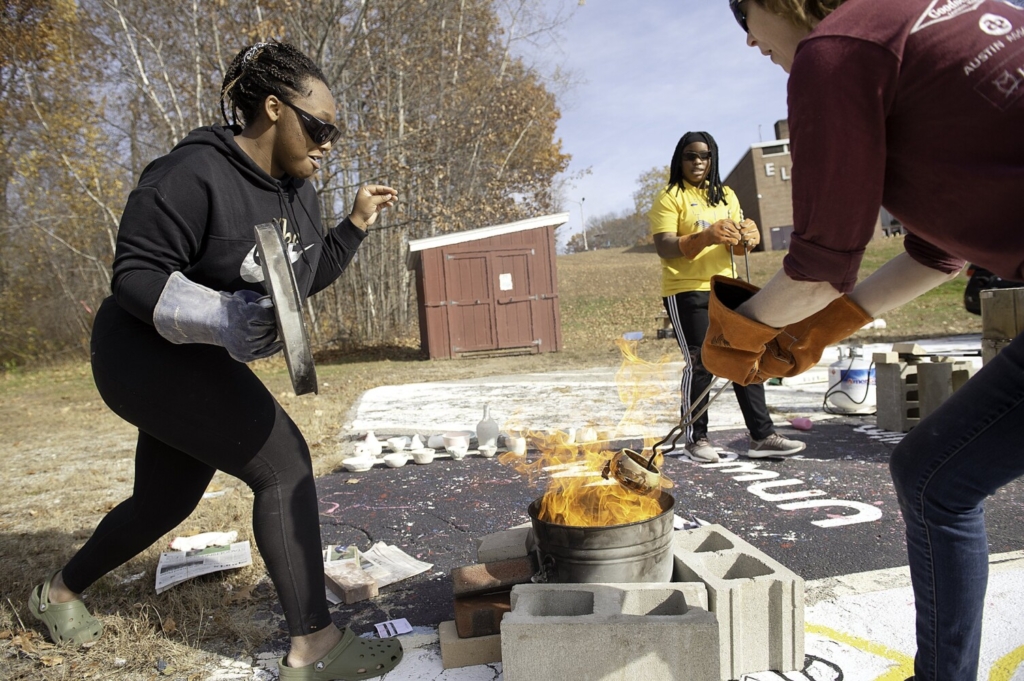
Ahyanna Carithers, 17, gets ready to snuff out the fire as Terri Wentzel places another piece of pottery into the fire at Edward Little High School in Auburn on Saturday. Carithers, a senior, and Princess Monday, a junior in the background, said they spent a lot of time in Wentzel’s pottery studio after school before COVID-19 restrictions were set in place. Daryn Slover/Sun Journal Buy this Photo
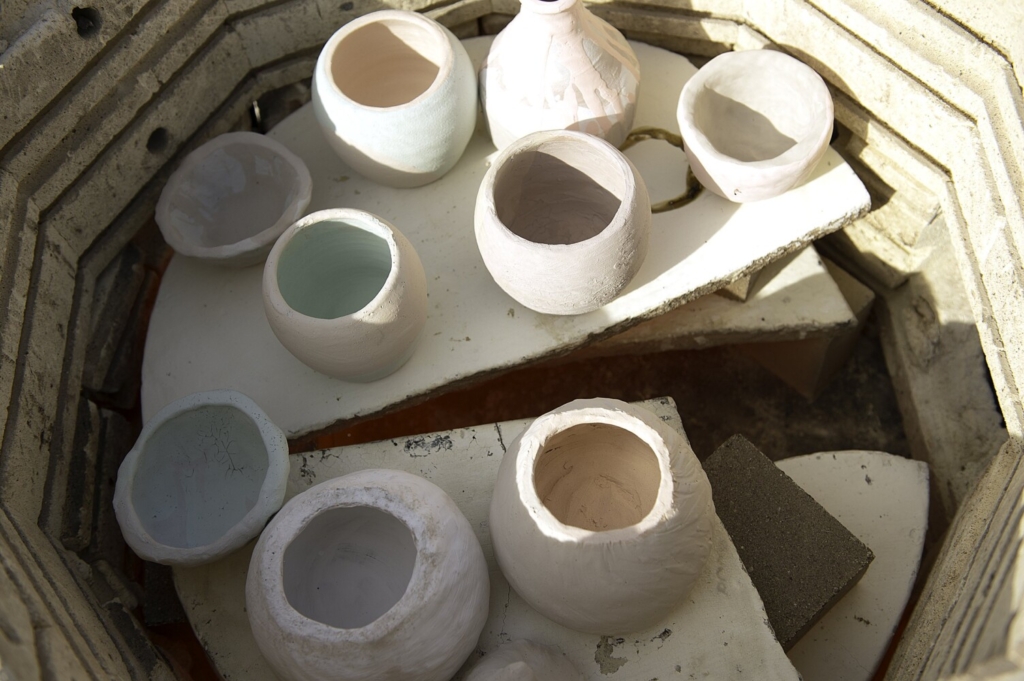
Pottery pieces made by students at Edward Little High School are loaded into the kiln on Saturday. Art teacher Terri Wentzel plans more Raku firings later in the school year for middle school and elementary school student pieces. Daryn Slover/Sun Journal Buy this Photo
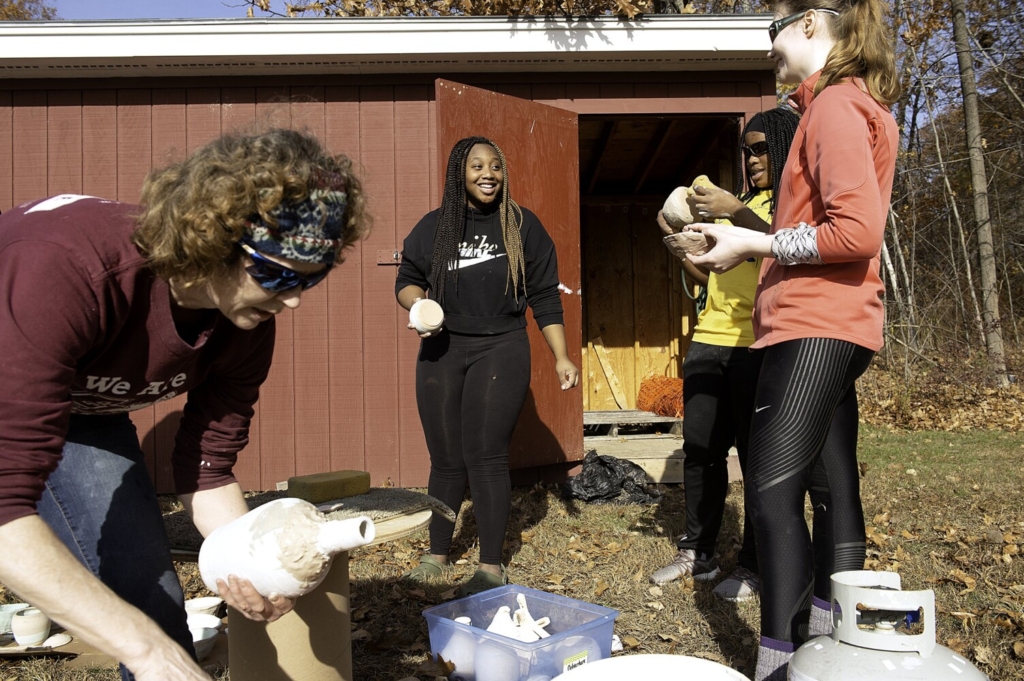
Edward Little High School art teacher Terri Wentzel, left, glazes pottery pieces with Ahyanna Carithers, Princess Monday and Wentzel’s daughter, Sarai Wentzel, at Edward Little High School on Saturday. Daryn Slover/Sun Journal Buy this Photo
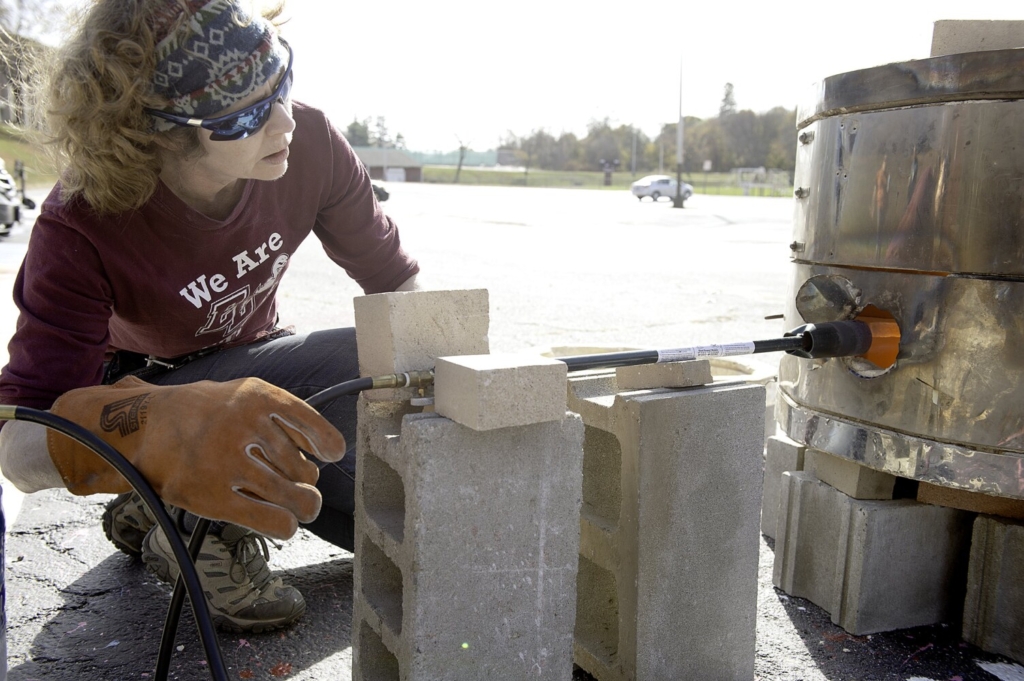
Edward Little High School art teacher Terri Wentzel uses a blow torch to heat the kiln to about 1,600 degrees during the Raku process. Daryn Slover/Sun Journal Buy this Photo
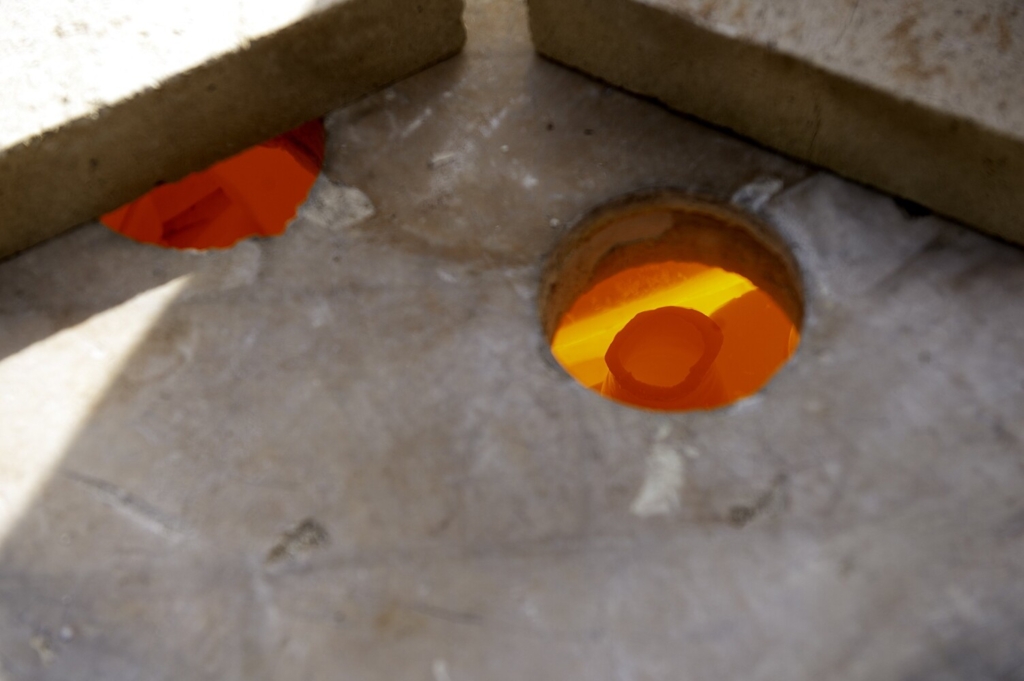
A blow torch is used to heat the kiln to about 1,600 degrees during the Raku process. Daryn Slover/Sun Journal Buy this Photo
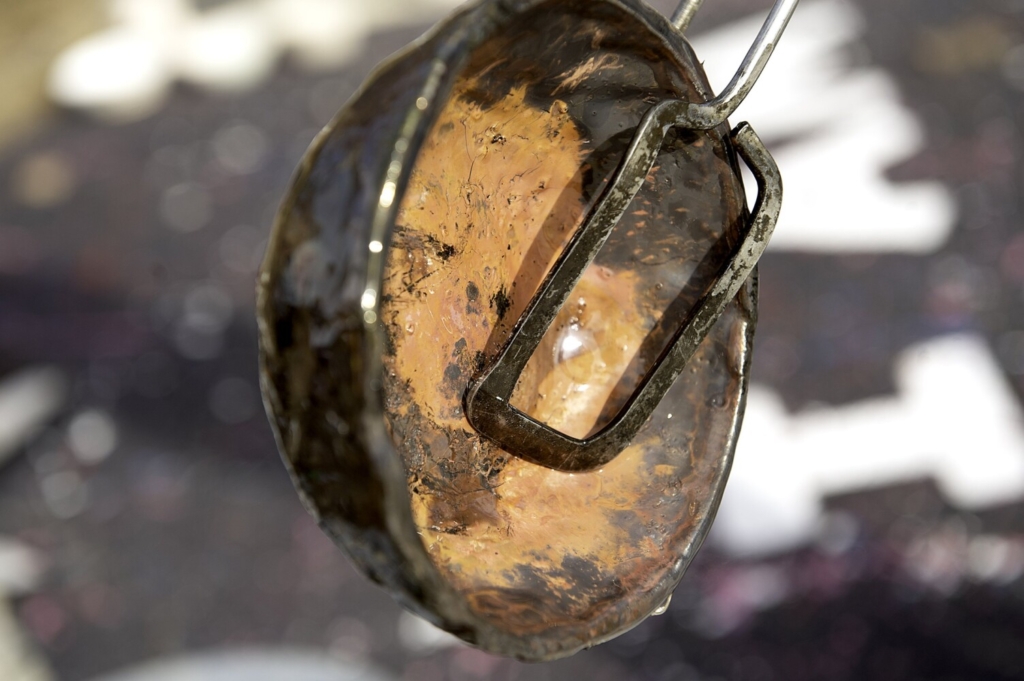
Glazes mixed with bits of metal combined with a fire deprived of oxygen gives Raku pieces of pottery their unique look. “These glazes end up like trails of cheese,” said Edward Little High School art teacher Terri Wentzel. Daryn Slover/Sun Journal Buy this Photo
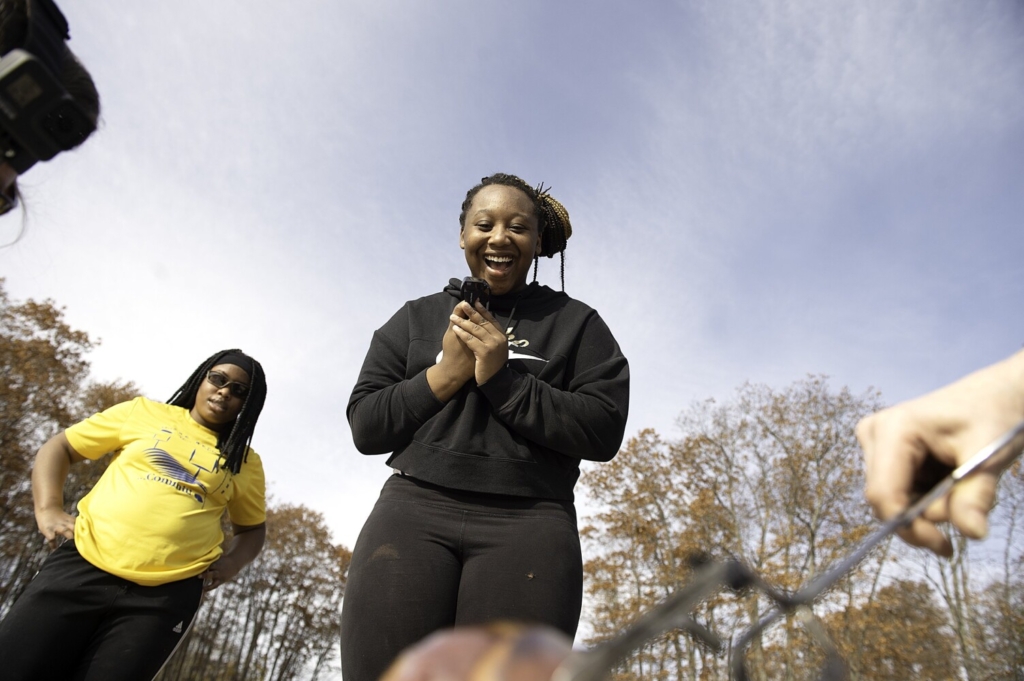
Ahyanna Carithers reacts as she sees how the piece of Raku pottery she made turns out at Edward Little High School on Saturday. Princess Monday is at left. Daryn Slover/Sun Journal Buy this Photo
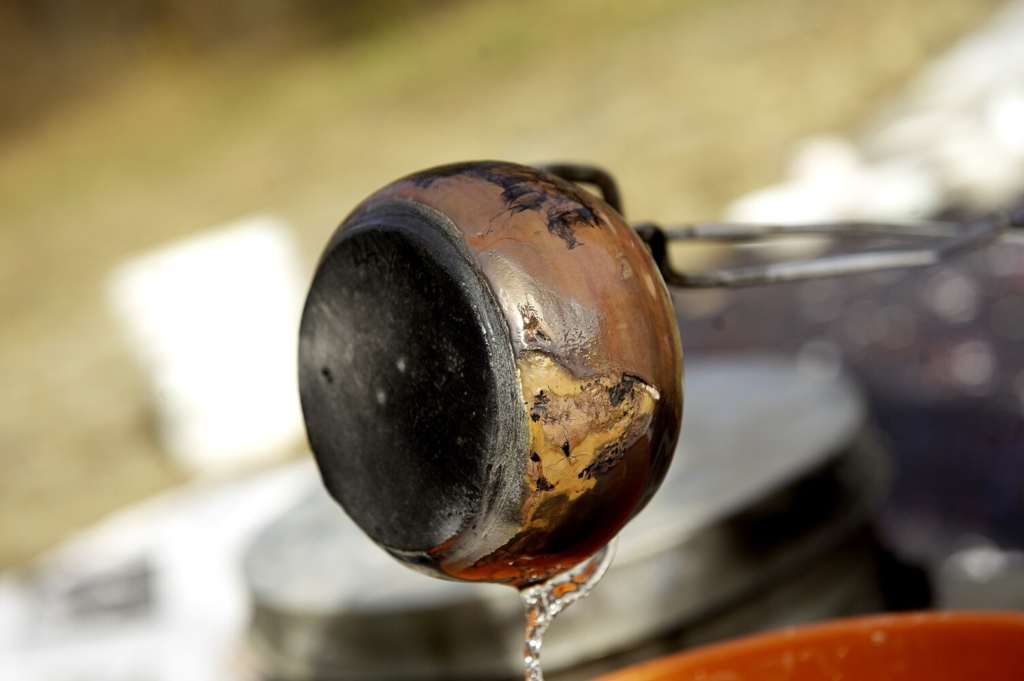
Raku is Japanese for “happiness in the accident,” said Edward Little High School art teacher Terri Wentzel. Daryn Slover/Sun Journal Buy this Photo
Comments are not available on this story.
Send questions/comments to the editors.
