

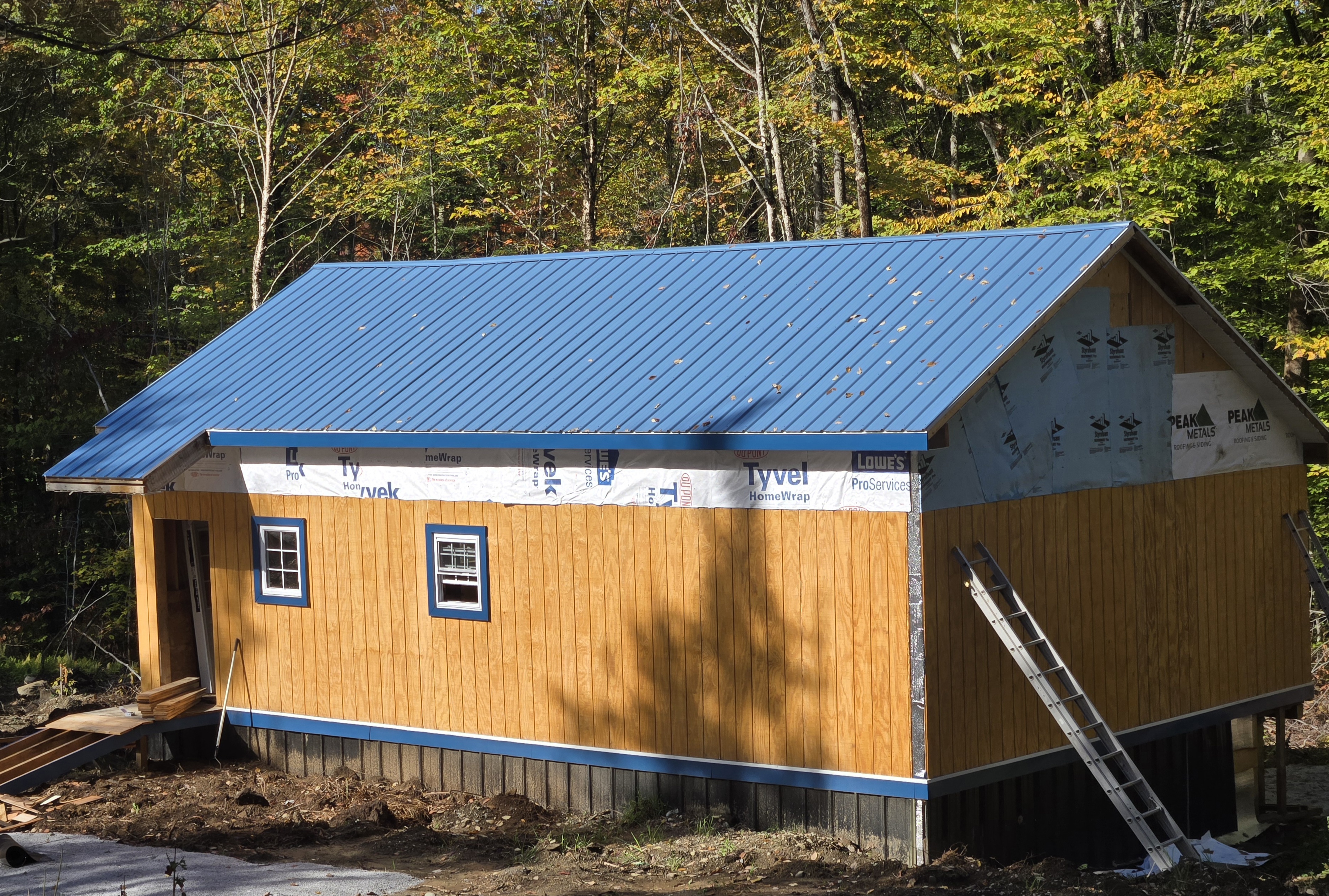
John Wasileski and Matt Teare are trying to build affordable housing in Franklin County. It’s not easy.
The partners, both of Yarmouth, began working with the town of Rangeley in 2024 with the goal of creating a small neighborhood of 18 workforce housing units downtown.
“It is a bit of a process,” Teare wrote in an email. “(It’s) very hard to make the numbers work on anything but high-end housing these days.”
That’s the challenge facing officials as they take aim at a regional housing shortage that has left residents with high living costs, and made it difficult to attract the workers needed to grow the local economy.
Franklin County, population 31,000 or so, needs 1,000 more housing units by 2030, most of it aimed low- and middle-income workers.
That’s part of the statewide goal of 84,000 new homes by 2030 that officials say must be met to fix a longstanding shortage.
It’ll take determination and creativity to get it done.
In the case of Wasileski and Teare, the partners received a 26-year credit enhancement agreement in July 2024 from Rangeley, which equates to $310,181 of support, Teare wrote. The Rangeley Planning Board has approved the project.
The plan is for six duplex homes and six single-family homes with a combination of one-, two- and three-bedroom units. The rents will range from $1,200 to $1,700 a month and the units are required to be leased to folks making 80% of the area’s median income or less.
They are going through the final plans with Maine Housing and expect to complete the project for fall 2026 occupancy, Teare wrote.
There are other workforce housing projects in the early stages in Farmington and Carrabassett Valley areas.
Farmington officials have endorsed the state goal to encourage and promote more affordable, housing, and the town has seen strong growth in new, single-family homes. Between 2000 and 2020, Farmington saw 387 new year-round housing units, an increase of 12.7%, according to U.S. Census information provided by Farmington code enforcement officer Steve Kaiser.
It was the highest number of new housing units in the county for that time. Industry and New Sharon tied for the No. 2 with 112 units each.
Overall, Franklin County increased its housing stock by 1,697 units during that time.
Farmington’s population is projected to grow by as many as 8,143 people by 2040, according to the 2020 Census and the State Government Data Center. Franklin County’s population was 30,902 in 2024.
“While Farmington doesn’t have the large housing shortages seen in the urban areas of Maine, we do need additional units and are fortunate to have had a steady production of new apartments and houses over time – which continues,” Kaiser wrote.
“Workforce housing is a significant local need and an important segment of the overall housing needs in the county and state,” he noted.
Workforce housing is considered market-rate rental units intended for young and middle-aged residents who are fully employed but unable to find available apartments.
It’s being developed in Farmington in part thanks to a good inventory of property for sale that is supplied by public water and sewer and is near goods and services, Kaiser said.
Affordable housing, which is another category of housing, has been a focus of the town for decades, Kaiser noted, and another important segment of Farmington’s ongoing housing needs.
Affordable housing refers to subsidized rental units intended for the elderly and low- to moderate income groups. The town continues to pursue opportunities to add to its stock of these units.
Farmington’s Planning Board approved 37 housing units that are considered workforce housing in September, to be built behind the Mt. Blue Plaza on Wilton Road. It will take shape in the form of three, three-story apartment buildings with 12 rental units in each one, as well as one single-family house.
The Carrabassett Valley and Kingfield area is also seeing a push for more housing that started several years ago.
Western Maine Mountain Housing was established in 2022 to create workforce housing for families and individuals. It was an initiative of the Carrabassett Valley Board of Selectmen, Mark Green, executive director of the housing organization, said.
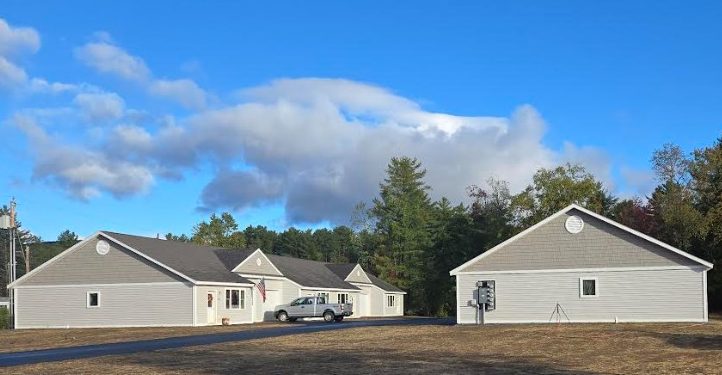
Franklin County commissioners voted in 2022 to give $308,275 in federal grant funds to the Western Maine Mountains Workforce Regional Coalition to help fund housing. The coalition was in the process of working to become a nonprofit to build affordable housing for workers in the Carrabassett Valley, Eustis, Coplin Plantation and Kingfield areas.
The county’s money was to be used as seed money. The four towns committed a total of $253,033.64 in federal American Rescue Plan Act funds to the project, according to the organization’s proposal. Representatives of the coalition said previously that there are jobs available in the area but not enough workers to fill them. One reason they cited was a lack of affordable housing.
The Carrabassett Valley Select Board commissioned a study of the workforce housing in the region in 2020. The study identified the need in 2021 for between 100 and 300 units of year-round housing for employees. It also found a need for between 200 and 300 units of seasonal housing.
With the average home price in Carrabassett Valley in 2025 at over $600,000 and few rental options, there are nearly no opportunities for the people who work in its public services and businesses to make a life in the region, Green wrote in a 2025 Community Connections article.
Western Maine Mountain Housing has pursued a number of leads but have learned that “land that is affordable, buildable, ‘for sale’ and zoned appropriately is difficult to find,” he wrote.
The group connected with a large landowner in Carrabassett Valley who is willing to donate 20 acres to the organization on Bigelow Hill, Green wrote. Organizers are in the process of finalizing a purchase and sale agreement with the owner.
In the preliminary work, it was revealed that there is sewer available to the site, which means the Western Maine Mountain Housing could build 40-plus units of housing with a mix of single- and multi-family units. It will take a zoning change to build the property.
They are working with the Carrabassett Valley Select Board and Planning Board to make the change, Green wrote.

We invite you to add your comments. We encourage a thoughtful exchange of ideas and information on this website. By joining the conversation, you are agreeing to our commenting policy and terms of use. More information is found on our FAQs. You can update your screen name on the member's center.
Comments are managed by our staff during regular business hours Monday through Friday as well as limited hours on Saturday and Sunday. Comments held for moderation outside of those hours may take longer to approve.
Join the Conversation
Please sign into your Sun Journal account to participate in conversations below. If you do not have an account, you can register or subscribe. Questions? Please see our FAQs.