

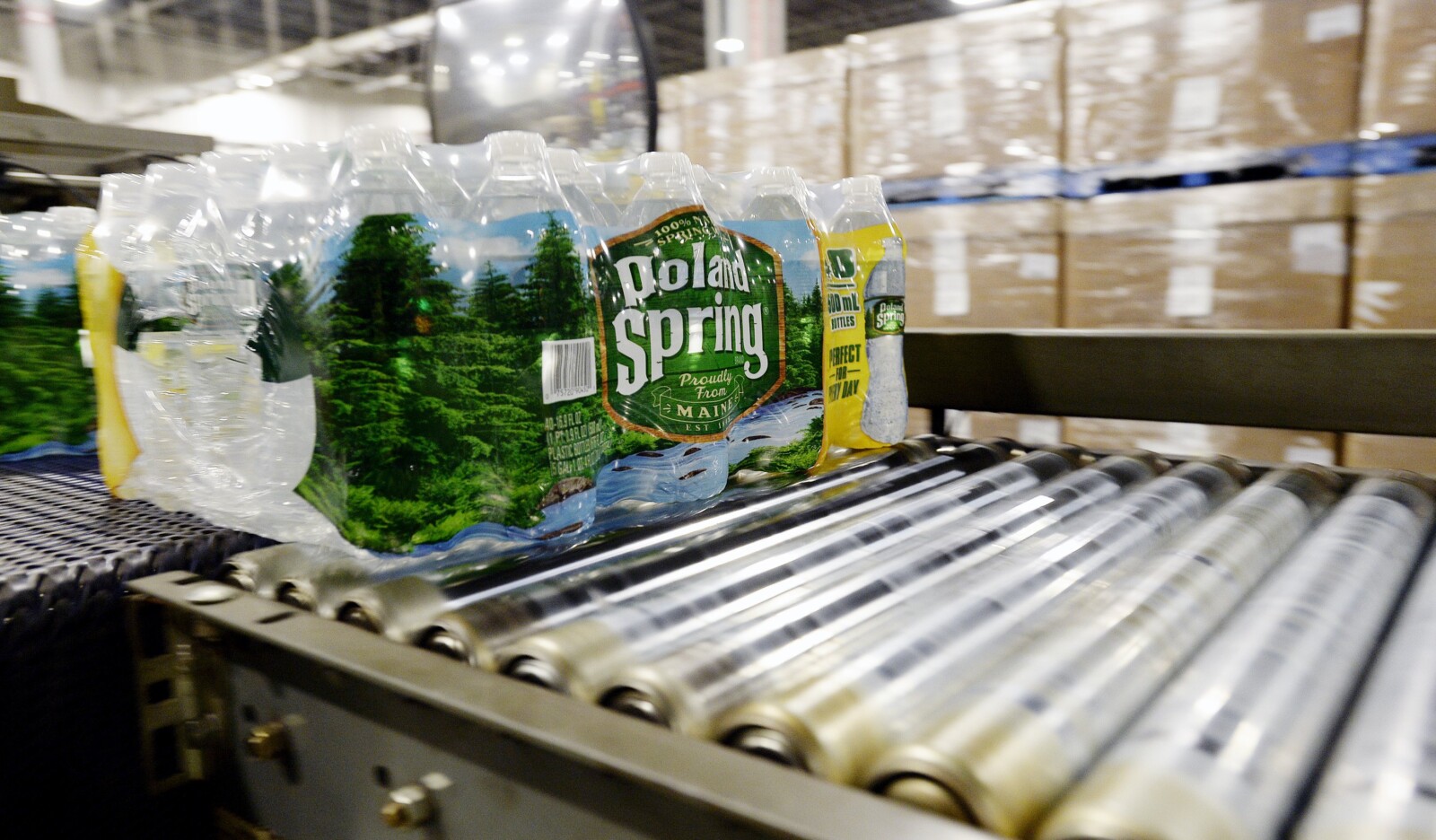
Poland Spring is scaling back withdrawals at multiple sites this summer as a result of falling groundwater levels.
The company said the reductions were voluntary and intended to ensure its pumping remains sustainable.
Poland Spring spokesperson Ted Varipatis said the company monitors drought conditions daily and adjusts water collection from its network of springs. Using National Weather Service and drought forecast tools, the company determined beginning Sept. 1 that there would be a significant reduction at sites, Varipatis said, including Clear Spring in Hollis and Evergreen Spring in Fryeburg.
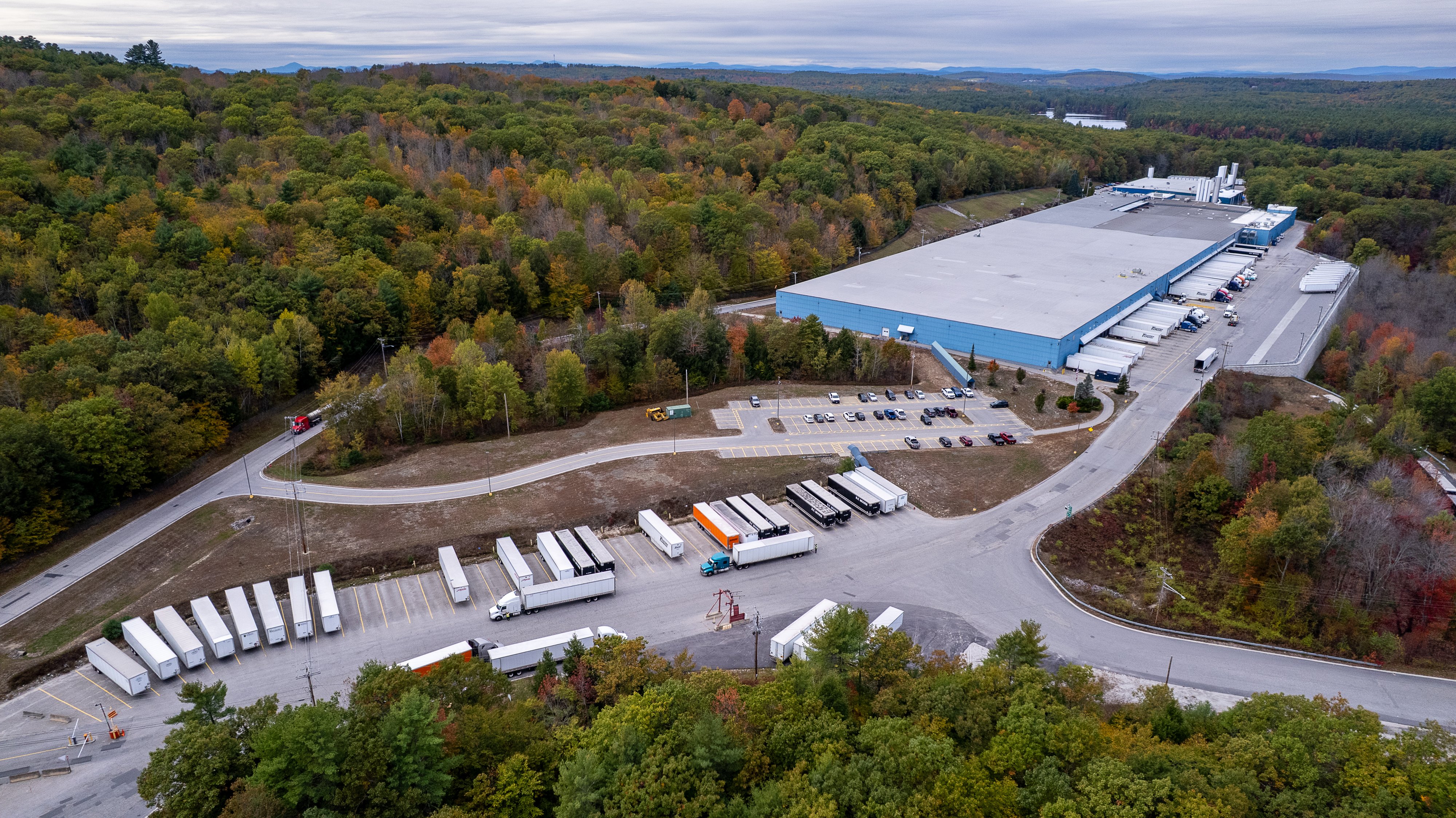
The company has taken similar measures in the past, reducing withdrawals at its Kingfield site in January, though the reduction amount was not disclosed.
Poland Spring scaled back pumping in Denmark in 2024, which shares the same aquifer as Fryeburg, reducing withdrawals during low-flow periods to protect groundwater levels, according to the Maine Monitor. Voters passed a local ordinance restricting large-scale water extraction to safeguard local groundwater.
After pushback from Hollis residents in 2022, the company withdrew a request which would have doubled withdrawals there from 30 million to 60 million gallons per year.
Maine Department of Environmental Protection spokesperson David Madore said his department did not ask Poland Spring to reduce withdrawals because groundwater and surface water “action levels,” as established through permit conditions, have not been reached.
“Poland Spring notified the department that they are voluntarily reducing production in Kingfield, Hollis and Fryeburg as a precautionary measure, to help ensure action levels are not reached,” Madore said.
The company said local field teams are always evaluating water levels and working with Maine DEP officials to avoid drawing down shared aquifers.
Varipatis said the company will continue reporting data publicly, working with local leaders and Maine Emergency Management and supplying bottled water to affected areas.
Poland Spring’s cutback comes as Maine experiences moderate drought with nearly a third of the state, ranging from Oxford to Washington counties, experiencing extreme drought, according to the U.S. Drought Monitor’s classification. Some 42% of the state is categorized as being in a severe drought. Groundwater tables across southern and western Maine have dropped sharply, prompting hundreds of homeowners to report dry or failing wells.
According to Maine Geological Survey data, there are currently 393 wells reported dry, up from 364 wells in early October. A week before that, there were 303 dry wells reported. Nearly a quarter of reports come from Oxford County, one of Poland Spring’s core source regions.
Ryan Gordon, Maine’s state geologist, said recently that there has been a “clear uptick” in calls from homeowners whose wells have suddenly run dry.
“Out of 16 USGS monitoring wells in Maine, six are currently within the lowest 10% of recorded October values,” Gordon said Tuesday. “Maine has had worse droughts, but this one is intense.”
While Gordon cautioned against refilling dry wells with hauled water, a short-term fix that can contaminate or damage a well system, farmers have had no choice.
A water district in South Berwick declared a water emergency in August, banning outdoor watering and asking residents to cut their water consumption. Response led to a roughly 10% reduction at around 34,000 gallons a day.
Madore said large-scale withdrawals are not causing an increase in reported dry private wells because “permitting standards ensure that groundwater extraction operations will not result in adverse effects.” That includes waters of the state and water drawn from private wells, he said.
“During drought periods, DEP usually receives more complaints about dry wells, and this drought has been no exception,” Madore said.
Environmental officials said in early October that Maine would need an extra 6-12 inches of rain ahead of winter to recharge groundwater before the ground freezes. Otherwise, low levels may persist into spring. Drought impacts on groundwater often lag behind rainfall, which means even heavy rains arriving later this fall could mean recovery would take months.
“Once the water table drops, it doesn’t bounce back overnight,” Gordon said. “Groundwater recharge takes time.”
Meanwhile, Poland Spring said it will continue to adjust operations based on monitoring data.
“Responsible management of our spring water sources is central to the long-term sustainability of our springs and our operations in the communities we serve,” Varipatis said.
Poland Spring, founded in Maine more than a century ago, is owned by Tampa, Florida-based Primo Brands, but the water is still sourced from numerous locations in western Maine, according to the company.
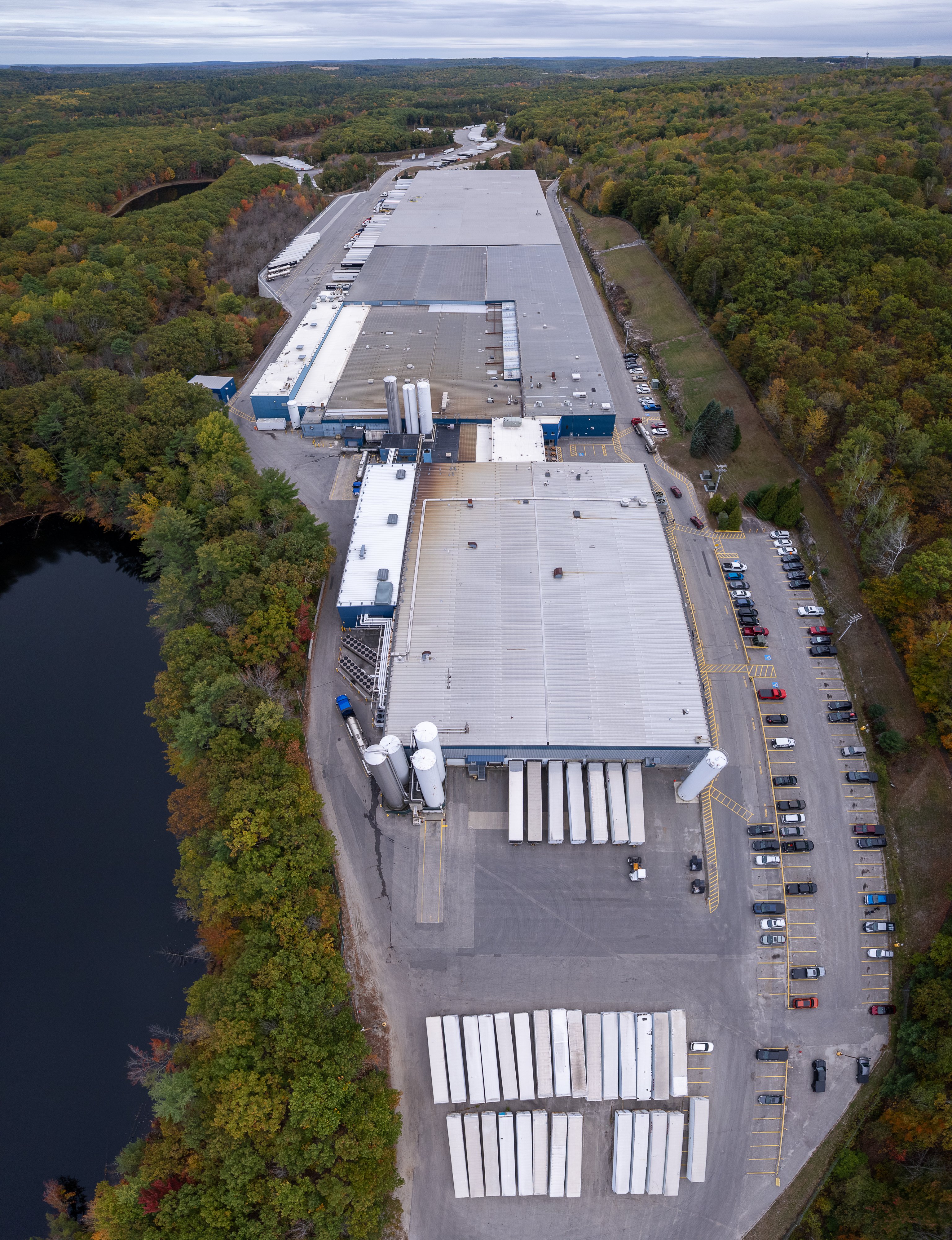
The company employs hundreds of workers at bottling plants in Poland, Hollis and Kingfield.

Supporting Sponsor for Franklin Journal, Livermore Falls Advertiser, Rangeley Highlander and Rumford Falls Times.
Keeping communities informed by supporting local news. franklinsavings.bank

We invite you to add your comments. We encourage a thoughtful exchange of ideas and information on this website. By joining the conversation, you are agreeing to our commenting policy and terms of use. More information is found on our FAQs. You can update your screen name on the member's center.
Comments are managed by our staff during regular business hours Monday through Friday as well as limited hours on Saturday and Sunday. Comments held for moderation outside of those hours may take longer to approve.
Join the Conversation
Please sign into your Sun Journal account to participate in conversations below. If you do not have an account, you can register or subscribe. Questions? Please see our FAQs.