

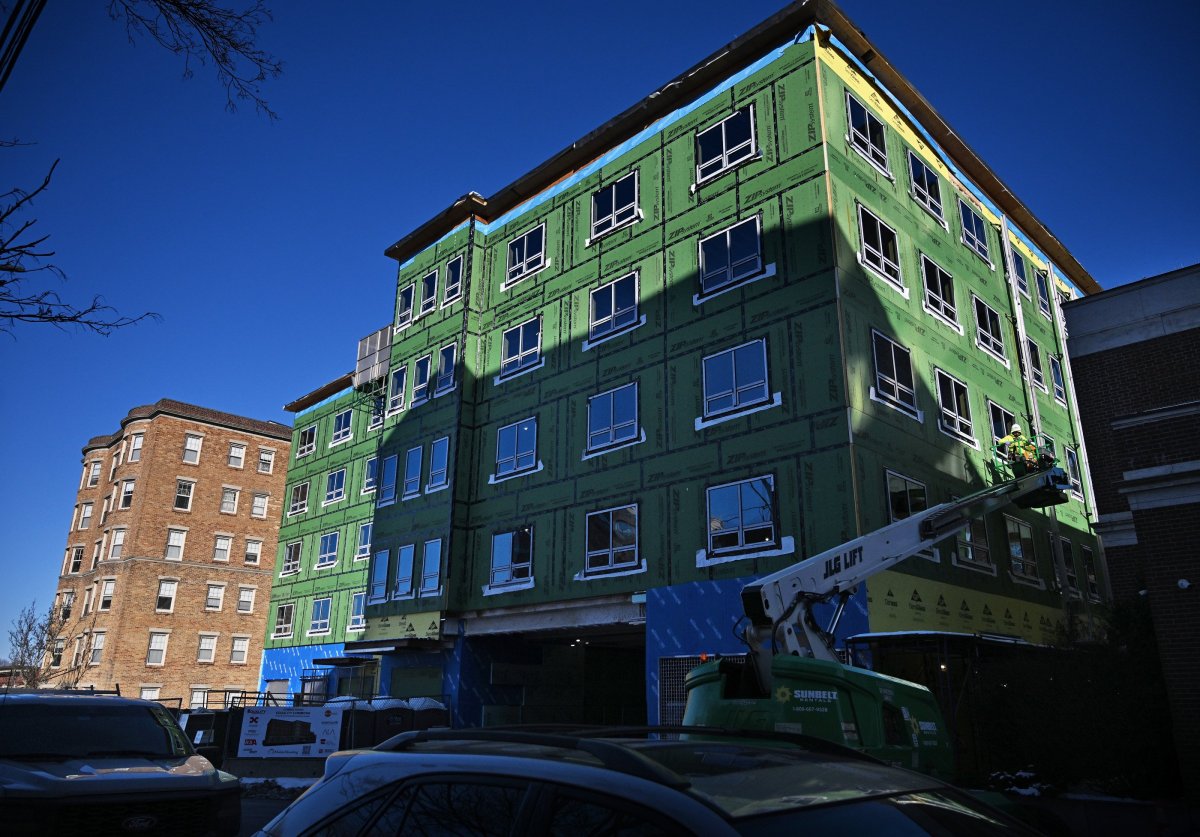
Maine is likely lagging behind its housing production goals for 2025, but because the state doesn’t yet have consistent data or a system in place for gathering it, how far behind remains a mystery.
A much-publicized 2023 state report estimated that Maine was short by about 84,000 homes and would need to increase its housing stock by 11% by 2030 in order to alleviate the existing crisis and make room for all the people needed to bolster the declining workforce.
For 2025, the goal was to add 6,900 new homes, with incrementally larger goals for each year through 2030.
So how close is the state to this year’s goal? It’s hard to say.
Right now, Maine can only track housing production through U.S. census data, which is voluntarily reported and doesn’t distinguish which towns submitted information.
A law passed last year aims to fix that. Starting next month, municipalities with more than 4,000 residents are required to report a host of housing data, including building permits, demolitions and certificates of occupancy, as well as the affordability of the units that are approved.
“You can’t manage what you don’t measure,” said Rep. Traci Gere, D-Kennebunkport, who sponsored the legislation. “So the purpose of that bill is to establish that process and have that data come in annually so that we can see how we’re tracking against the overall goals that we’ve set.”
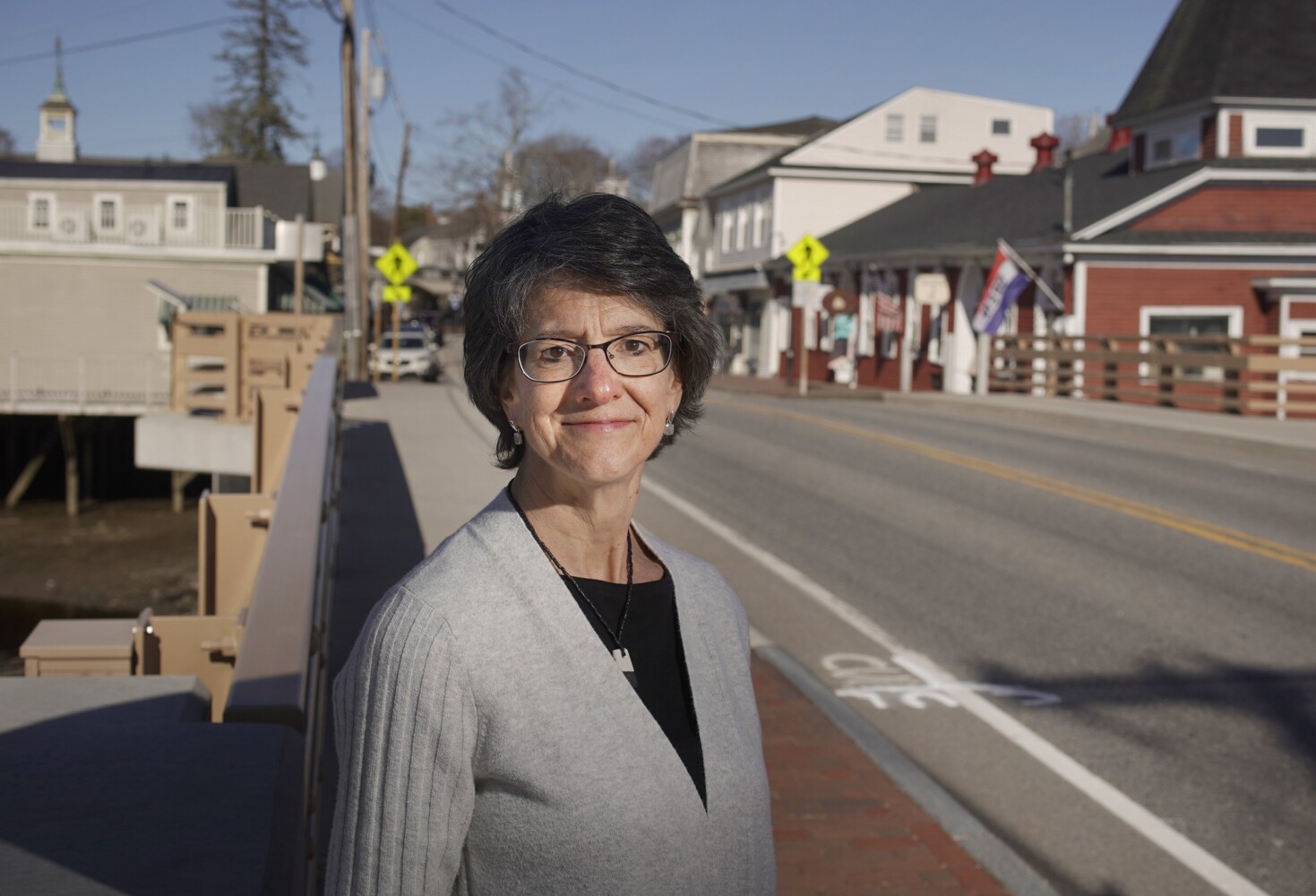
Hilary Gove, housing opportunity program coordinator for the newly created Maine Office of Community Affairs, said the state is “doing a trial run” to collect 2025 numbers, “with the caveat that this is the first year we’re trying to collect statewide data,” so there may be some hiccups.
She expects more complete data will be available the following year.
A ‘LOFTY GOAL’
Even when that data is compiled, though, there will be gaps.
Slightly more than one-third of Maine’s population lives in towns with fewer than 4,000 residents, according to Rick Harbison, senior planner and data manager for the Greater Portland Council of Governments, a Cumberland County organization that will manage data collection for the state.
GPCOG plans to request data from all municipalities, not just the bigger towns and cities that are required to report.
It won’t be perfect.
There’s no centralized computer system that tracks building permit data and all municipalities collect data differently.
GPCOG will have to compile the data and fill in gaps with census figures to turn it into “something coherent,” said Kristina Egan, GPCOG’s executive director.
“It takes a little bit of time, but then we’ll have a clear understanding of how we’re doing against those goals,” she said.
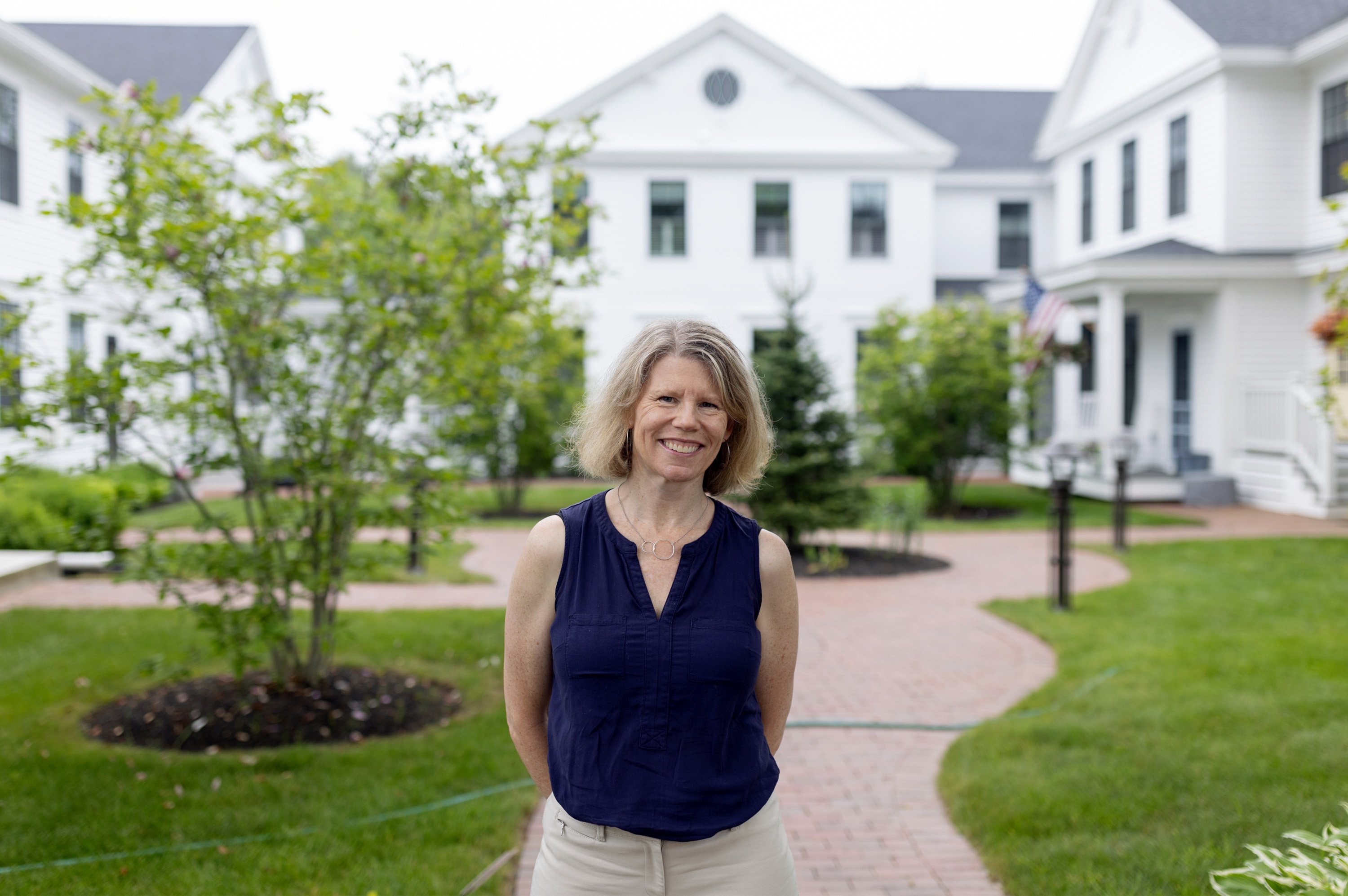
The organization hopes to have 2025 data sometime in the spring.
Egan did say meeting the goal for 2025 was unlikely, though early census data shows a slight uptick in production in the first eight months of the year compared to the same period last year.
Gove, at the state office, didn’t say definitively that Maine was unlikely to meet the targets but acknowledged that creating 84,000 new homes is daunting.
“It’s a very lofty goal,” she said. “But each year, if we can keep increasing housing production across the board, that would be fantastic.”
IMPERFECT DATA
GPCOG is primarily seeking building permit data, since it’s an apples-to-apples comparison with what the census tracks and it’s a more accessible number for Maine municipalities, many of which don’t track certificates of occupancy.
But building permits won’t tell the whole story.
For example, based on permits alone, Portland has had a record-setting year, with 1,321 units approved, according to the city’s housing dashboard. But the completed units paint a different picture, with only 159 units opening in 2025. That’s a 1,162-unit difference and represents just 60% of Cumberland County’s 2025 goal.
And while there’s a natural lag between approvals and completions — construction and financing can take a few years, for example — there’s no guarantee that all the units that are approved will be built.
In Portland, in fact, it’s unlikely.
Earlier this year, the city planning board approved Redfern Properties’ plans for 325 apartments at 165 Washington Ave.
But Jonathan Culley, the development company’s managing partner, said later that unless the current regulatory environment (and the city’s inclusionary zoning requirement) changes, that project won’t materialize anytime soon.

A more complete measure to track the state’s progress in adding 84,000 new homes by 2030 would be tallying certificates of occupancy and factoring in demolition of older homes, which officials hope to gather as well.
“We have to do the best with (the tools) we have, and building permits seems to be the one that everyone collects in a relatively consistent way,” Harbison said.
Once data is analyzed, Gove said the county-specific targets could be adjusted.
For the most part, most units that are permitted in Maine are built, Egan said, but in urban areas like Portland, there’s less predictability.
“The factors that determine whether housing is going to be built are many, Egan said, listing off ballooning construction costs, high interest rates and a contractor shortage. “I’m not sure whether we will be exceeding those goals unless some of those trends reverse themselves.”
Still, Egan said she has been encouraged by how many communities seem to understand the need for housing and welcome development.
‘WE HAVE TO GET THERE’
Notably, it will be hardest to track progress in the areas that need to increase their housing production the most — Aroostook and Washington counties have goals to boost production by 30% this year.
In Aroostook County, that means increasing from 90 building permits to 120, and in Washington County, from 150 to 190. By 2030, the two counties are expected to be pushing out 390 and 840 building permits a year, respectively.
But actually measuring that could be challenging. Only three municipalities in Aroostook County (Presque Isle, Caribou and Houlton) are large enough to trigger the reporting requirements in Gere’s bill. Washington County doesn’t have any towns with more than 4,000 residents.
Gove is hopeful that some towns and cities will voluntarily report their data, noting that state officials are working each of Maine’s 10 regional councils, including GPCOG, to help encourage more compliance.
A 2024 and 2025 pilot among GPCOG’s 25 member communities returned data from 22, she said.
“I think municipalities understand that this data can be useful for their own needs,” Gove said, either for planning or general discussions around housing.
But for some local governments run by a skeleton crew, it’s not a lack of interest that could prevent participation.
“When you’re looking at the smaller communities, it comes down to the capacity to pick up that piece of paper when you’re one person doing the clerk, the registrations and titles (duties),” said Kristen Henry, Madawaska’s economic and community development director and a former project manager for the Northern Maine Development Commission.
Henry has been encouraged by the willingness in the two northern Maine counties to welcome development, but said growth needs to be intentional.
“We need to take control. We need to figure out what we need,” she said. “I can pop up 40 tiny homes and say we did our part, but that’s not bringing people into our community.”
There’s no fee or sanctions if the state falls short of its housing goals.
“We just won’t have enough people to serve our economy,” Egan said. “It has to happen. We have to get there.”

We invite you to add your comments. We encourage a thoughtful exchange of ideas and information on this website. By joining the conversation, you are agreeing to our commenting policy and terms of use. More information is found on our FAQs. You can modify your screen name here.
Comments are managed by our staff during regular business hours Monday through Friday as well as limited hours on Saturday and Sunday. Comments held for moderation outside of those hours may take longer to approve.
Join the Conversation
Please sign into your Sun Journal account to participate in conversations below. If you do not have an account, you can register or subscribe. Questions? Please see our FAQs.