


LEWISTON — As Lewiston public schools prepare for an anticipated increase in enrollment, community members brainstormed ideas for the future of two of the district’s buildings at a public forum Thursday night.
The forum, hosted by Superintendent Jake Langlais and Harriman, an architecture firm, walked community members through scenarios of what could occupy the Dingley Building at 36 Oak St. and a second building at 287 Main St. at the corner of Sabattus Street.
The administrative staff has outgrown the Dingley Building. At the same time, several of the Lewiston school buildings are at or nearing capacity.
The department has Montello Elementary School at 207 East Ave. and Lewiston Middle School at 75 Central Ave. on the state’s priority list for construction funding, but the needs are too dire to wait, officials say. Construction for a new building could take up to five years minimum and cost around $100 million, the architecture firm said.
“I’m not trying to prescribe an idea for the community on what this must be,” Langlais said. “I think the community should be invested.”
THE BUILDINGS
The Dingley Building has three floors and 26,778 square feet and houses some of the administrative staff.
The building at 287 Main St. is four stories and 47,760 square feet. It is empty, but maintained by the school district, which purchased the property in 2024.
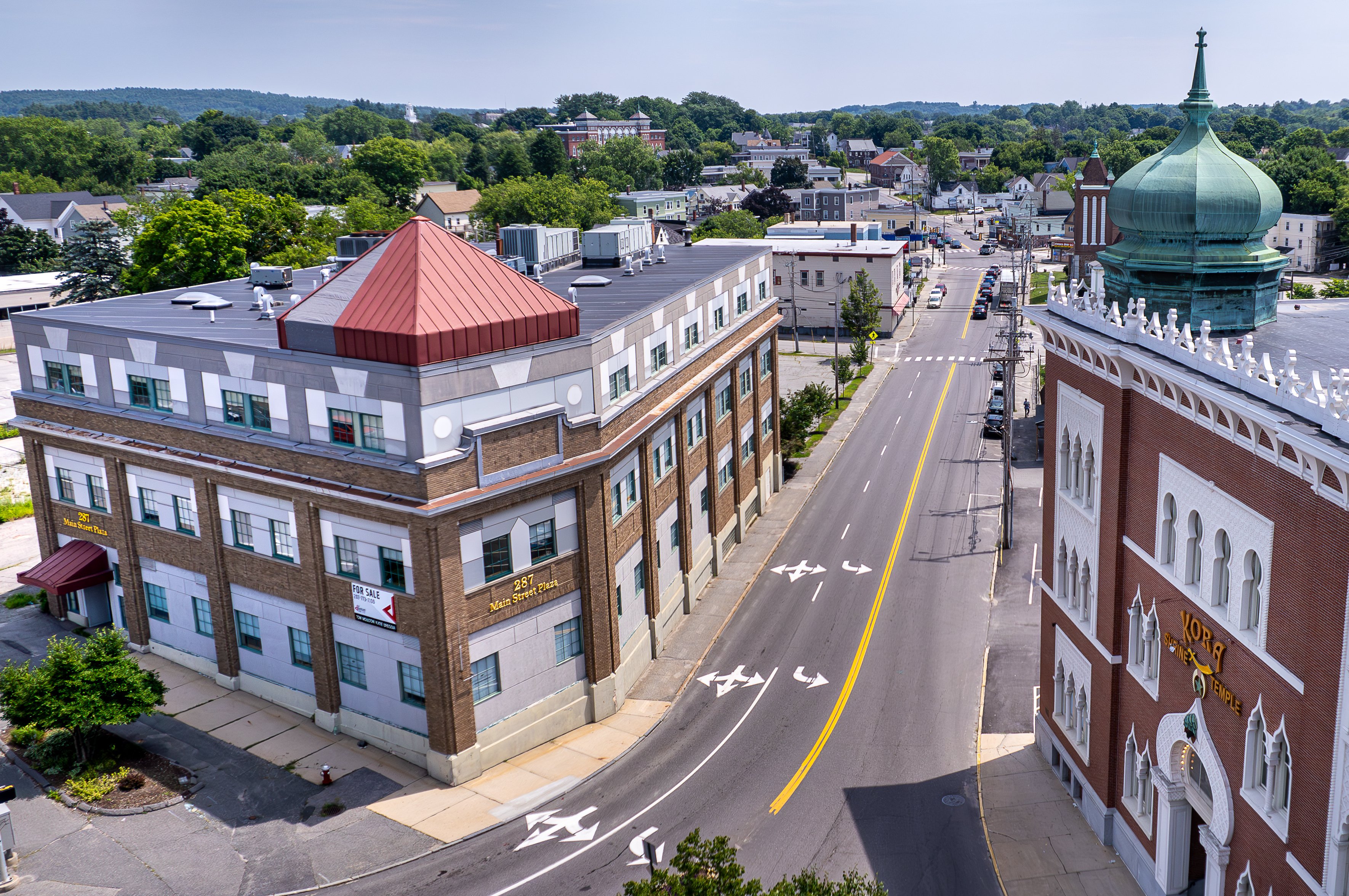
The architects detailed the renovations needed to bring each building up to code, which for both consisted of new fire alarm systems and structural changes to comply with the Americans with Disabilities Act. Other factors considered are the number of parking spaces, space for buses to drop students off, and room for outdoor play.
About 20 members of the community came with questions and solutions for the two buildings. The superintendent also offered suggestions.
One suggestion was to move students into 287 Main St.
If students occupied all four floors, it could serve 320 elementary students, 280 middle school students or 250 high school students.
If staff were moved to the building, administration would take up 66% of the space, leaving room for 160 elementary students, 140 middle school students or 125 high school students.
In other scenarios, the entire administrative staff could move to the Dingley Building, or perhaps the Special Education Department, which keeps high-needs students within the district and avoids out-of-district placements that can cost up to $150,000 per student, Langlais said.
However, 287 Main St. does not have a kitchen, gym or other facilities needed in a school.
Melissa Hoskins, a member of the city Finance Committee, applauded the special education program and said she would rather keep the students in a mainstream setting at Thomas J. McMahon Elementary.
“I know fiscally it makes sense, but compassionately?” she asked.
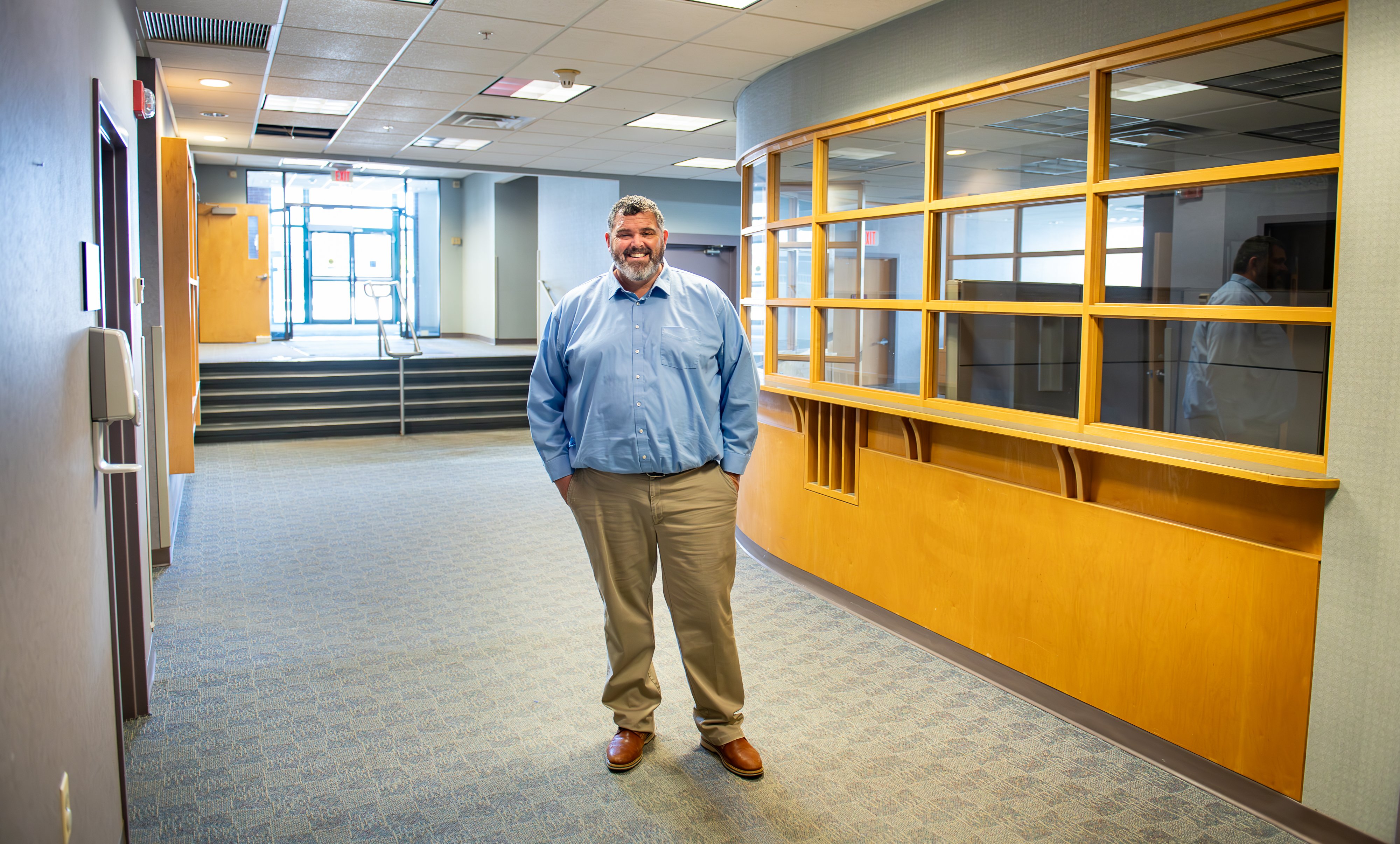
She, along with other members of the public suggested purchasing other vacant buildings in the area. Langlais explained there are a lot of factors at play when buying a building for school-related purposes, like whether there is a restaurant that serves alcohol nearby.
One resident, who works in the Special Education Department, said he’d like his tax dollars to go toward renovating buildings for students rather than more space for administrators.
“I would be willing to pay extra to get those (vacant buildings) renovated for additional school space, but I would have a problem to build new, or for administrative offices,” he said.
GROWING ENROLLMENT
Lewiston schools are expected to grow over the next seven years, Langlais said.
With several apartment buildings in the works across the city and state law requiring public schools to implement Child Development Services for students ages 3 and 4 with high needs, the district could be responsible for hundreds of additional students.
Enrollment in the district hit 6,000 in the 2024-25 academic year. A number of schools, including Farwell Elementary School at 84 Farwell St., the middle school, and the high school at 156 East Ave., are at or near capacity.
Plus, Langlais said, school space doesn’t go as far as it used to.
“People will say, ‘When I was in high school, we used to have 2,000 kids,’” Langlais said. “Sure, but the schools didn’t have the same services, like special education, or the electives that colleges want. The pathways are different.”

We invite you to add your comments. We encourage a thoughtful exchange of ideas and information on this website. By joining the conversation, you are agreeing to our commenting policy and terms of use. More information is found on our FAQs. You can update your screen name on the member's center.
Comments are managed by our staff during regular business hours Monday through Friday as well as limited hours on Saturday and Sunday. Comments held for moderation outside of those hours may take longer to approve.
Join the Conversation
Please sign into your Sun Journal account to participate in conversations below. If you do not have an account, you can register or subscribe. Questions? Please see our FAQs.