


The University of Maine athletic department is at a crossroads. Adapt or get pushed aside in an ever-changing Division I landscape. To the credit of athletic director Jude Killy and the rest of the department’s leadership, the Black Bears are choosing to adapt.
In a press release issued Friday, as well as an op-ed column published by the Bangor Daily News, Killy announced the University of Maine is moving forward with direct payment to some student-athletes. The money for this isn’t coming from tuition dollars or state funding, Killy wrote. The athletic department is fundraising through fan and alumni support, as well as reaching out to corporate sponsors.
Fans can visit the Black Bear Student Athlete Experience Fund website and make a donation earmarked to the team of their choice.
“As the college sports landscape rapidly evolves, UMaine is committed to securing new private and philanthropic funding that enables us to creatively and compliantly support our talented student-athletes and ensure Maine’s leadership and excellence in an increasingly competitive Division I landscape,” Killy said in the school’s release.
It’s a good move, and the right move, but it doesn’t come without questions. Killy was unavailable for comment Friday, and plans to address questions Monday afternoon.
The first question is, what changed?
The shift to direct payment to some student-athletes is a 180-degree change from what Killy described last year, when he talked about how the university planned to adapt to the new rules governing college athletics. Then, Killy said the university was assessing the process and how it would work at Maine. At the time, there were no plans for direct payment to student-athletes.
With just a couple months left in the academic year, and after a completion of fall and winter sports seasons, it’s apparent the assessment was this: pay student-athletes or get left behind.
Since the transfer portal became a thing eight years ago, allowing student-athletes to move on to a new school without sitting out a season as was required in the past, it’s more often been a train out of Orono rather than in. Particularly in football and men’s basketball. Maine doesn’t want to be a proving ground for athletes who then move on to a school with deeper pockets.
One example is Sincere Baines. Baines had a good season at running back for the Black Bears last fall after transferring in from Division II UNC Pembroke, is now on the roster at Western Kentucky.
Direct payments to student-athletes can help the men’s and women’s ice hockey teams stay competitive at the national level. On the men’s side, the addition of players from the major junior leagues made the recruiting pool deeper, but also more competitive for top players.
To help offset an $18 million budget shortfall, the University of Maine announced it will make budget cuts, staff reductions and increase tuition. With every department, including athletics, asked to make cuts, coming up with money to pay students is certainly going to raise eyebrows, no matter where those funds come from. It needs to be made clear, over and over, the funds for this endeavor do not come from tuition or state funding, then made clear again.
In recent years, the University of Maine has made the commitment to be the state’s only Division I program. We see it in the new and refurbished facilities on the Orono campus. At one point, that was enough to attract and keep the top student-athletes. It’s not anymore.
The University of Maine will never have the resources to offer the same enticements as schools in the power conferences, but it doesn’t have to in order to be competitive at the conference level in most sports. That said, it has to do something to keep the recruits it does attract to Orono, and give potential student-athletes one more thing to consider when choosing a school. Give the administration credit for recognizing this.
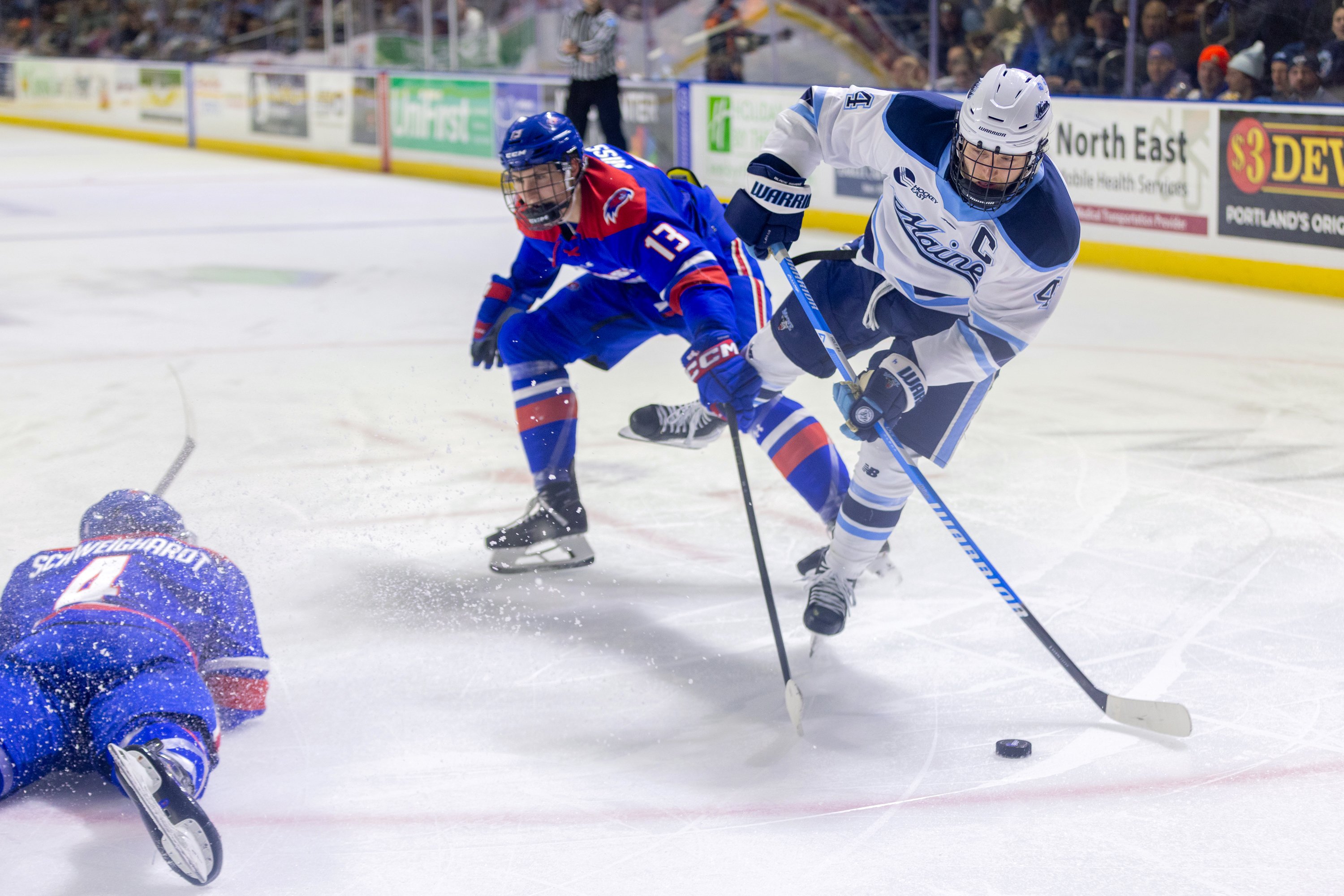
Last fall, men’s hockey captain Brandon Holt expressed concern about the future of college sports. If some players are paid and some are not, and if some are paid a lot more than others, it can create animosity between teammates. Not the best environment for building team-first chemistry and culture. Holt said he was glad that when those problems came to Orono, he’d be long gone.
How to keep team morale and culture from becoming a teetering house of cards is an experiment playing out in real time on campuses across the country. Add Maine to the list. Holt’s season ended March 13 with a loss to Boston College in the Hockey East tournament. Turns out he missed it by a week.

We invite you to add your comments. We encourage a thoughtful exchange of ideas and information on this website. By joining the conversation, you are agreeing to our commenting policy and terms of use. More information is found on our FAQs. You can update your screen name on the member's center.
Comments are managed by our staff during regular business hours Monday through Friday as well as limited hours on Saturday and Sunday. Comments held for moderation outside of those hours may take longer to approve.
Join the Conversation
Please sign into your Sun Journal account to participate in conversations below. If you do not have an account, you can register or subscribe. Questions? Please see our FAQs.