


When it comes to comprehensive plans, Androscoggin Valley Council of Governments Land Use Planner Erica Bufkins’s message is that whatever the cost or time, it’s worth it to have a strategy for planning the future of Maine’s towns.
Bufkins has met with area towns who are in various stages of updating their comprehensive plans. Newry and Woodstock have committed, she said, and Bethel and Greenwood are still deciding.
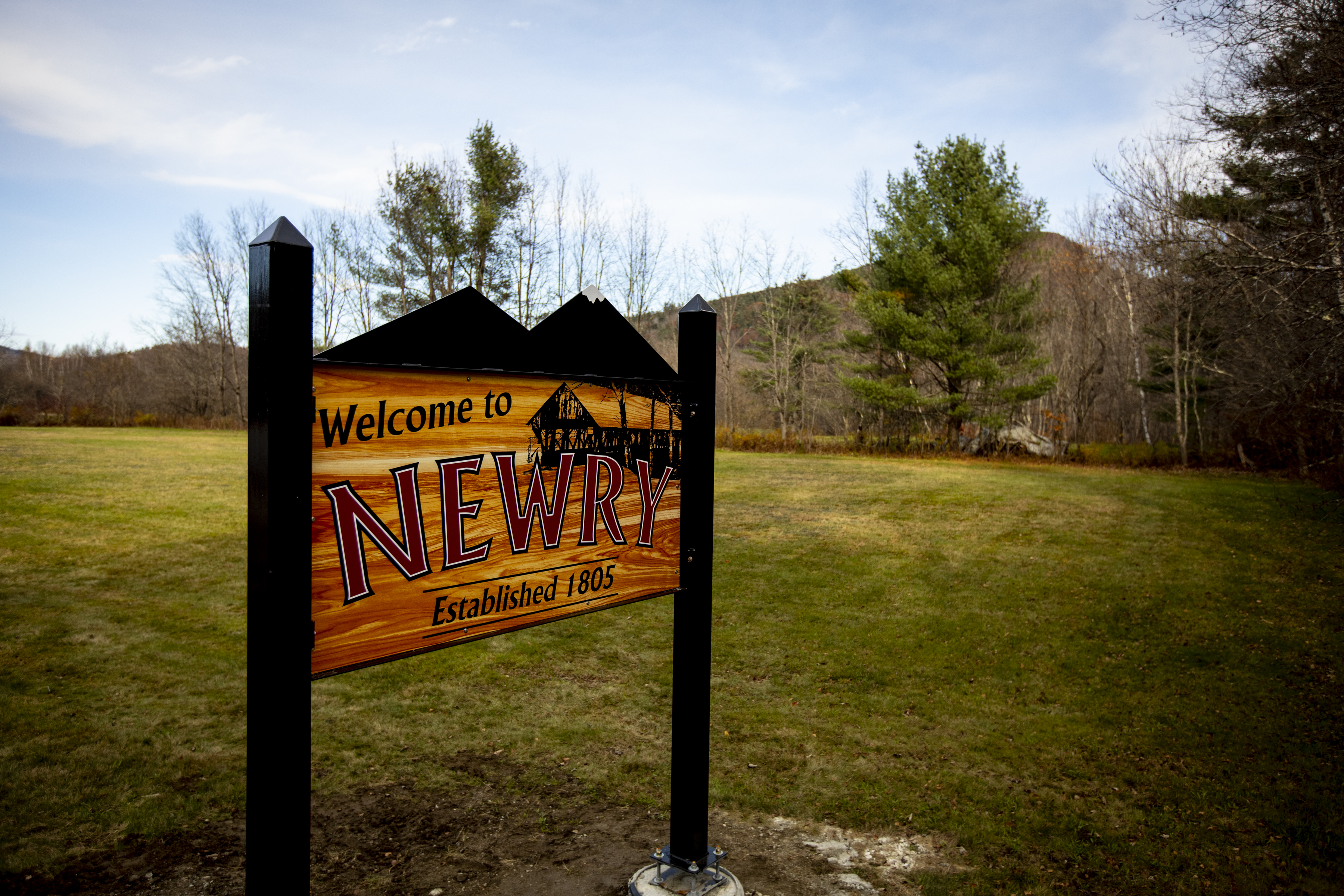
In Newry, 425 residents and property owners are responding to a postcard survey with a QR code. In Woodstock, four citizens have volunteered to be on the Planning Committee.
It was 1998 when Bethel last filed a comprehensive plan. Greenwood filed its last plan March 29, 2003.
We asked Bufkins some questions about the process and the possible benefits to having an up-to-date comprehensive plan.
How do you start the comprehensive plan process? What are the broad questions and goals?
To start the comprehensive plan process, you should first create a comprehensive plan committee comprised of nine to 11 members who are appointed by the Select Board. The planning committee should reflect the community as a whole — its different geographic areas, population characteristics, and different interests and points of view.
The comprehensive plan provides the framework for future growth by serving as the basis for land use ordinances and local decision making. It articulates and commits to a clear vision for the future by defining implementation strategies to achieve community goals. The vision statement and the future land use plan are the heart of the comprehensive plan, as they define and illustrate what the community would like to see over the next 10 years.
The topics included are population and demographics, historic and archaeological resources, economy, housing, recreation, agriculture and forestry resources, water resources, natural resources, public facilities and services, and existing land use. The comprehensive plan is also required to have a vision statement, a capital investment plan, a future land use plan and a regional coordination program.
I understand a Comprehensive Planning Committee has begun to form in Woodstock. How will committee members help with the process?
The committee members oversee the entirety of the comprehensive plan update program with assistance from AVCOG. This includes forming and distributing a public survey, gathering relevant local data, forming action strategies to carry out the vision of the plan, coordinating engagement sessions to gain further input from residents, and presenting a final plan. The committee supplies the local knowledge required to appropriately address key issues and define realistic goals.
In Newry, residents are receiving a postcard with a QR code for a survey. What are some of the questions they will answer?
Newry has had large success in collecting survey responses through distribution of the postcard containing the QR-coded survey, receiving over 425 responses to date. The depth of the survey questions varies, ranging from “How many months a year do you live in Newry?” to “Do you want to make rural districts more restrictive to future land development to protect natural lands, resources and scenic views?” The committee members included open-ended questions to allow for any additional thoughts to ensure that the action strategies recommended within the comprehensive plan further the visions of residents.
How often does the state require or recommend comprehensive plans? Why are they recommended or required? What is the cost to a town?
While having a comprehensive plan that is consistent with the state’s Growth Management Law is not required, only communities that adopt a consistent comprehensive plan can enact legitimate zoning (aside from state-required shoreland zoning), require impact fees, and adopt rate of growth ordinances. It also provides the town with various advantages, such as qualifying for preferred status with many state competitive grant programs, so a consistent comprehensive plan is highly recommended.
A comprehensive plan is found consistent with the state’s Growth Management Program if it aligns with the goals and guidelines outlined in the Maine Growth Management Act, ensuring that local development strategies are in line with the state’s broader vision for land use and growth management. A consistency finding on a comprehensive plan is valid for 12 years. The state recommends that a town update the comprehensive plan every 10 years, with routine analysis of the progress of implementation of the plan every two to five years.
The price depends on the capacity of town staff and committee members. There are often citizens who specialize in a topic area that would like to write a chapter on their own, while others prefer to refine the information within a chapter after they review a draft. Applying the knowledge of local experts makes the content and recommendations within the plan all the more meaningful. It is entirely dependent on how much the committee does on their own and how much guidance they need.
Can you site overlap between the towns? Does this overlap help you and area towns that are working simultaneously to achieve their end goals?
There are various overlaps between Newry, Bethel, Greenwood and Woodstock that are essential to take into consideration when making planning decisions. Greenwood and Woodstock share natural resources and a transfer station. Newry and Bethel share seasonal pressures from the tourism base at Sunday River Ski Resort and a transfer station. The Bethel Area Recreation Board has member representatives from each town.
Key issues do not stop at town lines. The median housing price exceeds affordability for those earning the median income and the increasing median age creates additional need for health care throughout the area. Providing timely emergency services is a challenge for all, and the closest hospital is in Norway. Establishing strategies to address these challenges through regional coordination will allow for more effective management of resources, services and infrastructure.
What is the approximate start to finish time of creating a plan?
We estimate completion of a comprehensive plan at 12-18 months. This can change based on fluctuations in committee members’ schedules and to maximize public participation in the comprehensive planning process. For communities with a large share of second homeowners, obtaining input from both seasonal and full-time residents is essential in understanding the entirety of the population. Holding engagement sessions at different points throughout the year can aid in capturing different points of view.
