


Kelsey Sukeforth can’t talk about her recovery from alcoholism without mentioning her workplace.
Sukeforth, 43, is an executive assistant at Central Maine Healthcare, a hospital system with a flagship hospital based in Lewiston. It’s also the only hospital system in Maine certified as a recovery-friendly workplace — a space employees can feel safe talking about recovery, learning about substance use disorder and asking for help.
“I was newly alcohol-free, and it honestly helped motivate me to remain alcohol-free,” Sukeforth said. “I don’t know at the time that I knew how much of an impact it would have on my life and my sobriety.”
Central Maine Healthcare was designated as a recovery-friendly workplace this year through Recovery Friendly Workplace Maine, a state-funded program that has certified 86 workplaces covering more than 20,000 employees across Maine.
Sukeforth was one of 60 employees to come to the company’s first monthly lunch-and-learn, and she’s led a recovery support group every month since.
“It’s a wellness initiative,” said Brittany Reichmann, director of RFW Maine. “At the end of the day, we all have something that we struggle with, and this is just one area that employers can support their employees.”
A series of modules educate managers about substance use disorder, opioid overdose response training and how to decrease stigma and support recovery. Company leaders are also encouraged to put up posters and QR codes that can connect employees to more information and resources.
Each workplace shares a declaration with employees about its commitment to recovery-friendly initiatives before receiving a state-stamped designation. The program is funded through the Maine Department of Health and Human Services, but additional funding for Lewiston and Auburn adopters comes from the Sewall Foundation, which gives grants to local nonprofits.

Monique Roy, vice president of workplace development at the hospital system, said the initiative also supports family members, friends and loved ones of people who are struggling.
If you’re supporting somebody else that’s going through that process, Roy said, “we have resources for you. And that can be: You can talk to us, or you can talk to somebody external.”
She said most employees prefer to talk to someone external for fear of being looked at different by their employer. But stigma is also reduced in small ways: Anyone can scan a QR code, and there’s no judgment when someone doesn’t order an alcoholic drink at the office Christmas party.
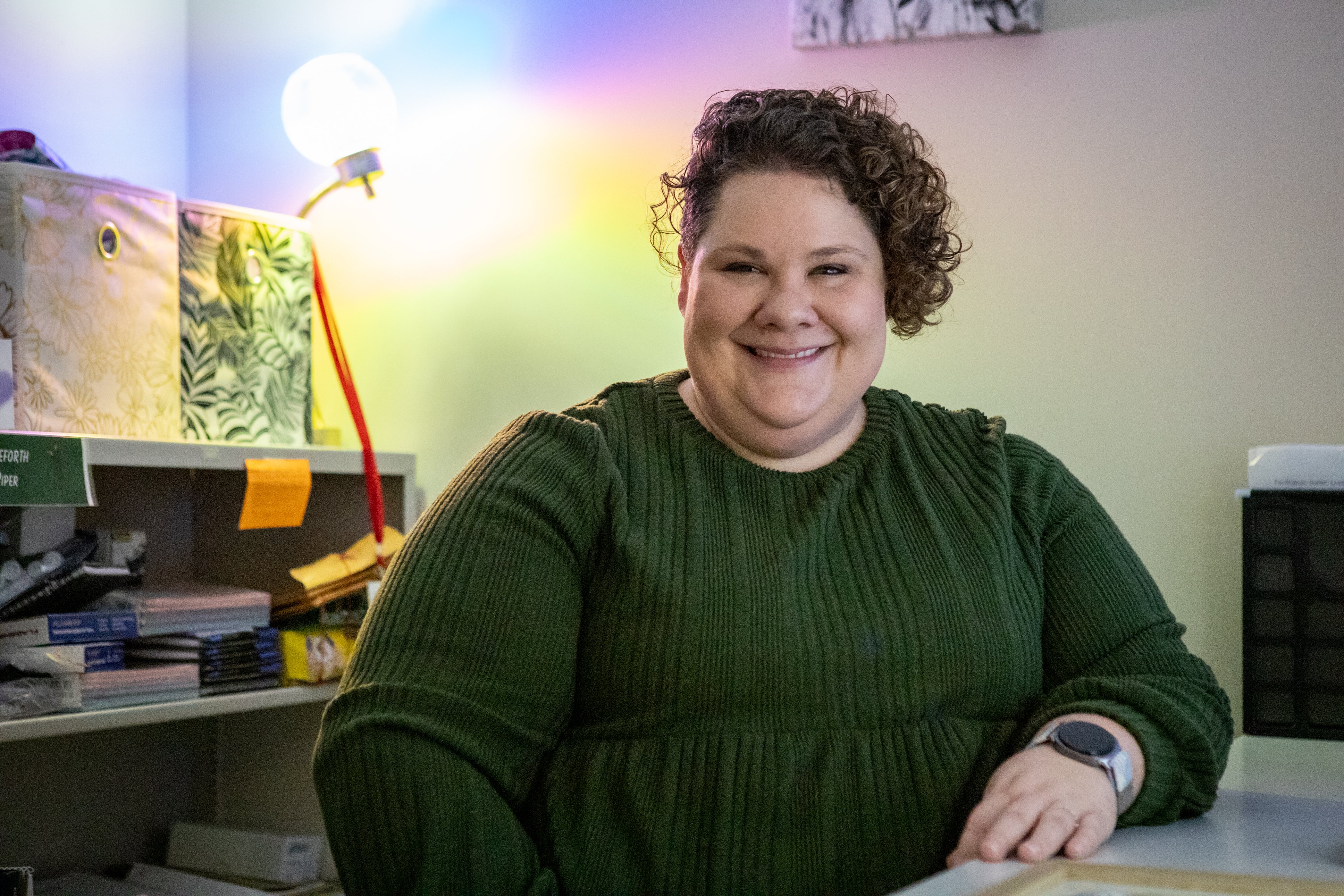
Sukeforth said that, five years after her struggle with alcohol began, she would now feel comfortable approaching a company leader and asking for help. Being in a safe space makes her a better employee and communicator, she says, which in turn supports the patients that Central Maine Healthcare serves.
“Knowing that we have this declaration and we are supporting the initiative, which is supporting our team members, is just huge,” she said. “And feels really, really great as someone who has struggled in the past.”
