


It’s a seven-minute walk along a dirt road from where Judy Green lives now to the Waterford house she and her family call “the farm,” where her grandparents, great-aunt and generations of ancestors dating back to 1790 once lived.
Green has known the farm her entire life.
“When I was born, that was the house I was brought home to,” she said.
It is where her summers unfolded each year, from June 3 to Labor Day.
“I visited my grandmother and great-aunt daily at the farm … could just walk up the road any time. (Later) I lived there two summers caring for my grandmother.”
The house was built in 1790 by Samuel Warren, who “came with a compass” in 1787, Green said. Warren, a cooper from Bath who originally came from Massachusetts, would become a central figure in the family’s story.
Green is writing a book about Warren and the generations that followed. She is the seventh generation to own the property at 256 Green Road.
In her manuscript’s prologue, Greene writes, “From my earliest childhood I loved being at the Farm. Playing with the wooden blocks on the floor in the dining room, while the grown-ups chatted around the broad Shaker table. Or sitting on the big swing in the breezeway with my great-aunt.”
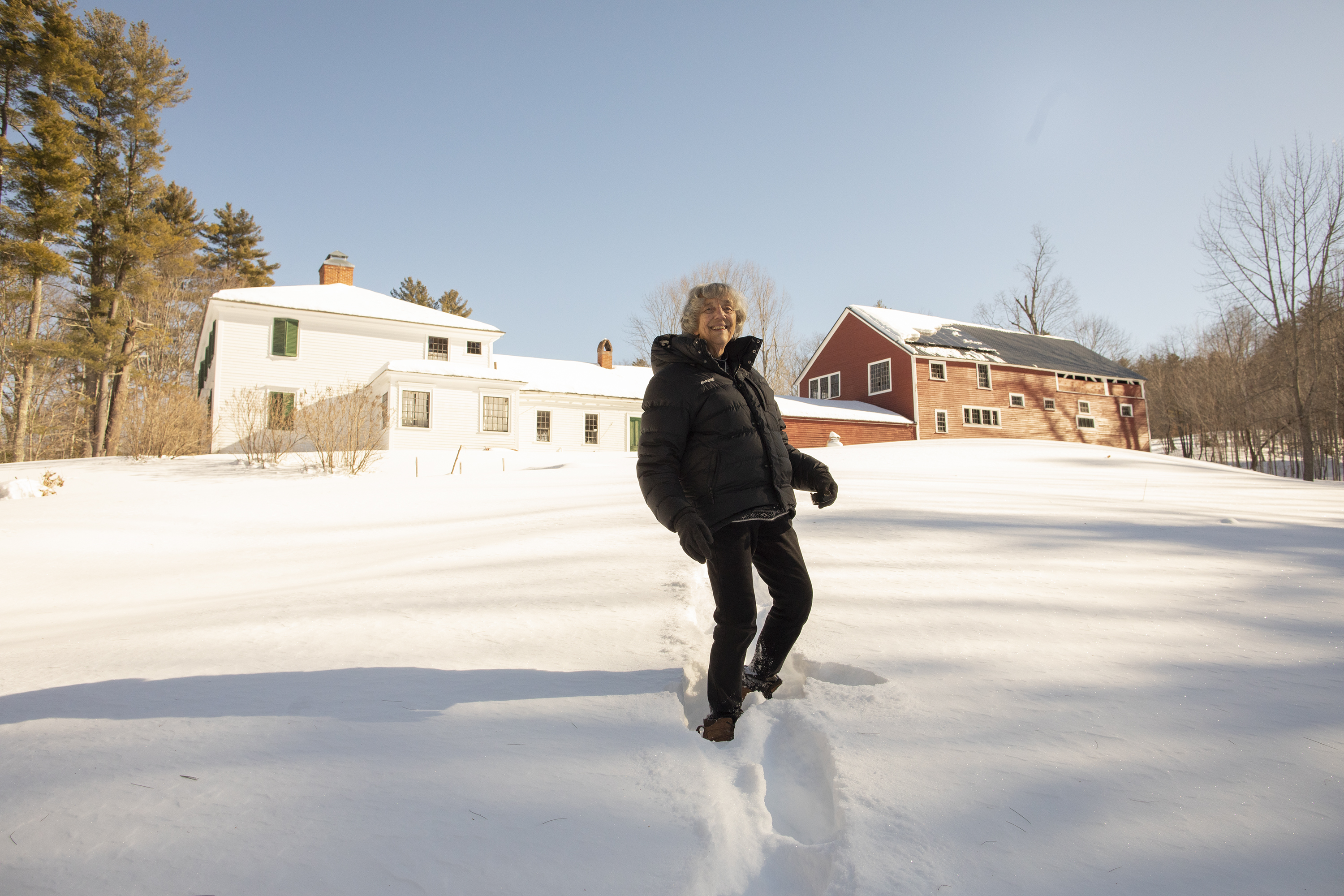
The Federal-style home sits on a hill in North Waterford, with an attached barn. Evans Notch mountain in Batchelders Grant near the New Hampshire border is seen in the distance, beyond the trees.
On a recent 25-degree morning, Green’s husband, Skipp, left the door open to warm the frigid interior of the house, which is not winterized.
Warren traveled widely in the area, walking to a mill in Bethel — then called Sudbury — with corn packed on his back and later learning to make bricks. He built chimneys for many homes in Waterford. He married the girl next door, “a Green.”
“So that’s equally ancestral,” Green said.
In Waterford, Warren planted wheat and rye and seemed to know which crops would succeed from year to year. But because neighbors mocked his “house in the woods,” Green said, he kept his farming knowledge to himself.
In 1816, “the year without a summer,” when frosts killed crops during the growing season, starving neighbors came to Warren, believing he would have grain stored. He gave them nothing.
His wife, Polly Warren, a midwife, did give to the community members.
“She birthed those babies — she wouldn’t have let them starve,” Green said.
Green does not shy away from darker family stories. In the early 1700s, she discovered that one ancestor participated in tarring and feathering someone.
“Because one was a Congregationalist and the other was a Baptist,” she said.
She also uncovered records showing her great-aunt’s father and his son attended an anti-suffrage meeting. Connections to white supremacy and the slave trade appear in her research as well.
“(The slave trade) was the basis of the economy of the United States. We all have a connection,” Green said.
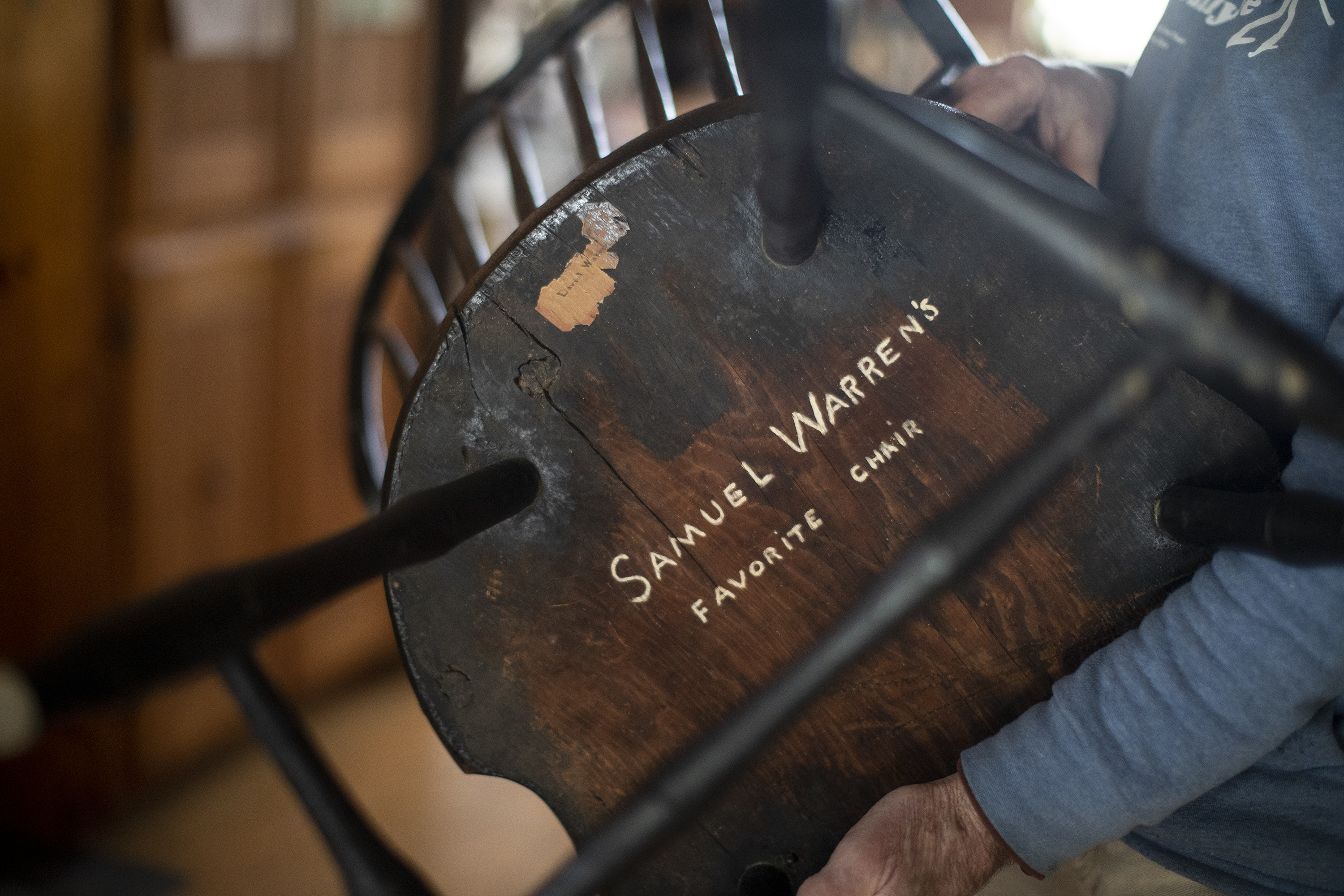
Writing in the genre of historical fiction, Green said she has not “jiggered any facts,” though she has created dialogue to bring scenes to life. She relies on family stories and places herself in the mindset of her ancestors.
In the 1860s, the farm encompassed 700 acres. Daniel Warren grew hay fields near Five Kezar Ponds to feed livestock, 150 sheep, 100 head of cattle and many chickens.
“Around the time of the Civil War, it was the biggest farm in Waterford,” Green said.
In addition to books, scrapbooks, old photographs and the house itself, Green gathers information from other Waterford residents, “who drop off tidbits” to add to her research.
She decided to write the history after realizing that, as the oldest grandchild, she remembered the most. She spent summers at the farm with her grandmother, Dorothy, and her great-aunt, Constance Warren, both of whom lived there from April through October each year. Constance Warren wrote a memoir that Green typed.
A marked Wabanaki trail once crossed the property, and Green said it was important to include the Native Americans who lived there before her ancestors. She recounted a family story of an ancestor who was a new bride and was surprised to discover Wabanaki people asleep on the hearth of her new home. They’d known the house to be a welcome place to rest.
Because the house was used only as a summer home, it remains largely in its original condition, Green said. The family once sugared on the property, and wild blueberries still grow abundantly in several areas.
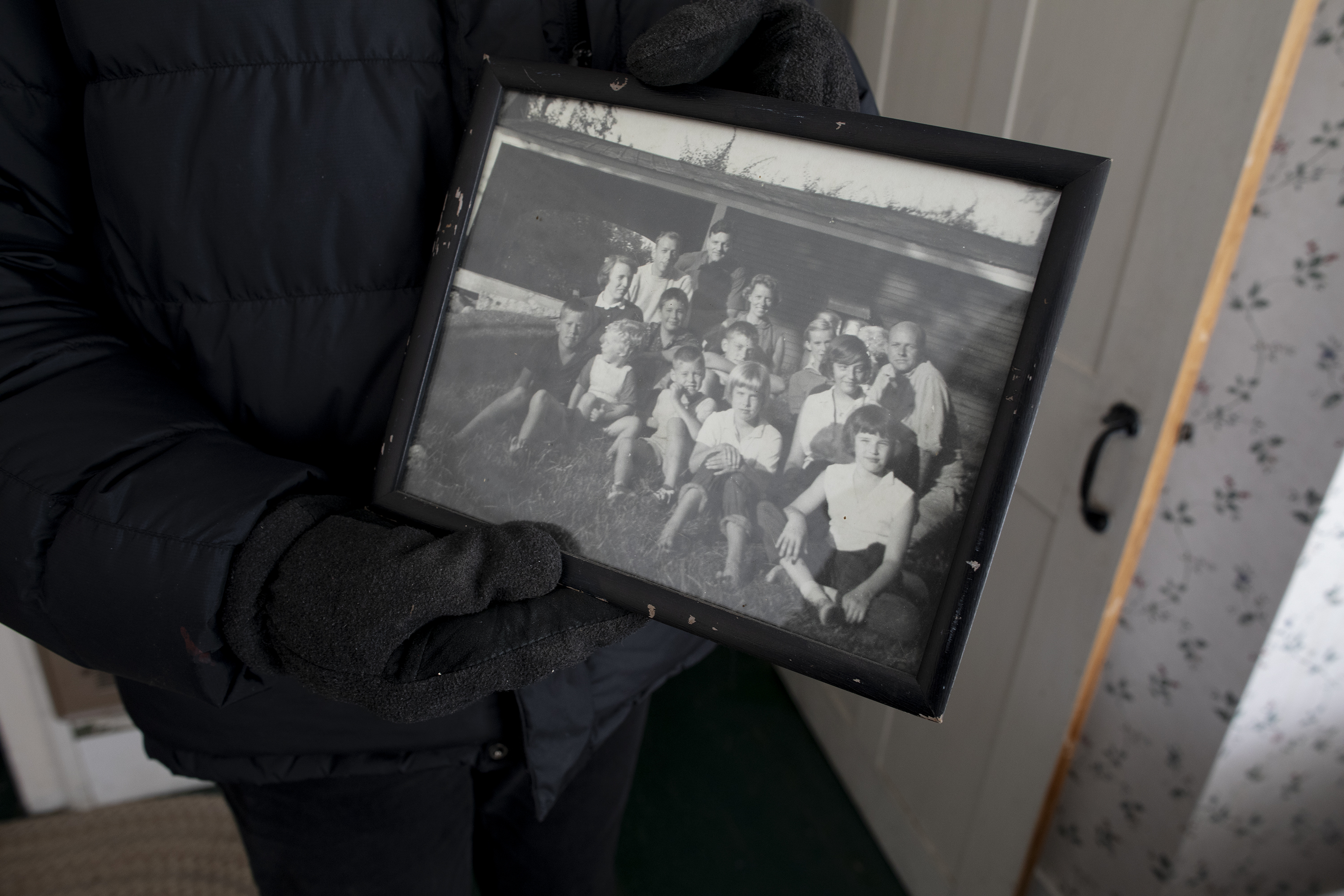
Like her grandparents before her, Green and her husband, Skipp, a Vermont Green, were married in the farm’s front yard. Their daughter and son-in-law were married there as well.
Reaching the house in winter requires trudging through knee-deep snow, because it is seldom opened during the colder months. Inside, original wallpaper still covers the walls of a first-floor bedroom.
During a recent visit to the house, Green’s memories spilled out as she moved from room to room.
She recalled her dignified aunt lifting the back of her skirt to warm herself by the fire. Another memory is of her 85-year-old grandmother calmly scooping a rat into a basket and out to the yard.
Patterned wallpaper decorates “the blue room” where Green and her husband have slept through the years. The smallest bedrooms, she said, were the most desirable because they held heat best.
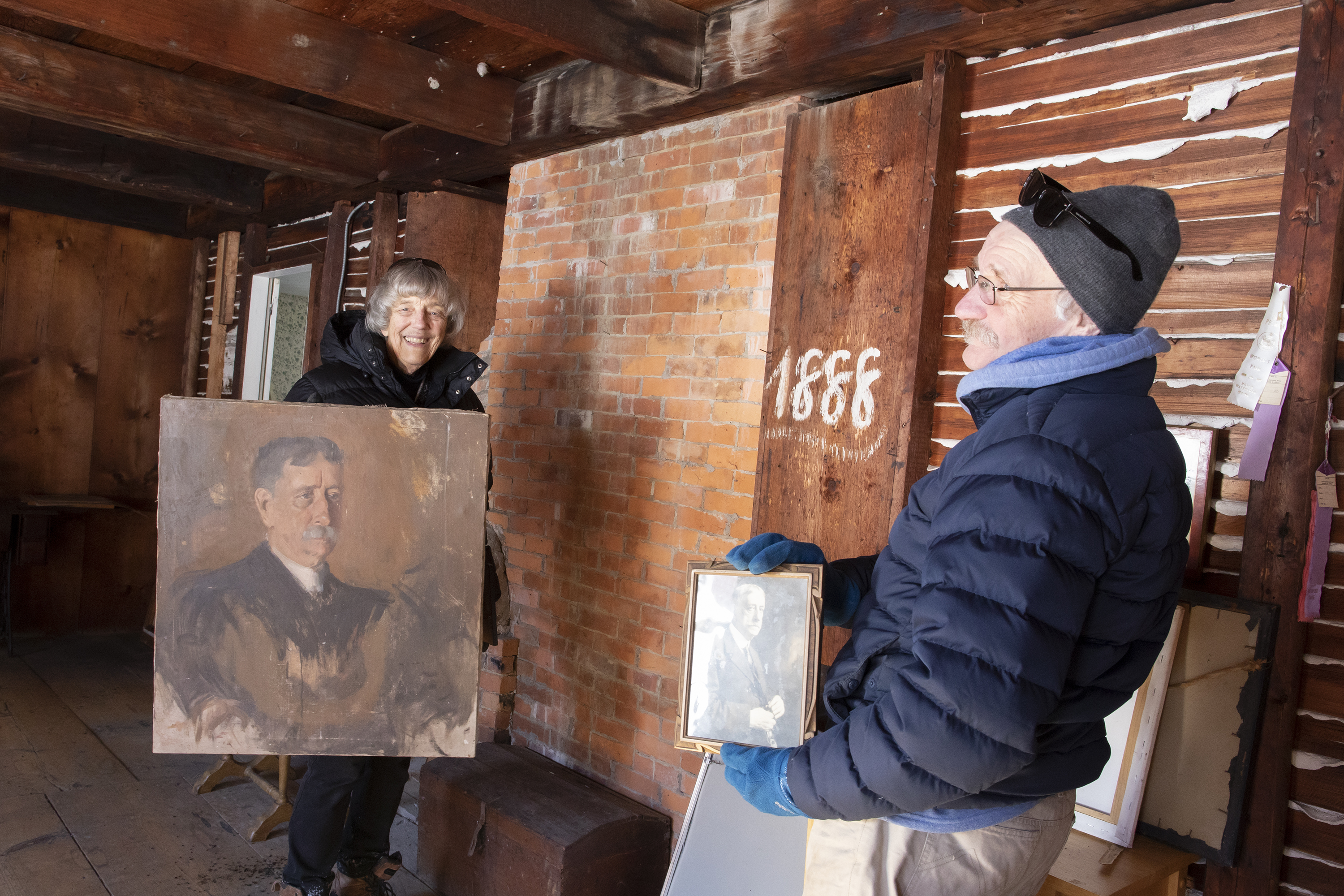
On the second floor, exposed original bricks made by Samuel Warren remain visible in the women’s workroom, next to a smaller cheese room. Vertical drips still mark the wall behind the shelves where cheese was set to dry.
Though the house retains its primitive character, Green said she regrets changes made by a cousin to the kitchen, including the removal of a wall that once separated it from a back room known as the birthing room.
Along with Judy and Skipp’s home down the road, four houses on Irving Green Road in Waterford remain Green family homes. The dirt road leading to the farm is wider now, and the grassy strip that had once run down its center is gone.
Despite the changes, each summer, Green family members return to the old house to celebrate family, place and ancestry.
In her book, Green writes: “And the Farm is still here, still with that sense of near-wilderness that met Samuel Warren. And now, as the generations continue — members of the seventh and eighth generations coming to the Farm summer after summer to enjoy the dooryard and the breezeway, or walk the trail along the brook and up to the top of the hill, or gather around the dining room table, or climb up on the Big Rock … “

Supporting Sponsor for the Advertiser Democrat
Keeping communities informed by supporting local news. norwaysavings.bank

We invite you to add your comments. We encourage a thoughtful exchange of ideas and information on this website. By joining the conversation, you are agreeing to our commenting policy and terms of use. More information is found on our FAQs. You can update your screen name on the member's center.
Comments are managed by our staff during regular business hours Monday through Friday as well as limited hours on Saturday and Sunday. Comments held for moderation outside of those hours may take longer to approve.
Join the Conversation
Please sign into your Sun Journal account to participate in conversations below. If you do not have an account, you can register or subscribe. Questions? Please see our FAQs.