

Auburn has its share of historic homes, each of which tells a story of the city’s past.
Here are the 10 Auburn houses on the National Register of Historic Places.
If you decide to see them for yourself, know that these are all privately owned homes. So be respectful and view from afar.
William Briggs Homestead, 1470 Turner St.
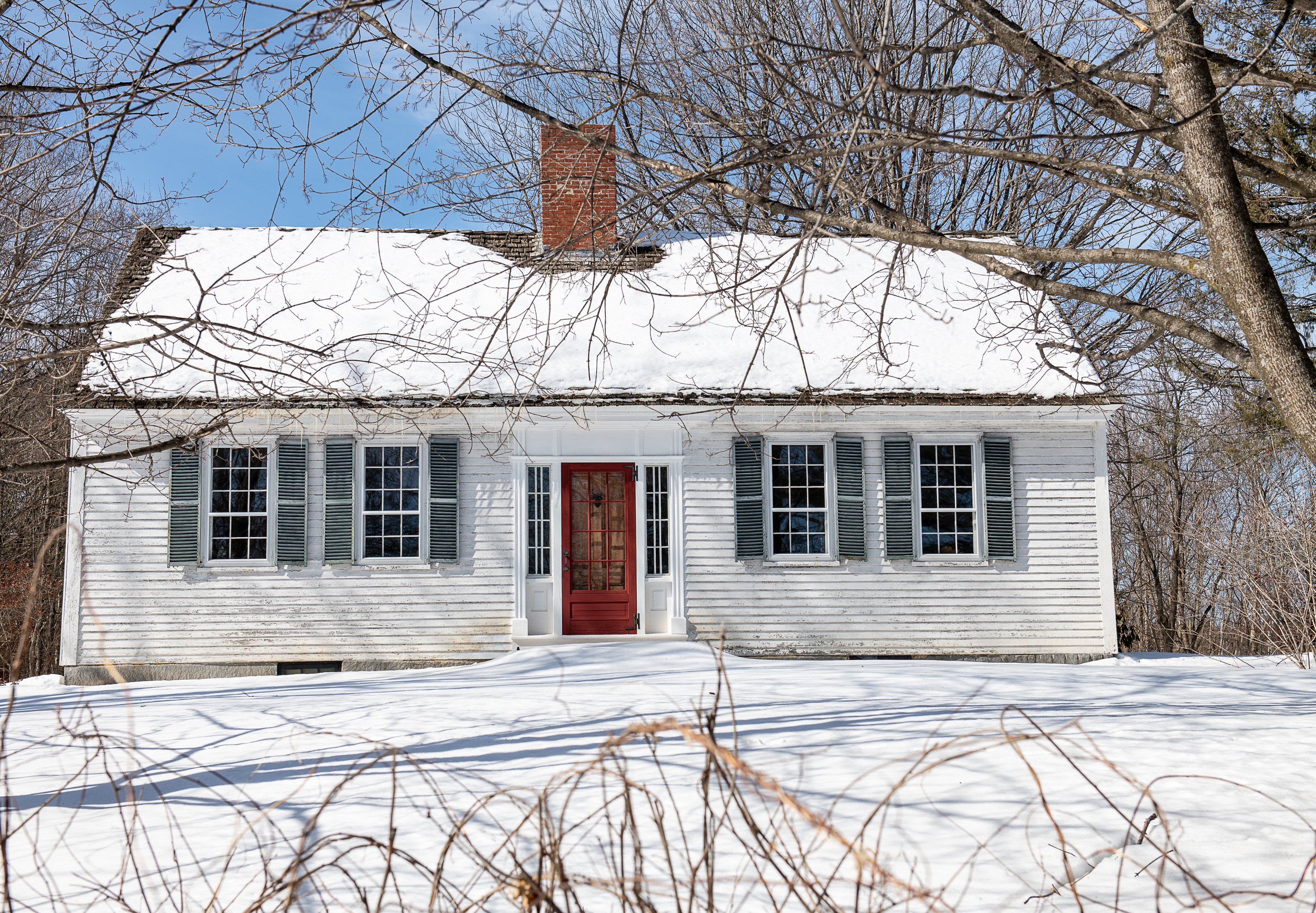
Located on the corner of Church and Turner streets, the William Briggs Homestead was constructed as a one-and-a-half story residence featuring Federal-style architecture, meticulous interior design and elegant woodwork in its two front rooms.
According to the National Register of Historic Places, the land was granted to Samuel Berry of Cobbosseecontee for his services as a scout and guide for Benedict Arnold’s expedition to Quebec in 1775. It is considered one of the oldest buildings in Auburn, as the land was acquired by William Briggs of Dighton, Massachusetts, in 1779, and the house was built in 1797.
Charles Cushman House, 8 Cushman Place
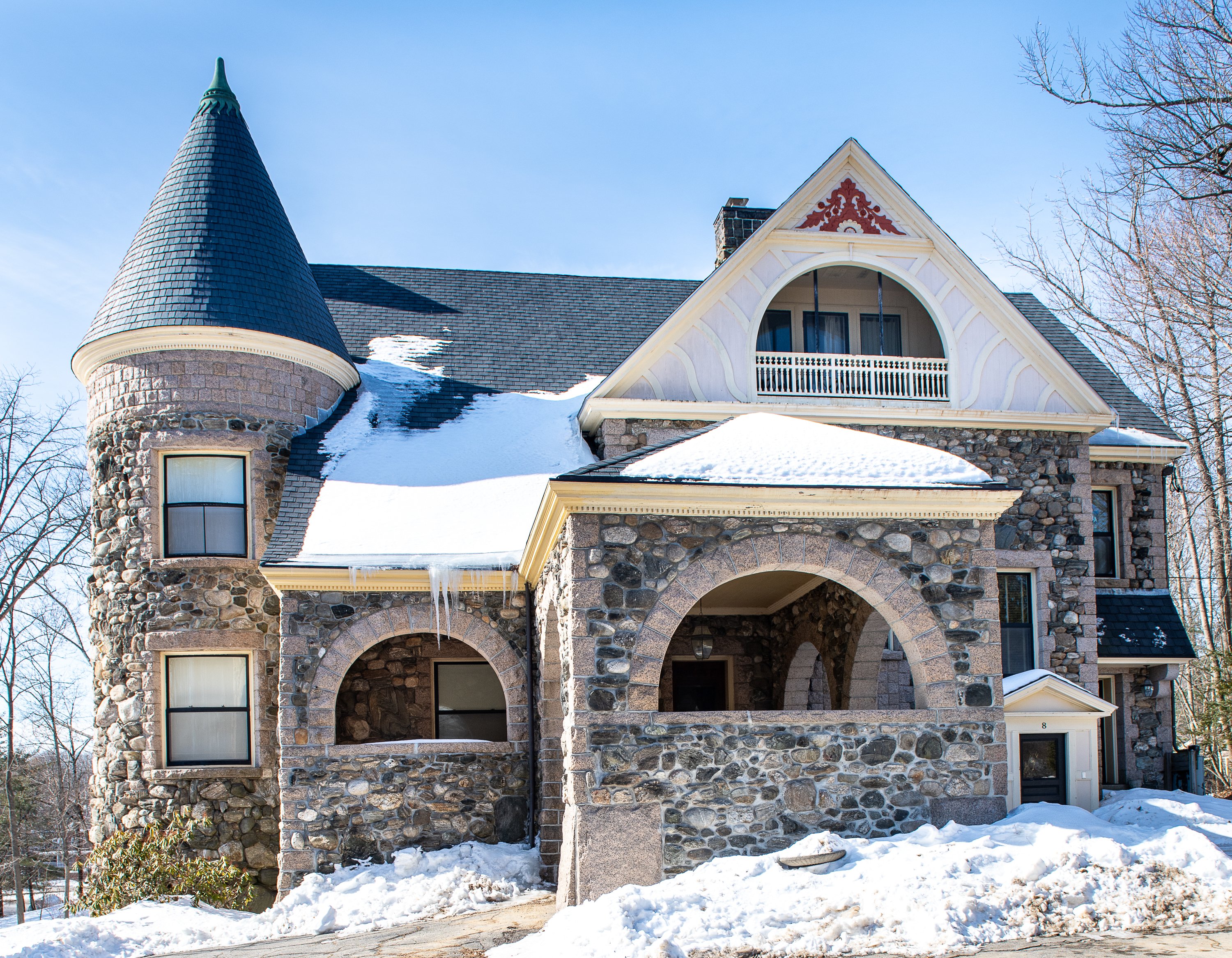
The Charles Cushman House, a Queen Ann-style design, features two stories of stones, ornamented gables and a circular corner tower that is set back on the left side of the house.
The National Register of Historic Places says the home was built in 1889 by Charles Cushman, the son of Ara Cushman, who at the time owned one of the largest shoe manufacturing companies in New England. The house received national attention after it was featured in the publication American Architect and Building News on Dec. 21, 1989.
Holman Day House, 2 Goff St.
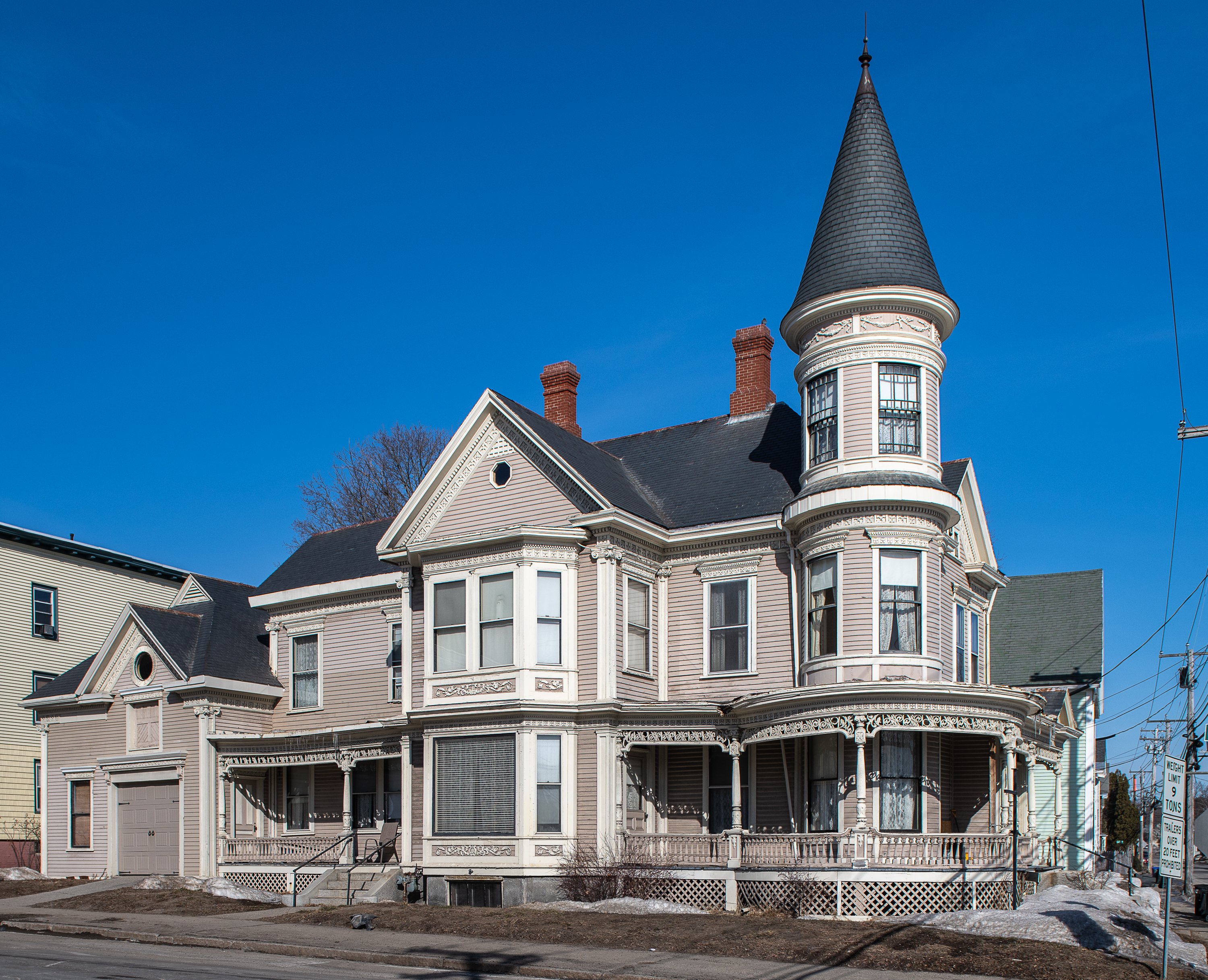
The Holman House is not only visually stunning but also shows a high degree of detail. Like the Cushman House, the Holman House was built in the Queen Ann style in 1895 and is well known for its three-story circular tower. It also has a front porch featuring crafted railings and treillage that covers the entire building, wrapping around to the tower.
The Holman House is rich with history. It was once owned by Holman Day, a Maine author whose work was known for “their colorful Maine characters and accurate depictions of Maine customs and life,” according to the National Register of Historic Places.
Before becoming an author, Day worked as newspaper correspondent and editor for several papers across the state, including the Sun Journal. Day’s father-in-law built the Goff Street house for Day and his wife, Helen Rowell Gerald. It was here where he wrote a variety of poetry and prose. Overall, he wrote 18 novels in his lifetime, including his most famous novel, “King Spruce,” which became the go-to book about Maine lumbering.
Fun fact: The book caught the attention of President Theodore Roosevelt, who invited Day to the White House.
Frank Dingley House, 291 Court St.
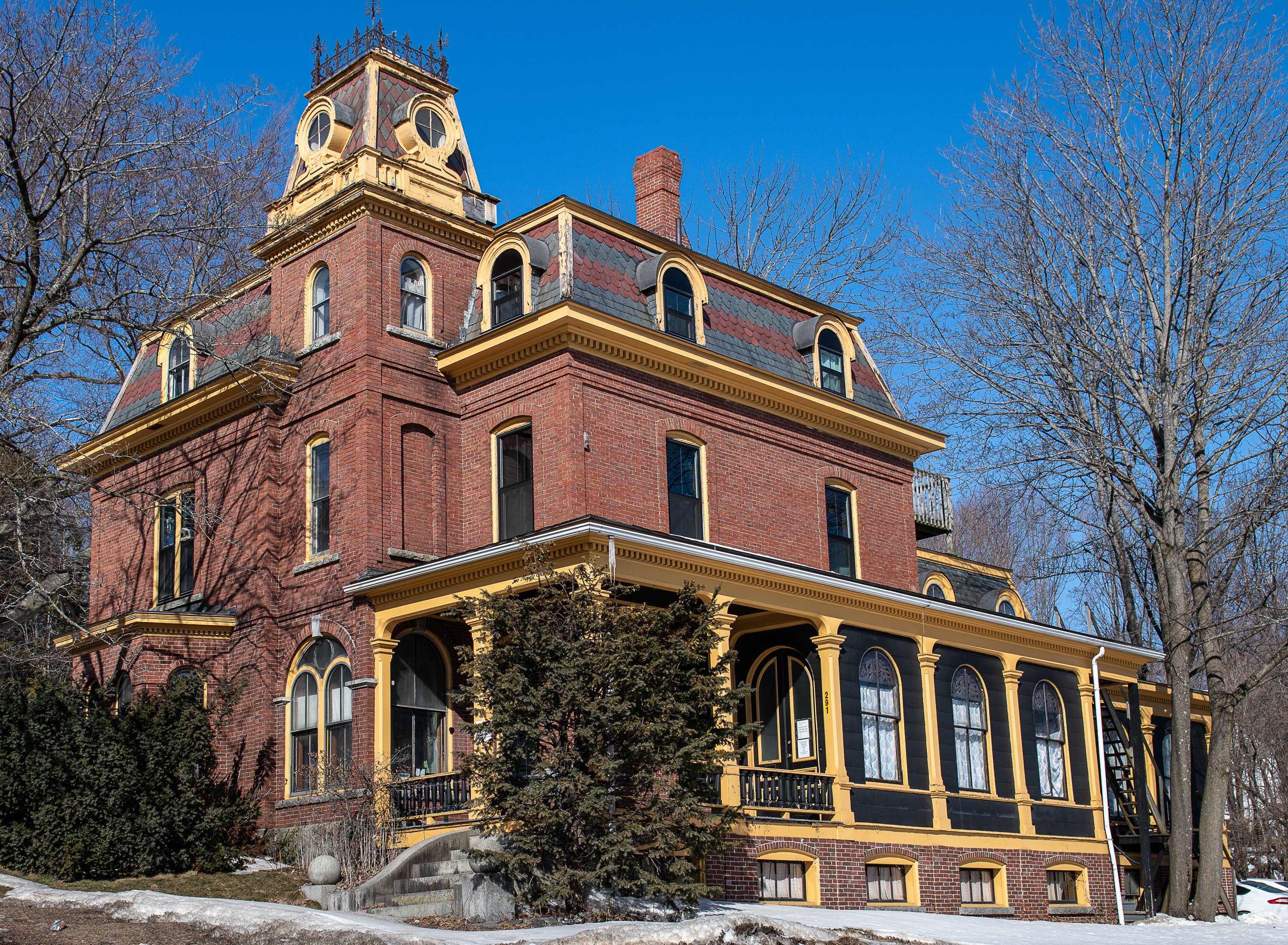
Just up the road from the Holman House, you’ll come across a three-story brick house at 291 Court St. The Frank Dingley House features a Second Empire style with roofs that are flat at the top before sloping vertically down. One of the house’s most distinctive features is a long, one-story porch that runs along the northeast side of the house.
The house was built in 1867 for Frank Dingley, a longtime editor of the Lewiston Evening Journal. Dingley and his brother, Nelson, founded the paper in the 1860s.
A.A. Garcelon House, 223 Main St.
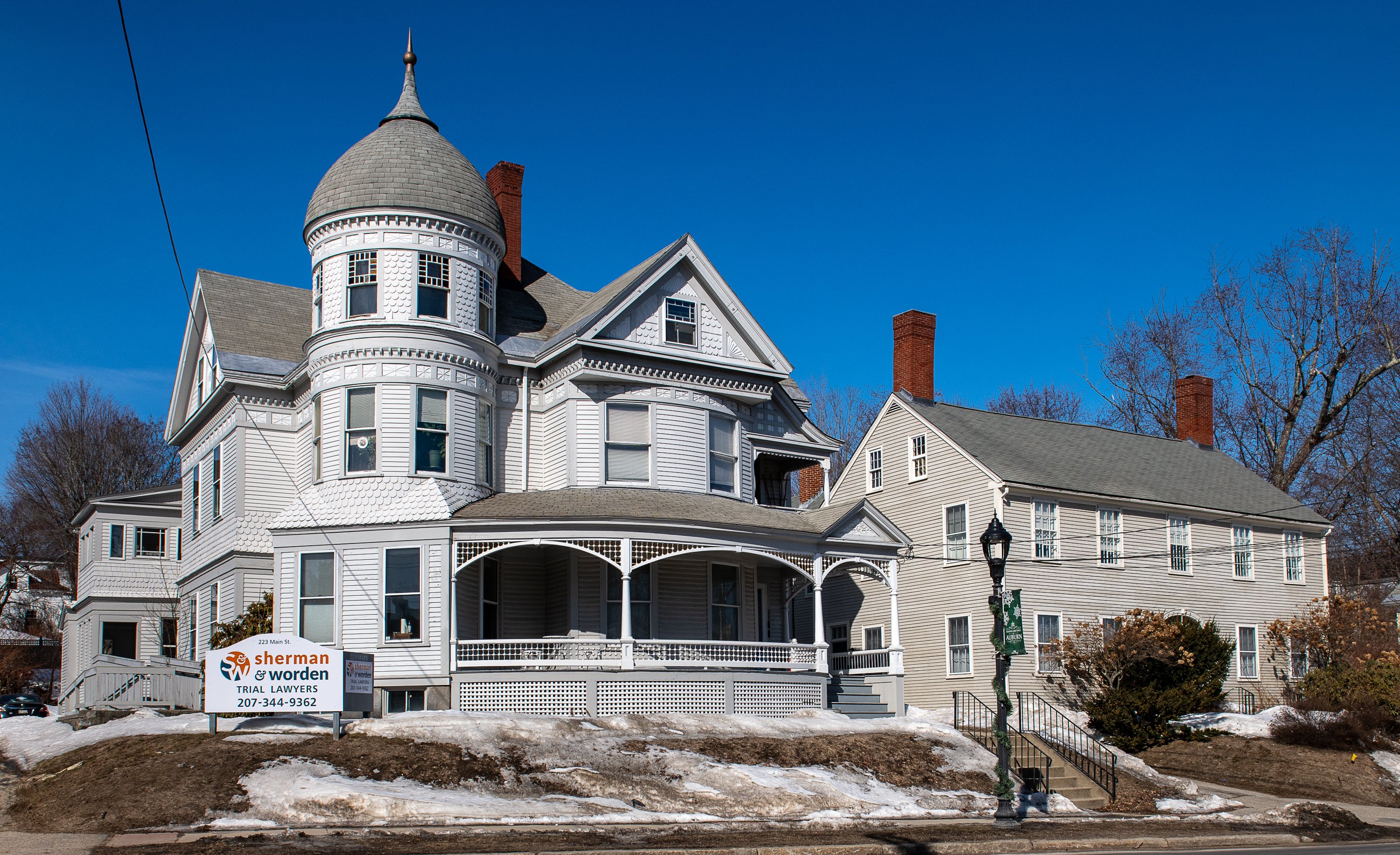
Located at 223 Main St., the A.A. Garcelon House highlights complexity with its various roof designs and angles. Like the Holman Day House, it has a three-story tower with an onion dome top at the southeast corner of the property. According to the National Register of Historic Places, much of the interior remains unchanged.
Built in the 1890s, the A.A. Garcelon House was one of the most prominent examples of the Queen Anne style in Maine, along with the Cushman House. The National Register of Historic Places says the home was built for Arthur Garcelon, a local Franco American who worked as a partner in the grocery and provisions firm of Peables and Garcelon.
Edward Little House, 217 Main St.
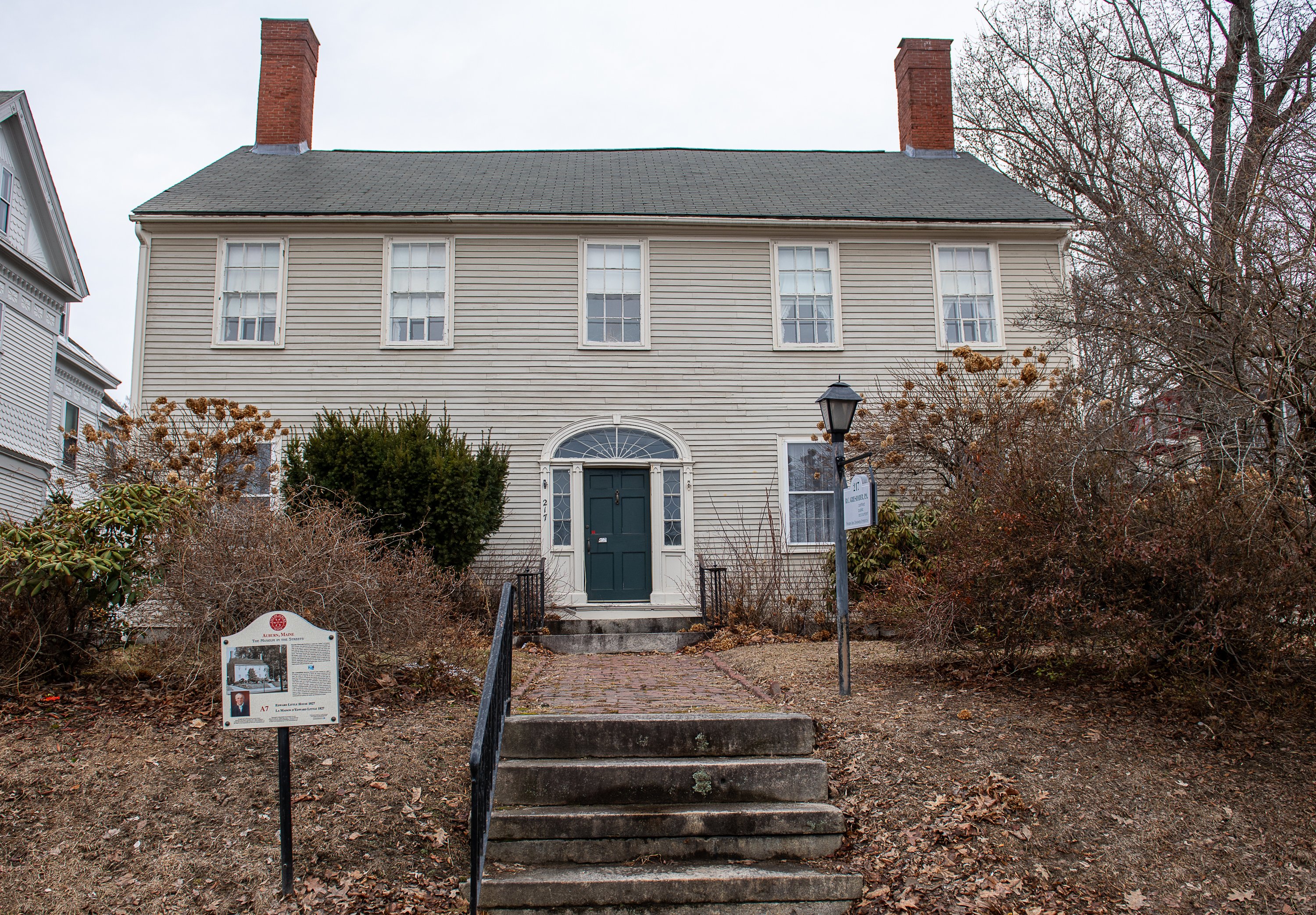
Right next to the A.A. Garcelon House stands a home with a familiar name. The Edward Little House is a two-and-a-half story building that has seen some alterations from when it was first built in 1827. Nonetheless it remains distinctive with its two windows beside the door and its elliptical fanlight door, which features a shadow-arched window above the door.
The outside of the house may have changed, but the inside is still intact from when it was first built, with each room on the main floor featuring a fireplace with a period mantlepiece.
Edward Little, son of Josiah Little, was a wealthy merchant and landowner who was known for his philanthropic tendencies. Following the death of his father, Edward Little was given land in area cities and towns, including Auburn and Lewiston, Greene, Leeds, Poland, Minot and Mechanic Falls, which he offered to those communities to support them and help them grow.
According to the National Register of Historic Places, Little also helped give land for the first church in Auburn, the High Street Congregational Church, and later establish Lewiston Falls Academy, which gained a reputation when it became a public high school and was later named for him. (That building on Academy Street is the home of Lewiston-Auburn Community Little Theatre.)
Gay-Munroe House, 64 Highland Ave.
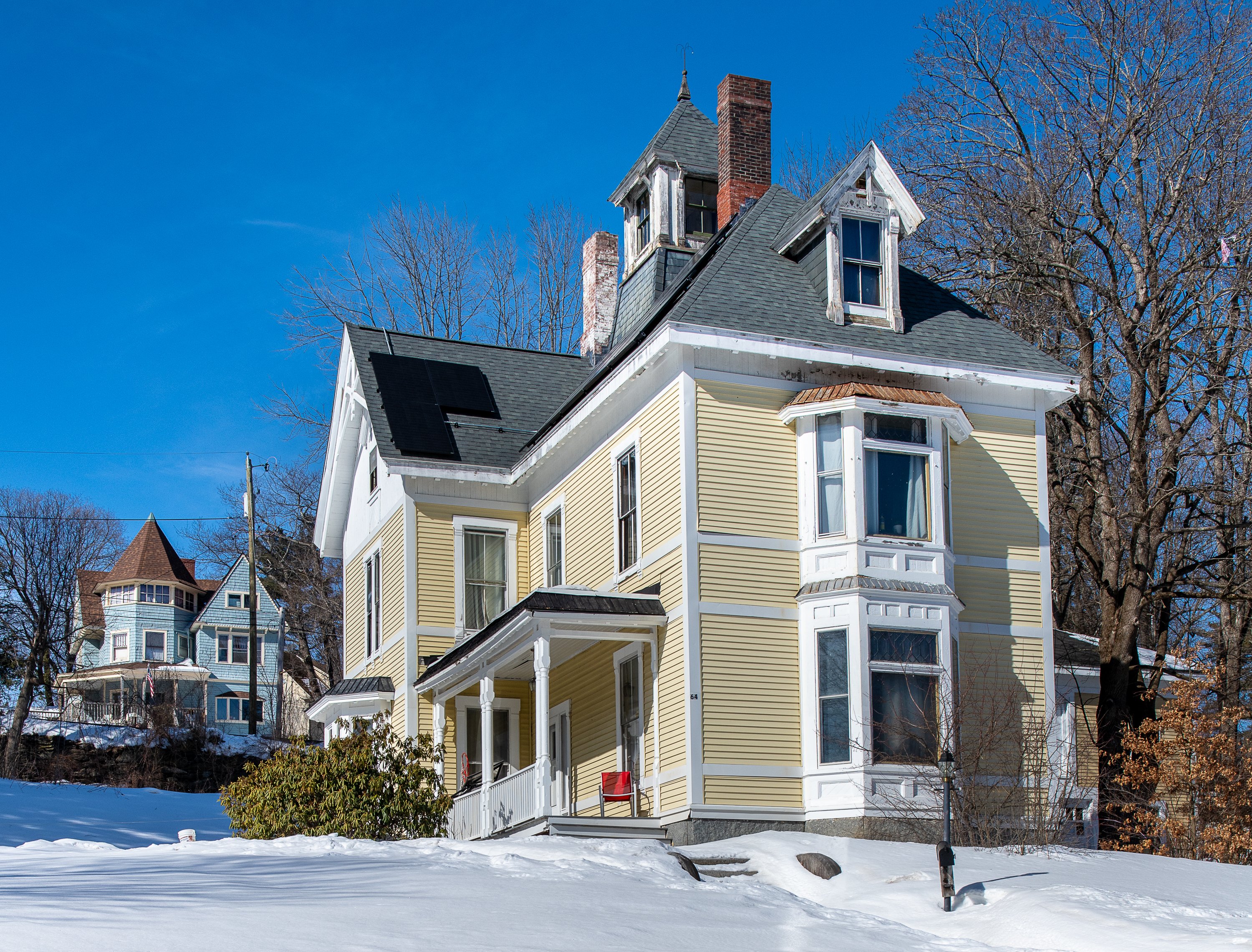
Located at 64 Highland Ave., the Gay-Munroe House displays a pyramidal roof cupola, or a four-sided pointed roof, on the northwest corner of the building with decorative strings laced around the first and second story windowsills.
The Gay-Munroe House was built in 1878 for Charles Gay, a local shoe manufacturer in Auburn during the 19th and 20th centuries. Gay and his wife, Emma, occupied the house until 1894, when it was acquired by another shoe manufacturer, Willard Noble Munroe.
Munroe was one of the founders of the shoe company Munroe, Packard and Linscott, and also founded the Auburn Shoe Manufacturers Association.
Horace Munroe House, 123 Pleasant St.
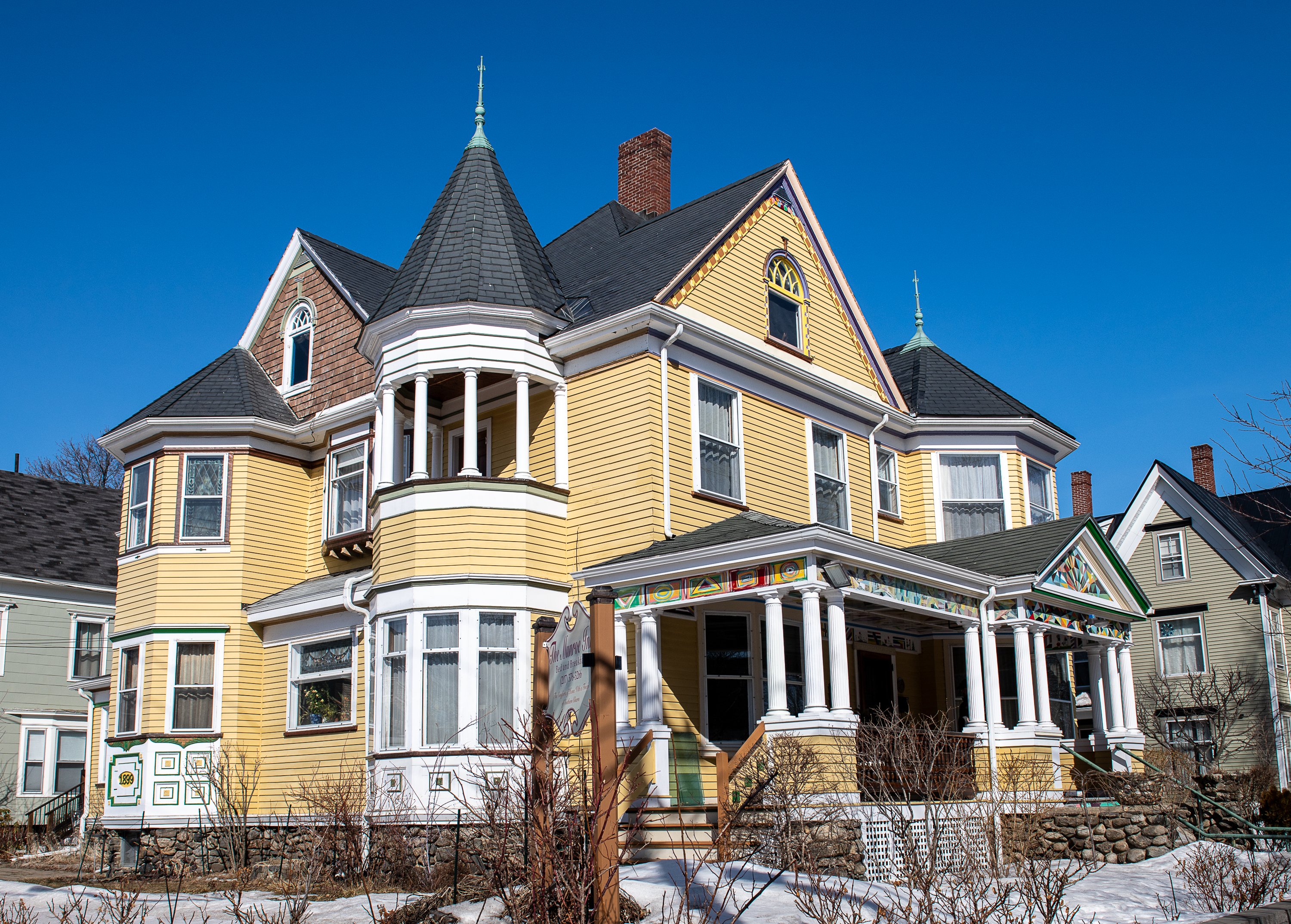
On the corner of Pleasant and Drummond streets, at 123 Pleasant St., the Horace Munroe House played an important role in the growth of Auburn. The two-and-a-half story house features a front door with a porch supported by Doric columns, one of the oldest styles of Greek architecture. To the right of the porch stands a three-sided tower topped with an exquisite finial. The building’s architectural features are also accented with a color scheme of yellow and brown.
Built between 1899 and 1900, the Horace Munroe House serves as a reminder of the importance the family had in Auburn’s shoe manufacturing industry. In 1843, Noble Nichol Munroe, father of Willard Noble Munroe, partnered with Cyrus Packard to form C.S. Packard Shoe Co., one of the first shoe companies in Auburn.
Throughout the years, many members of the Munroe family contributed to the growth of the company and became pillars in the Auburn community. When Noble Monroe passed away in 1886, his wife decided a new home was to be built. When it was built in 1899 and 1900, it was named the Horace Munroe House, after another of the Munroe children.
The house is operated as the Munroe Inn B&B.
William Robinson House, 11 Forest Ave.
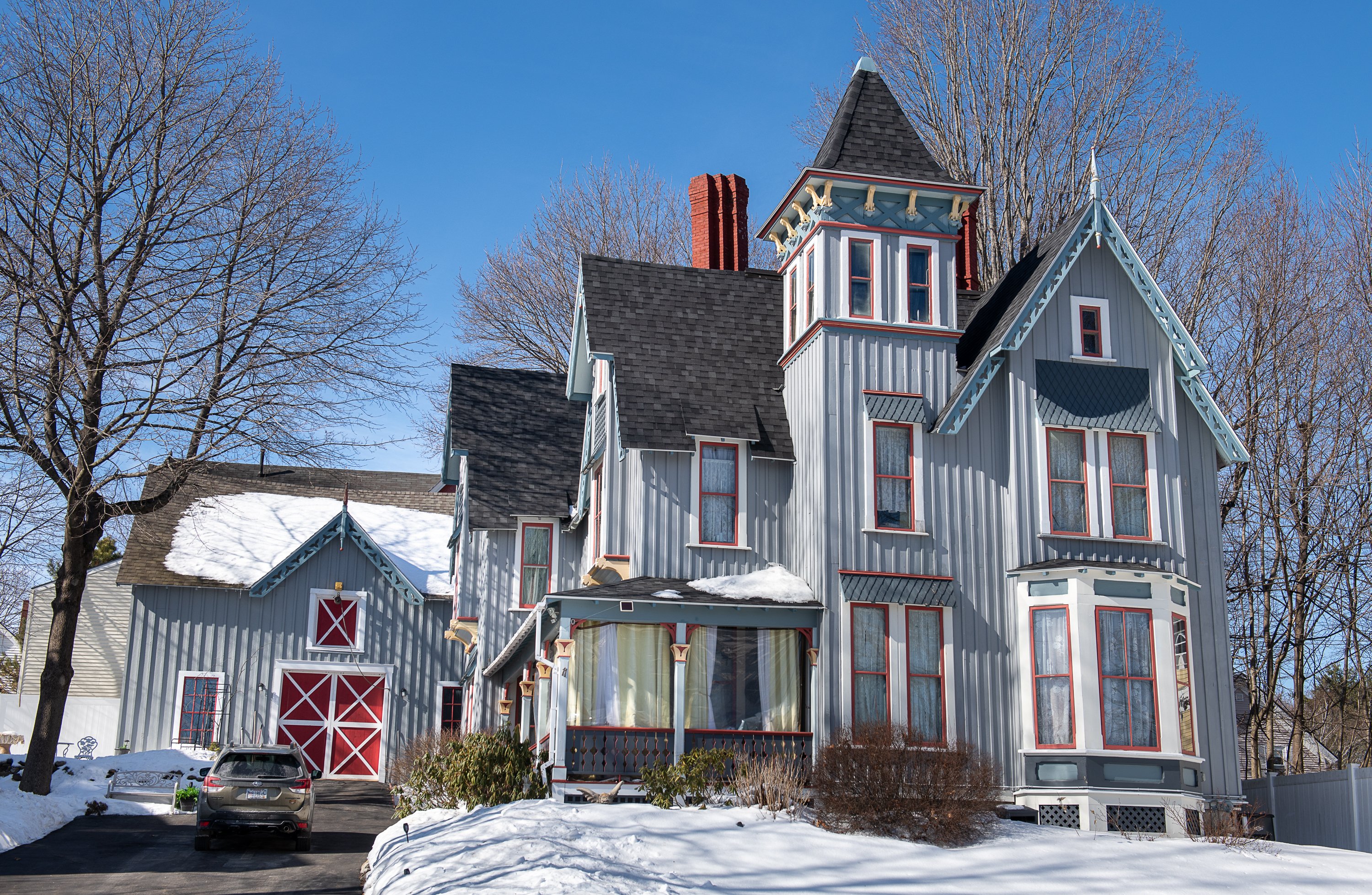
Located at 11 Forest Ave., the William Robinson House is an example of Gothic style architecture. It was designed with an L-shaped porch, pyramidal roof and diamond-shaped shingles.
The William Robinson House was built in 1874 by Herbert and Balstron Kenway, two immigrants from Wales, for William Robinson, a druggist. At the time, the Kenways helped introduced Gothic style architecture to the area. However, Robinson didn’t reside in the house long, selling it to John Pickard for $4,750 in 1876.
Charles Jordan House, 63 Academy St.
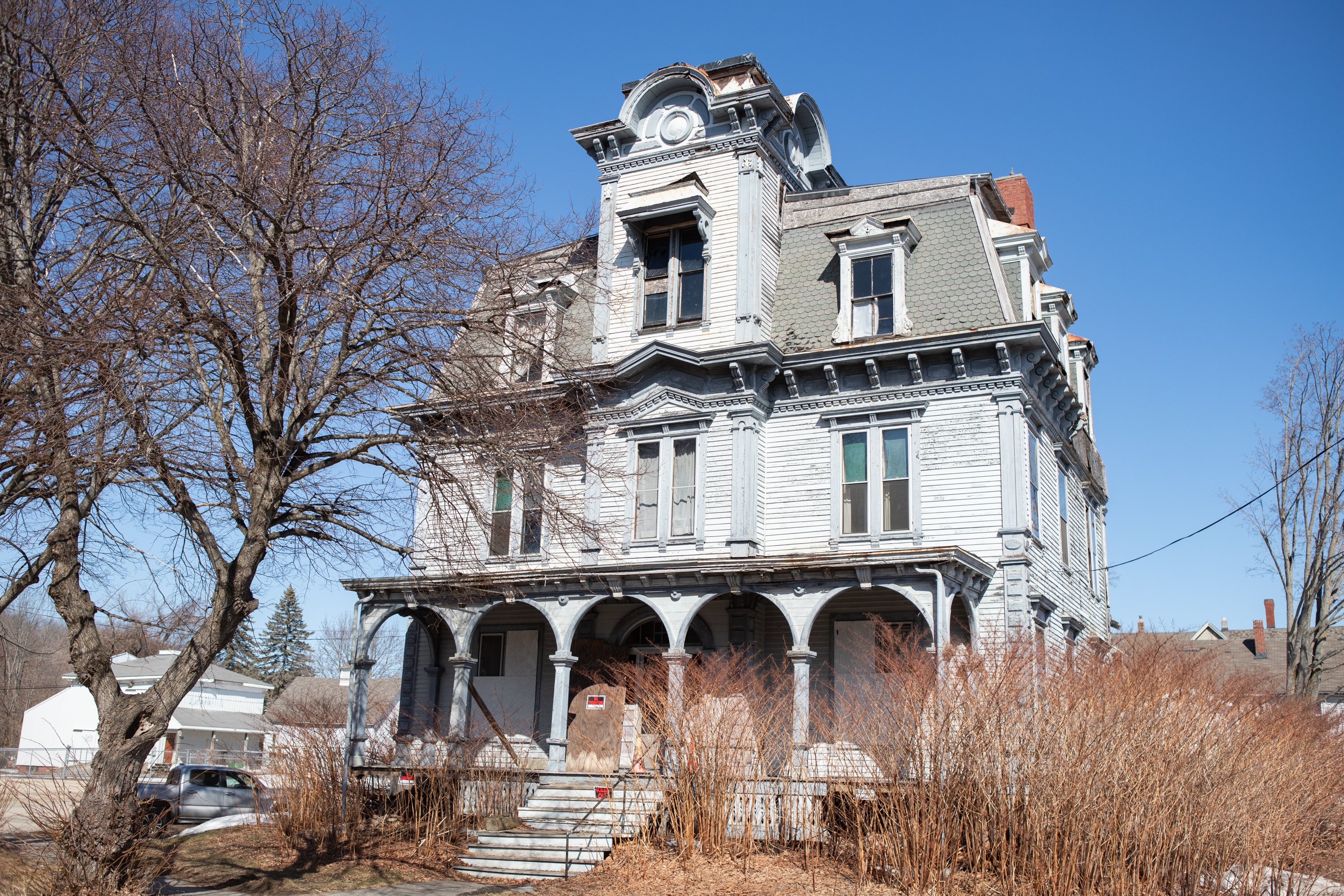
Like the Frank Dingley House, the Charles Jordan House is considered to be one of Maine’s most elegant examples of the Second Empire style of architecture. Located at 63 Academy St., the three-story wooden mansion features a large porch, a square tower with dentil molding and circular arches toward the top. The third-story mansard roof has a projecting dormer for extra light and headroom for the top floor.
The house was built, designed and constructed in the 1880s by Charles Jordan, a builder in Auburn during the 19th century. He was known for buildings across Auburn, including Edward Little High School, the Stanley Dry Plate Factory, Avon Mill and other residences. This house was built by Jordan as “proof of his skill as a designer and builder,” according to the National Register of Historic Places.
The current owners plan to use it for a residential program for individuals transitioning back into the community following incarceration.

We invite you to add your comments. We encourage a thoughtful exchange of ideas and information on this website. By joining the conversation, you are agreeing to our commenting policy and terms of use. More information is found on our FAQs. You can update your screen name on the member's center.
Comments are managed by our staff during regular business hours Monday through Friday as well as limited hours on Saturday and Sunday. Comments held for moderation outside of those hours may take longer to approve.
Join the Conversation
Please sign into your Sun Journal account to participate in conversations below. If you do not have an account, you can register or subscribe. Questions? Please see our FAQs.