


Lewiston-based Elmet Technologies is celebrating the successful use of its materials and parts in the Artemis II mission, according to the company.
The spacecraft made history earlier this week when it orbited around the moon, reaching farther out into space than any other manned spacecraft in history.
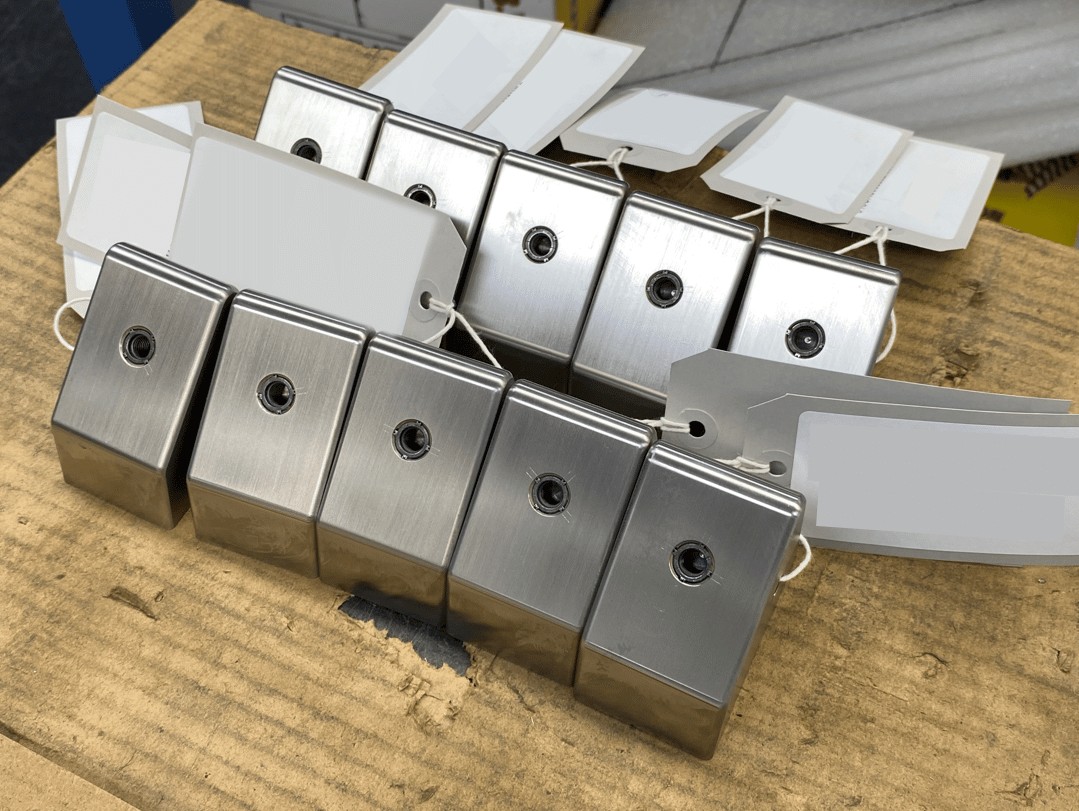
Elmet produces products made of tungsten, the strongest metal in the world with the highest melting point, and molybdenum, a similarly strong metal.
The company supplied NASA with high-density tungsten heavy alloy materials produced in Lewiston for the Artemis II mission, according to a news release issued Monday. It also provided high-strength, corrosion-resistant components from its Euclid, Ohio, facility. It previously supplied NASA with components for the Artemis I mission.
“Elmet Technologies remains committed to advancing the frontier of aerospace innovation,” Derek Fox, chief executive officer of Elmet Technologies, said in the release.
“Our involvement in Artemis II underscores our role as a supplier for mission-critical applications where precision and material integrity are paramount. We are honored to continue supporting the next generation of space travel from our U.S. facilities,” he said.
Company officials were not available Wednesday for further comments.
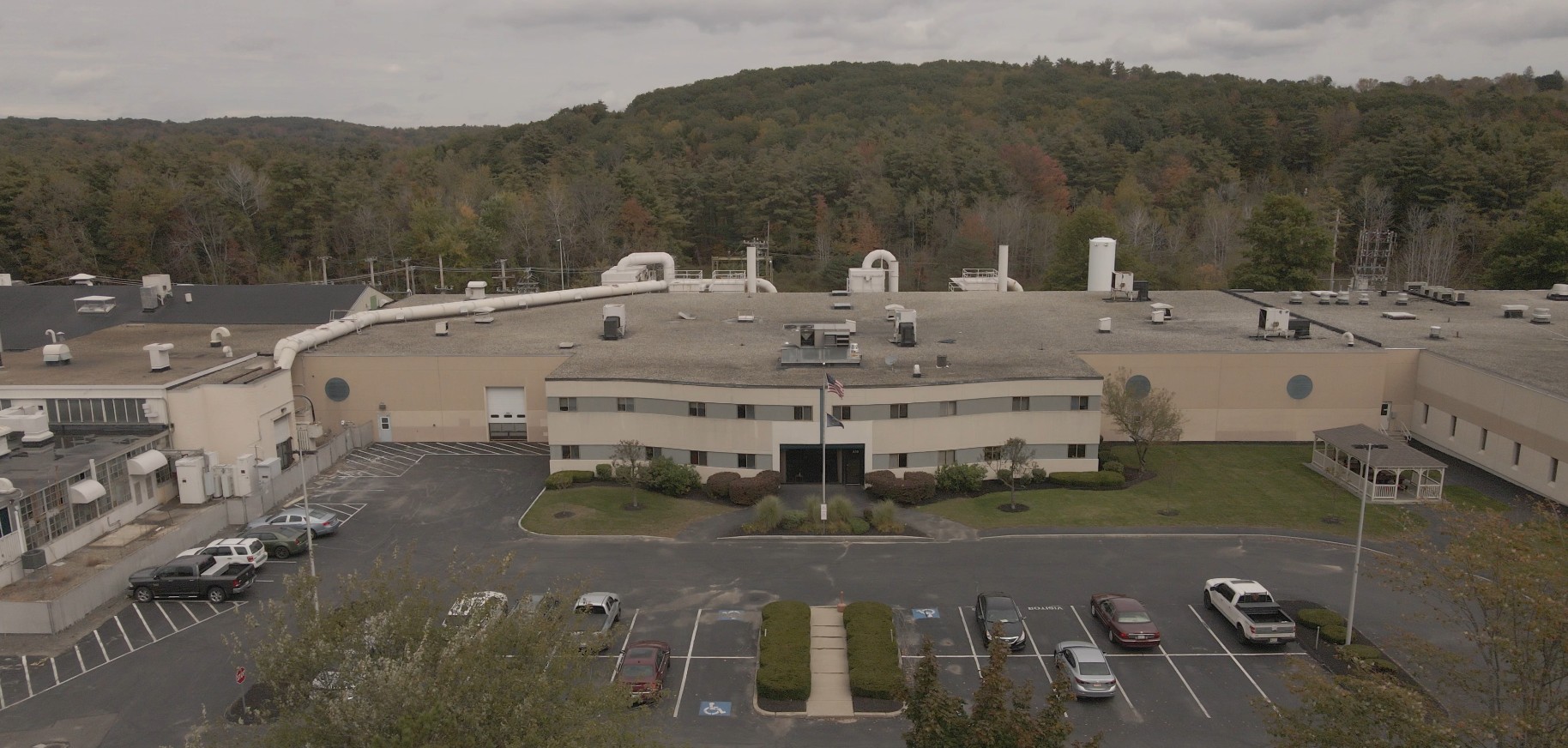
The company is the only U.S.-owned and vertically integrated tungsten and molybdenum manufacturer, according to the release.
The company has almost 400 employees among its three facilities in Maine, Ohio and Michigan.
Since opening in 1929, the company has experienced significant changes over the decades, from producing light bulbs to serving industries, including defense, aerospace, medical and others.
The company has had several ownership changes, finding more stability in the past decade expanding its use of tungsten and molybdenum, and patenting various new products.

We invite you to add your comments. We encourage a thoughtful exchange of ideas and information on this website. By joining the conversation, you are agreeing to our commenting policy and terms of use. More information is found on our FAQs. You can update your screen name on the member's center.
Comments are managed by our staff during regular business hours Monday through Friday as well as limited hours on Saturday and Sunday. Comments held for moderation outside of those hours may take longer to approve.
Join the Conversation
Please sign into your Sun Journal account to participate in conversations below. If you do not have an account, you can register or subscribe. Questions? Please see our FAQs.