
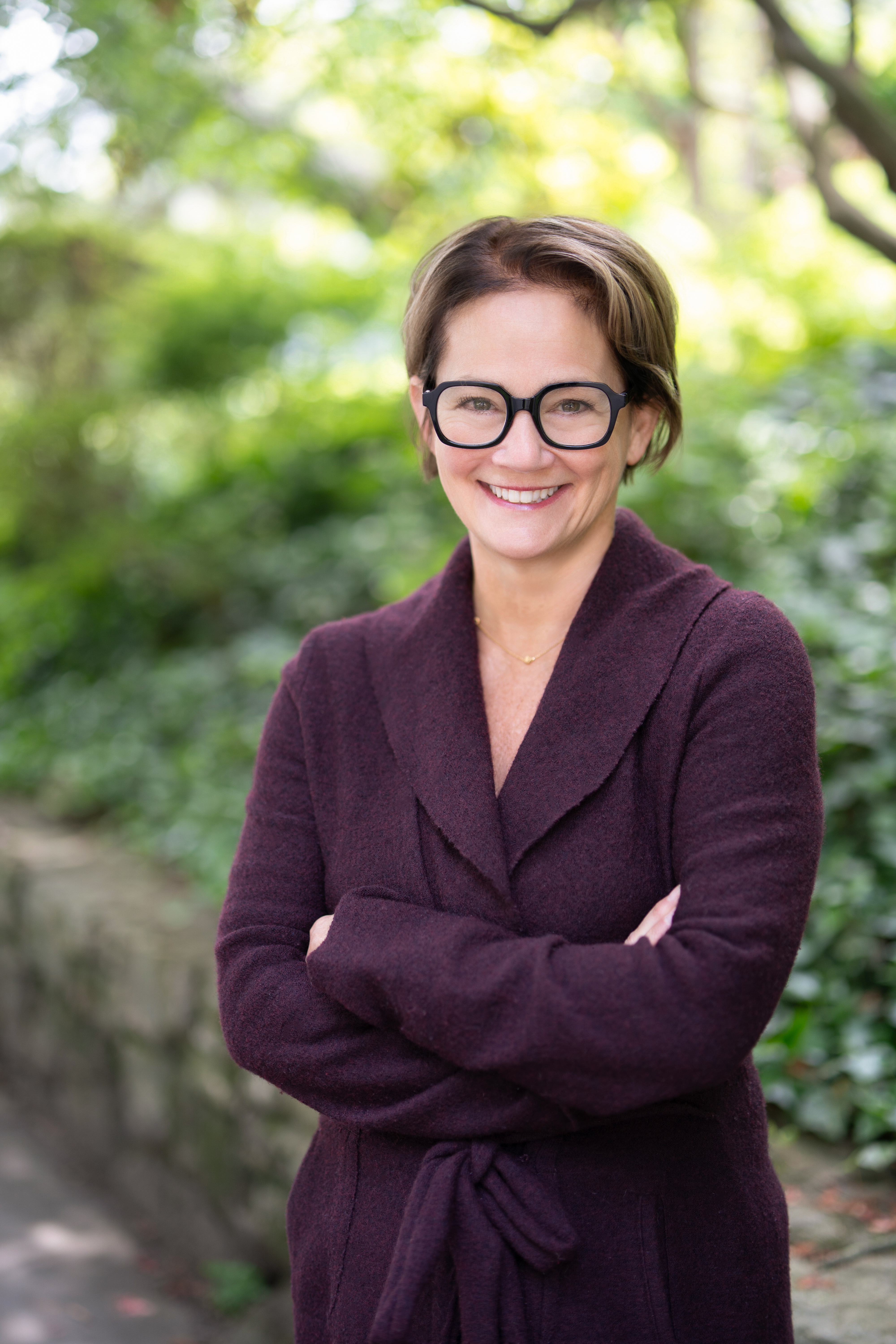
When the right scholar finds themselves in an author’s archives, the results can be revelatory. Caroline Bicks’s bibliography includes a number of works on a certain influential playwright: her books include “Cognition and Girlhood in Shakespeare’s World.” But she is also the University of Maine’s Stephen E. King Chair in Literature — and when she was selected for that position, she took the opportunity to look through the papers of another very popular author.
“Monsters in the Archives: My Year of Fear With Stephen King” is Bicks’s chronicle of spending a year exploring King’s letters, old drafts and correspondence with editors. The resulting book is a thoughtful exploration of King’s first five published books and a compelling examination of King’s command of readers’ emotions, his preferred themes and his use of language. The Portland Press Herald spoke with Bicks about the origin of the project, her own experience with King’s books and what ghosts might lurk in the archives.
Can you describe what Stephen King’s archives actually look like, and what the experience was like of moving around in them?
It’s 50-plus years of manuscripts, letters and film treatments. It also includes some of his sons’ manuscripts — Owen King and Joe Hill — and Tabitha King’s manuscripts. Given how much there is, it’s actually a pretty compact space. They revamped the addition to their house in Bangor, which used to be a swimming pool, and turned it into a climate-controlled space.
Everything is pretty well organized now that they’ve gotten everything collected and digitized. It’s too much to think that we could lose some of these precious documents because of a flood or a fire or someone stealing something. Ultimately, it’s a treasure trove for scholars.
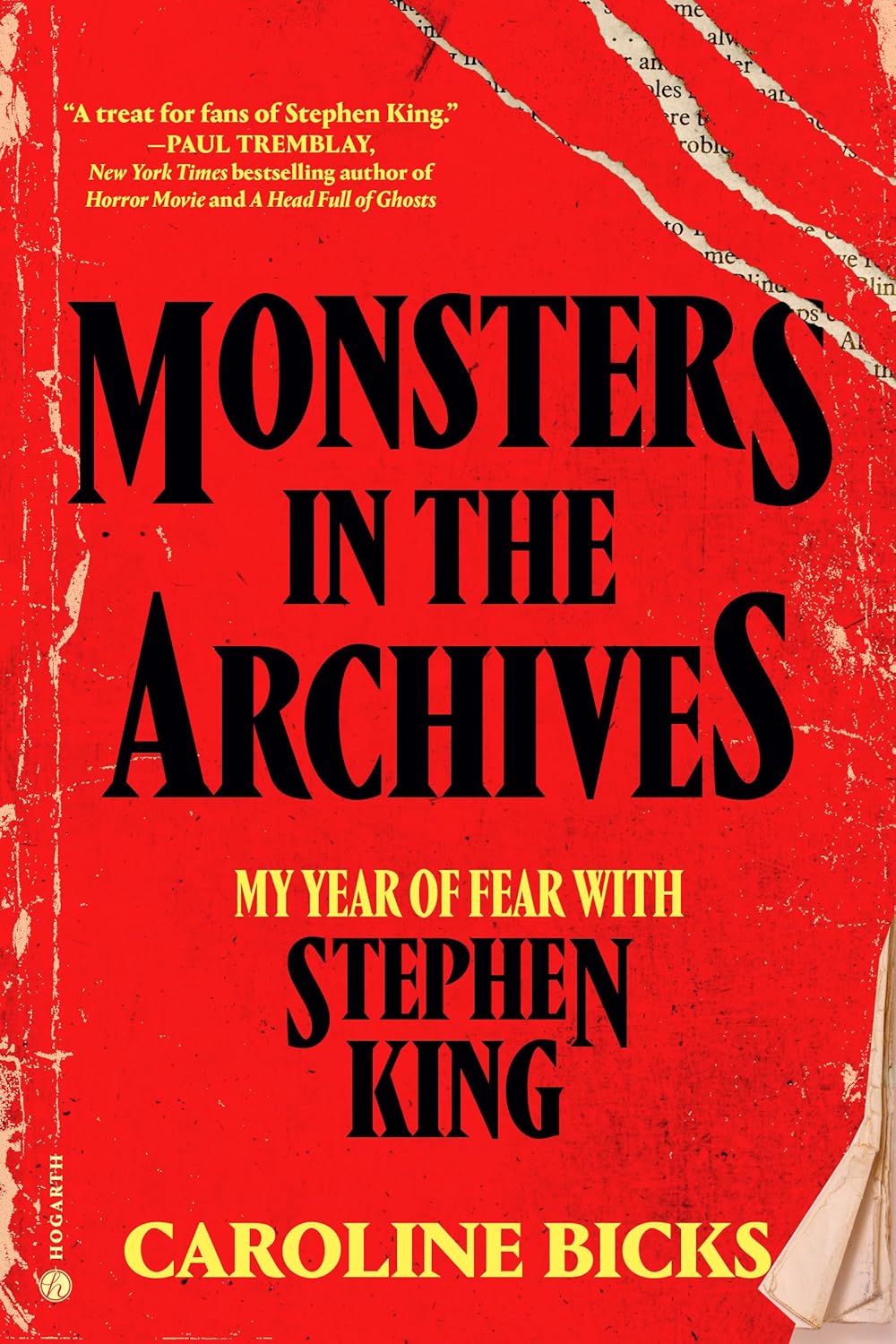
In “Monsters in the Archives,” you focus on King’s first five published books. How did you end up zeroing in on that structure?
I had a sabbatical year and knew that the archives had just been collected and that no one had been in there for an extended amount of time. I used it as an opportunity to open my mind. I’m a Shakespeare scholar. I’m not a King specialist, but I’m a huge King fan. And I know how to closely read all kinds of genres of literature. I thought this was an incredible opportunity. I can’t go look at any original Shakespeare manuscripts, but I can look at this. When I proposed it to Steve and Tabby, I said I wanted it to be about me revisiting the books that scared me the most when I was a teenager.
I grew up in the ’70s and ’80s, so I was encountering those iconic first books when they were coming out. They had such an impact on me, on my imagination, on my fears. I started wondering why it is that certain stories get stuck in our heads. What I was interested in was at the level of language. I’ve talked to people all over the world about their experiences with Stephen King and they all, to a T, have a memory of a particular phrase, sentence or image he crafted that has stuck in their heads. As a literature scholar, I was fascinated by that.
Those five manuscripts were before computers, so you have all of these handwritten marginalia, post-it notes from the copy editors and his responses in his handwriting. Taken together, it was an incredible opportunity to revisit my childhood fears through the lens of a grown-up English professor, but I never lost that sense of wonder and fear and a little bit of anxiety about having to revisit these terrifying stories.
Was it a challenge to hold yourself back from using his earlier work to touch on his later work, which might have turned this into a book the size of “The Stand”?
I would say it was the opposite. I never felt like I had to be doing even more, because there was so much right in front of me with these five.
I started with “Pet Sematary” and worked my way back to “Carrie,” his first published novel, and that happened organically. By starting a little bit later, I could appreciate the different layers going back and understood how he got there. It’s like a trail of breadcrumbs. For example, when I got to the “Salem’s Lot” chapter, what I found so interesting was that he was almost simultaneously writing “Salem’s Lot” and “Carrie.” We tend to think of these grand trajectories that artists have, but you can see the interconnectedness between some storylines because he was thinking about these stories simultaneously.
In the chapter about “Night Shift,” you discuss some of King’s college-era writing and the books that he did before “Carrie.” Was there ever a question of going into the deep cuts as part of the project?
I had to limit my time because I wanted to stay focused. Maybe that’s for another project. I just read “The Long Walk,” and I can’t believe he wrote it when he was a high school student. It’s so good. He’s citing Andrew Marvell, a Renaissance poet. There are always more stories to be told about him. But ultimately, I was very happy with where I landed.
At several points, you bring up people in Stephen King’s life who provided key assistance, from Tabitha King’s insights into teenage girls for “Carrie” to an old friend who created maps and provided candid critiques on some of his work. Did you have a sense of a number of people whose advice and support helped make King the writer he became?
There’s been some really good scholarship coming out about that. There’s a Belgian scholar called Vincent Neyt who’s just finished his dissertation, where he was tracking all of King’s early readers. He’s been doing a real deep dive, and he’s got some great YouTube videos up. King had a posse of early readers who read his work. Tabitha is his first and best reader and continues to be, but in the early days, he had some college friends and his childhood friend who were part of that process as well.
It’s impressive that this family has produced four successful writers, all of whom are talented in very specific ways. Do you think there’s something specific to this particular family that accounts for that?
There was an article that Joe wrote about growing up and watching the “Salem’s Lot” miniseries when he should not have been, where he wrote about what it was like to grow up as Stephen King’s child and have family movie night involve Danny Glick scratching at the window, traumatizing you. I think the fact that they were not putting imaginary limits on those kids; they were letting them see all that, which must have influenced their writing.
Early in this book, you mention having had your own encounters with ghosts early in life. Did you find any ghosts in the archives when you were doing your research?
I didn’t actually hear one, but I do hear there’s a rumor of one. And I will say when Julie Madden-Eugley, their assistant, and I got locked in the closet when we were looking for the “The Boogeyman” manuscript, I got a little scared. I’m not going to lie. She said, “That’s funny. That’s never happened before.” We did get out, which is good, because we didn’t have our phones with us. Otherwise, I can’t claim that I had any ghostly encounters, but time will tell.
New York City resident Tobias Carroll is the author of five books, most recently the novel, “In the Sight.” He has reviewed books for The New York Times, Bookforum, the Star Tribune and elsewhere.
We invite you to add your comments. We encourage a thoughtful exchange of ideas and information on this website. By joining the conversation, you are agreeing to our commenting policy and terms of use. More information is found on our FAQs. You can update your screen name on the member's center.
Comments are managed by our staff during regular business hours Monday through Friday as well as limited hours on Saturday and Sunday. Comments held for moderation outside of those hours may take longer to approve.
Join the Conversation
Please sign into your Sun Journal account to participate in conversations below. If you do not have an account, you can register or subscribe. Questions? Please see our FAQs.