

The world’s second-richest person, by some counts, could have easily afforded to settle the SolarCity case out of court, as all of his fellow Tesla board members did last year. Instead, he chose to fight it. And so he spent Monday and Tuesday last week in a dreary Delaware courtroom, defending his reputation against a lawyer bent on exposing him as a self-dealing fraud, even as his fellow billionaires Richard Branson and Jeff Bezos were in various stages of adventuring to space.
Judith Meyer
Judith Meyer is executive editor of the Sun Journal, Kennebec Journal, the Morning Sentinel and the Western Maine weekly newspapers of the Sun Media Group. She serves as vice president of the Maine Freedom of Information Coalition and is a member of the Right to Know Advisory Committee to the Legislature. A journalist since 1990 and former editorial page editor for the Sun Journal, she was named Maine’s Journalist of the Year in 2003. She serves on the New England Newspaper & Press Association Board of Directors and was the 2018 recipient of the Judith Vance Weld Brown Spirit of Journalism Award by the New England Society of Newspaper Editors. A fellow of the National Press Foundation and the Knight Center for Specialized Journalism, she attended George Washington University, lives in Auburn with her husband, Phil, and is an active member of the Bicycle Coalition of Maine.
Posted inOp-Eds, Opinion
Generation Z should fear a guaranteed income
You may think living in the country and working less isn’t so bad. Working a lower-paid job can sometimes offer other benefits, like flexibility and time with your children. But there are costs. Working less at a less-demanding job often means you forgo learning new skills and wage increases.
advertisement
Posted inNews, Oxford Hills, Schools & Education
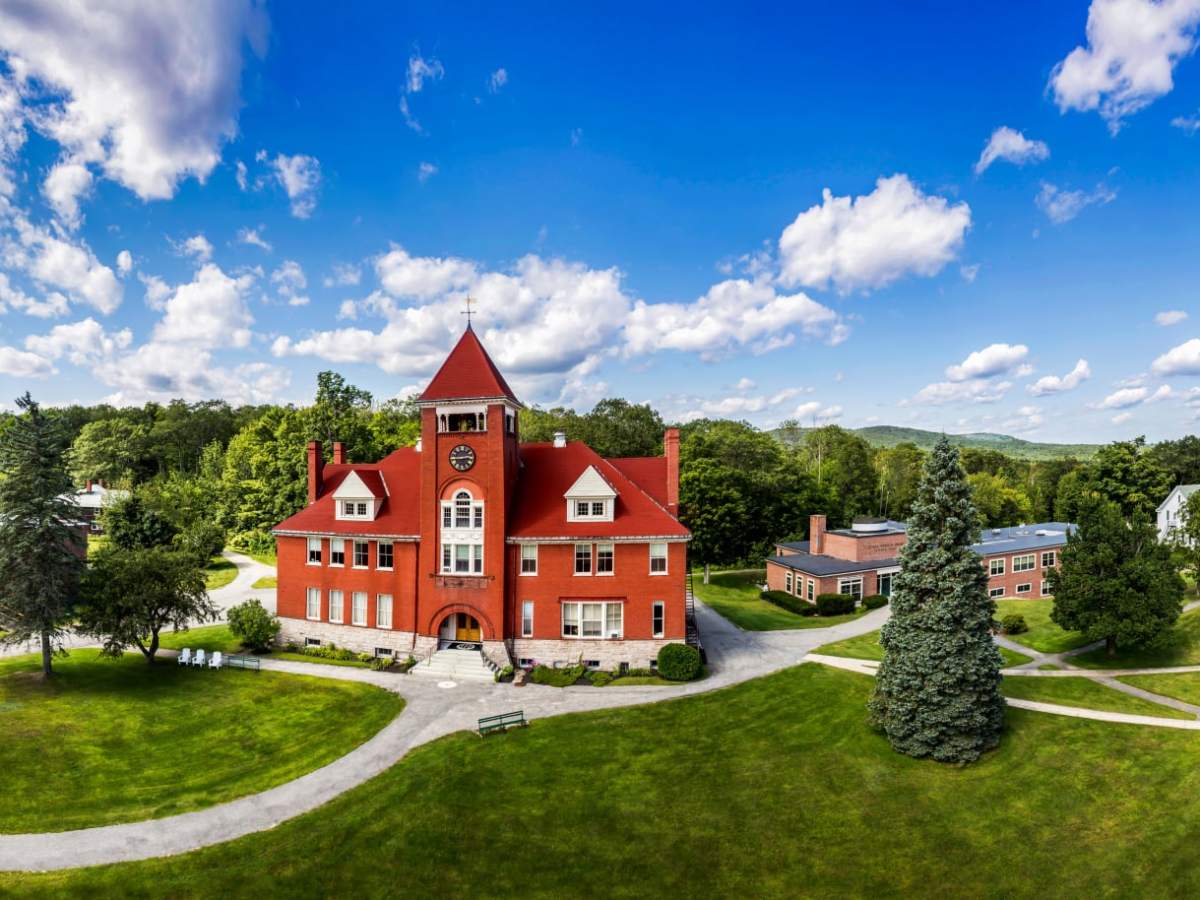
Hebron Academy: Tumultuous, but welcome, change of leadership

Students, parents and faculty say more than half the school’s faculty left the school after the spring term, many because of the management style of the school’s top leader, who resigned earlier this month.
Posted inOp-Eds, Opinion
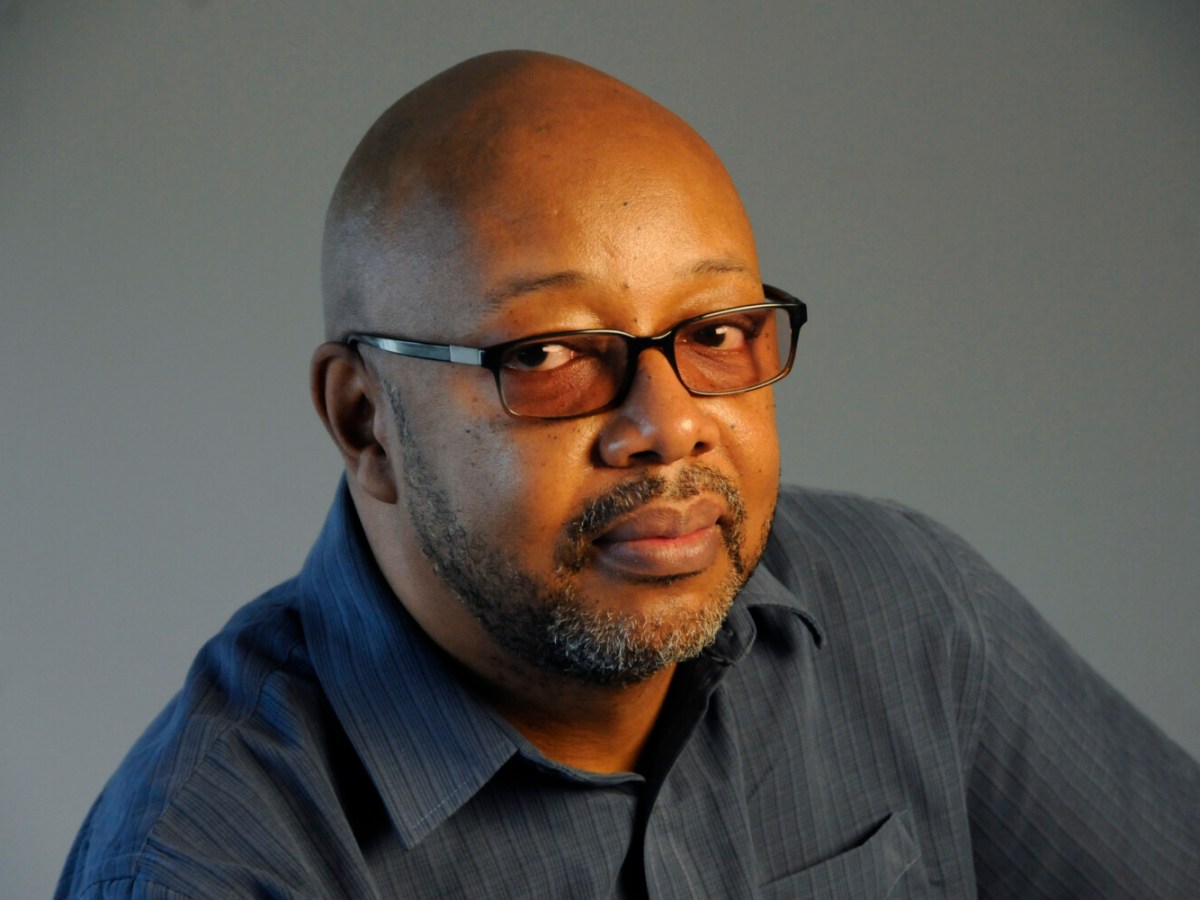
Leonard Pitts: Leonard Pitts Jr.: They fear nothing quite so much as the loss of whiteness and its privileges
For the record: critical race theory originated over 30 years ago among legal scholars; it holds that race is a social — not a scientific — construct and offers a framework for understanding the role of systemic racism in the law and in legal institutions. It is taught, if at all, in law school — not high school.
Posted inOp-Eds, Opinion
Americans must reclaim their right to repair
In May, the Federal Trade Commission reported that “many of the explanations manufacturers gave for repair restrictions aren’t well-founded.” Biden’s executive order now encourages the FTC to “limit powerful equipment manufacturers from restricting people’s ability to use independent repair shops or do DIY repairs.”


Posted inOp-Eds, Opinion
Violent crime is up. There’s no one cause.
There is a great deal of scientific evidence that when cities hire more police officers, violence tends to decline, and that when high-crime blocks are subject to greater police presence, crime falls in those areas. But while there is some evidence that the pandemic challenged departments and there were fewer officers on the streets in some places, most cities maintained their required levels of patrol in 2020.
Posted inLetters, Opinion
Dodie Jones: Congress must support EICDA
The four largest ski industry leaders, including Boyne Resorts, parent company of Sunday River and Sugarloaf USA, have signed a Climate Collaborative Charter, which states that they will operate their 71 resorts with sustainability at the forefront and use their collective voice to advocate for effective public policy on climate action in order to leave […]
Posted inLetters, Opinion
Virginia Starbird: Your rights depend on your vote
Democracy is of the people, by the people, for the people. S1, “The For The People Act of 2021” would protect voting rights, end partisan gerrymandering, establish ethical rules for federal officials, and stop some of the big money in politics. Yet, all 50 Republicans voted against it, even though it would help to fight […]
Posted inOp-Eds, Opinion
Kevin Landry: Time to move on from a cancerous past
There was a general dislike aimed at Franco-Americans for many years. In an 1896 article in The Nation, Bowdoin College professor William MacDonald summed it up, “Useful and indispensable as they (Franco-Americans) have become, they are nowhere received with cordiality, or commonly referred to save as an inferior class; even their religion is denounced as un-American….”.