

Makers of products like nonstick cookware cite health, safety and functioning of society as reasons they should be able to continue selling products made with forever chemicals.
PFAS

Posted inLocal & State, News
1 year later, Brunswick residents still fear impacts of PFAS spill

State and local officials have worked to address the spill of toxic firefighting foam at the former naval air station, but residents and environmental advocates have lingering questions.
advertisement

Posted inBusiness, Local & State, News
Maine regulators seek bids for renewable energy on PFAS-contaminated land

The Maine Public Utilities Commission said it would only select projects that would lower the cost of electrical generation and distribution for the state’s ratepayers.

Posted inLocal & State, News
Maine issues new fish consumption limits for PFAS-tainted waters
Six bodies of water have new fish consumption advisories due to elevated levels of forever chemicals.
Posted inLocal & State, News, Schools & Education
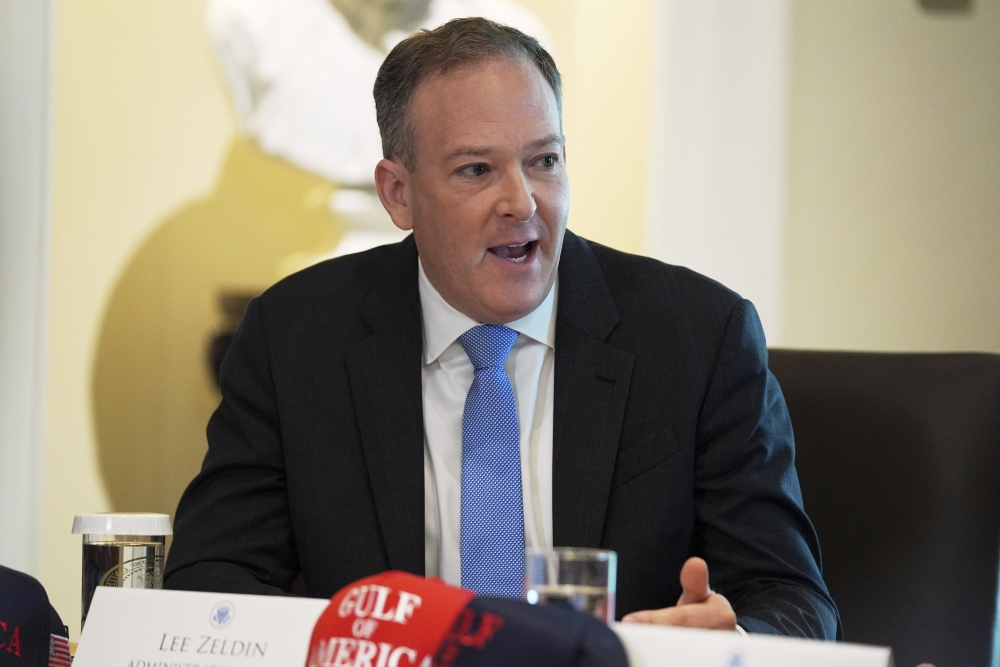
EPA restores $1.6M UMaine PFAS grant
The federal agency’s reversal comes 1 month after it declared that the University of Maine’s research into ways to reduce the effects of forever chemicals on farms was inconsistent with the EPA’s funding priorities.
Posted inLocal & State, News
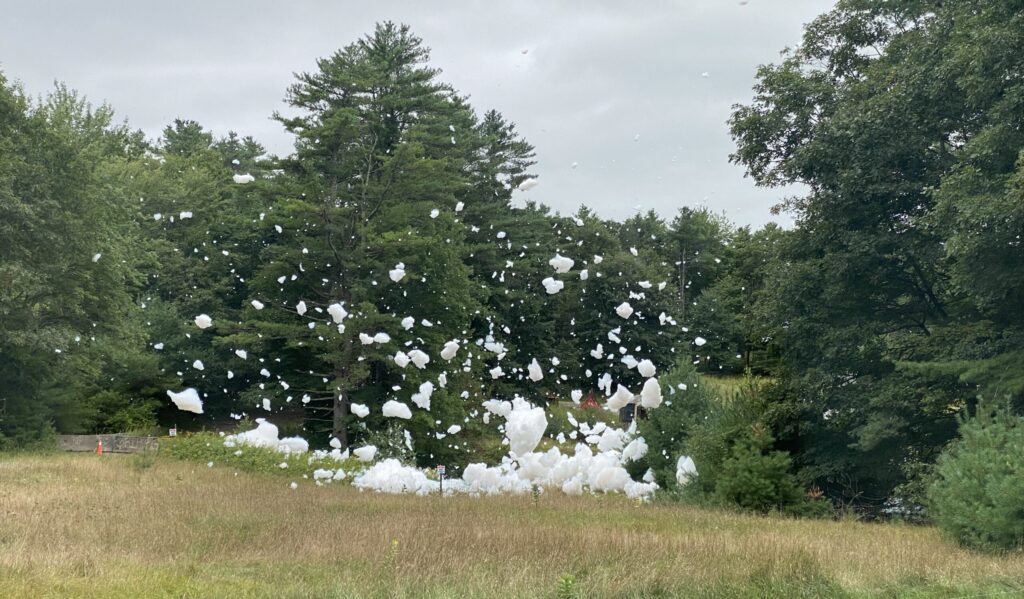
Mills signs bill to shut off fire suppression systems with forever chemicals at Brunswick Landing
The bill requires the Midcoast Regional Redevelopment Authority to remove all remaining PFAS-containing firefighting foam by the end of the year.

Posted inLocal & State, News
After hailing them as important, EPA cancels PFAS research grants
Termination notices to Maine grant recipients said the work was ‘no longer consistent with EPA funding priorities.’ At least 2 of the 3 Maine recipients plan to appeal the termination.
Posted inLocal & State
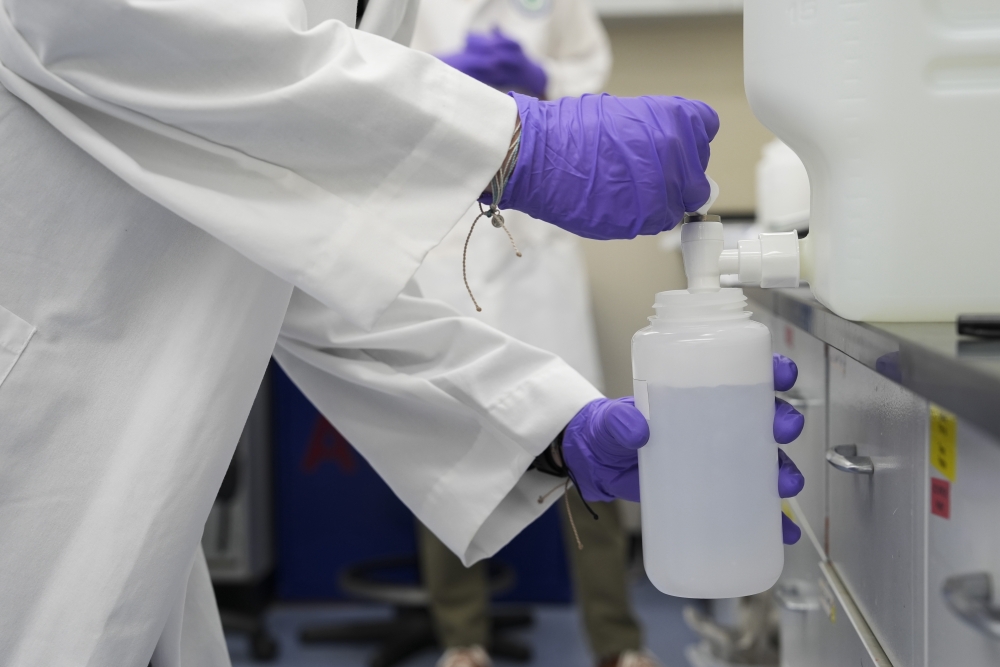
EPA announces rollback of limits on forever chemicals in drinking water
The agency rolled back limits for three types of forever chemicals but will keep standards in place for the two most common PFAS, known as PFOA and PFOS.
Posted inNews
Hallowell drinking water exceeds state regulation for forever chemicals

Hallowell Water District testing late last month showed drinking water in the city contained its highest PFAS levels in at least the past three years.
Posted inNews
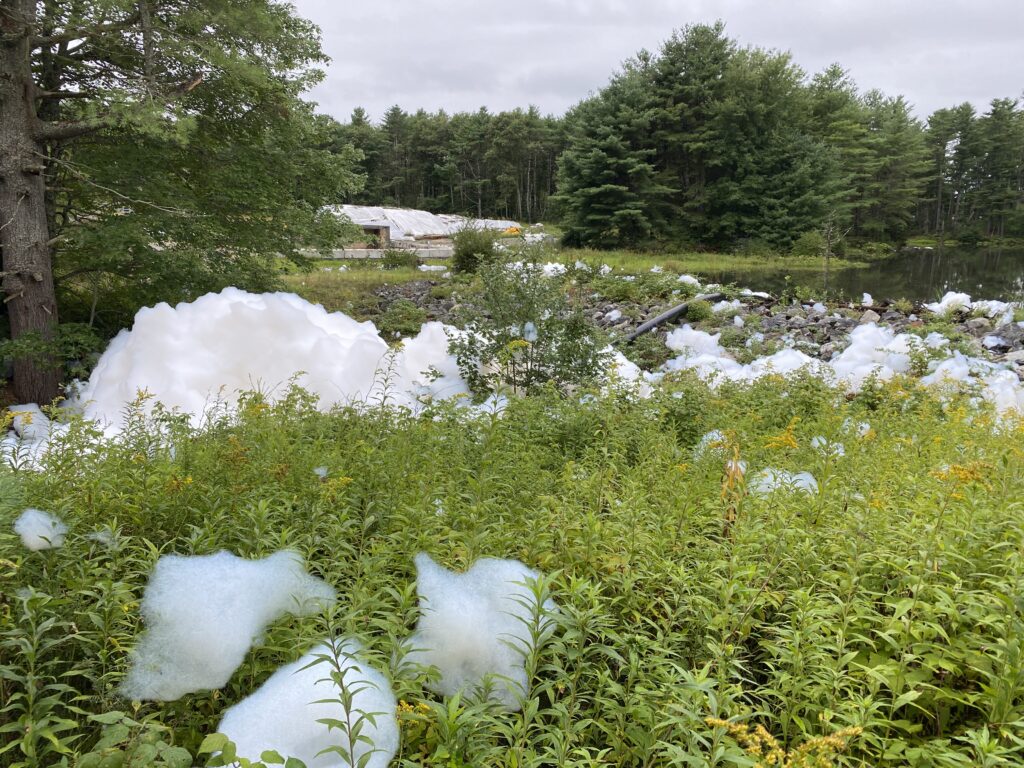
Brunswick Landing removes toxic foam from airport hangar
Hangar 6 held 975 gallons of aqueous film-forming foam, or AFFF, containing a toxic chemical compound known as PFOS.