


Three generations of Penobscot advocates are fighting to ensure students in Maine are taught about Indigenous tribes.
wabanaki

Posted inHealth, Local & State
Indigenous organization trains 30 new doulas
Wabanaki Public Health and Wellness is aiming to help fill in gaps as maternity services have shuttered across Maine.
advertisement

Posted inBusiness, Local & State, News
Oxford Casino sues to block tribal iGaming

The lawsuit claims the exclusive right to operate internet gambling granted to the Wabanaki Nations is a ‘race-based monopoly.’
Posted inCommunity, Local & State, Schools & Education, The Rangeley Highlander
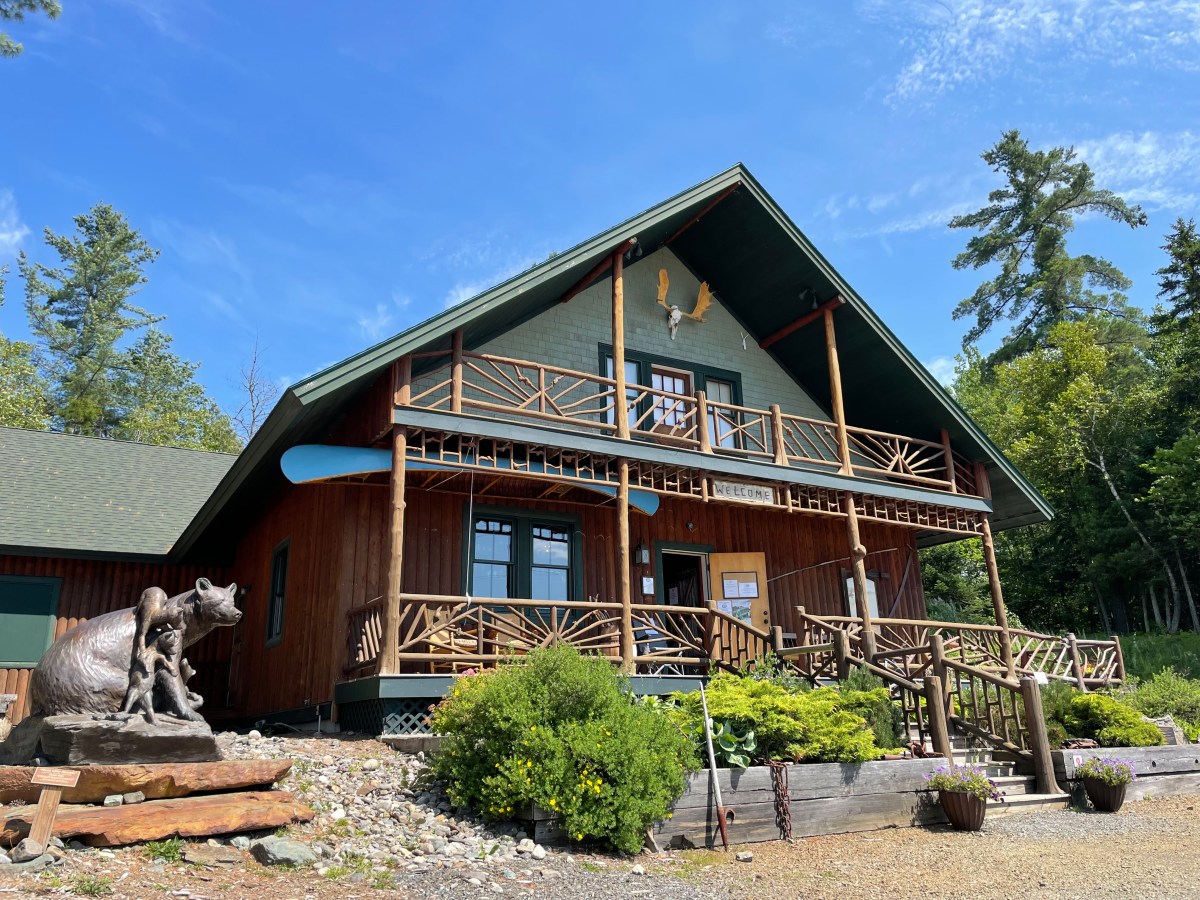
Historic Rangeley exhibit showcases western Maine’s earliest human history

Historic Rangeley is highlighting the Vail Site exhibit, which documents the earliest known human presence in western Maine nearly 13,000 years ago through rare archaeological artifacts.

Posted inLocal & State, Schools & Education
Tori Hildreth connects Old Town students with careers and clothes
The Jobs for Maine Graduates instructor runs a free thrift store at the high school and is working to make Wabanaki studies more accessible.

Posted inElections, Local & State, News, Politics
Question 1 would limit access for Indigenous voters in Maine, Wabanaki advocates say
The ballot measure would not allow for use of tribal IDs when voting, creating ‘incongruency’ in the law, according to Maine’s secretary of state.
Posted inArts & Entertainment, Life & Culture, Local & State, News
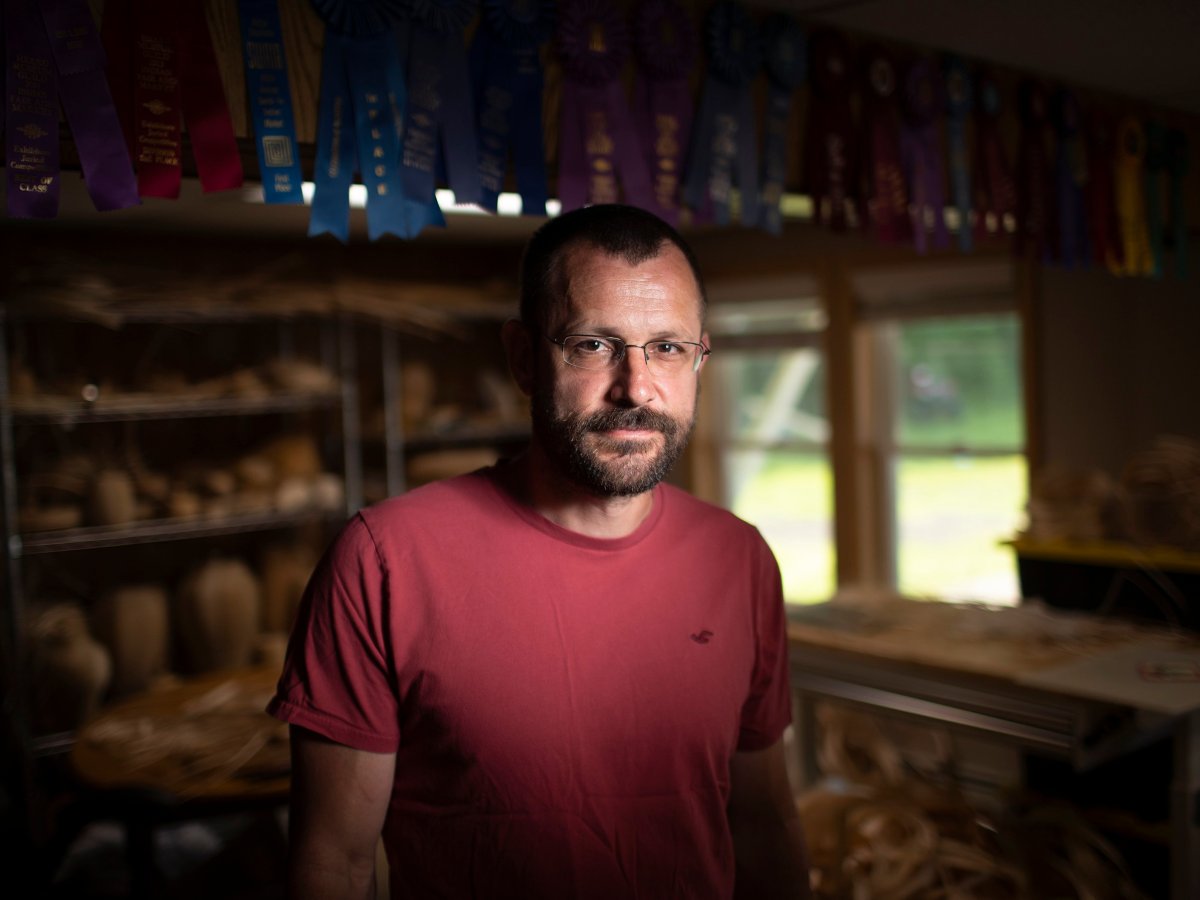
Two Mainers awarded prestigious MacArthur ‘Genius grants’
Jeremy Frey, a Passamaquoddy artist, and Indigenous cartographer Margaret Wickens Pearce both received the $800,000 award.

Posted inBusiness, Local & State, News
In Sipayik, the Passamaquoddy are finding resilience in a half-acre of clams
With one of the largest soft-shell clam gardens in the world, the tribe is confronting invasive crabs and human-caused ecological damage.

Posted inLocal & State, News
Abbe Museum returning funerary cultural objects to Wabanaki Nations
Many of the objects sat unknowingly in a University of Maine collection for years because a loan to an archaeologist was never recorded.

Posted inLocal & State, News
Houlton Band of Maliseets celebrate thousands of years of traditions
Over 500 people attended the Wabanaki tribe’s 45th annual community days in Littleton on Saturday.