
MEXICO — Students at the Region 9 School of Applied Technology got some sage advice from motivational speaker Richard Haynes Jr. at a recent talk at Sunday River Ski Area in Newry.
“You could have heard a pin drop,” Region 9 employability skills instructor Jennifer Barlow said.
“Don’t go to school; go to work every day,” said Haynes, an African-American artist, storyteller and the associate admissions director at the University of New Hampshire.
He told them they should take going to school as seriously as someone working at their job. Also, the more productive and educated they are, the higher pay and the more opportunities they’re going to have in the long run, he said.
Another piece of advice: “When you get knocked down, if you can look up, you can get up.”
Haynes told his listeners that even though they might have struggles and issues, they can and should keep going. There are people around who will help to support and mentor them, he said.
The presentation was sponsored by the school through a MELMAC grant, Barlow said. Students from Mountain Valley High School in Rumford and Telstar Regional High School in Bethel were among 300 people attending.
According to Haynes’ webpage, he is an “American visual storyteller, a cultural keeper and maker. He uses his art not only to make society aware of the invisible in this world but also to provoke unity.”
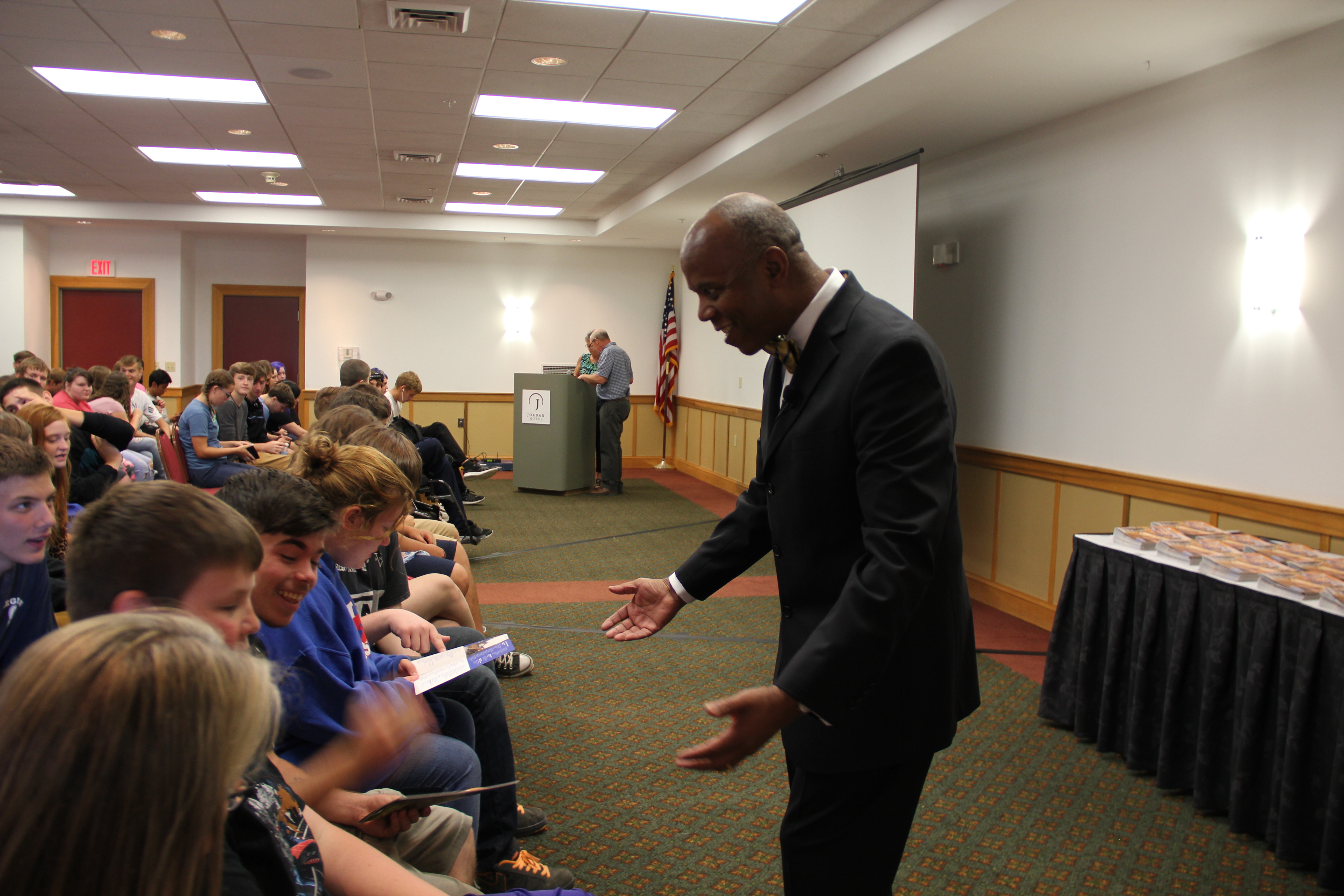
Richard Haynes Jr. greets students from the Region 9 School of Applied Technology in Mexico, Mountain Valley High School in Rumford and Telstar Regional High School in Bethel during his recent motivational speech at Sunday River Ski Resort in Newry.
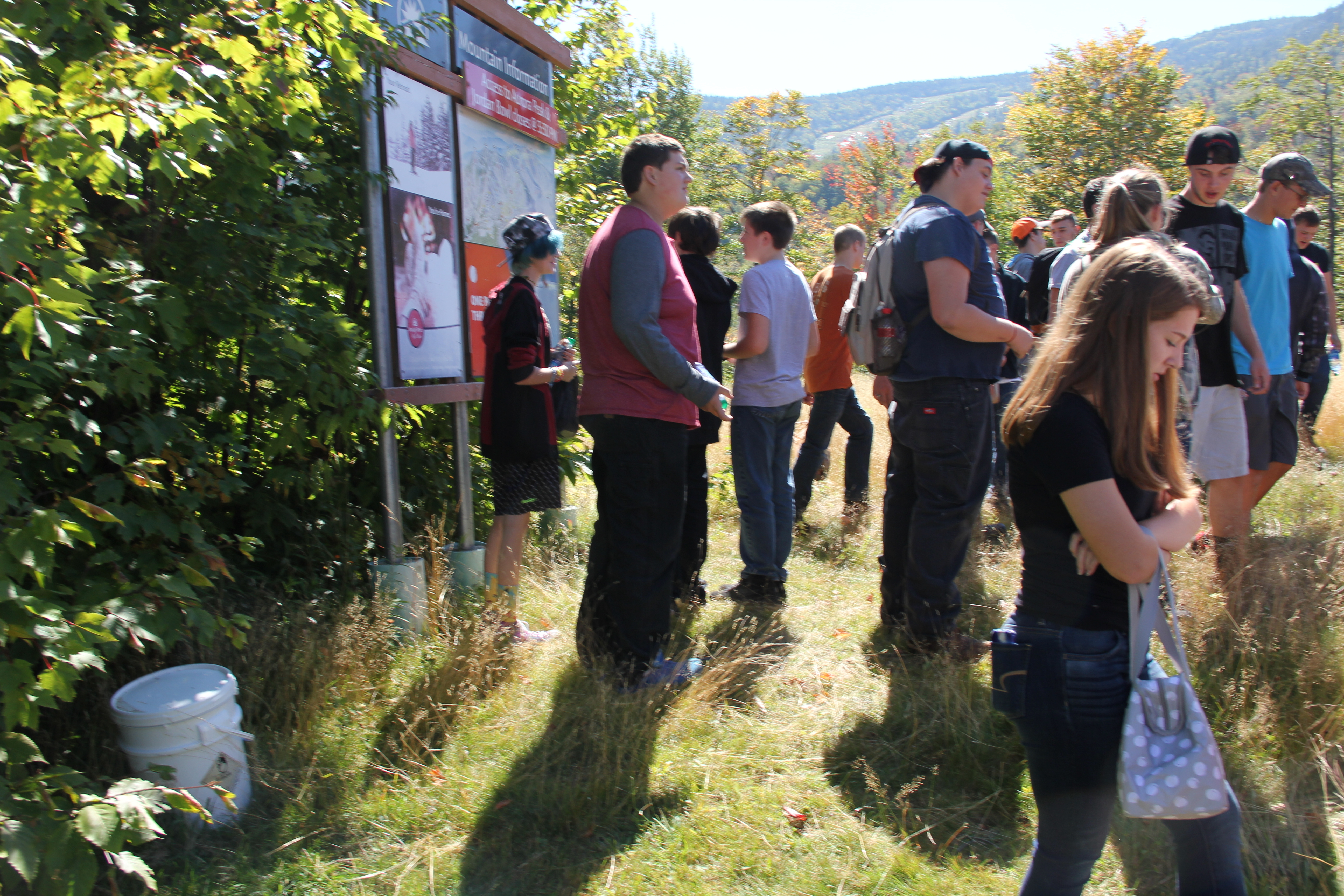
Students from Region 9 School of Applied Technology in Mexico, Mountain Valley High School in Rumford and Telstar Regional High School in Bethel tour Sunday River Ski Resort in Newry during their visit to hear motivational speaker Richard Haynes Jr., an African-American artist, storyteller and the associate admissions director at the University of New Hampshire.
Comments are not available on this story. Read more about why we allow commenting on some stories and not on others.
We believe it's important to offer commenting on certain stories as a benefit to our readers. At its best, our comments sections can be a productive platform for readers to engage with our journalism, offer thoughts on coverage and issues, and drive conversation in a respectful, solutions-based way. It's a form of open discourse that can be useful to our community, public officials, journalists and others.
We do not enable comments on everything — exceptions include most crime stories, and coverage involving personal tragedy or sensitive issues that invite personal attacks instead of thoughtful discussion.
You can read more here about our commenting policy and terms of use. More information is also found on our FAQs.
Show less