

A MaineHousing emergency heating assistance program will not begin on Nov. 1 because of the federal government shutdown.
The Energy Crisis Intervention Program, which aids about 7,000 families per year, relies on about $3 million in federal funding that has not been authorized during the shutdown, MaineHousing said in a statement Wednesday.
ECIP is “a key part,” Maine Housing said, of the federal Low-Income Home Energy Assistance Program, the staff of which was laid off by President Donald Trump’s administration earlier this year.
“This is a situation we never wanted to face,” MaineHousing Director Daniel Brennan said in a statement. “With no federal funds available, we cannot proceed with the program.”
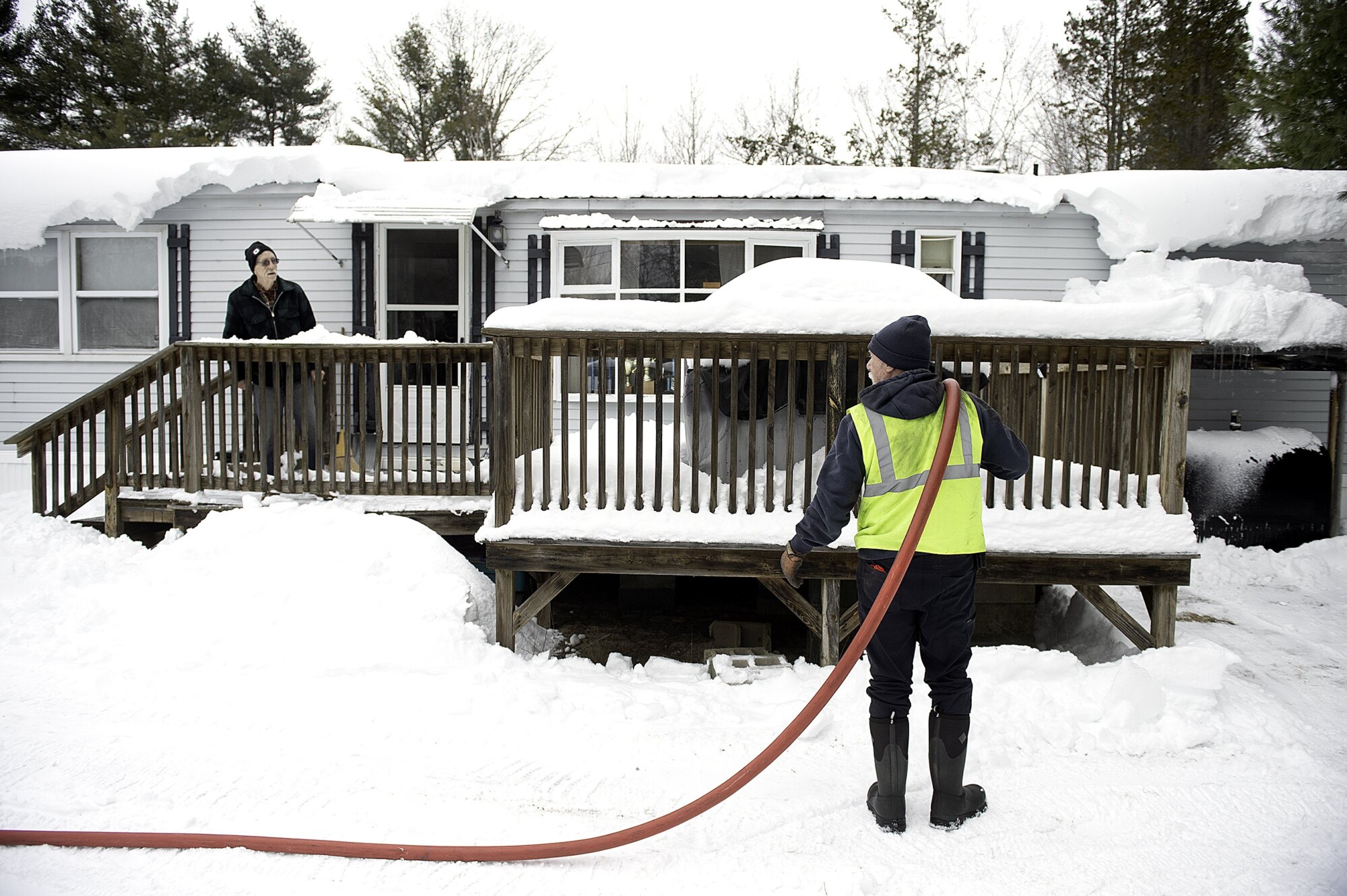
The ECIP provides one-time emergency fuel deliveries to homes that have run out of heating oil, propane or other fuels. Households participating in the program would qualify for up to $500 in emergency heating assistance this year.
That’s already a significant dip in aid, as the program was capped at $800 per household last year. The lowered cap is a result of COVID-19 pandemic relief funds drying up.
“We understand the severe impact this will have on Maine families, especially as winter approaches, and we share their anxiety,” Brennan said.
Victoria Forkus, executive director of Maine Community Action Partnership, said the impact could “devastate Maine’s most vulnerable households.”
Seniors, families with young children and people with disabilities are expected to be hit hardest by the pause in the program, MaineHousing said.
“This is a heartbreaking, entirely avoidable, and unfair reality for many families already struggling to barely make ends meet,” Forkus said in a statement.
Agencies will continue to process HEAP applications, according to MaineHousing, but payments will not be issued as long as the shutdown lasts.
“We are closely monitoring the situation in Washington, D.C.,” Brennan said. “As soon as funding is secured, we will reopen HEAP and ECIP to help those in need.”
Editor’s note: This story was updated on Oct. 30 to clarify which applications are still being processed.

Comments are not available on this story. Read more about why we allow commenting on some stories and not on others.
We believe it's important to offer commenting on certain stories as a benefit to our readers. At its best, our comments sections can be a productive platform for readers to engage with our journalism, offer thoughts on coverage and issues, and drive conversation in a respectful, solutions-based way. It's a form of open discourse that can be useful to our community, public officials, journalists and others.
We do not enable comments on everything — exceptions include most crime stories, and coverage involving personal tragedy or sensitive issues that invite personal attacks instead of thoughtful discussion.
You can read more here about our commenting policy and terms of use. More information is also found on our FAQs.
Show less